


Padres Video
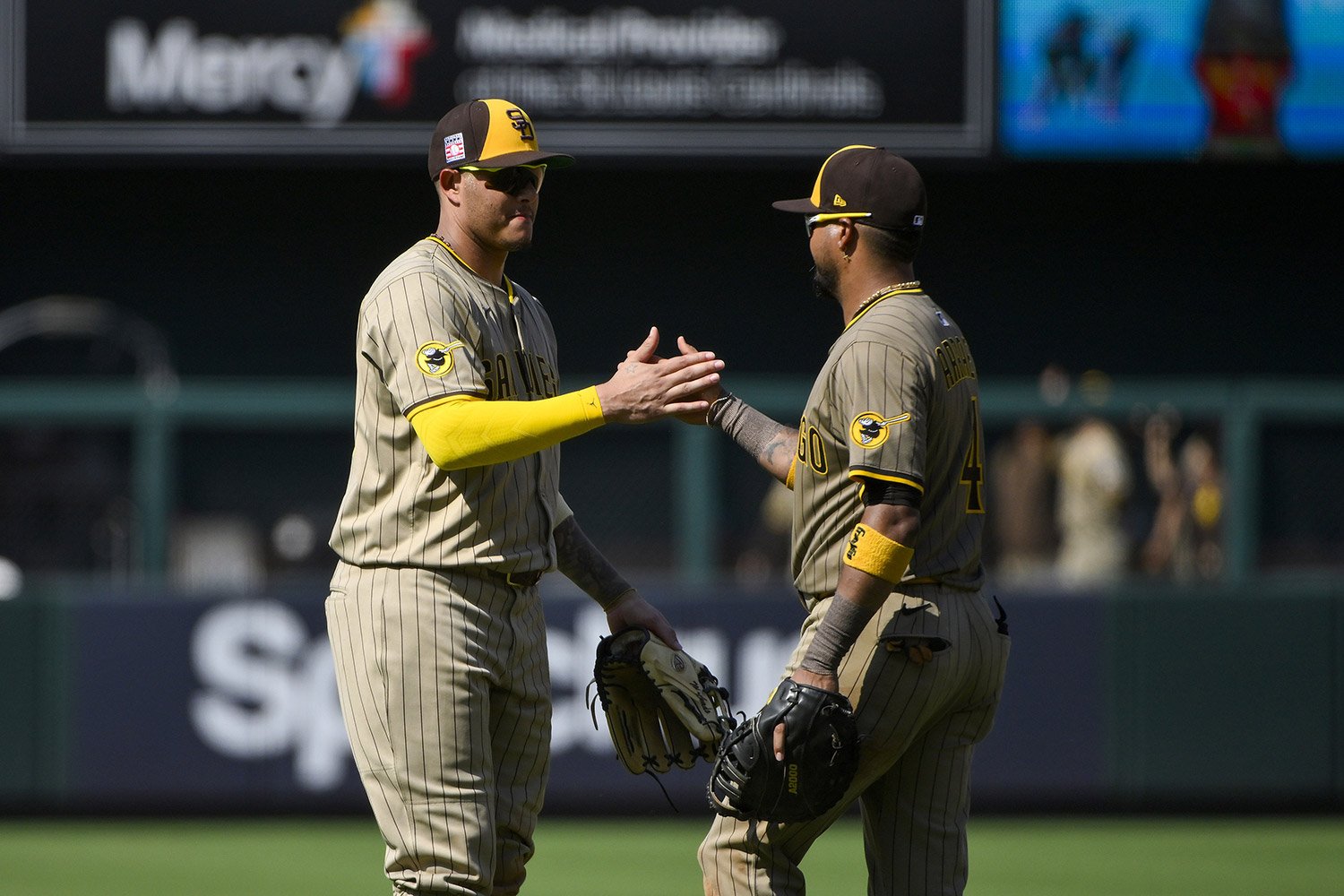
The San Diego Padres gave Manny Machado a day off on September 14, in their final game against the Colorado Rockies. This decision came after a poor performance in recent games and the team's efforts to manage player well-being as they compete in a tight playoff series.
Every game counts, you know? One of the Padres' primary hitters, Machado, has played in every game this season thus far. That's a lot of games, and as September rolls by, you definitely start to feel the wear and tear. To be honest, Machado hasn't been very good for the last month.
In addition, Luis Arraez, usually a high-contact hitter with a high OBP, was forced to miss the game after being hit in the face while warming up. This was supposed to be a temporary move, which meant the Padres were left missing their second and third hitters in the lineup.
So: high stakes; Machado slumping; two key lineup pieces out. In most teams, that would contract run production.
How the Padres Filled the Gap
In the game without Machado and Arraez, the Padres' offense managed to score runs using different complementary methods. Here are the key strategies:
Small Ball & Bunt Hits to Set the Tone
At the beginning of the game, the Padres relied on small-ball tactics. In the first inning, they managed to get some bunt singles from Jackson Merrill and Jake Cronenworth, which helped them to score. These kinds of plays do two things: they take advantage of opportunities for hits, get the defense off their game, and run up their score when hitting home runs is not possible.
These bunts are quite something to talk about, especially with Arraez being out and known for getting on base and creating scoring opportunities. It's great to see those players who don't necessarily do all those 'manufactured hits' come up big.
Opposite-Field Power and Timely Long Balls
While the small ball dominated, the offense was not timid with power when the ball was hit well. In the second inning, Jackson Merrill hit a three-run homer to left-center to give the Padres a good early lead.
Timely Contact, Multiple Hitters, Depth
Besides the bunts and home runs, the lineup consistently was hitting well. Fernando Tatis Jr. recorded multiple hits (three in this game), which not only led to runs being scored but also prolonged the duration of innings, forced pitchers to make errors or adjustments, and kept the offense in motion.
Filling in for Machado at third base, Jose Iglesias registered two hits. In the eighth, Gavin Sheets hit a key insurance double. All in all, five Padres had more than one hit. So, it wasn't that the run production was concentrated in a single star player; it was distributed throughout the lineup.
Bullpen Strain and How the Offense Made Up for It
Starter Yu Darvish exited the game with a six-run lead, but the Rockies began to chip away, narrowing the score to 7-6 by the seventh inning. That strong early showing acted as a cushion.
Considering Machado's recent struggles, this break might also help him refresh both mentally and physically.
Non-star players such as Iglesias, Sheets, Merrill, and Cronenworth stepping in is super important. Teams that lean too much on their top hitters can find themselves in a tough spot when those hitters are struggling or not in the lineup. When home runs are scarce, focusing on small ball, making contact, utilizing speed, and hitting for the situation becomes essential. On the other hand, when power is present (like Merrill's dinger), knowing how to capitalize on it is crucial. A team that can switch up its style is more durable.
Establishing a lead early on gives you some wiggle room, especially with the unpredictability of bullpens. It allows starters to leave the game while still maintaining the lead and keeps the bullpen from being overworked. The early bunts and small ball tactics in this game helped create a 7-0 lead, which provided a cushion when things got a bit tight.
That said, there are some things to consider: while this game revealed a lot, achieving consistency proves to be more challenging. When going up against stronger teams, when Machaco or Arraez are needed, or if the bullpen struggles with little margin for error, it will really put this “multi-way run production” concept to the test.





Recommended Comments
There are no comments to display.
Create an account or sign in to comment
You need to be a member in order to leave a comment
Create an account
Sign up for a new account in our community. It's easy!
Register a new accountSign in
Already have an account? Sign in here.
Sign In Now