


Pratik Sharma
-
Posts
25 -
Joined
-
Last visited
Pratik Sharma's Achievements





-
 Ruben Niebla’s pitching program in San Diego shows a clear pattern: pitchers who join the Padres often become more consistent and more usable. I start with Niebla’s role, then show the specific mechanisms he uses, analyze the key case studies (Dylan Cease, Michael King, Joe Musgrove, Mason Miller). Ruben Niebla: What he actually does Niebla runs a repeatable system. He does four things well at once. He gives each pitcher a precise plan for what to throw and when. He sets measurable checkpoints so coaches and pitchers see progress in numbers, not just feelings. He ties analytics and biomechanics to simple on-field instructions. He keeps the same approach year after year so pitchers get steady coaching instead of changing messages every season. Those four traits make the program predictable. Predictability is valuable because development is mostly a long march of small gains. The Padres’ stability under Niebla lowers the chance that a pitcher’s habits will be reset or contradicted later. Dylan Cease: Volatile results and stabilization Dylan Cease shows us the typical Niebla result: after moving to San Diego, his strikeout potential stayed top-notch, but other metrics changed in ways that impacted run prevention. According to Baseball Savant, Cease’s strikeout numbers stayed above 200 (224 K in 2024, 215 K in 2025), yet his ERA climbed from 3.47 in 2024 to 4.55 in 2025. This trend of consistent strikeout ability alongside fluctuating ERA indicates that sequencing and managing contact (rather than just raw talent) are the key areas Niebla’s team focuses on for pitchers like Cease. To back this up, Cease’s ERA jumped by 1.08 runs (a 31% increase from the previous year) while his strikeouts dipped by around 4% and his innings pitched dropped by 11%. His ability to get swings and misses remained strong (so his potential is still there), but the range of outcomes became broader (more damage from mistakes), which is exactly what a Niebla-style approach to sequencing, tunneling, and contact suppression aims to fix. Michael King: Role clarity and workload control King's 2025 surface line shows a 3.44 ERA in a limited season, following a solid 2024 where he had a reported 2.95 ERA. However, the most significant improvement for the Padres has been in his role predictability and availability from session to session. ESPN reports indicate that King's 2025 ERA is approximately 3.44, with a controlled WHIP and respectable strikeout figures. Additionally, there are reports of shoulder inflammation and an IL stint, which highlight the importance of workload targets and recovery checkpoints in his usage. The Niebla program focuses on session thresholds, like pre-game velocity and spin bands, as well as ramp increments. This approach helps transform a pitcher with King's skill set into a consistently reliable starter instead of a hit-or-miss swingman. Joe Musgrove: Rehab management and the institutional safety net Joe Musgrove's case shows that not every "improvement" is clear on the stat sheets; sometimes, the real value lies in being cautious with medical decisions and taking a safe approach to recovery. Musgrove sat out the 2025 season after undergoing Tommy John surgery on October 11, 2024. The Padres' careful, evidence-based rehab plan aims to maintain his pre-injury performance instead of rushing him back too soon. This cautious, methodical strategy is a key feature of Niebla's program when dealing with high-value players: monitor thresholds, apply biomechanics to fix mechanical issues, and then slowly reintroduce intent and sequencing. Mason Miller: The portfolio decision The debate around Mason Miller's trade and role brings to light an important organizational calculation: is it better to transform an elite reliever into a starter for potential innings, or to protect a vital high-leverage bullpen? Padres took the bullpen costs into serious consideration before even thinking about a starter conversion, and analysts currently predict that Miller will continue as a reliever through 2025–2026 while the team assesses their choices. It is logical within a Niebla framework: the staff can create more value by enhancing role-specific performance where the marginal returns are the highest. Ruben Niebla’s system means improving the odds. For pitchers who already have decent skills, the Padres’ program raises the chances of more reliable performances, fewer disasters, and better health. For elite strikeout pitchers like Cease, the biggest gain isn’t in velocity or strikeouts, but in reducing the ups and downs from game to game through better sequencing and contact management. Cease’s recent stats make this clear. Injured pitchers are the focus of a program that prioritizes long-term durability over quick statistical results. The team's reports on his recovery reflect this philosophy. But how well the system works really depends on stability. When the roster is constantly changing because of trades, opt-outs, or free agency, pitchers tend to leave before the multi-season process is done. Recent roster changes demonstrate how these financial pressures can restrict the potential of the "Niebla Effect." View full article
 -
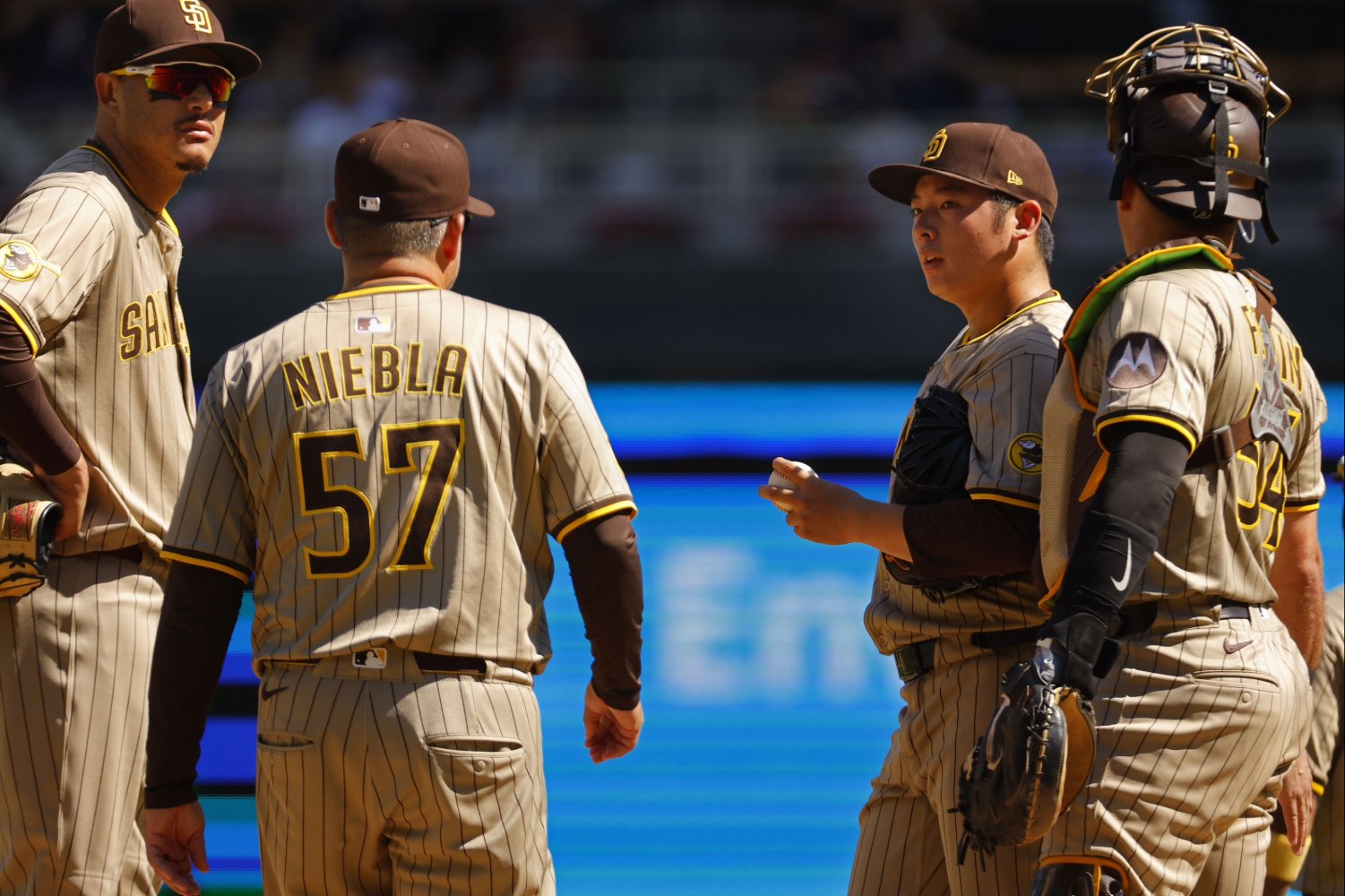 Ruben Niebla’s pitching program in San Diego has yielded clear results: Pitchers who join the Padres often become more consistent under his tutelage. Let's dive into Niebla’s role, then show the specific mechanisms he uses by analyzing some key case studies (Dylan Cease, Michael King, Joe Musgrove). Ruben Niebla: What he actually does Niebla runs a repeatable system. He does four things well at once. He gives each pitcher a precise plan for what to throw and when. He sets measurable checkpoints so coaches and pitchers see progress in raw numbers. He ties analytics and biomechanics to simple, on-field instructions. And he keeps the same approach year after year so pitchers get steady coaching instead of fluctuating messages. Those four traits make the program predictable. Predictability is valuable because development is mostly a long march of small gains. The Padres’ stability under Niebla lowers the chance that a pitcher’s habits will be reset or contradicted later. Dylan Cease: Volatile results and stabilization Dylan Cease shows us the typical Niebla result: after moving to San Diego, his strikeout potential stayed top-notch, but other metrics changed in ways that impacted run prevention. Cease’s strikeout numbers continued to dazzle in San Diego (224 K in 2024, 215 K in 2025), yet his ERA climbed from 3.47 in 2024 to 4.55 in 2025. On the whole, Cease’s ERA jumped by 1.08 runs (a 31% increase from the previous year) while his strikeouts dipped by around 4% and his innings pitched dropped by 11%. His ability to get swings and misses remained strong (so his potential is still there), but the range of outcomes became broader (more damage from mistakes), which is exactly what a Niebla-style approach to sequencing, tunneling, and contact suppression aims to fix. Unfortunately, it doesn't appear that Niebla and the Padres will be able to implement helpful changes for Cease, seeing as he's likely to leave via free agency. But his topsy-turvy tenure in San Diego is proof that Niebla's program is always in effect, even if it hasn't been perfected. Michael King: Role clarity and workload control King's 2025 surface line shows a 3.44 ERA in a limited season, following a solid 2024 where he logged a 2.95 ERA. However, the most significant improvement for the Padres has been in his role predictability. Given his bouts with shoulder inflammation and an IL stint, it's rather impressive that King returned in time for the stretch run (even if the results weren't great). His rehab process highlights the importance of workload targets and recovery checkpoints in his usage. The Niebla program focuses on session thresholds, like pre-game velocity and spin bands, as well as ramp increments. This approach helped transform a pitcher with King's skill set into a consistently reliable starter, a decidedly more valuable pitcher than his previous swingman role. Joe Musgrove: Rehab management and the institutional safety net Joe Musgrove's case shows that not every "improvement" is clear on the stat sheets; sometimes, the real value lies in being cautious with medical decisions and taking a safe approach to recovery. Musgrove sat out the 2025 season after undergoing Tommy John surgery on October 11, 2024. The Padres' careful, evidence-based rehab plan aims to maintain his pre-injury performance instead of rushing him back too soon. This cautious, methodical strategy is a key feature of Niebla's program when dealing with high-value players; monitor thresholds, apply biomechanics to fix mechanical issues, and then slowly reintroduce intent and sequencing. The overall impact Ruben Niebla’s system is about improving the odds. For pitchers who already have decent skills, the Padres’ program raises the chances of more reliable performances, fewer disasters, and better health. For elite strikeout pitchers like Cease, the biggest gain isn’t in velocity or raw stuff, but in reducing the ups and downs from game to game through better sequencing and contact management. Injured pitchers are likewise a focus of a program that prioritizes long-term durability over quick statistical results. But how well the system works really depends on stability. When the roster is constantly changing because of trades, opt-outs, or free agency, pitchers tend to leave before the multi-season process is done. Recent roster changes demonstrate how these financial pressures can restrict the potential of the "Niebla Effect."
 -
 Pratik Sharma reacted to an article:
Replacing Dylan Cease, Michael King and Yu Darvish Is Harder Than It Looks
Pratik Sharma reacted to an article:
Replacing Dylan Cease, Michael King and Yu Darvish Is Harder Than It Looks
-
Pratik Sharma reacted to an article:
Seidler Family Puts the Padres Up for Sale. How Long Could the Process Take?
-
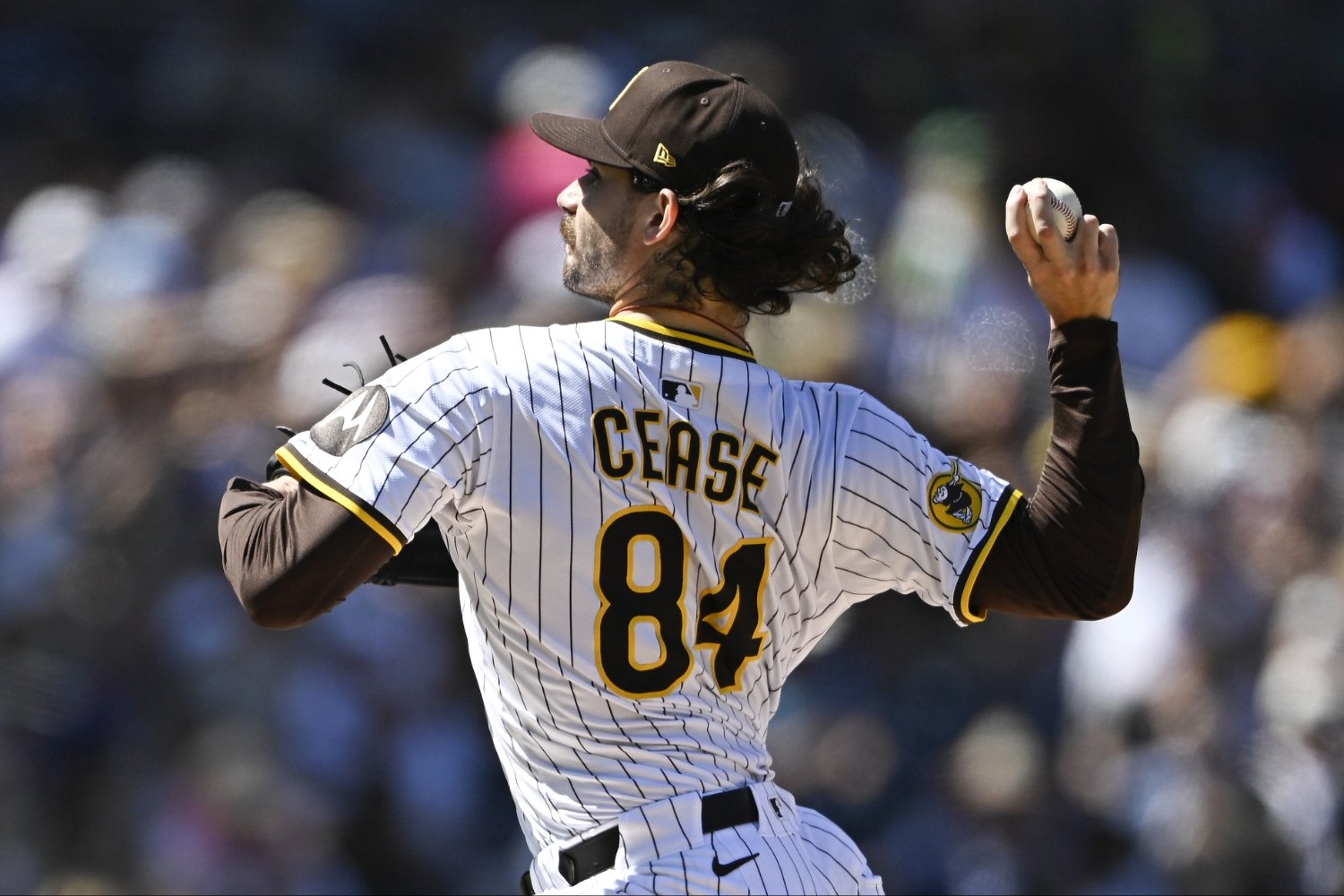 When a pitcher like Dylan Cease hits free agency, the real headache for his old team is figuring out how to fill that gap. The San Diego Padres’ main problem this winter isn’t Cease leaving; it’s that his unique skills, like missing bats and handling a solid workload, come with a hefty price tag. They don’t have anyone with a similar skill set coming up in their system, and the market has already set high prices for that type of talent. This limits how they can build their rotation for 2026 and the years after. The Dylan Cease Equation: Durability + Swing-and-Miss = Market Scarcity Cease's free-agent profile is a product of years of trends: teams now prefer to pay for inputs (like strikeout rates, pitch quality, and command) instead of outputs (like ERA and win totals). Following this reasoning, the right-hander's 2025 campaign does not cut his worth down, even though the lesser results do make him more of a risk to sign. No MLB starter has made more starts (174) since 2020 than Cease. He has had 200 strikeouts in five consecutive seasons, where he also was the league leader with the highest strikeouts per nine innings (11.5) this year. Even when his performance was inconsistent, his whiff rate on the slider and four-seam fastball were both well above average and both around the top quartile of MLB starters. He's got a lot of avenues to strike hitters out, and in today’s pitching economy, that’s a very safe investment. It is not his ERA that teams will buy. They'll pursue him because he gets rid of contact at a higher rate than nearly anyone in baseball and because he makes 32 starts every year without fail. You cannot find that internally unless you have drafted and developed a similar archetype, and the Padres haven’t done that. The Padres’ Structural Disadvantage The team has greatly reduced its payroll compared to the 2023-2024 levels, falling below the competitive balance tax. However, the rotation turnover created by Yu Darvish's surgery, Cease and Michael King's free agency, and the doubt about the organization's depth has left them with fewer arms to left cover innings in 2026. A team can’t replace 180 his innings with 180 innings from mid-tier arms and expect the same run prevention or strikeout leverage. Strikeout-heavy innings protect a defense, mitigate sequencing luck, and suppress contact quality. If the Padres opt for the route of signing several less expensive pitchers (think of second-tier pitchers who are good at getting weak contact) to take over Cease's innings, the club's run-prevention model will be entirely different. It might be the case that the total cost will be the same in a dollar sense, but the variance control will be lower and the performance delivered will also be lesser. It is easy to plan around 200 strikeouts per year; it's much harder to build around 170 innings of contact management. Why They’ll Pay Full Retail MLBTradeRumors projects Cease's next contract come in at seven years, worth $189 million; The Athletic’s Tim Britton slots him at six years for $174M. Adjusting for inflation and market scarcity, the difference is semantic—either number prices him as a top-10 pitcher by annual average value. That’s simply the going rate for a starter with elite “stuff” metrics (velocity, spin. whiff rate, etc.) and consistent availability. Front offices now align those data traits closely with future value and injury mitigation. If a team really wants to utilize a certain player’s talents, they will have to pay his market value, which could mean either signing him again or getting someone who is almost the same. The Padres can’t do anything to the established system unless they produce pitchers with similar characteristics through their own pipeline. However, at this moment in time, they do not have a pipeline like that. Lacking a developmental counterpart, they are confronted with nothing but a scarcity tax. It is through external acquisition that they get those skills, and every other team that bids will encounter the same lack. Even a “lower-tier” acquisition such as Aaron Civale or Jordan Montgomery is no longer inexpensive, as the demand for swing-and-miss profiles has increased along with the preference for stable workloads. Without elite infield defense or extreme run suppression on balls in play, the Padres can’t afford to lose strikeouts at scale. As such, the Padres’ decision tree looks straightforward but unforgiving. Either they: - Re-sign Cease and accept the payroll implications; - Buy a similar skillset elsewhere, likely at equivalent or higher cost; or - Degrade the rotation model, accepting lower strikeout density and higher performance volatility. None of these routes yield surplus value. The third might save dollars but risks undercutting the club’s run-prevention architecture. In effect, the team's best path forward is likely to foot the bill on a massive contract for Cease. It'll make future conversations uncomfortable, but for the sake of this competitive window, the Padres really don't have any other choice.
 -
When a pitcher like Dylan Cease hits free agency, the real headache for his old team is figuring out how to fill that gap. The San Diego Padres’ main problem this winter isn’t Cease leaving; it’s that his unique skills, like missing bats and handling a solid workload, come with a hefty price tag. They don’t have anyone with a similar skill set coming up in their system, and the market has already set high prices for that type of talent. This limits how they can build their rotation for 2026 and the years after. The Dylan Cease Equation: Durability + Swing-and-Miss = Market Scarcity Cease's free-agent profile is a product of years of trends: teams now prefer to pay for inputs (like strikeout rates, pitch quality, and command) instead of outputs (like ERA and win totals). Following this reasoning, the right-hander's 2025 campaign does not cut his worth down, even though the lesser results do make him more of a risk to sign. No MLB starter has made more starts (174) since 2020 than Cease. He has had 200 strikeouts in five consecutive seasons, where he also was the league leader with the highest strikeouts per nine innings (11.5) this year. Even when his performance was inconsistent, his whiff rate on the slider and four-seam fastball were both well above average and both around the top quartile of MLB starters. He's got a lot of avenues to strike hitters out, and in today’s pitching economy, that’s a very safe investment. It is not his ERA that teams will buy. They'll pursue him because he gets rid of contact at a higher rate than nearly anyone in baseball and because he makes 32 starts every year without fail. You cannot find that internally unless you have drafted and developed a similar archetype, and the Padres haven’t done that. The Padres’ Structural Disadvantage The team has greatly reduced its payroll compared to the 2023-2024 levels, falling below the competitive balance tax. However, the rotation turnover created by Yu Darvish's surgery, Cease and Michael King's free agency, and the doubt about the organization's depth has left them with fewer arms to left cover innings in 2026. A team can’t replace 180 his innings with 180 innings from mid-tier arms and expect the same run prevention or strikeout leverage. Strikeout-heavy innings protect a defense, mitigate sequencing luck, and suppress contact quality. If the Padres opt for the route of signing several less expensive pitchers (think of second-tier pitchers who are good at getting weak contact) to take over Cease's innings, the club's run-prevention model will be entirely different. It might be the case that the total cost will be the same in a dollar sense, but the variance control will be lower and the performance delivered will also be lesser. It is easy to plan around 200 strikeouts per year; it's much harder to build around 170 innings of contact management. Why They’ll Pay Full Retail MLBTradeRumors projects Cease's next contract come in at seven years, worth $189 million; The Athletic’s Tim Britton slots him at six years for $174M. Adjusting for inflation and market scarcity, the difference is semantic—either number prices him as a top-10 pitcher by annual average value. That’s simply the going rate for a starter with elite “stuff” metrics (velocity, spin. whiff rate, etc.) and consistent availability. Front offices now align those data traits closely with future value and injury mitigation. If a team really wants to utilize a certain player’s talents, they will have to pay his market value, which could mean either signing him again or getting someone who is almost the same. The Padres can’t do anything to the established system unless they produce pitchers with similar characteristics through their own pipeline. However, at this moment in time, they do not have a pipeline like that. Lacking a developmental counterpart, they are confronted with nothing but a scarcity tax. It is through external acquisition that they get those skills, and every other team that bids will encounter the same lack. Even a “lower-tier” acquisition such as Aaron Civale or Jordan Montgomery is no longer inexpensive, as the demand for swing-and-miss profiles has increased along with the preference for stable workloads. Without elite infield defense or extreme run suppression on balls in play, the Padres can’t afford to lose strikeouts at scale. As such, the Padres’ decision tree looks straightforward but unforgiving. Either they: - Re-sign Cease and accept the payroll implications; - Buy a similar skillset elsewhere, likely at equivalent or higher cost; or - Degrade the rotation model, accepting lower strikeout density and higher performance volatility. None of these routes yield surplus value. The third might save dollars but risks undercutting the club’s run-prevention architecture. In effect, the team's best path forward is likely to foot the bill on a massive contract for Cease. It'll make future conversations uncomfortable, but for the sake of this competitive window, the Padres really don't have any other choice. View full article
-
 The most straightforward interpretation of the San Diego Padres' decision to hire Craig Stammen as manager is to focus on stability. Don't consider how MLB teams have traditionally hired managers; rather, think of the Padres' position today. They want to keep a high-value competitive window open by reducing organizational friction and maintaining the processes that led to back-to-back 90-win seasons. The proof for the hiring is quite simple: The team promoted a reliable, in-house operator who has deep connections with the players and the front office, with the intention of keeping the coaching continuity around him. What Stammen actually brings to the job The traditional criticism of Stammen is that he's a first-time manager. This is a fact when looking strictly at his track record, but it overlooks an important point: he already has a network of trust within the organization that can cut down the risk of turning front office plans into daily managerial decisions. In the capacity of a special assistant, Stammen performed three activities that contributed to the generation of operational capital: - He collaborated with minor league pitchers and player development staff. - He was a confidant for the present major league pitchers. - He took part in front-office decision-making meetings (such as draft and trade deadline conversations). Those functions produced two effects which can be quantified. First, there's an internalization of the Padres’ decision rules concerning pitcher workloads, roster flexibility and development priorities. Second, he's a noted communicator who can help harmonize the gaps between the analytics department and the clubhouse. The short-run volatility of new hires is one of the main differences between an outside hire and an internal one; internal hires manage to shorten feedback loops and reduce at least some of the costs of coordination during the first season of leadership. It is usually the case that with a roster built for immediate contention, stability and rapport are as important as any intangible an outside voice can bring to the fold. The Padres’ stated baseline was “maintain what’s working,” which makes short-run stability the dominant objective. How San Diego structurally mitigated the “inexperience” risk Promoting an insider without pre-existing managerial experience demands explicit risk-reduction strategies. The Padres have already suggested they would keep experienced pitching-room leadership in place. Pitching coach Ruben Niebla was a finalist for the position and is expected to remain as a prominent voice with pitchers, and Ben Fritz is being retained in the role of bullpen coach, so those jobs will be anchored by experienced deputies. This effectively minimizes the likelihood that Stammen's inexperience with the job will lead to catastrophic in-game mistakes. Stammen's previous job afforded him exposure to the decision-making processes that occur inside the front office (which metrics to use, how to weigh advanced metrics versus actual production, etc.). Since he already shares the front office's mental model, there shouldn't be too many periods of disagreement between himself and the team's top brass. The Padres may prefer continuity, but it's also important to remember that too much of it can lead to complacency and cause blind spots. Wins and losses are the ultimate judge of a manager, but there will be smaller, beyond-the-box-score hints at whether or not San Diego made the right call. Early indicators to watch in Stammen's Tenure If you want to test whether the Padres’ bet is paying off, watch a small set of high-signal metrics and decision behaviors rather than wins alone. First, early-season variance in pitcher usage relative to 2024–25 norms should prove fascinating. Will starters and relievers see abrupt changes to their workload? Or will Stammen, a former MLB pitcher in his own right, be willing to keep the status quo? In addition, the frequency and timing of front-office interventions (trade activity or clear mid-season role reassignment) will be a key tell. Preller likely didn't bring Stammen aboard just to steamroll him, but if the roster is constantly shuffling, that may point to so overcorrection for a rookie manager. Likewise, pay attention to in-game decision distributions (lineup stability, pinch-hitting frequency, bullpen leverage matching) relative to league medians; large deviations in either direction indicate whether Stammen is conservatively executing or over-correcting. These operational signals will reveal whether the hire reduced friction as intended, or whether it simply deferred hard choices until the club’s errors became more costly. Stammen’s value is not reducible to “he’s inexperienced” or “he’s a clubhouse leader”; it is the sum of his operational capital, the organization’s capacity to staff around him, and the need to maintain stability during a championship window.
 -
The most straightforward interpretation of the San Diego Padres' decision to hire Craig Stammen as manager is to focus on stability. Don't consider how MLB teams have traditionally hired managers; rather, think of the Padres' position today. They want to keep a high-value competitive window open by reducing organizational friction and maintaining the processes that led to back-to-back 90-win seasons. The proof for the hiring is quite simple: The team promoted a reliable, in-house operator who has deep connections with the players and the front office, with the intention of keeping the coaching continuity around him. What Stammen actually brings to the job The traditional criticism of Stammen is that he's a first-time manager. This is a fact when looking strictly at his track record, but it overlooks an important point: he already has a network of trust within the organization that can cut down the risk of turning front office plans into daily managerial decisions. In the capacity of a special assistant, Stammen performed three activities that contributed to the generation of operational capital: - He collaborated with minor league pitchers and player development staff. - He was a confidant for the present major league pitchers. - He took part in front-office decision-making meetings (such as draft and trade deadline conversations). Those functions produced two effects which can be quantified. First, there's an internalization of the Padres’ decision rules concerning pitcher workloads, roster flexibility and development priorities. Second, he's a noted communicator who can help harmonize the gaps between the analytics department and the clubhouse. The short-run volatility of new hires is one of the main differences between an outside hire and an internal one; internal hires manage to shorten feedback loops and reduce at least some of the costs of coordination during the first season of leadership. It is usually the case that with a roster built for immediate contention, stability and rapport are as important as any intangible an outside voice can bring to the fold. The Padres’ stated baseline was “maintain what’s working,” which makes short-run stability the dominant objective. How San Diego structurally mitigated the “inexperience” risk Promoting an insider without pre-existing managerial experience demands explicit risk-reduction strategies. The Padres have already suggested they would keep experienced pitching-room leadership in place. Pitching coach Ruben Niebla was a finalist for the position and is expected to remain as a prominent voice with pitchers, and Ben Fritz is being retained in the role of bullpen coach, so those jobs will be anchored by experienced deputies. This effectively minimizes the likelihood that Stammen's inexperience with the job will lead to catastrophic in-game mistakes. Stammen's previous job afforded him exposure to the decision-making processes that occur inside the front office (which metrics to use, how to weigh advanced metrics versus actual production, etc.). Since he already shares the front office's mental model, there shouldn't be too many periods of disagreement between himself and the team's top brass. The Padres may prefer continuity, but it's also important to remember that too much of it can lead to complacency and cause blind spots. Wins and losses are the ultimate judge of a manager, but there will be smaller, beyond-the-box-score hints at whether or not San Diego made the right call. Early indicators to watch in Stammen's Tenure If you want to test whether the Padres’ bet is paying off, watch a small set of high-signal metrics and decision behaviors rather than wins alone. First, early-season variance in pitcher usage relative to 2024–25 norms should prove fascinating. Will starters and relievers see abrupt changes to their workload? Or will Stammen, a former MLB pitcher in his own right, be willing to keep the status quo? In addition, the frequency and timing of front-office interventions (trade activity or clear mid-season role reassignment) will be a key tell. Preller likely didn't bring Stammen aboard just to steamroll him, but if the roster is constantly shuffling, that may point to so overcorrection for a rookie manager. Likewise, pay attention to in-game decision distributions (lineup stability, pinch-hitting frequency, bullpen leverage matching) relative to league medians; large deviations in either direction indicate whether Stammen is conservatively executing or over-correcting. These operational signals will reveal whether the hire reduced friction as intended, or whether it simply deferred hard choices until the club’s errors became more costly. Stammen’s value is not reducible to “he’s inexperienced” or “he’s a clubhouse leader”; it is the sum of his operational capital, the organization’s capacity to staff around him, and the need to maintain stability during a championship window. View full article
-
The San Diego Padres’ 2026 financial outlook is the product of a carefully engineered correction after years of excess. The team's payroll reached a high of $256 million in 2023 and is projected to decrease to around $210 million in 2026, still ranking in the top 10 in the MLB, but more in line with operational sustainability. The current payroll projection of roughly $166 million includes long-term guarantees for Manny Machado, Xander Bogaerts, and Fernando Tatis Jr., as well as arbitration placeholders. By comparison, that figure is a 21% cut from 2025 and a 35% cut from 2023. The flex it gives is increased by expiring commitments: Luis Arraez ($14 million), Dylan Cease ($13.75 million), Michael King ($7.75 million), and Robert Suarez ($10 million) are all off the books. Based on the competitive balance tax measures, the Padres are now estimated to be approximately $37-40 million short of the 2026 threshold, not including any possible $16 million in savings if Yu Darvish retires. Darvish has a six-year, $108 million extension in 2023 and is owed $15 million in 2026. If he declines or retires, his contract would be cut loose, and the team would have $16 million to spend on the lineup. That void effectively becomes a resource buffer, capital that can be reallocated to upgrades without violating tax restrictions or restricting midseason flexibility. The Link Between Payroll Optimization and Run Creation The principal thesis is that the Padres' most obvious performance deficit is power generation. In 2025, San Diego was ranked 28th in home runs; their 152 home runs were near the bottom of the league. That is in sharp contrast to high-scoring sluggers like the Yankees, who led MLB in 274 HR (1.69 per game). On the offensive side, the Padres also ranked 18th in runs scored. Their team triple slash was .252/.321/.390. That SLG (.390) is modest, and their ISO is really low by comparison, indicating a weak power element in their offense. However, his HR/AB rate fell relative to historical trends. To others, Tatis, Merrill, Bogaerts, and the decrease in the number of home runs relative to previous talent peaks brought home the scarcity of team power even more. But in the postseason, variance goes down. A lineup that cannot produce launch-angle hits or barrels faces a structural ceiling. From a mechanical perspective, a team that can increase its ISO or home run rate even slightly can gain vastly more run expectancy, particularly in tight games. Thus, adding 20-30 home runs over the course of a season could make all the difference and swing the balance in a season. Reallocation Scenarios & Marginal Return Modeling The Padres could release $20-30 million in usable payroll with Darvish off the books (or restructured), and other departures realized. The fundamental problem is how to spend that budget to create the most marginal run in relation to the dollar. Maybe spend $12–15 million on a mid-tier slugger (e.g., a two-win power bat), then preserve flexibility for a midseason trade. If that bat yields ~25 HR and ~60–70 runs created above replacement level, the marginal computations indicate a positive return. Compare this to keeping Darvish; his declining utility as an aging arm will likely bring half a win or less, yet cost $15 million. The net opportunity cost is negative, particularly in playoff situations where offensive potential surpasses pitching depth decline in marginal innings. The purchase of existing power generation reduces the risk of loss in the coming years, when Machado/Bogaerts might backslide. The departure of high-cost pitchers creates a unique opportunity to shift money directly into the deficiency that has limited their growth potential: power generation. View full article
-
 The San Diego Padres’ 2026 financial outlook is the product of a carefully engineered correction after years of excess. The team's payroll reached a high of $256 million in 2023 and is projected to decrease to around $210 million in 2026, still ranking in the top 10 in the MLB, but more in line with operational sustainability. The current payroll projection of roughly $166 million includes long-term guarantees for Manny Machado, Xander Bogaerts, and Fernando Tatis Jr., as well as arbitration placeholders. By comparison, that figure is a 21% cut from 2025 and a 35% cut from 2023. The flex it gives is increased by expiring commitments: Luis Arraez ($14 million), Dylan Cease ($13.75 million), Michael King ($7.75 million), and Robert Suarez ($10 million) are all off the books. Based on the competitive balance tax measures, the Padres are now estimated to be approximately $37-40 million short of the 2026 threshold, not including any possible $16 million in savings if Yu Darvish retires. Darvish has a six-year, $108 million extension in 2023 and is owed $15 million in 2026. If he declines or retires, his contract would be cut loose, and the team would have $16 million to spend on the lineup. That void effectively becomes a resource buffer, capital that can be reallocated to upgrades without violating tax restrictions or restricting midseason flexibility. The Link Between Payroll Optimization and Run Creation The principal thesis is that the Padres' most obvious performance deficit is power generation. In 2025, San Diego was ranked 28th in home runs; their 152 home runs were near the bottom of the league. That is in sharp contrast to high-scoring sluggers like the Yankees, who led MLB in 274 HR (1.69 per game). On the offensive side, the Padres also ranked 18th in runs scored. Their team triple slash was .252/.321/.390. That SLG (.390) is modest, and their ISO is really low by comparison, indicating a weak power element in their offense. However, his HR/AB rate fell relative to historical trends. To others, Tatis, Merrill, Bogaerts, and the decrease in the number of home runs relative to previous talent peaks brought home the scarcity of team power even more. But in the postseason, variance goes down. A lineup that cannot produce launch-angle hits or barrels faces a structural ceiling. From a mechanical perspective, a team that can increase its ISO or home run rate even slightly can gain vastly more run expectancy, particularly in tight games. Thus, adding 20-30 home runs over the course of a season could make all the difference and swing the balance in a season. Reallocation Scenarios & Marginal Return Modeling The Padres could release $20-30 million in usable payroll with Darvish off the books (or restructured), and other departures realized. The fundamental problem is how to spend that budget to create the most marginal run in relation to the dollar. Maybe spend $12–15 million on a mid-tier slugger (e.g., a two-win power bat), then preserve flexibility for a midseason trade. If that bat yields ~25 HR and ~60–70 runs created above replacement level, the marginal computations indicate a positive return. Compare this to keeping Darvish; his declining utility as an aging arm will likely bring half a win or less, yet cost $15 million. The net opportunity cost is negative, particularly in playoff situations where offensive potential surpasses pitching depth decline in marginal innings. The purchase of existing power generation reduces the risk of loss in the coming years, when Machado/Bogaerts might backslide. The departure of high-cost pitchers creates a unique opportunity to shift money directly into the deficiency that has limited their growth potential: power generation.
 -
The Padres have a problem that is very unusual in the postseason: a lineup constructed to display its Achilles' heel. The left-handed power and the switch-hitter of the Chicago Cubs present a strategic dilemma. The Cubs' Core Strength: Busch, Hoerner, Happ, Tucker The four best Chicago hitters (including three lefties: Busch, Hoerner, Tucker, and a switch-hitter, Happ) give any pitching staff a frightening front. A short series of numbers indicates why they pose such a danger to San Diego. Michael Busch has been particularly nasty against right-handed pitchers. In 2025, his statistics against righties are a .261 Batting Average, .343 On-Base Percentage, .523 Slugging Percentage, and .866 OPS. The performance is well above average, showcasing his strong plate discipline and power. Per Baseball Savant, Busch hits an average exit velocity of 92.2 mph, a hard-hit rate of 47.3%, and a barrel rate of 17.1% so far this season. Against lefties, Busch is less dangerous: in 86 at-bats against lefties, he hit .207/.274/.368. Nico Hoerner, though less flashy in pure slugging, drives contact and forces pitchers to execute. He doesn’t strike out often and has elite hand-eye skills that can prolong counts, a dangerous trait in postseason games where fatigue and matchups matter. Ian Happ, also from the left side, brings consistent power and is difficult to neutralize even with shifting or a glove-heavy alignment. Kyle Tucker, when healthy, is one of the best lefty power threats in the league; his power tools make him a swing-and-miss bat for many starters. The structure of that group means Padres' staff must either neutralize lefties (a problematic spot for them) or force the Cubs into less potent matchups. Either outcome is a tightrope walk for the Padres. Padres’ Roster Tilt and Why the Imbalance Matters The Padres' rotation is almost entirely right-handed. Their bullpen, while deep and elite, does not offer a large arsenal of left-handed relief arms. Adrian Morejon stands out as the only trustworthy southpaw option. In 2025, Morejon was outstanding: in 75 appearances, he posted a 2.08 ERA with a 0.90 WHIP. But even Morejon will be taxed in a multi-game series if he must repeatedly face Chicago’s top hitters (Busch or Tucker) in key innings. Beyond him, the Padres have Mason Miller, who has struck out a high percentage of batters; however, as a right-handed pitcher, he is vulnerable to the left-handed Cubs lineup. Miller’s 2025 was a 2.63 ERA and incredible strikeout totals. The Cubs’ bullpen has also improved dramatically over the course of the season. Their second-half strikeout rate jumped from one of the worst to one of the better ones in MLB. The Cubs may bring multiple lefty options out of the pen. The Padres’ limited lefty depth means matchup flexibility is constrained; they may be forced into less-than-ideal cross-match scenarios. Furthermore, in a recent projection, FanGraphs’ “54 Outs to Freedom” preview highlighted how differently the two bullpens performed in high leverage. The Padres’ bullpen posted among the best metrics in the league, while the Cubs, despite earlier struggles, had shown significant improvement. That suggests that while the Padres’ relievers are capable of excelling, the Cubs’ improved bullpen hints at an advantage, especially when Chicago’s top order is giving them chances. When and How the Cubs’ Top Order Can Inflict Damage In a short series, execution and sequencing are magnified. The Cubs can turn much of the matchup battle into a chess game. When a Cubs starter hands the baton to their pen, the possibility of bringing in a left-handed reliever to face Busch or Tucker looms. That forces the Padres to decide: do you make a call to the pen for the matchup? Do you burn your own lefty (Morejon) early? Or do you stick with your regular relievers and risk handing over platoon advantage? The Cubs can also manipulate which hitters see which relievers. Busch, operating from the left side, will usually start against right-handers; however, with switchable options, Chicago can adjust their order to avoid undesired matchups. Happ in the 3/4 hole is a safety valve: even if the Padres manage to neutralize Busch or Hoerner temporarily, Happ ensures that the pressure continues before Tucker reappears. For San Diego, the levers are limited. One option is to stretch starters, riding Pivetta, Cease, or Darvish deeper into games to avoid exposing the bottom of the bullpen. But that strategy risks fatigue or explosion if the third time through the order goes poorly, as it did in game one on Tuesday. Another option is to “front-load” Morejon, or even consider using lefty sooner than ideal, sacrificing flexibility. But that might open holes later in the game for Chicago to exploit. The Cubs’ top four hitters are not just good, they are structurally dangerous for San Diego. Busch’s elite splits against righties, Hoerner’s contact and consistency, Happ’s switch versatility, and Tucker’s left-handed power collectively force San Diego into an unfavorable strategic posture. The Cubs can force expensive choices, either burn Morejon early, overextend starters, or accept platoon disadvantages. Meanwhile, Chicago’s bullpen, having improved in the second half, is no longer a liability that San Diego can reliably exploit. View full article
-
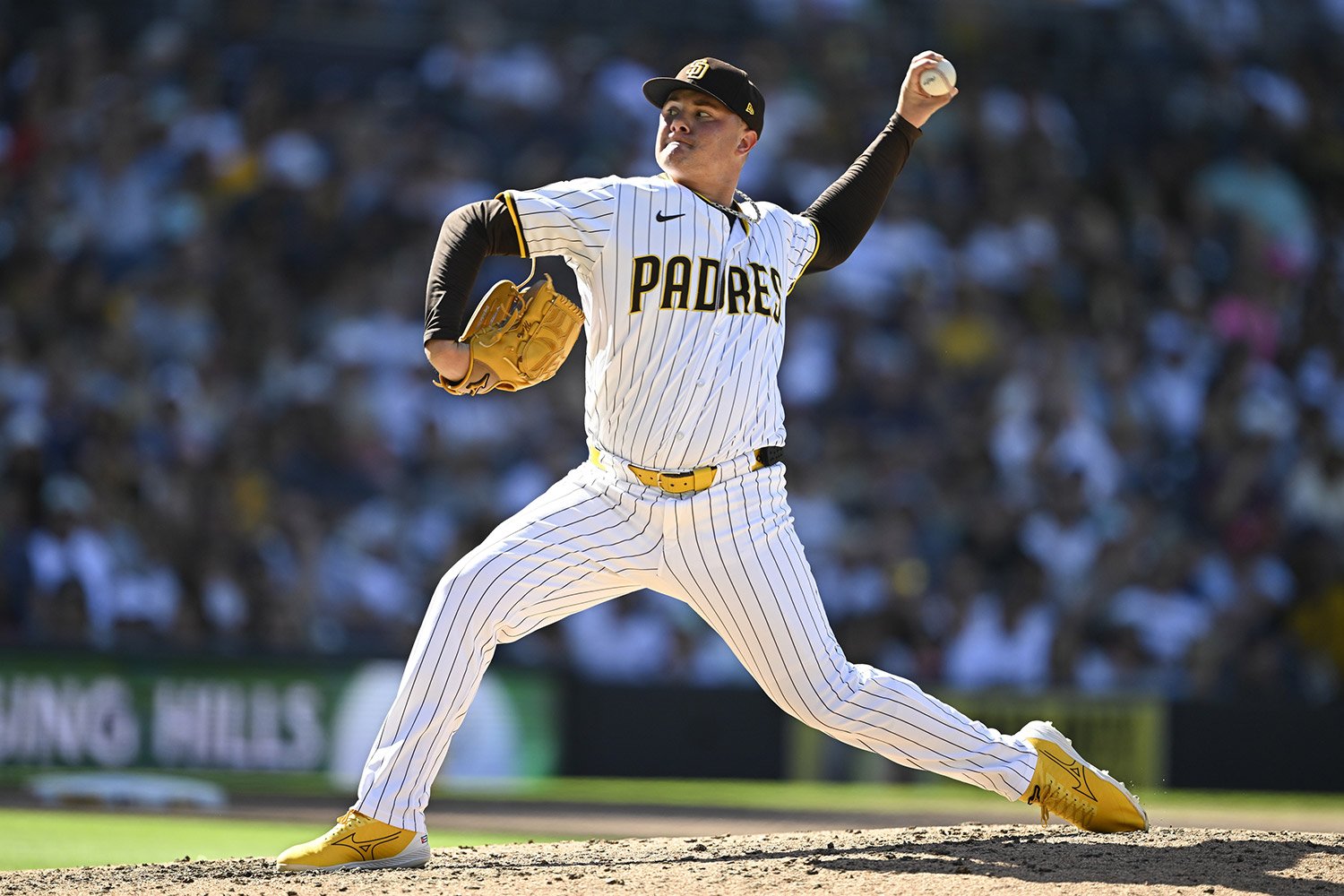 The Padres have a problem that is very unusual in the postseason: a lineup constructed to display its Achilles' heel. The left-handed power and the switch-hitter of the Chicago Cubs present a strategic dilemma. The Cubs' Core Strength: Busch, Hoerner, Happ, Tucker The four best Chicago hitters (including three lefties: Busch, Hoerner, Tucker, and a switch-hitter, Happ) give any pitching staff a frightening front. A short series of numbers indicates why they pose such a danger to San Diego. Michael Busch has been particularly nasty against right-handed pitchers. In 2025, his statistics against righties are a .261 Batting Average, .343 On-Base Percentage, .523 Slugging Percentage, and .866 OPS. The performance is well above average, showcasing his strong plate discipline and power. Per Baseball Savant, Busch hits an average exit velocity of 92.2 mph, a hard-hit rate of 47.3%, and a barrel rate of 17.1% so far this season. Against lefties, Busch is less dangerous: in 86 at-bats against lefties, he hit .207/.274/.368. Nico Hoerner, though less flashy in pure slugging, drives contact and forces pitchers to execute. He doesn’t strike out often and has elite hand-eye skills that can prolong counts, a dangerous trait in postseason games where fatigue and matchups matter. Ian Happ, also from the left side, brings consistent power and is difficult to neutralize even with shifting or a glove-heavy alignment. Kyle Tucker, when healthy, is one of the best lefty power threats in the league; his power tools make him a swing-and-miss bat for many starters. The structure of that group means Padres' staff must either neutralize lefties (a problematic spot for them) or force the Cubs into less potent matchups. Either outcome is a tightrope walk for the Padres. Padres’ Roster Tilt and Why the Imbalance Matters The Padres' rotation is almost entirely right-handed. Their bullpen, while deep and elite, does not offer a large arsenal of left-handed relief arms. Adrian Morejon stands out as the only trustworthy southpaw option. In 2025, Morejon was outstanding: in 75 appearances, he posted a 2.08 ERA with a 0.90 WHIP. But even Morejon will be taxed in a multi-game series if he must repeatedly face Chicago’s top hitters (Busch or Tucker) in key innings. Beyond him, the Padres have Mason Miller, who has struck out a high percentage of batters; however, as a right-handed pitcher, he is vulnerable to the left-handed Cubs lineup. Miller’s 2025 was a 2.63 ERA and incredible strikeout totals. The Cubs’ bullpen has also improved dramatically over the course of the season. Their second-half strikeout rate jumped from one of the worst to one of the better ones in MLB. The Cubs may bring multiple lefty options out of the pen. The Padres’ limited lefty depth means matchup flexibility is constrained; they may be forced into less-than-ideal cross-match scenarios. Furthermore, in a recent projection, FanGraphs’ “54 Outs to Freedom” preview highlighted how differently the two bullpens performed in high leverage. The Padres’ bullpen posted among the best metrics in the league, while the Cubs, despite earlier struggles, had shown significant improvement. That suggests that while the Padres’ relievers are capable of excelling, the Cubs’ improved bullpen hints at an advantage, especially when Chicago’s top order is giving them chances. When and How the Cubs’ Top Order Can Inflict Damage In a short series, execution and sequencing are magnified. The Cubs can turn much of the matchup battle into a chess game. When a Cubs starter hands the baton to their pen, the possibility of bringing in a left-handed reliever to face Busch or Tucker looms. That forces the Padres to decide: do you make a call to the pen for the matchup? Do you burn your own lefty (Morejon) early? Or do you stick with your regular relievers and risk handing over platoon advantage? The Cubs can also manipulate which hitters see which relievers. Busch, operating from the left side, will usually start against right-handers; however, with switchable options, Chicago can adjust their order to avoid undesired matchups. Happ in the 3/4 hole is a safety valve: even if the Padres manage to neutralize Busch or Hoerner temporarily, Happ ensures that the pressure continues before Tucker reappears. For San Diego, the levers are limited. One option is to stretch starters, riding Pivetta, Cease, or Darvish deeper into games to avoid exposing the bottom of the bullpen. But that strategy risks fatigue or explosion if the third time through the order goes poorly, as it did in game one on Tuesday. Another option is to “front-load” Morejon, or even consider using lefty sooner than ideal, sacrificing flexibility. But that might open holes later in the game for Chicago to exploit. The Cubs’ top four hitters are not just good, they are structurally dangerous for San Diego. Busch’s elite splits against righties, Hoerner’s contact and consistency, Happ’s switch versatility, and Tucker’s left-handed power collectively force San Diego into an unfavorable strategic posture. The Cubs can force expensive choices, either burn Morejon early, overextend starters, or accept platoon disadvantages. Meanwhile, Chicago’s bullpen, having improved in the second half, is no longer a liability that San Diego can reliably exploit.
 -
Kyle Hart's performance this season shows his worth. So far in 2025, he's got a strikeout rate of 21.0% and a walk rate of 5.4%, giving him a K-BB% of 15.6%. That gap is a clear and reliable shorthand for how frequently Hart changes plate appearances into positive outcomes (strikeouts) rather than longer, riskier ones (walks). The same dataset also indicates that Hart’s ERA (5.27) is higher than his expected numbers (xERA 3.39), implying that the actual results have been worse than the underlying process. What makes that season K-BB% stand out is what Hart has done since he’s been primarily used in short relief. In his last seven games, he threw 8 2/3 innings, struck out 14 batters, and only walked two, leading to a 14:2 K:BB ratio (7.0 K/BB) during that stretch, with a 0.69 WHIP. Changing that brief run into rate stats gives us roughly 15.37 K/9 and 2.20 BB/9 for that period, which are top-tier numbers for relievers and highlight a major shift in how he’s been going after hitters. Hart relies heavily on a mix of pitches, using a sweeper, sinker, and four-seamer; this season, the sweeper makes up about a third of what he throws. This focus on the sweeper is because it has produced noticeable run value and a high whiff rate. With its positive run value and above-average whiff rate, it serves as a genuine putaway pitch. In short relief outings, Hart employs a tighter, more focused set of pitches, beginning with the four-seamer and ending with the sweeper. This approach helps transform swinging strikes into strikeouts while limiting walks. There are two clear changes that align with his improved K-BB stats. Firstly, Hart's fastball and overall velocity increased when he began pitching in shorter stints; the team's internal reviews and public profiles of his relief efforts indicate a rise in average fastball velocity and a notable improvement in movement on the sweeper. Next up, the sweeper has proven to be productive, boasting a positive pitch run value and a high whiff rate that sheds light on where many of those strikeouts originate. Those two tweaks, more power on the fastball and a crisper breaking ball, are the standard way to transition from a mediocre starter to a reliable reliever. A reliever with Hart’s short-term K:BB numbers accomplishes two things right off the bat: he minimizes variance by not giving up free passes, and he produces swing-and-miss results that help finish innings quicker. When it comes to postseason talk, that's just the sort of bridge work that ensures the top arms are available for the most critical situations. Hart’s season surface stats (especially ERA and certain hard-contact metrics) reveal weaknesses when hitters make solid contact. His barrel and hard-hit percentages are significant, and a couple of ill-timed home runs have boosted his ERA compared to his xERA. Thanks to Hart's command and his putaway pitch, he avoids trouble most of the time, but when it does happen, it can hit hard. To put it another way, his low walk rates and good swing-and-miss stats keep him consistent, but the hard contact he allows is the risky element that can turn a critical moment upside down in no time. The metrics (xERA lower than ERA, positive sweeper run value, and whiff rate) indicate that the recent improvements aren't just a matter of luck. However, the hard-contact metrics and home-run vulnerability are the main factors limiting the ability to project a high-leverage role. The Padres are getting value from Hart by utilizing him in short, specialized appearances where his velocity and sweeper can be effectively used. In this capacity, he minimizes leverage volatility, allowing the best relievers to have cleaner innings later on. View full article
-
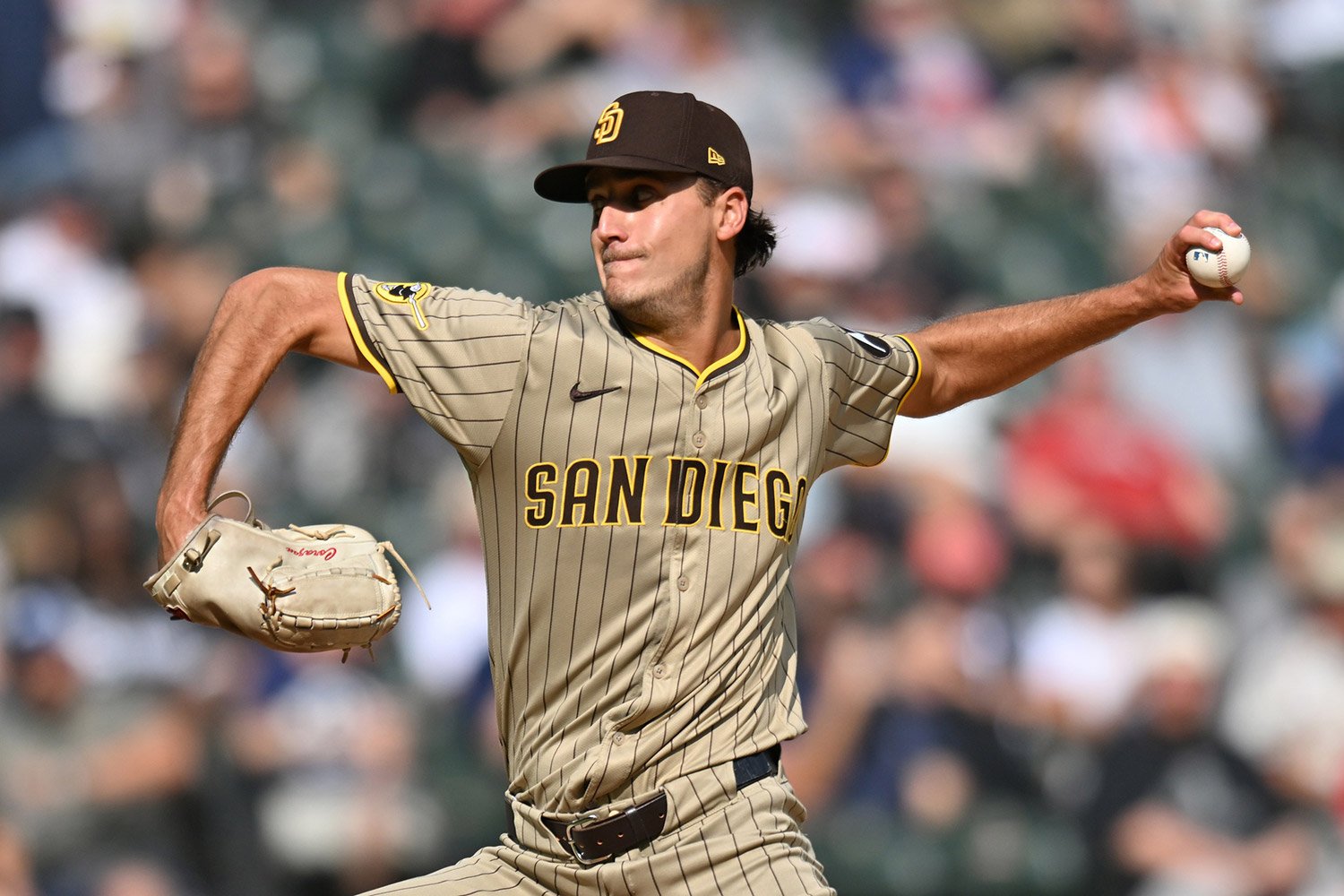 Kyle Hart's performance this season shows his worth. So far in 2025, he's got a strikeout rate of 21.0% and a walk rate of 5.4%, giving him a K-BB% of 15.6%. That gap is a clear and reliable shorthand for how frequently Hart changes plate appearances into positive outcomes (strikeouts) rather than longer, riskier ones (walks). The same dataset also indicates that Hart’s ERA (5.27) is higher than his expected numbers (xERA 3.39), implying that the actual results have been worse than the underlying process. What makes that season K-BB% stand out is what Hart has done since he’s been primarily used in short relief. In his last seven games, he threw 8 2/3 innings, struck out 14 batters, and only walked two, leading to a 14:2 K:BB ratio (7.0 K/BB) during that stretch, with a 0.69 WHIP. Changing that brief run into rate stats gives us roughly 15.37 K/9 and 2.20 BB/9 for that period, which are top-tier numbers for relievers and highlight a major shift in how he’s been going after hitters. Hart relies heavily on a mix of pitches, using a sweeper, sinker, and four-seamer; this season, the sweeper makes up about a third of what he throws. This focus on the sweeper is because it has produced noticeable run value and a high whiff rate. With its positive run value and above-average whiff rate, it serves as a genuine putaway pitch. In short relief outings, Hart employs a tighter, more focused set of pitches, beginning with the four-seamer and ending with the sweeper. This approach helps transform swinging strikes into strikeouts while limiting walks. There are two clear changes that align with his improved K-BB stats. Firstly, Hart's fastball and overall velocity increased when he began pitching in shorter stints; the team's internal reviews and public profiles of his relief efforts indicate a rise in average fastball velocity and a notable improvement in movement on the sweeper. Next up, the sweeper has proven to be productive, boasting a positive pitch run value and a high whiff rate that sheds light on where many of those strikeouts originate. Those two tweaks, more power on the fastball and a crisper breaking ball, are the standard way to transition from a mediocre starter to a reliable reliever. A reliever with Hart’s short-term K:BB numbers accomplishes two things right off the bat: he minimizes variance by not giving up free passes, and he produces swing-and-miss results that help finish innings quicker. When it comes to postseason talk, that's just the sort of bridge work that ensures the top arms are available for the most critical situations. Hart’s season surface stats (especially ERA and certain hard-contact metrics) reveal weaknesses when hitters make solid contact. His barrel and hard-hit percentages are significant, and a couple of ill-timed home runs have boosted his ERA compared to his xERA. Thanks to Hart's command and his putaway pitch, he avoids trouble most of the time, but when it does happen, it can hit hard. To put it another way, his low walk rates and good swing-and-miss stats keep him consistent, but the hard contact he allows is the risky element that can turn a critical moment upside down in no time. The metrics (xERA lower than ERA, positive sweeper run value, and whiff rate) indicate that the recent improvements aren't just a matter of luck. However, the hard-contact metrics and home-run vulnerability are the main factors limiting the ability to project a high-leverage role. The Padres are getting value from Hart by utilizing him in short, specialized appearances where his velocity and sweeper can be effectively used. In this capacity, he minimizes leverage volatility, allowing the best relievers to have cleaner innings later on.
 -
The San Diego Padres gave Manny Machado a day off on September 14, in their final game against the Colorado Rockies. This decision came after a poor performance in recent games and the team's efforts to manage player well-being as they compete in a tight playoff series. Every game counts, you know? One of the Padres' primary hitters, Machado, has played in every game this season thus far. That's a lot of games, and as September rolls by, you definitely start to feel the wear and tear. To be honest, Machado hasn't been very good for the last month. In addition, Luis Arraez, usually a high-contact hitter with a high OBP, was forced to miss the game after being hit in the face while warming up. This was supposed to be a temporary move, which meant the Padres were left missing their second and third hitters in the lineup. So: high stakes; Machado slumping; two key lineup pieces out. In most teams, that would contract run production. How the Padres Filled the Gap In the game without Machado and Arraez, the Padres' offense managed to score runs using different complementary methods. Here are the key strategies: Small Ball & Bunt Hits to Set the Tone At the beginning of the game, the Padres relied on small-ball tactics. In the first inning, they managed to get some bunt singles from Jackson Merrill and Jake Cronenworth, which helped them to score. These kinds of plays do two things: they take advantage of opportunities for hits, get the defense off their game, and run up their score when hitting home runs is not possible. These bunts are quite something to talk about, especially with Arraez being out and known for getting on base and creating scoring opportunities. It's great to see those players who don't necessarily do all those 'manufactured hits' come up big. Opposite-Field Power and Timely Long Balls While the small ball dominated, the offense was not timid with power when the ball was hit well. In the second inning, Jackson Merrill hit a three-run homer to left-center to give the Padres a good early lead. Timely Contact, Multiple Hitters, Depth Besides the bunts and home runs, the lineup consistently was hitting well. Fernando Tatis Jr. recorded multiple hits (three in this game), which not only led to runs being scored but also prolonged the duration of innings, forced pitchers to make errors or adjustments, and kept the offense in motion. Filling in for Machado at third base, Jose Iglesias registered two hits. In the eighth, Gavin Sheets hit a key insurance double. All in all, five Padres had more than one hit. So, it wasn't that the run production was concentrated in a single star player; it was distributed throughout the lineup. Bullpen Strain and How the Offense Made Up for It Starter Yu Darvish exited the game with a six-run lead, but the Rockies began to chip away, narrowing the score to 7-6 by the seventh inning. That strong early showing acted as a cushion. Considering Machado's recent struggles, this break might also help him refresh both mentally and physically. Non-star players such as Iglesias, Sheets, Merrill, and Cronenworth stepping in is super important. Teams that lean too much on their top hitters can find themselves in a tough spot when those hitters are struggling or not in the lineup. When home runs are scarce, focusing on small ball, making contact, utilizing speed, and hitting for the situation becomes essential. On the other hand, when power is present (like Merrill's dinger), knowing how to capitalize on it is crucial. A team that can switch up its style is more durable. Establishing a lead early on gives you some wiggle room, especially with the unpredictability of bullpens. It allows starters to leave the game while still maintaining the lead and keeps the bullpen from being overworked. The early bunts and small ball tactics in this game helped create a 7-0 lead, which provided a cushion when things got a bit tight. That said, there are some things to consider: while this game revealed a lot, achieving consistency proves to be more challenging. When going up against stronger teams, when Machaco or Arraez are needed, or if the bullpen struggles with little margin for error, it will really put this “multi-way run production” concept to the test. View full article
-
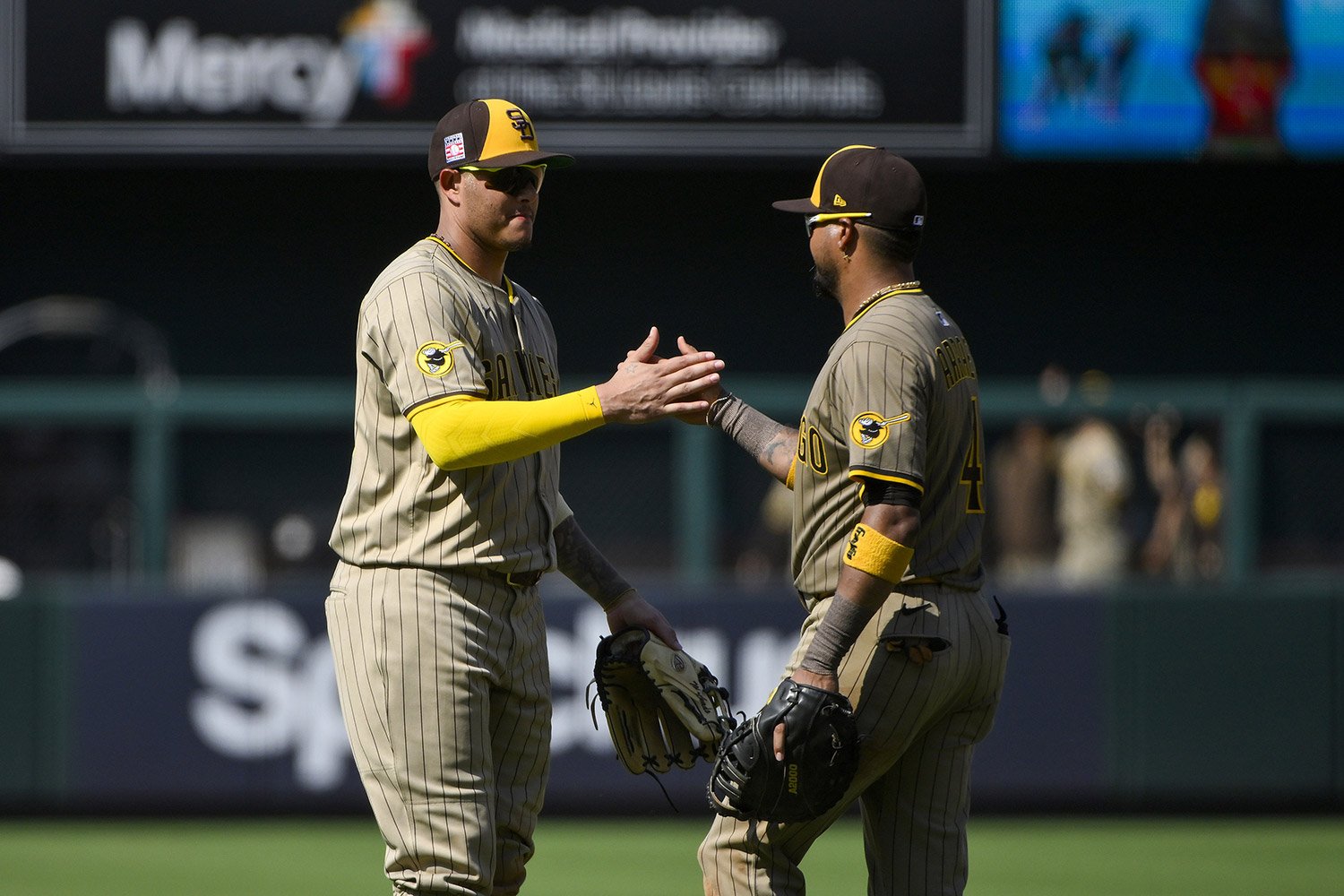 The San Diego Padres gave Manny Machado a day off on September 14, in their final game against the Colorado Rockies. This decision came after a poor performance in recent games and the team's efforts to manage player well-being as they compete in a tight playoff series. Every game counts, you know? One of the Padres' primary hitters, Machado, has played in every game this season thus far. That's a lot of games, and as September rolls by, you definitely start to feel the wear and tear. To be honest, Machado hasn't been very good for the last month. In addition, Luis Arraez, usually a high-contact hitter with a high OBP, was forced to miss the game after being hit in the face while warming up. This was supposed to be a temporary move, which meant the Padres were left missing their second and third hitters in the lineup. So: high stakes; Machado slumping; two key lineup pieces out. In most teams, that would contract run production. How the Padres Filled the Gap In the game without Machado and Arraez, the Padres' offense managed to score runs using different complementary methods. Here are the key strategies: Small Ball & Bunt Hits to Set the Tone At the beginning of the game, the Padres relied on small-ball tactics. In the first inning, they managed to get some bunt singles from Jackson Merrill and Jake Cronenworth, which helped them to score. These kinds of plays do two things: they take advantage of opportunities for hits, get the defense off their game, and run up their score when hitting home runs is not possible. These bunts are quite something to talk about, especially with Arraez being out and known for getting on base and creating scoring opportunities. It's great to see those players who don't necessarily do all those 'manufactured hits' come up big. Opposite-Field Power and Timely Long Balls While the small ball dominated, the offense was not timid with power when the ball was hit well. In the second inning, Jackson Merrill hit a three-run homer to left-center to give the Padres a good early lead. Timely Contact, Multiple Hitters, Depth Besides the bunts and home runs, the lineup consistently was hitting well. Fernando Tatis Jr. recorded multiple hits (three in this game), which not only led to runs being scored but also prolonged the duration of innings, forced pitchers to make errors or adjustments, and kept the offense in motion. Filling in for Machado at third base, Jose Iglesias registered two hits. In the eighth, Gavin Sheets hit a key insurance double. All in all, five Padres had more than one hit. So, it wasn't that the run production was concentrated in a single star player; it was distributed throughout the lineup. Bullpen Strain and How the Offense Made Up for It Starter Yu Darvish exited the game with a six-run lead, but the Rockies began to chip away, narrowing the score to 7-6 by the seventh inning. That strong early showing acted as a cushion. Considering Machado's recent struggles, this break might also help him refresh both mentally and physically. Non-star players such as Iglesias, Sheets, Merrill, and Cronenworth stepping in is super important. Teams that lean too much on their top hitters can find themselves in a tough spot when those hitters are struggling or not in the lineup. When home runs are scarce, focusing on small ball, making contact, utilizing speed, and hitting for the situation becomes essential. On the other hand, when power is present (like Merrill's dinger), knowing how to capitalize on it is crucial. A team that can switch up its style is more durable. Establishing a lead early on gives you some wiggle room, especially with the unpredictability of bullpens. It allows starters to leave the game while still maintaining the lead and keeps the bullpen from being overworked. The early bunts and small ball tactics in this game helped create a 7-0 lead, which provided a cushion when things got a bit tight. That said, there are some things to consider: while this game revealed a lot, achieving consistency proves to be more challenging. When going up against stronger teams, when Machaco or Arraez are needed, or if the bullpen struggles with little margin for error, it will really put this “multi-way run production” concept to the test.
 -
In mid-September, the San Diego Padres are grappling with a familiar yet more critical dilemma: injuries are piling up just as the playoff push intensifies. The recent activity in transactions is more about survival than strategy, reflecting a team that has very little leeway left. Padres Entered September With High-Leverage Contributors Unavailable Xander Bogaerts has been sidelined with a broken left foot since late August, and he's just starting to get back into some limited baseball activities like taking ground balls, watching live pitches, and swinging in the cage. Even though he's officially on a 10-day IL, the hope is that he'll be back by "late September or October," but he might not be at 100% when he returns. Nestor Cortes is now 15-day IL (retroactive to September 4) due to tendinitis of the left biceps. He recently tossed off a mound, yet he felt worse than he had anticipated after his game. This implies that the depth of rotation is not as solid, and they are putting more weight on already questionable pitchers. David Morgan was put on the 15-day IL (retroactive to Sept. 9) due to inflammation of his right shoulder. He has had an excellent rookie season, and the team believes this is a precautionary move, as they do not want to risk endangering his arm. Even precautionary injuries are a burden. The torn right UCL of Joe Musgrove has resulted in Tommy John surgery and missing the entire 2025 season, which has been a significant burden on the Padres' pitching staff. His bullpen sessions since August are not enough to push recovery estimates to 2026. The Padres' number one prospect, Ethan Salas, is out because of a stress reaction in his lower back, and has placed the No. 84 overall farmhand on the 60-day minor league IL. This not only affects the current depth of catching, but it is also a menace to the organization's health in the long run. On September 1, reliever Jason Adam suffered a severe rupture of his left quadriceps tendon, with surgery on September 3 and a 15-day IL. It is anticipated that it will take him six to nine months to recover, until 2026, which will be a significant blow to the Padres' relief possibilities at such a critical juncture. Jhony Brito has an internal brace surgery in his UCL and flexor tendon surgery that occurred in April, and has kept him on the 60-day IL since March 27. This will at least cause him to be gone until at least mid-2026, and that is a shame since he was a bright young prospect who is no longer contributing in the key moments of the Padres. September Transactions Reflect A Team Operating With Few Options Left On September 13, the Padres called up Bradgley Rodriguez from Triple-A El Paso and optioned LHP JP Sears. These intermediate moves suggest that the team is rearranging its depth, likely trying to utilize available pitchers rather than its first choices. The day before, David Morgan was put on the IL. Following that, Sears was brought up. These actions suggest some bullpen rearranging to address internal issues rather than having a solid strategy in place. On September 9, Michael King came back from the 15-day IL due to left knee inflammation, and Alek Jacob was sent down. King's comeback is crucial for the rotation, but it also highlights how unstable the rotation has been; every return is really important. From September 6 to 9, there were several recalls (Randy Vásquez, Bradgley Rodriguez) and some optioning out (Sean Reynolds, Alek Jacob). The Padres had to put Bogaerts on the IL, which meant they had to rely on Jose Iglesias and Mason McCoy (who they brought up from Triple-A) to fill in at shortstop. These are just temporary solutions. Iglesias is a seasoned player who offers solid defense and experience, but he hasn't been able to hit like Bogaerts; McCoy, on the other hand, has barely any experience in the big leagues. To really get why these moves are significant, we have to see how close the standings and abilities are. The Padres are in the race for the NL West or a Wild Card spot. They're not in a secure position. The competition features the Dodgers and other West Coast rivals. As the regular season wraps up in late September, there's a tight timeframe to solidify the roster, ensure key players are fit, and gain some momentum. Every game counts, every bullpen appearance, and the performance of every bench player could determine if they make the playoffs or not. You can't hide hire-and-fire depth or unreliable pitchers. From a team-building and management perspective, the Padres feel like they're walking a tightrope; any injury or poor performance starts to feel significant. The decisions being made, like recalls, options, and IL placements, are all about defense and reaction. The decisions made in the next two weeks will reveal how resilient the Padres' depth really is. View full article
