


Padres Video
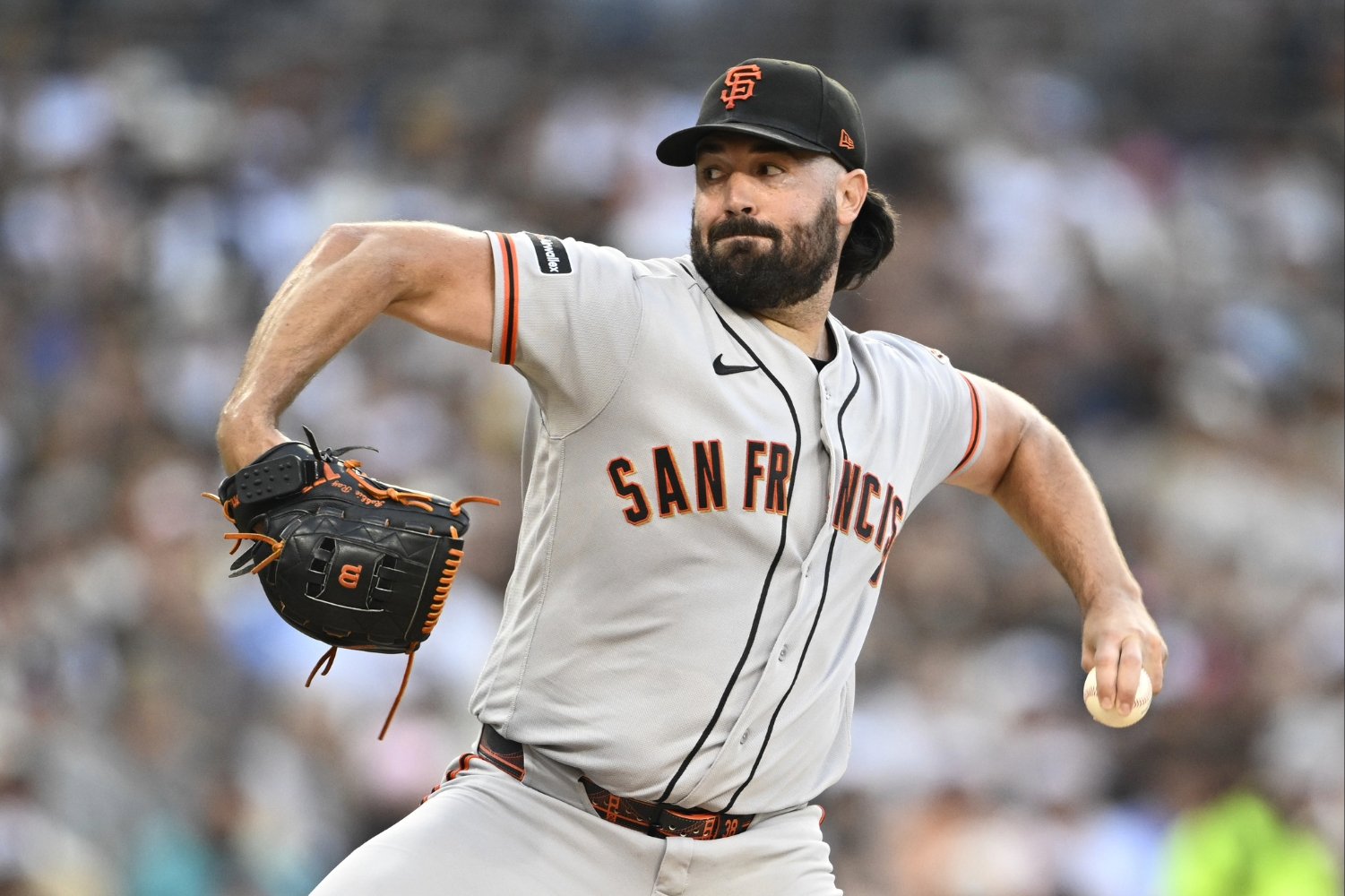
Robbie Ray’s surface numbers show a starter with a 3.08 ERA; his expected metrics reveal a pitcher with a 4.51 FIP trying to avoid a collapse. Without the overpowering fastball that defined his past, the 34-year-old left-hander has reinvented his arsenal to force rushed decisions in the batter’s box. In San Diego, the key will not be how many strikeouts he can accumulate, but how long he can maintain this disruption of hitters’ timing before the quality of contact catches up with him.

The transformation begins with the loss of velocity on his fastball. With his four-seam fastball dropping to an average of 93.2 mph in 2026, hitters gained something they previously did not have: time. With a few extra hundredths of a second, batters can identify the pitch better, track it deeper into the plate, and delay their swing decisions. Once that urgency disappears, the pitcher’s advantage begins to erode.
That temporal advantage reduced the impact of his fastball, the pitch that carried his identity for years. With a fastball that no longer creates the same level of threat, opponents are making contact inside the zone (Z-Contact%) 91.5% of the time and chasing fewer pitches outside of it. That forces Ray to attack the corners more often, and when he misses by only a small margin, counts extend and walks rise to 11.1%. That is where the real challenge of this version of Robbie Ray emerges.
However, the reason to believe he can hold up in San Diego lies in the restructuring of his secondary pitches. Since his fastball no longer beats hitters as frequently as it once did, Ray has shifted more of his arsenal toward his changeup and knuckle curve. The former has limited opponents to a .196 batting average. The latter disrupts swing timing. Tracking data shows that 65.9% of swings against his curveball occur with hitters ahead of the pitch (Early%). In other words, batters are committing to their swings before recognizing the pitch’s final trajectory. Conditioned by the fastball, they accelerate their bodies too early.
That timing disruption helps explain the pitch’s 35.1% Over%. The metric confirms that the barrel of the bat passes over the baseball when the hitter triggers the swing too early. Rather than chasing swings and misses, Ray’s objective with this profile is to limit the quality of contact by forcing weak contact above the barrel. That type of contact would not be equally sustainable in every environment.
But Petco Park changes part of the equation. A pitcher with only a 36.3% ground-ball rate has room to survive thanks to the ballpark’s dimensions and its long-standing ability to suppress airborne damage, acting as a natural filter that can turn those harmless fly balls into routine outs for the outfielders.
The Padres did not acquire the Robbie Ray who dominated hitters with a 96 mph fastball and won a Cy Young award. They acquired a pitcher who now needs to win each plate appearance in a completely different way. As long as he can continue disrupting the timing of opposing hitters, his ERA will have a chance to challenge a much less optimistic FIP. If he stops doing it, that margin will shrink and the results will begin to look more like the underlying metrics.





Recommended Comments
There are no comments to display.
Create an account or sign in to comment
You need to be a member in order to leave a comment
Create an account
Sign up for a new account in our community. It's easy!
Register a new accountSign in
Already have an account? Sign in here.
Sign In Now