


Gottie Chavez
-
Posts
20 -
Joined
-
Last visited
Gottie Chavez's Achievements


-
The month of August was a promising one for the San Diego Padres. They went 17-11 and made a statement to the league with a three-game sweep of the National League-leading Milwaukee Brewers. The team ended the month holding a narrow lead for the final NL wild-card spot. While the Padres have often relied on a strong bullpen and streaky offense this season, August featured a more balanced effort as several hitters began to find their stride. With the Friars entering the final stretch of the regular season, maintaining that consistency will be critical if it hopes to fend off a crowded wild-card race. While several hitters have played a role in that improved consistency, these three offensive performances stood out as essential to the team's success in August. Ranking Padres' Best Hitters In August #3: Ty France An unsung contributor in the Padres lineup, France has been one of the team’s most consistent offensive players throughout the season. He has hit below .280 in just one month this year and continued that consistency in August, batting above .300 for the second consecutive month. France hit .303/.400/.434 with a .834 OPS in August while recording 30 hits, three home runs and 11 RBIs. Batting primarily out of the cleanup spot, he has represented a reliable presence in the middle of San Diego’s lineup. His .370 wOBA ranks among the top 7% of hitters in the league, highlighting the value he has provided a hit-or-miss offense and strengthening the argument for the team to extend him before his one-year contract expires. #2: Jackson Merrill Jackson Merrill finding his swing heading into the final stretch of the regular season could be exactly what the Padres need at the right time. After a quiet start to the season, Merrill began showing signs of life in July and carried that momentum into August. After batting .300 in the former month, Merrill followed it by hitting .260/.316/.538 with an .854 OPS and seven home runs in the latter. While his batting average took a dip, his power and run production took a significant step forward. Merrill led the team with 22 RBIs during the month, ranking among the top seven hitters in the league. Despite his overall struggles earlier in the season, Merrill has kept his clutch gene. With runners in scoring position, he is batting .286 with three home runs and 42 RBIs. The Padres' decision to move him from third to fifth in the lineup has played into his strength as a run producer, as he recently eclipsed 70 RBIs. #1: Fernando Tatis Jr. It’s hard to believe that Fernando Tatis Jr. went without a home run through the first two months of the season. After a disappointing start, Tatis has been the catalyst for the Padres getting back into the National League wild-card race. Since the All-Star break, Tatis has lead the team with 14 home runs and August marked his strongest performance of the season. He hit nine home runs during the month, his most in a single month since 2021, trailing only NL MVP favorite Pete Crow-Armstrong in the Senior Circuit. Tatis’ 48.9% hard-hit rate ranked among the top 10 in the league, but his improved plate approach may be even more encouraging. He chased pitched outside the strike zone at just a 22.6% rate, his lowest mark of the season, while missing on only 9.5% of his swings at pitches in the zone. The combination of improved discipline and consistent hard contact has helped fuel his elite form. If Tatis can maintain that approach, his production will be a major factor in the Padres' postseason push. View full article
-
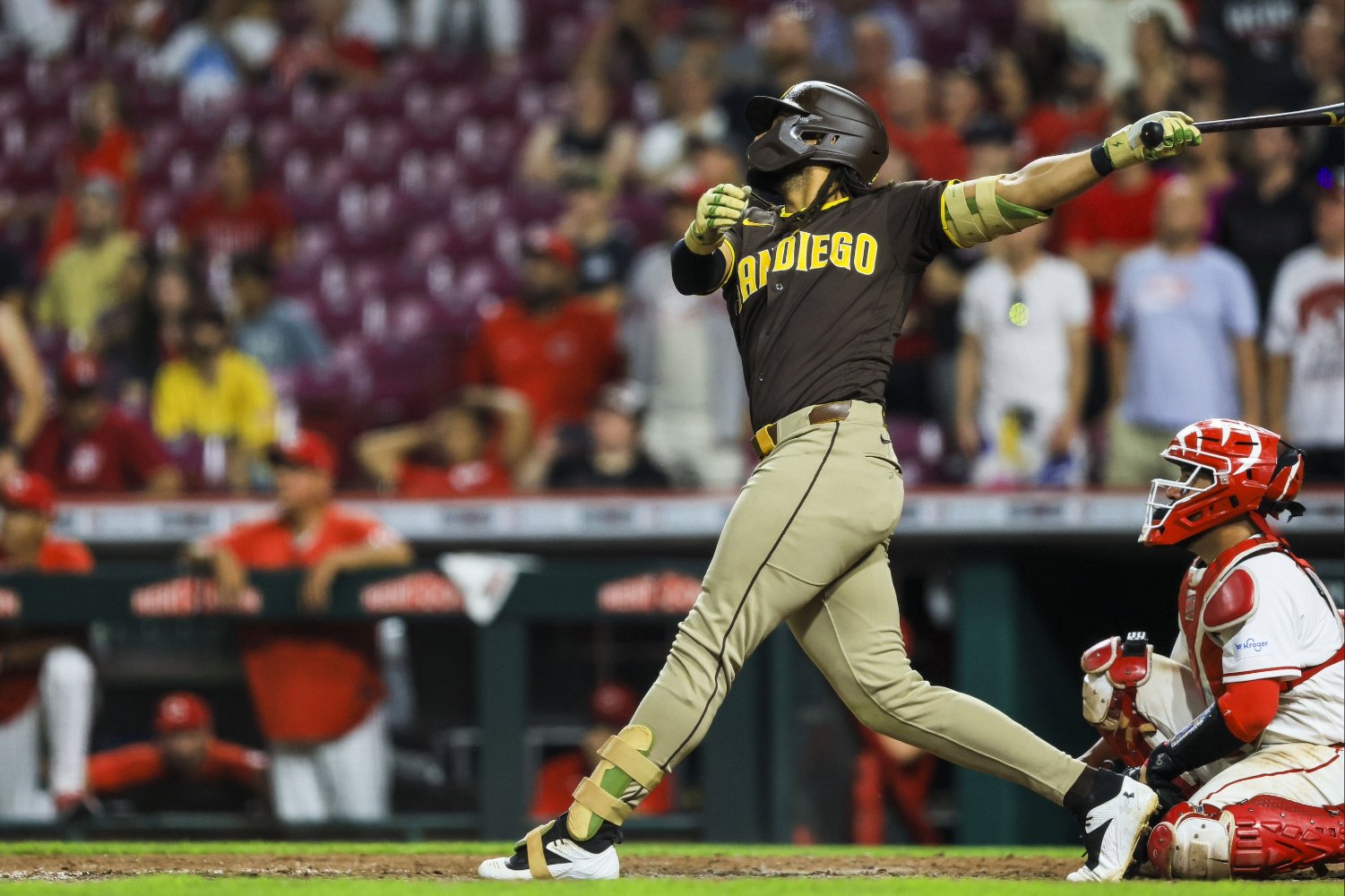 The month of August was a promising one for the San Diego Padres. They went 17-11 and made a statement to the league with a three-game sweep of the National League-leading Milwaukee Brewers. The team ended the month holding a narrow lead for the final NL wild-card spot. While the Padres have often relied on a strong bullpen and streaky offense this season, August featured a more balanced effort as several hitters began to find their stride. With the Friars entering the final stretch of the regular season, maintaining that consistency will be critical if it hopes to fend off a crowded wild-card race. While several hitters have played a role in that improved consistency, these three offensive performances stood out as essential to the team's success in August. Ranking Padres' Best Hitters In August #3: Ty France An unsung contributor in the Padres lineup, France has been one of the team’s most consistent offensive players throughout the season. He has hit below .280 in just one month this year and continued that consistency in August, batting above .300 for the second consecutive month. France hit .303/.400/.434 with a .834 OPS in August while recording 30 hits, three home runs and 11 RBIs. Batting primarily out of the cleanup spot, he has represented a reliable presence in the middle of San Diego’s lineup. His .370 wOBA ranks among the top 7% of hitters in the league, highlighting the value he has provided a hit-or-miss offense and strengthening the argument for the team to extend him before his one-year contract expires. #2: Jackson Merrill Jackson Merrill finding his swing heading into the final stretch of the regular season could be exactly what the Padres need at the right time. After a quiet start to the season, Merrill began showing signs of life in July and carried that momentum into August. After batting .300 in the former month, Merrill followed it by hitting .260/.316/.538 with an .854 OPS and seven home runs in the latter. While his batting average took a dip, his power and run production took a significant step forward. Merrill led the team with 22 RBIs during the month, ranking among the top seven hitters in the league. Despite his overall struggles earlier in the season, Merrill has kept his clutch gene. With runners in scoring position, he is batting .286 with three home runs and 42 RBIs. The Padres' decision to move him from third to fifth in the lineup has played into his strength as a run producer, as he recently eclipsed 70 RBIs. #1: Fernando Tatis Jr. It’s hard to believe that Fernando Tatis Jr. went without a home run through the first two months of the season. After a disappointing start, Tatis has been the catalyst for the Padres getting back into the National League wild-card race. Since the All-Star break, Tatis has lead the team with 14 home runs and August marked his strongest performance of the season. He hit nine home runs during the month, his most in a single month since 2021, trailing only NL MVP favorite Pete Crow-Armstrong in the Senior Circuit. Tatis’ 48.9% hard-hit rate ranked among the top 10 in the league, but his improved plate approach may be even more encouraging. He chased pitched outside the strike zone at just a 22.6% rate, his lowest mark of the season, while missing on only 9.5% of his swings at pitches in the zone. The combination of improved discipline and consistent hard contact has helped fuel his elite form. If Tatis can maintain that approach, his production will be a major factor in the Padres' postseason push.
 -
While the San Diego Padres' offense finally began to find its footing in July, several of the organization's best offensive performances came in the minors. Despite this being labeled one of the lower-tier farm systems in the league, multiple hitters strengthened their cases to become future reinforcements as the team looks to climb back into the National League wild-card picture. Ranking Padres' Best Minor League Hitters In July #3 Ethan Salas (Double-A San Antonio Missions | Triple-A El Paso Chihuahuas) After an oblique injury limited him in June, Salas bounced back into form with an elite July. He hit .344/.449/.469 with a .918 OPS, earning a late-month promotion to Triple-A El Paso Chihuahuas. While Salas has long been known for his power, July showcased other areas of his game. Despite not hitting a home run for the second consecutive month, after hitting seven through the first two months of the season, he continued to make himself valuable. Salas has already stolen a career-high 14 bases this season, and he wasted little time adjusting to the increase in talent at Triple-A, going 3-4 with a triple in his debut. Through his first five games with El Paso, he hit .333 with six hits and five RBIs, showcasing that he can adapt quickly to tougher competition. #2 Blake Hunt (Triple-A El Paso Chihuahuas) Following a brief stint with the major league club near the end of June, Hunt returned to El Paso and picked up where he left off. In July, he hit .321/.403/.643 with a 1.046 OPS, while recording 18 hits, 12 runs, 15 RBIs and even showcased some speed by hitting his first triple of the season. But his stellar month was highlighted by his power, in which he led the team with five home runs. Hunt’s biggest stretch came during the team's four-game series against the Las Vegas Aviators, where he hit three home runs, including a multi-home run game in the series finale. His combination of power and consistent run production made him one of the hottest hitters in the organization during July and strengthened him as one of the Padres' top catching depth options. #1 Nick Solak (Triple-A El Paso Chihuahuas) After renegotiating a minor-league contract with the Padres, the veteran showcased why he can still be an asset for the major-league roster. In July, he slashed .333/.363/.609 with a .972 OPS. while leading El Paso with 29 hits, 18 runs, 10 doubles and 18 RBIs. His four home runs ranked second on the team behind Hunt. Solak has consistently produced throughout the season at Triple-A, and July was another reminder of his potential offensive value. While his brief stint with the Padres resulted in just one hit in seven at-bats, there were some encouraging signs beneath the surface. As opposed to his usual pull-heavy approach, Solak showcased a more balanced spray profile, hitting the ball 37.5% to the left, 37.5% to the center and 25.0% to the right field. While the sample size was small, this all-fields approach could help him take better advantage of his limited opportunities the next time he is called up. View full article
-
San Diego Padres Minor-League Hitters of the Month: July 2026
Gottie Chavez posted an article in Padres
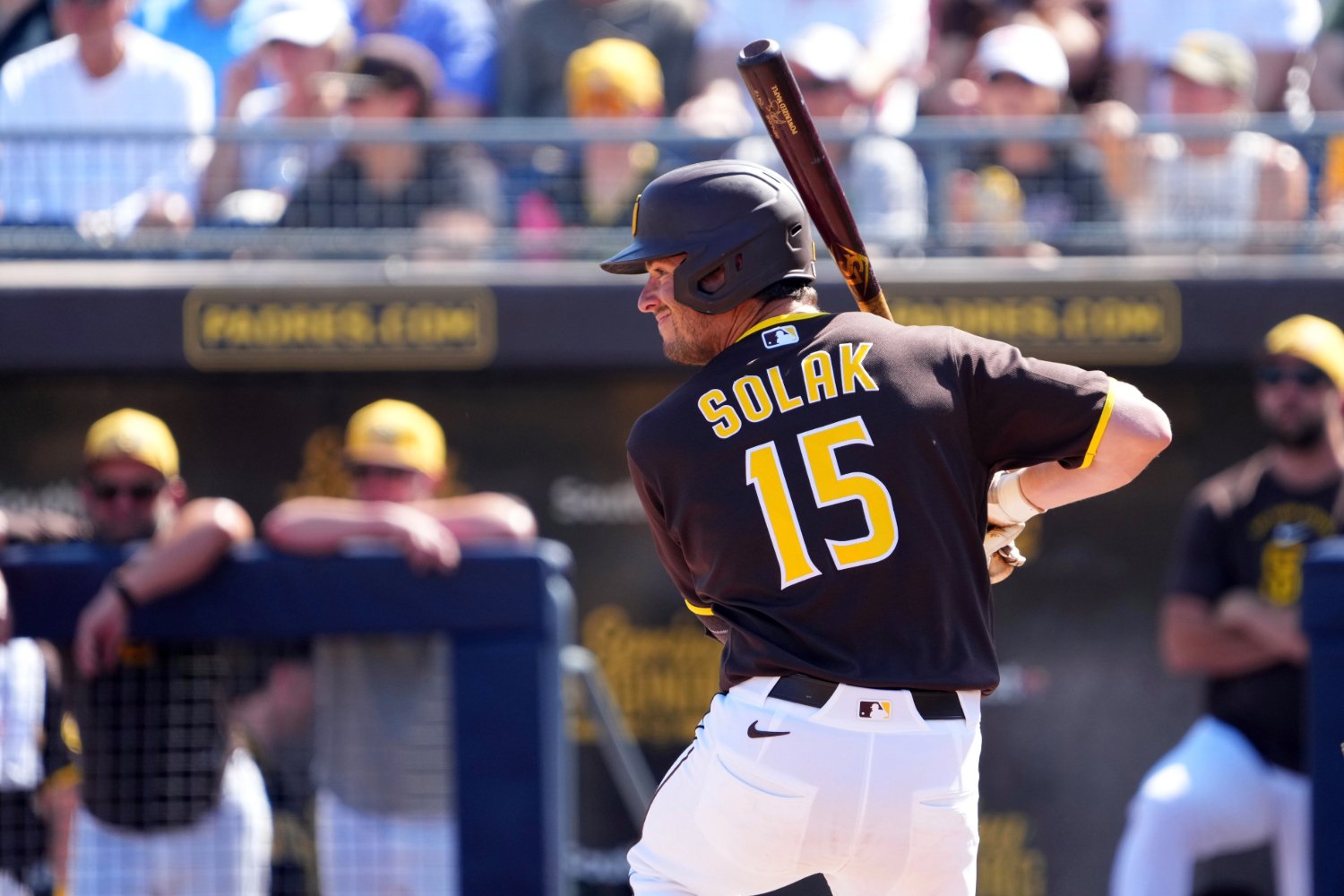 While the San Diego Padres' offense finally began to find its footing in July, several of the organization's best offensive performances came in the minors. Despite this being labeled one of the lower-tier farm systems in the league, multiple hitters strengthened their cases to become future reinforcements as the team looks to climb back into the National League wild-card picture. Ranking Padres' Best Minor League Hitters In July #3 Ethan Salas (Double-A San Antonio Missions | Triple-A El Paso Chihuahuas) After an oblique injury limited him in June, Salas bounced back into form with an elite July. He hit .344/.449/.469 with a .918 OPS, earning a late-month promotion to Triple-A El Paso Chihuahuas. While Salas has long been known for his power, July showcased other areas of his game. Despite not hitting a home run for the second consecutive month, after hitting seven through the first two months of the season, he continued to make himself valuable. Salas has already stolen a career-high 14 bases this season, and he wasted little time adjusting to the increase in talent at Triple-A, going 3-4 with a triple in his debut. Through his first five games with El Paso, he hit .333 with six hits and five RBIs, showcasing that he can adapt quickly to tougher competition. #2 Blake Hunt (Triple-A El Paso Chihuahuas) Following a brief stint with the major league club near the end of June, Hunt returned to El Paso and picked up where he left off. In July, he hit .321/.403/.643 with a 1.046 OPS, while recording 18 hits, 12 runs, 15 RBIs and even showcased some speed by hitting his first triple of the season. But his stellar month was highlighted by his power, in which he led the team with five home runs. Hunt’s biggest stretch came during the team's four-game series against the Las Vegas Aviators, where he hit three home runs, including a multi-home run game in the series finale. His combination of power and consistent run production made him one of the hottest hitters in the organization during July and strengthened him as one of the Padres' top catching depth options. #1 Nick Solak (Triple-A El Paso Chihuahuas) After renegotiating a minor-league contract with the Padres, the veteran showcased why he can still be an asset for the major-league roster. In July, he slashed .333/.363/.609 with a .972 OPS. while leading El Paso with 29 hits, 18 runs, 10 doubles and 18 RBIs. His four home runs ranked second on the team behind Hunt. Solak has consistently produced throughout the season at Triple-A, and July was another reminder of his potential offensive value. While his brief stint with the Padres resulted in just one hit in seven at-bats, there were some encouraging signs beneath the surface. As opposed to his usual pull-heavy approach, Solak showcased a more balanced spray profile, hitting the ball 37.5% to the left, 37.5% to the center and 25.0% to the right field. While the sample size was small, this all-fields approach could help him take better advantage of his limited opportunities the next time he is called up.
 -
As the trade deadline looms, the San Diego Padres find themselves looking at a long road to get back into the playoff picture. At 53-53, they sit 14 games behind the Los Angeles Dodgers and two games out of the final National League Wild Card spot. Entering the season as one of the favorites to challenge the Dodgers for the NL West title, an underperforming offense and injuries to key starters have held the team back. However, four of their next five series come against National League opponents, including a four-game set against the Arizona Diamondbacks, who currently sit ahead of them in the NL West standings. That stretch offers the Padres an opportunity to make up ground before the deadline. The Friars' offense has been frustrating all season. They own the third-worst batting average in the league at .230 and a bottom-10 wRC+ of 91, contributing heavily to the team’s -23 run differential and position out of the playoff picture. While Fernando Tatis Jr. has begun to rediscover his form, San Diego’s other big-name bats have struggled to produce. Among players with at least 50 games played, Ty France leads the team with a .286 batting average, with established stars like Manny Machado and Jackson Merrill batting below .240. If the Padres hope to get back into the playoff conversation, they need more consistency from their offense. Still, July has offered some optimism for the team. The Padres are coming out of a series in which they swept the Miami Marlins, who entered the series two games ahead of them in the NL standings, and put together their best offensive stretch of the season. In July, the team has batted .257/.342/.431 with a .773 OPS, all ranking in the top-10 of the league with a 4.8 team WAR, the second highest during this time. Additionally, this improvement has been backed by underlying metrics. While the sample size is small, their 37.8% hard-hit rate ranks eighth in the league, an improvement on the 34.1 season-long percentage, suggesting this breakout might be more than an outlier. While the team is still missing contributors like Miguel Andújar and Samad Taylor, the offense is finally starting to ease the load off the pitching staff. While the rotation hasn’t underperformed as much as the offense, the team has yet to replicate the production lost from losing ace Dylan Cease in free agency. Currently, no Padres starter owns a winning record, with Michael King leading the team with a 6-7 record and 3.24 ERA over 119.1 innings. As a staff, their team ranks near the bottom of the league with a 4.1 WAR, 4.65 FIP and a 4.68 ERA. While the starters shouldn’t be criticized the way the offense is, their ineffectiveness has made it hard for the team to take advantage of their one solid unit, the bullpen. San Diego’s relief pitchers have been the lone bright spot of the season. As a group, their relievers have a 3.75 ERA, the sixth-lowest in the league, and are anchored by All-Star closer Mason Miller, who has the third-most saves in the league and a 0.84 ERA. If the offense can sustain its recent improvements, a complementary offense may be all the Padres need to capitalize on a dependable bullpen and quality outings from their rotation. This possibility makes the next two weeks especially important. While trade speculation has surrounded players like Miller and King, the team can put those conversations to a close with a late run up the NL standings. View full article
-
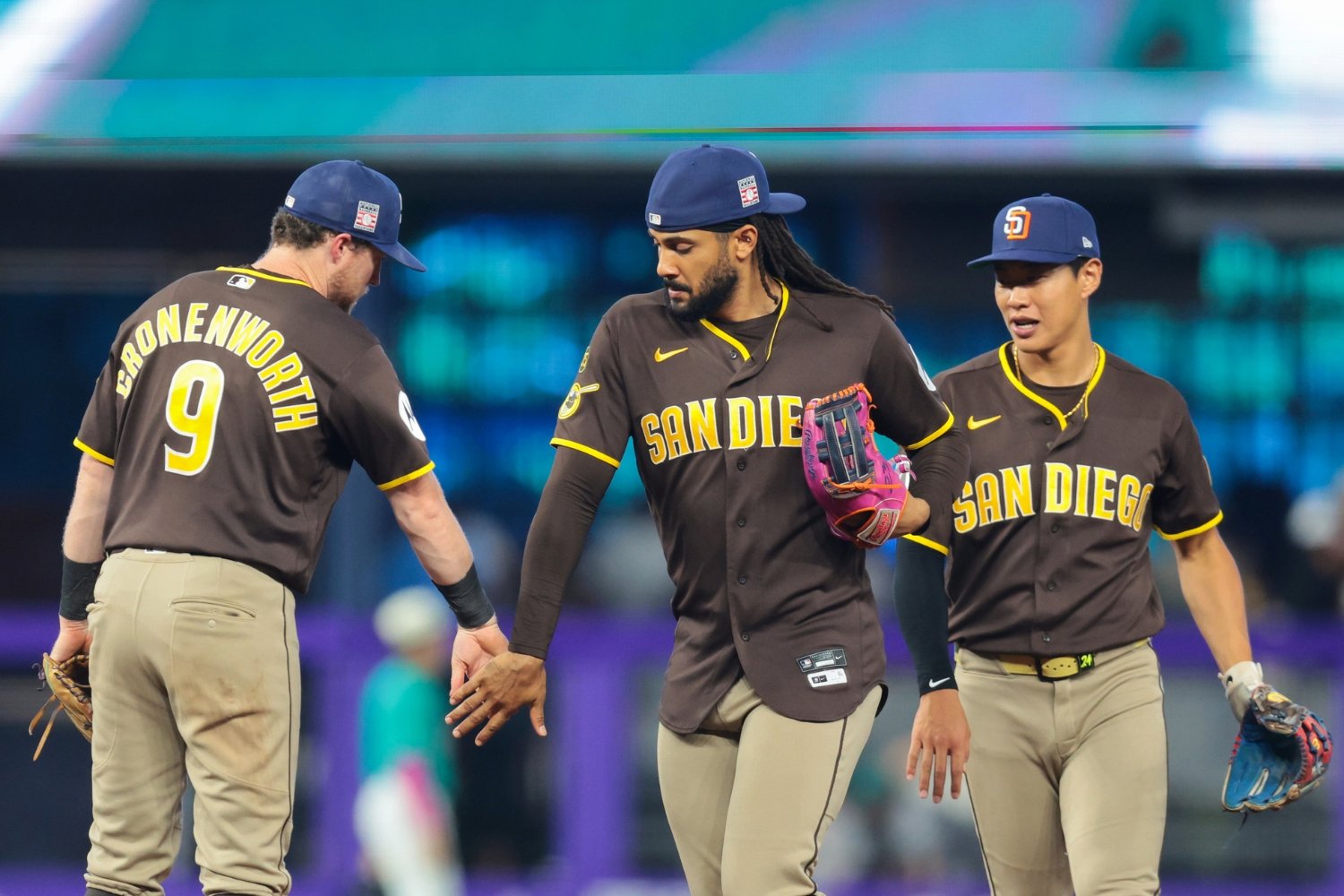 As the trade deadline looms, the San Diego Padres find themselves looking at a long road to get back into the playoff picture. At 53-53, they sit 14 games behind the Los Angeles Dodgers and two games out of the final National League Wild Card spot. Entering the season as one of the favorites to challenge the Dodgers for the NL West title, an underperforming offense and injuries to key starters have held the team back. However, four of their next five series come against National League opponents, including a four-game set against the Arizona Diamondbacks, who currently sit ahead of them in the NL West standings. That stretch offers the Padres an opportunity to make up ground before the deadline. The Friars' offense has been frustrating all season. They own the third-worst batting average in the league at .230 and a bottom-10 wRC+ of 91, contributing heavily to the team’s -23 run differential and position out of the playoff picture. While Fernando Tatis Jr. has begun to rediscover his form, San Diego’s other big-name bats have struggled to produce. Among players with at least 50 games played, Ty France leads the team with a .286 batting average, with established stars like Manny Machado and Jackson Merrill batting below .240. If the Padres hope to get back into the playoff conversation, they need more consistency from their offense. Still, July has offered some optimism for the team. The Padres are coming out of a series in which they swept the Miami Marlins, who entered the series two games ahead of them in the NL standings, and put together their best offensive stretch of the season. In July, the team has batted .257/.342/.431 with a .773 OPS, all ranking in the top-10 of the league with a 4.8 team WAR, the second highest during this time. Additionally, this improvement has been backed by underlying metrics. While the sample size is small, their 37.8% hard-hit rate ranks eighth in the league, an improvement on the 34.1 season-long percentage, suggesting this breakout might be more than an outlier. While the team is still missing contributors like Miguel Andújar and Samad Taylor, the offense is finally starting to ease the load off the pitching staff. While the rotation hasn’t underperformed as much as the offense, the team has yet to replicate the production lost from losing ace Dylan Cease in free agency. Currently, no Padres starter owns a winning record, with Michael King leading the team with a 6-7 record and 3.24 ERA over 119.1 innings. As a staff, their team ranks near the bottom of the league with a 4.1 WAR, 4.65 FIP and a 4.68 ERA. While the starters shouldn’t be criticized the way the offense is, their ineffectiveness has made it hard for the team to take advantage of their one solid unit, the bullpen. San Diego’s relief pitchers have been the lone bright spot of the season. As a group, their relievers have a 3.75 ERA, the sixth-lowest in the league, and are anchored by All-Star closer Mason Miller, who has the third-most saves in the league and a 0.84 ERA. If the offense can sustain its recent improvements, a complementary offense may be all the Padres need to capitalize on a dependable bullpen and quality outings from their rotation. This possibility makes the next two weeks especially important. While trade speculation has surrounded players like Miller and King, the team can put those conversations to a close with a late run up the NL standings.
 -
With the goal of competing for a World Series every season in a tough National League division, the San Diego Padres have aggressively used their prospects to acquire established MLB talent. As a result, the Friars entered the pre-draft period with MLB Pipeline's lowest-ranked farm system, and to help replenish it, they used the 2026 MLB Draft to target polished college talent. Of their 21 picks, 17 came from the college ranks. With more experienced prospects now entering the organization, here are three underrated draft picks who could move quickly through the Padres' farm system. Joe Tiroly, 2B Virginia, Round 7, Pick No. 215 Heading into the draft, Tiroly was ranked as the 99th prospect by Baseball America and 147th by MLB Pipeline, yet the Padres were able to get him with the 215th overall pick. Transferring to Virginia in his junior season, Tiroly quickly proved that the increase in talent from a tougher conference wouldn’t slow him down, a trait that will benefit him in the minors. He finished the season leading the Cavaliers with 16 home runs and 66 RBIs while slashing .319/.408/.576 with a .984 OPS. Throughout his collegiate career, Tiroly displayed consistent power. His average exit velocity and elite pull-air rate both ranked among the top percentiles in college baseball. He also hit double-digit home runs and had an on-base percentage north of .400 in each of three collegiate seasons while producing a barrel rate that ranked among the top 20% of college hitters. Tiroly also brings defensive versatility to the field. While he primarily played second base during his junior season, his arm strength and experience playing third base give him the flexibility to contribute defensively. Combined with his polished offensive profile, Tiroly has the traits of a prospect who can move quickly through the minors. Rob Evans, SP Miami, Round 12, Pick No. 365 After an underwhelming junior season in which he worked primarily out of the bullpen and posted a 4.70 ERA over 15.1 innings, Evans returned to the rotation for his senior year and revived his draft stock. He finished as Miami’s ace, compiling a 10-3 record with a 3.29 ERA and 98 strikeouts in 87.2 innings. Evans was reliable for the team all year, pitching at least five innings in 13 of his 16 appearances and holding opponents to a .210 batting average. Evans is coming to San Diego with a fastball that he consistently throws in the low-to-mid 90s and has topped out at 96 mph. Rather than overpowering hitters, he relies on deception, featuring a low three-quarters arm angle and a sweeping slider in the low 80s that keeps hitters off balance. While Evans may not possess the upside of a frontline starter, his experience as both a starter and relief pitcher will be valuable in his journey through the minor leagues. Ryan Kucherak, SS Northwestern, Round 15, Pick No. 445 Kucherak offers one of the more intriguing power-speed combinations in the Padres’ draft class. After breaking out during his sophomore year, he used his junior season to show teams that his development is still moving upward. He hit .295/.390/.521, with 10 home runs and led the team with 11 stolen bases after having only three stolen bases in his previous two seasons combined. His 10 home runs also made him the first Northwestern player since Stephen Hrustich, in 2021-2022, to record double-digit home runs in consecutive seasons. He continued to show off his power at the MLB combine, where he hit multiple balls over a 105 mph exit velocity. Kucherak also made strides defensively. After committing 11 errors during his sophomore season, he cut that number to seven as a junior while continuing to display his reliability, missing only one game in two seasons. With improvements on both sides of the ball and elite athleticism, Kucherak has the profile of a prospect who could climb through the farm system faster than those chosen ahead of him. View full article
-
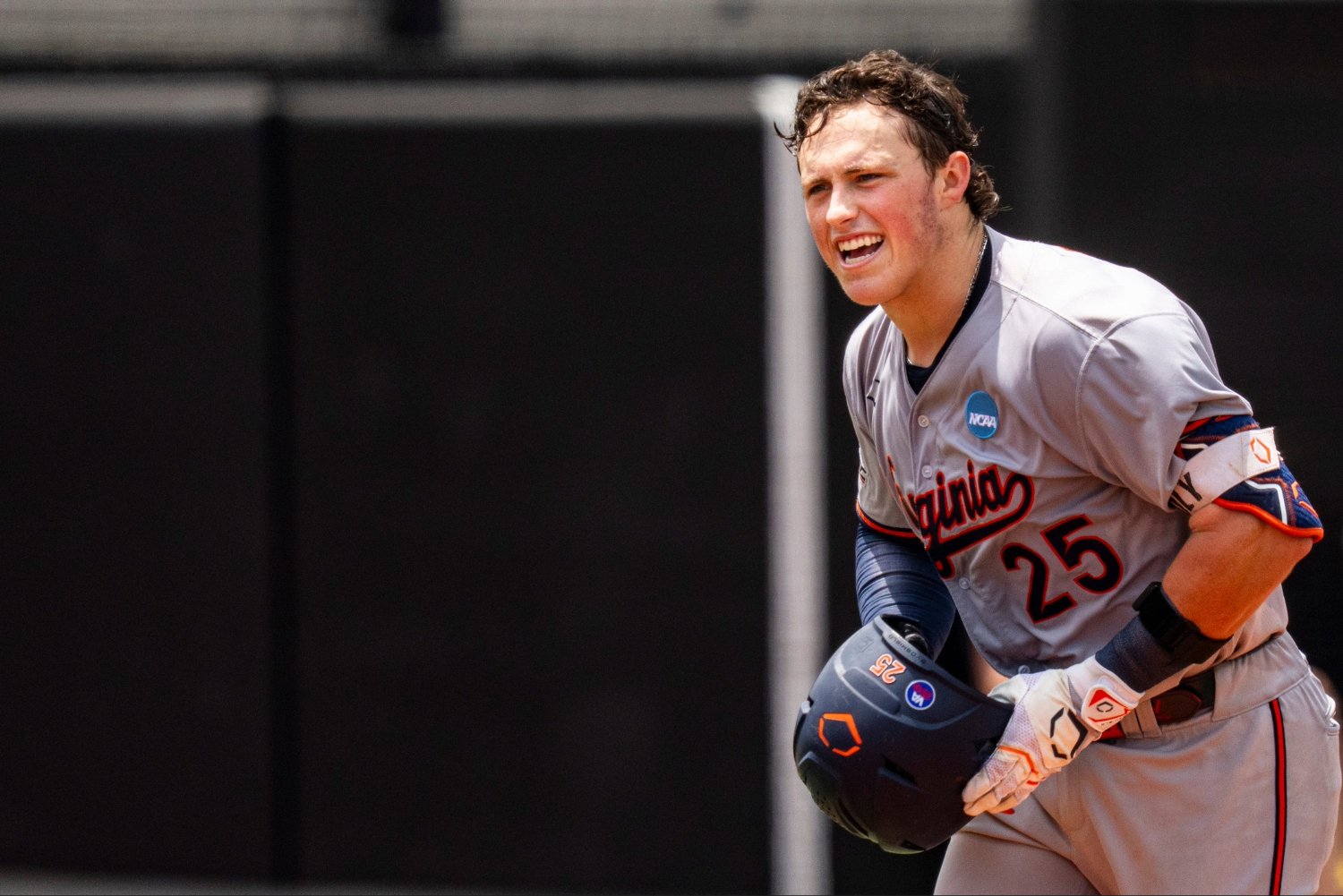 With the goal of competing for a World Series every season in a tough National League division, the San Diego Padres have aggressively used their prospects to acquire established MLB talent. As a result, the Friars entered the pre-draft period with MLB Pipeline's lowest-ranked farm system, and to help replenish it, they used the 2026 MLB Draft to target polished college talent. Of their 21 picks, 17 came from the college ranks. With more experienced prospects now entering the organization, here are three underrated draft picks who could move quickly through the Padres' farm system. Joe Tiroly, 2B Virginia, Round 7, Pick No. 215 Heading into the draft, Tiroly was ranked as the 99th prospect by Baseball America and 147th by MLB Pipeline, yet the Padres were able to get him with the 215th overall pick. Transferring to Virginia in his junior season, Tiroly quickly proved that the increase in talent from a tougher conference wouldn’t slow him down, a trait that will benefit him in the minors. He finished the season leading the Cavaliers with 16 home runs and 66 RBIs while slashing .319/.408/.576 with a .984 OPS. Throughout his collegiate career, Tiroly displayed consistent power. His average exit velocity and elite pull-air rate both ranked among the top percentiles in college baseball. He also hit double-digit home runs and had an on-base percentage north of .400 in each of three collegiate seasons while producing a barrel rate that ranked among the top 20% of college hitters. Tiroly also brings defensive versatility to the field. While he primarily played second base during his junior season, his arm strength and experience playing third base give him the flexibility to contribute defensively. Combined with his polished offensive profile, Tiroly has the traits of a prospect who can move quickly through the minors. Rob Evans, SP Miami, Round 12, Pick No. 365 After an underwhelming junior season in which he worked primarily out of the bullpen and posted a 4.70 ERA over 15.1 innings, Evans returned to the rotation for his senior year and revived his draft stock. He finished as Miami’s ace, compiling a 10-3 record with a 3.29 ERA and 98 strikeouts in 87.2 innings. Evans was reliable for the team all year, pitching at least five innings in 13 of his 16 appearances and holding opponents to a .210 batting average. Evans is coming to San Diego with a fastball that he consistently throws in the low-to-mid 90s and has topped out at 96 mph. Rather than overpowering hitters, he relies on deception, featuring a low three-quarters arm angle and a sweeping slider in the low 80s that keeps hitters off balance. While Evans may not possess the upside of a frontline starter, his experience as both a starter and relief pitcher will be valuable in his journey through the minor leagues. Ryan Kucherak, SS Northwestern, Round 15, Pick No. 445 Kucherak offers one of the more intriguing power-speed combinations in the Padres’ draft class. After breaking out during his sophomore year, he used his junior season to show teams that his development is still moving upward. He hit .295/.390/.521, with 10 home runs and led the team with 11 stolen bases after having only three stolen bases in his previous two seasons combined. His 10 home runs also made him the first Northwestern player since Stephen Hrustich, in 2021-2022, to record double-digit home runs in consecutive seasons. He continued to show off his power at the MLB combine, where he hit multiple balls over a 105 mph exit velocity. Kucherak also made strides defensively. After committing 11 errors during his sophomore season, he cut that number to seven as a junior while continuing to display his reliability, missing only one game in two seasons. With improvements on both sides of the ball and elite athleticism, Kucherak has the profile of a prospect who could climb through the farm system faster than those chosen ahead of him.
 -
Hovering around .500, the San Diego Padres remain firmly in the National League wild-card race, but several holes throughout the roster have prevented them from living up to their preseason expectations. While San Diego is still waiting for breakouts from their stars that would immediately fix their offensive struggles, the team needs to enter the trade deadline with plans to better round out their roster. With injuries plaguing them all season, the deadline can be used to strengthen the team's depth as they look to force a second-half turnaround. Ranking Padres' Biggest Trade Deadline Needs #3: Middle-Infield Offense The Padres' middle infield has been a revolving door this season, with multiple players rotating between shortstop and second base while providing little offensive production all season. Outside of Fernando Tatis Jr., all the other options are currently batting below .240 and have played a major factor in the team having a league-low .226 batting average. With the Padres posting negative offensive WAR totals at both shortstop (-0.1) and second base (-0.9), the middle infield has become one of the team's biggest weaknesses. If the team wants to make a significant upgrade at the deadline, these might be the positions to target. Given the organization's surplus of right-handed starting pitching, the Padres could package multiple arms in pursuit of an impact bat such as Jeremy Peña or CJ Abrams. #2: Outfield Depth Samad Taylor being placed on the injured list is a real detriment to the Padres' offense. An unexpected contributor, Taylor's promotion to the MLB roster brought a spark to the offense as he hit .330/.410/398 and stole six bases in only 26 games. His patient approach at the plate, along with his ability to draw attention while on base, took much-needed pressure off his teammates. Since his injury, the team has attempted to replace his production with rookie Jase Bowen, but the lack of offense has been noticeable. As a team, the Padres have a .302 OBP and 386 runs scored, both ranking last in the league. Thus, they need to prioritize acquiring hitters that can consistently put more pressure on opposing pitchers. One name that has been linked is Chicago Cubs outfielder Seiya Suzuki due to his team's need for starting pitching. While the big-name is enticing, San Diego might benefit from contacting another pitcher-needy team like the St. Louis Cardinals and inquiring about José Fermín, who has a career .313 OBP and represents a cost-effective option that could build their outfield depth. #1: Left-Handed Starter While the Padres' offense has received most of the criticism this season, holes in their starting rotation must be addressed to spark some more life into the roster. As a team, their starters have a 4.79 ERA, the fourth-worst in the league, and this could be due to their lack of left-handed options. As it stands, JP Sears is the only starting lefty in their starting rotation, with San Diego deploying an all-right-handed rotation prior to his promotion. This lack of left-handed depth has hurt the Padres in limited opportunities; left-handed Padres starters have posted a 10.57 ERA against left-handed hitters, the third-worst mark in the league, despite logging just 7.2 innings, the fifth-fewest in the league. In order to better compete in the back half of the season, the team may benefit from better balancing its rotation. While high-profile names like Tarik Skubal have been linked, their current record and position in the National League may suggest that San Diego could benefit from someone who would cost less than an arm and a leg, such as Robbie Ray or Trevor Rogers. View full article
-
Padres' Three Biggest Positional Needs Ahead of the MLB Trade Deadline
Gottie Chavez posted an article in Padres
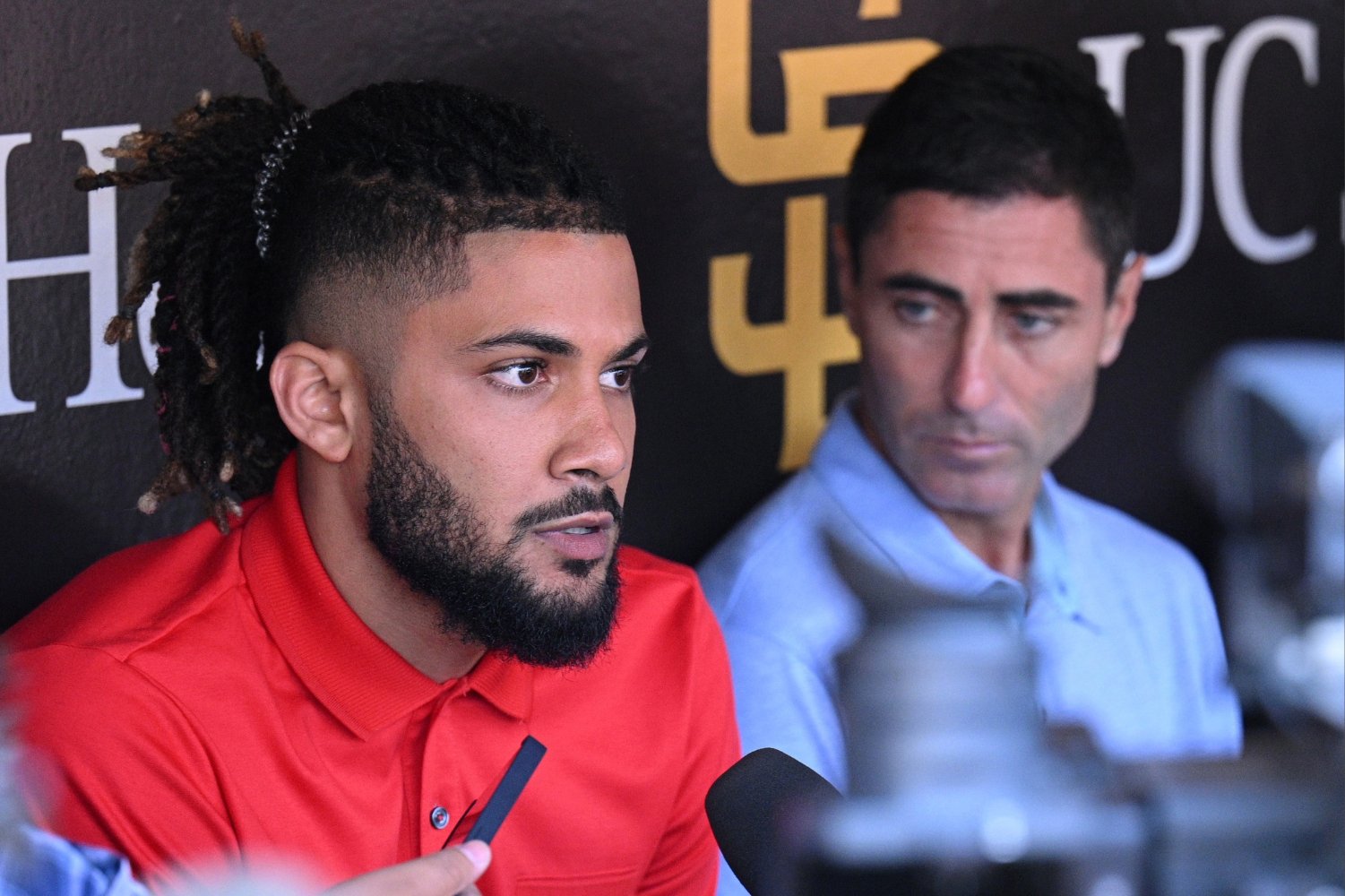 Hovering around .500, the San Diego Padres remain firmly in the National League wild-card race, but several holes throughout the roster have prevented them from living up to their preseason expectations. While San Diego is still waiting for breakouts from their stars that would immediately fix their offensive struggles, the team needs to enter the trade deadline with plans to better round out their roster. With injuries plaguing them all season, the deadline can be used to strengthen the team's depth as they look to force a second-half turnaround. Ranking Padres' Biggest Trade Deadline Needs #3: Middle-Infield Offense The Padres' middle infield has been a revolving door this season, with multiple players rotating between shortstop and second base while providing little offensive production all season. Outside of Fernando Tatis Jr., all the other options are currently batting below .240 and have played a major factor in the team having a league-low .226 batting average. With the Padres posting negative offensive WAR totals at both shortstop (-0.1) and second base (-0.9), the middle infield has become one of the team's biggest weaknesses. If the team wants to make a significant upgrade at the deadline, these might be the positions to target. Given the organization's surplus of right-handed starting pitching, the Padres could package multiple arms in pursuit of an impact bat such as Jeremy Peña or CJ Abrams. #2: Outfield Depth Samad Taylor being placed on the injured list is a real detriment to the Padres' offense. An unexpected contributor, Taylor's promotion to the MLB roster brought a spark to the offense as he hit .330/.410/398 and stole six bases in only 26 games. His patient approach at the plate, along with his ability to draw attention while on base, took much-needed pressure off his teammates. Since his injury, the team has attempted to replace his production with rookie Jase Bowen, but the lack of offense has been noticeable. As a team, the Padres have a .302 OBP and 386 runs scored, both ranking last in the league. Thus, they need to prioritize acquiring hitters that can consistently put more pressure on opposing pitchers. One name that has been linked is Chicago Cubs outfielder Seiya Suzuki due to his team's need for starting pitching. While the big-name is enticing, San Diego might benefit from contacting another pitcher-needy team like the St. Louis Cardinals and inquiring about José Fermín, who has a career .313 OBP and represents a cost-effective option that could build their outfield depth. #1: Left-Handed Starter While the Padres' offense has received most of the criticism this season, holes in their starting rotation must be addressed to spark some more life into the roster. As a team, their starters have a 4.79 ERA, the fourth-worst in the league, and this could be due to their lack of left-handed options. As it stands, JP Sears is the only starting lefty in their starting rotation, with San Diego deploying an all-right-handed rotation prior to his promotion. This lack of left-handed depth has hurt the Padres in limited opportunities; left-handed Padres starters have posted a 10.57 ERA against left-handed hitters, the third-worst mark in the league, despite logging just 7.2 innings, the fifth-fewest in the league. In order to better compete in the back half of the season, the team may benefit from better balancing its rotation. While high-profile names like Tarik Skubal have been linked, their current record and position in the National League may suggest that San Diego could benefit from someone who would cost less than an arm and a leg, such as Robbie Ray or Trevor Rogers.
 -
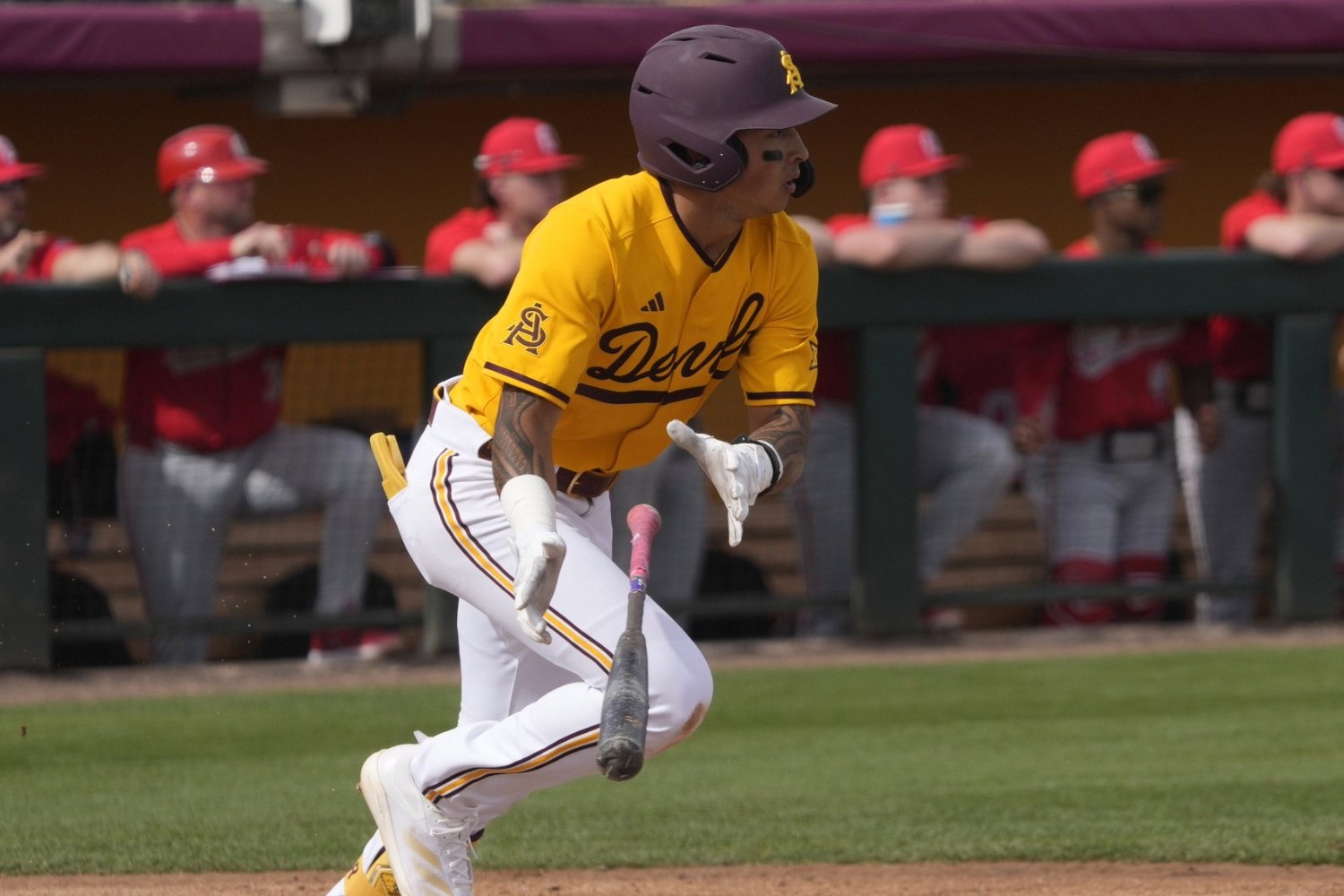 The San Diego Padres have added six new members to their organization already today, with 10 more draft picks still to go. You can find our analysis of their Round 5 pick, James Guyette, here. Round 6, Pick 186 Overall: INF/2B Nu’u Contrades, Arizona State The Padres selected Nu’u Contrades out of Arizona State, where he helped lead the Sun Devils to an NCAA Regional appearance. Spending all four years with the program, Contrades steadily improved each season, culminating in a career-best .366/.434/.762 batting line with a 1.197 OPS in his fourth year. Noted for his consistency and disciplined plate approach, this past season was highlighted by a significant power jump, hitting 21 home runs after having a previous career-high of eight during his freshman year. Originally recruited as a shortstop, Contrades also spent time playing second and third throughout his collegiate career. Already 22 years old, his defensive versatility, combined with his polished offensive approach, makes him a well-rounded prospect that has the potential to move quickly through the farm system. Round 7, Pick 215 Overall: 2B Joe Tiroly, Virginia The Padres selected Joe Tiroly out of Virginia with the 215th overall pick. Tiroly is an infielder who entered the draft ranked No. 147 on MLB.com Draft Prospect rankings. Transferring to Virginia after spending his first two seasons at Ryder University, he dealt with a minor foot injury that slowed his early season, but he quickly found his rhythm. Tiroly would finish the season leading the Cavaliers with 16 home runs and 66 RBIs while slashing .319/.408/.576 with a .984 OPS. He's hit at least 15 home runs in each of his three collegiate seasons, showcasing consistent power throughout his career. His average exit velocity and elite pull-air rate both rank among the top percentiles in college baseball, giving the Padres another intriguing power bat with significant offensive upside. Round 8, Pick 245 Overall: P Sean Fitzpatrick, Arizona State With the 245th overall pick, the Padres selected pitcher Sean Fitzpatrick from Arizona State. After posting an ERA above 6.50 in his sophomore and junior seasons, Fitzpatrick rebounded in his senior year, finishing with a 3.12 ERA, 4-1 record, and 45 strikeouts over 31 appearances. Increasing his fastball velocity to the low-to-mid 90s, Fitzpatrick proved effective in many high-leverage situations, allowing just 11 earned runs all season. Deploying a low arm angle, Fitzpatrick presents the Padres with a battle-tested reliever with the potential to develop into a reliable bullpen arm. Round 9, Pick 275 Overall: P Benjamin Stubbs, Troy The Padres selected pitcher Benjamin Stubbs out of Troy with the 275th overall pick. After spending his first three collegiate seasons with Division 2 Flagler College, Stubbs transferred to Troy for his senior year and slotted in as a reliable starter. He finished the season with a 6-3 record, 5.12 ERA, and led the team with 95 innings pitched, with much of his value coming from his ability to pitch deep into games. Stubbs delivered at least six innings in eight of his appearances and has a strong chance to stick as a starting pitcher during his climb to the big leagues. Round 10, Pick 305 Overall: C Augie Lopez, USC With the 305th overall pick, the Padres selected catcher Augie Lopez out of USC. Lopez broke out in his sophomore season, leading the Trojans with 19 home runs while slashing .281/.366/.598 with a .964 OPS. Spending the second half of the season as USC’s primary designated hitter, Lopez will need to continue developing defensively to round out his profile behind the plate. However, his power from the left side gives him a solid foundation and offers the Padres yet another intriguing backstop to develop.
 -
The San Diego Padres have added six new members to their organization already today, with 10 more draft picks still to go. You can find our analysis of their Round 5 pick, James Guyette, here. Round 6, Pick 186 Overall: INF/2B Nu’u Contrades, Arizona State The Padres selected Nu’u Contrades out of Arizona State, where he helped lead the Sun Devils to an NCAA Regional appearance. Spending all four years with the program, Contrades steadily improved each season, culminating in a career-best .366/.434/.762 batting line with a 1.197 OPS in his fourth year. Noted for his consistency and disciplined plate approach, this past season was highlighted by a significant power jump, hitting 21 home runs after having a previous career-high of eight during his freshman year. Originally recruited as a shortstop, Contrades also spent time playing second and third throughout his collegiate career. Already 22 years old, his defensive versatility, combined with his polished offensive approach, makes him a well-rounded prospect that has the potential to move quickly through the farm system. Round 7, Pick 215 Overall: 2B Joe Tiroly, Virginia The Padres selected Joe Tiroly out of Virginia with the 215th overall pick. Tiroly is an infielder who entered the draft ranked No. 147 on MLB.com Draft Prospect rankings. Transferring to Virginia after spending his first two seasons at Ryder University, he dealt with a minor foot injury that slowed his early season, but he quickly found his rhythm. Tiroly would finish the season leading the Cavaliers with 16 home runs and 66 RBIs while slashing .319/.408/.576 with a .984 OPS. He's hit at least 15 home runs in each of his three collegiate seasons, showcasing consistent power throughout his career. His average exit velocity and elite pull-air rate both rank among the top percentiles in college baseball, giving the Padres another intriguing power bat with significant offensive upside. Round 8, Pick 245 Overall: P Sean Fitzpatrick, Arizona State With the 245th overall pick, the Padres selected pitcher Sean Fitzpatrick from Arizona State. After posting an ERA above 6.50 in his sophomore and junior seasons, Fitzpatrick rebounded in his senior year, finishing with a 3.12 ERA, 4-1 record, and 45 strikeouts over 31 appearances. Increasing his fastball velocity to the low-to-mid 90s, Fitzpatrick proved effective in many high-leverage situations, allowing just 11 earned runs all season. Deploying a low arm angle, Fitzpatrick presents the Padres with a battle-tested reliever with the potential to develop into a reliable bullpen arm. Round 9, Pick 275 Overall: P Benjamin Stubbs, Troy The Padres selected pitcher Benjamin Stubbs out of Troy with the 275th overall pick. After spending his first three collegiate seasons with Division 2 Flagler College, Stubbs transferred to Troy for his senior year and slotted in as a reliable starter. He finished the season with a 6-3 record, 5.12 ERA, and led the team with 95 innings pitched, with much of his value coming from his ability to pitch deep into games. Stubbs delivered at least six innings in eight of his appearances and has a strong chance to stick as a starting pitcher during his climb to the big leagues. Round 10, Pick 305 Overall: C Augie Lopez, USC With the 305th overall pick, the Padres selected catcher Augie Lopez out of USC. Lopez broke out in his sophomore season, leading the Trojans with 19 home runs while slashing .281/.366/.598 with a .964 OPS. Spending the second half of the season as USC’s primary designated hitter, Lopez will need to continue developing defensively to round out his profile behind the plate. However, his power from the left side gives him a solid foundation and offers the Padres yet another intriguing backstop to develop. View full article
-
The month of June was a disappointing one for the San Diego Padres, who lost significant ground in the National League West race. After finishing May 1.5 games back from the Los Angeles Dodgers, San Diego went 11-14 in June and enters July 11 games back from the Dodgers. Likewise, they are no longer in control of the final NL wild-card spot. San Diego’s offense has struggled to produce all season. In June, the Padres had the third-fewest home runs in the league with 28, and their 103 runs ranked the seventh-fewest in the league. Looking at a long road to get back into the playoff picture, the Friars are searching for consistent production throughout their lineup. While it was another frustrating month offensively, several hitters showed encouraging signs that could help spark a second-half comeback. Ranking Padres' Best Hitters in June #3 Manny Machado While his season on the surface has been lackluster, the month of June saw Manny Machado show his value. The veteran third baseman led the team with six home runs and 16 RBIs while delivering one of the biggest moments of the month, hitting a walk-off single against the Atlanta Braves on June 23. While Machado is still searching for the consistency expected of him, June showed signs that he is beginning to turn a corner. His batting average improved from .127 in May to .220 in June, while his six home runs provided much-needed power for an offense that lacks it. One area that still needs improvement is his production against off-speed pitches, as he went hitless against them last month (yikes). But while his overall season numbers remain below expectations, Machado’s ability to come through in big moments still makes him an asset for a struggling lineup. #2 Samad Taylor Samad Taylor was promoted to the majors as a depth piece after the team officially quit the Nick Castellanos experiment. Showcasing his versatility by playing multiple positions in the outfield, it has been his bat that has really turned heads. In 22 games, Taylor has hit .336/.416/.410 with a .826 OPS as he added a major spark to the padres struggling offense. Slotting in as high as second in the batting order, Taylor’s speed immediately added a different dimension to San Diego’s offense as he stole six bases and tied Machado for second-most runs scored in June with 12. Although he has seen limited playing time, Taylor has already tied Jackson Merrill and Luis Campusano for the second-highest WAR on the team at 0.6. If he continues producing at this level, he can become a catalyst for the team's second-half turnaround. #1 Fernando Tatis Jr. After a late breakout in May, which saw Tatis end the month batting .296, he carried that momentum over to June, where he batted .318/.356/.509 with a .865 OPS. Improving his season batting average to .280, Tatis led the team with 35 hits, 16 runs and nine doubles as he was one of the team's few bright spots offensively. For a team that has struggled to generate power all season, Tatis has been the focal point of criticism after hitting just one home run through the first two months of the season. While his numbers still pale in comparison to his expected, June saw an adjusted approach to off-speed and breaking balls, which have caused a dramatic increase in his slugging. Tatis hit four home runs in June while slugging .724 against breaking balls and .500 on off-speed pitches, up from .206 and .286, respectively in May. As the Padres try to climb back into the postseason race, Tatis rediscovering his power could be the catalyst that changes the outlook of their season. View full article
-
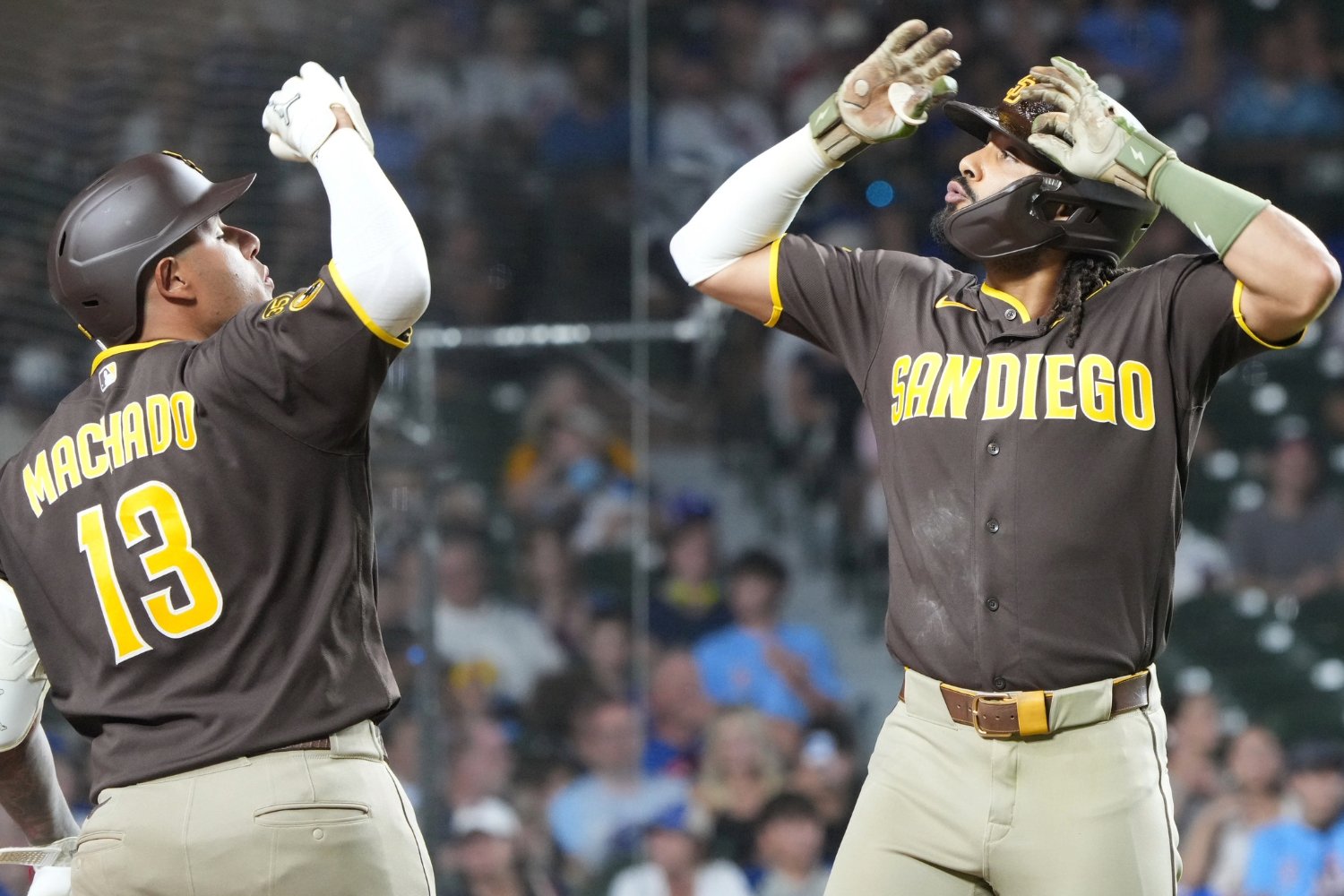 The month of June was a disappointing one for the San Diego Padres, who lost significant ground in the National League West race. After finishing May 1.5 games back from the Los Angeles Dodgers, San Diego went 11-14 in June and enters July 11 games back from the Dodgers. Likewise, they are no longer in control of the final NL wild-card spot. San Diego’s offense has struggled to produce all season. In June, the Padres had the third-fewest home runs in the league with 28, and their 103 runs ranked the seventh-fewest in the league. Looking at a long road to get back into the playoff picture, the Friars are searching for consistent production throughout their lineup. While it was another frustrating month offensively, several hitters showed encouraging signs that could help spark a second-half comeback. Ranking Padres' Best Hitters in June #3 Manny Machado While his season on the surface has been lackluster, the month of June saw Manny Machado show his value. The veteran third baseman led the team with six home runs and 16 RBIs while delivering one of the biggest moments of the month, hitting a walk-off single against the Atlanta Braves on June 23. While Machado is still searching for the consistency expected of him, June showed signs that he is beginning to turn a corner. His batting average improved from .127 in May to .220 in June, while his six home runs provided much-needed power for an offense that lacks it. One area that still needs improvement is his production against off-speed pitches, as he went hitless against them last month (yikes). But while his overall season numbers remain below expectations, Machado’s ability to come through in big moments still makes him an asset for a struggling lineup. #2 Samad Taylor Samad Taylor was promoted to the majors as a depth piece after the team officially quit the Nick Castellanos experiment. Showcasing his versatility by playing multiple positions in the outfield, it has been his bat that has really turned heads. In 22 games, Taylor has hit .336/.416/.410 with a .826 OPS as he added a major spark to the padres struggling offense. Slotting in as high as second in the batting order, Taylor’s speed immediately added a different dimension to San Diego’s offense as he stole six bases and tied Machado for second-most runs scored in June with 12. Although he has seen limited playing time, Taylor has already tied Jackson Merrill and Luis Campusano for the second-highest WAR on the team at 0.6. If he continues producing at this level, he can become a catalyst for the team's second-half turnaround. #1 Fernando Tatis Jr. After a late breakout in May, which saw Tatis end the month batting .296, he carried that momentum over to June, where he batted .318/.356/.509 with a .865 OPS. Improving his season batting average to .280, Tatis led the team with 35 hits, 16 runs and nine doubles as he was one of the team's few bright spots offensively. For a team that has struggled to generate power all season, Tatis has been the focal point of criticism after hitting just one home run through the first two months of the season. While his numbers still pale in comparison to his expected, June saw an adjusted approach to off-speed and breaking balls, which have caused a dramatic increase in his slugging. Tatis hit four home runs in June while slugging .724 against breaking balls and .500 on off-speed pitches, up from .206 and .286, respectively in May. As the Padres try to climb back into the postseason race, Tatis rediscovering his power could be the catalyst that changes the outlook of their season.
 -
The month of May was a rollercoaster for the San Diego Padres. After missing an opportunity to overtake the Los Angeles Dodgers in the National League West standings, they instead found themselves juggling second place with the Arizona Diamondbacks. While the pitching staff remained solid, the offense has still yet to find its footing. The Padres sit in the bottom five of the league for the least amount of runs produced as a team, and much of the blame has fallen on the team's “Big Three” of Fernando Tatis Jr., Manny Machado and Jackson Merrill, all of whom have gotten off to slow starts. More than months into the season, Tatis leads the trio with a modest .266 batting average, while the other two hover slightly above or below the .200 mark. Their contributions have been highly missed as the Padres own a league-worst team batting average of .218. Yet despite their offensive struggles, San Diego remains 32-26 and holds the top National League Wild Card spot. While the lineup has been lackluster, a few unsung heroes have stepped up to make sure the team continues to capitalize on the advantageous positions created by their pitching staff and keep their heads afloat. Ranking Padres' Best Hitters in May #3: Fernando Tatis Jr. While much of the concern surrounding the team has been focused on the struggles of their “Big Three”, Tatis did his best to take his name out of those conversations. In May, Tatis led the team with a .296 batting average and 29 hits, providing a much-needed boost to an offense searching for consistency. His month was highlighted by him hitting his first home run of the season on May 30, ending his career-long 55-game homer-less streak. While his performance garnered a lot of praise, there was still a glaring hole in his game that must be addressed: His bat went cold with runners in scoring position. Despite his strong batting average, Tatis only batted .200 with runners in scoring position and posted a -0.1 weighted runs above average (wRAA). While his performance definitely hints that he is moving in the right direction, the team will need him to start producing in scoring scenarios to take a true step forward. #2: Miguel Andújar In his first season in San Diego, Miguel Andújar continues to be a solid contributor to the middle of the lineup. While he hit just .225 in May, he still recorded 23 hits, four homers, 11 runs scored and 10 RBIs as he solidified himself as the team's number one option at DH. But the month was mostly used as an opportunity to endear himself into the fanbase. Andújar's breakout moment as a Padre came during the team's series against the rival Los Angeles Dodgers. In the three-game series, Andújar homered twice, including a clutch solo shot in the team's 1-0 win in the opener. In a National League West that remains highly contested, Andújar’s production has helped bring life to an offense that is still trying to stay in the playoff picture while working out its kinks. #1: Gavin Sheets In a month that was overall bleak for the Padres' offense, Gavin Sheets emerged as one of the clubs most reliable contributors. In 24 games, Sheets batted .274/.411/.493 with a .904 OPS as he raised his overall batting average to .245. During a stretch where producing runs was scarce, his power proved invaluable. He hit five home runs while bringing in 11 RBIs and scoring 11 runs. Most importantly, he consistently delivered in key situations. With runners in scoring position, Sheets had a batting average of .357 with two home runs and eight RBIs. His biggest moment came on May 13 against the Milwaukee Brewers, when he hit a three-run homer in the top of the ninth inning that propelled them to overcome a shutout and steal a win. In a month that started with Sheets being absent from the lineup and losing at-bats to Ty France, the left-handed slugger quickly changed his perception within the organization. He finished the month batting as high as second in the lineup and is proving himself as one of the team's most dependable power options in 2026. View full article
