


Taylor Leonard
-
Posts
9 -
Joined
-
Last visited
Taylor Leonard's Achievements



-
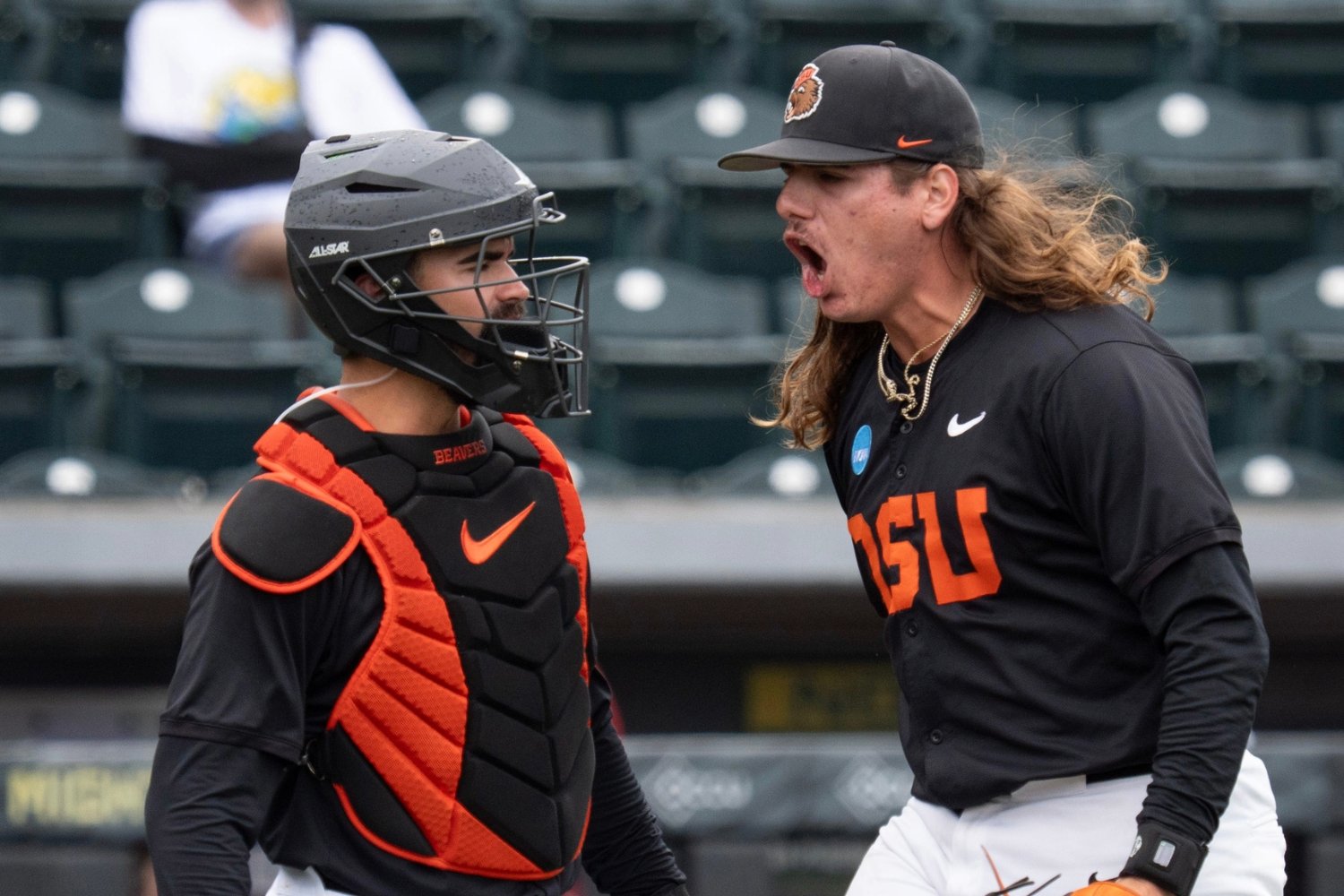 After an eventful two days, we can finally gauge the San Diego Padres' 2026 draft class in its entirety. Check below for initial scouting reports on each of their final 10 picks! Round 11: 1B Chris McHugh The San Diego Padres select McHugh at No. 335 in the MLB draft from North Carolina State. He was not ranked in our MLB mock draft. Last season, he led the Wolf pack with 50 RBIs along with recording a team-record 23 multi-hit games. In 2026, the NY native had a 16-game hitting streak and was named to the All-ACC Second Team. Round 12: LHP Rob Evans With No. 365 pick in the MLB draft, the Padres select Evans from Miami State University. He was not on our big board and finished the 2026 season with a 10-3 record. In addition, Evans had a 3.29 ERA, recording 89 strikeouts in 90 innings pitched. He also became the first pitcher to record at the University of Miami 10 wins in a single season since Michael Mediavilla in 2016. Round 13: OF Michael Smith Jr. The San Diego Padres selected Smith at No. 395 from the University of Dayton. He was ranked number 62 in D1 baseball's top 100 outfielders. In 2026, Smith led the team with 38 stolen bases, slashing a .332/.502/.588. He was also named College Advantage Student-Athlete of the Week twice on April 15 and May 6. Round 14: RHP Ty Brachbill The Padres selected Brachbill at No. 425 from High Point University. He was the Big South Pitcher of the Year in 2026 behind an 11-2 record with a 3.59 ERA. He led the team with 81 strikeouts in 90 innings pitched. He also tossed a complete game, allowing six hits in a 6-2 victory against Radford University. Round 15: SS Ryan Kucherak The Padres took Kucherak with pick No. 445 from Northwestern University. He was not on our consensus board; however, Kucherak became the first Northwestern player to record double digit home runs in consecutive seasons since Stephen Hrustich in 2021-2022. In 2026, Kucherak was also ranked second with a .295 batting average and led the Wildcats with 27 walks along with 11 stolen bases. Round 16: RHP Albert Roblez With pick No. 485, the Padres selected Roblez from Oregon State University. He was not on our big board, but he was a NCBWA First-Team All-American after finishing the 2026 season with a 2-1 record and 1.50 ERA. In addition, he recorded 53 strikeouts in 50 innings pitched. Round 17: RHP Denton Lord The San Diego Padres select Lord at #515 in the MLB draft from South Walton High School committed to Mississippi State. He was ranked #128 on our big board and #80 in the MLB prospect rankings. Here is a summary from our MLB draft coordinator Jamie Cameron: "Lord is a prep pitcher out of Florida committed to Mississippi State. As you might expect from a pitcher who stands 6'8, 220 pounds, there's both present stuff and plenty of projection in the profile. Lord has easy velocity. His fastball will sit at 94 mph but can grab up to 98 mph in shorter outings. It's easy to see a world in which he's touching triple digits with consistency as he fills out and synchs up his delivery with more consistency. For breakers, he's shown a solid affinity for spin, with a firmer slider and a high-70s curveball which can blend together and become slurvy. There's also an emergent changeup in his pitch mix. Lord had TJ surgery as a HS freshman, but he's one of the most projectable right-handed prep pitchers in the class." Additionally, Lord and the first-round draft pick for the Padres, Coleman Borthwick, were teammates at South Walton High School, so there is a possibility of them being in the farm system together. Round 18: C Mark Quatrani With pick No. 545, the Padres grabbed Quatrani from Notre Dame University. In 2026, he crushed a .376/.457/.643 batting line along with hitting 15 home runs. Quatrani also had 24 walks and 66 RBIs in 254 plate appearances. In addition, he was a Buster Posey Collegiate Catcher of the Year Semifinalist and Second Team All-ACC selection in 2026. Round 19: LHP Chris Downs The Padres took Downs with pick No. 575 from Cal Poly University. He was not on our consensus big board, as Downs' ERA increased from 4.09 in 2025 to 5.71 in 2026. Throughout the 2026 season, he recorded 56 strikeouts along with a 1.59 WHIP in 58.1 innings pitched. Round 20: OF Ezekiel Zion The San Diego Padres concluded the MLB draft with Zion, a 2026 Campo Verde High School Graduate from Arizona. He has yet to commit to a college, though Zion ranks #28 in AZ outfielders according to Perfect Game. Zion also won a player of the week award in the state this past season, going 6-for-8 with a home run, four RBIs, and three runs scored while adding a stolen base and a walk.
 -
After an eventful two days, we can finally gauge the San Diego Padres' 2026 draft class in its entirety. Check below for initial scouting reports on each of their final 10 picks! Round 11: 1B Chris McHugh The San Diego Padres select McHugh at No. 335 in the MLB draft from North Carolina State. He was not ranked in our MLB mock draft. Last season, he led the Wolf pack with 50 RBIs along with recording a team-record 23 multi-hit games. In 2026, the NY native had a 16-game hitting streak and was named to the All-ACC Second Team. Round 12: LHP Rob Evans With No. 365 pick in the MLB draft, the Padres select Evans from Miami State University. He was not on our big board and finished the 2026 season with a 10-3 record. In addition, Evans had a 3.29 ERA, recording 89 strikeouts in 90 innings pitched. He also became the first pitcher to record at the University of Miami 10 wins in a single season since Michael Mediavilla in 2016. Round 13: OF Michael Smith Jr. The San Diego Padres selected Smith at No. 395 from the University of Dayton. He was ranked number 62 in D1 baseball's top 100 outfielders. In 2026, Smith led the team with 38 stolen bases, slashing a .332/.502/.588. He was also named College Advantage Student-Athlete of the Week twice on April 15 and May 6. Round 14: RHP Ty Brachbill The Padres selected Brachbill at No. 425 from High Point University. He was the Big South Pitcher of the Year in 2026 behind an 11-2 record with a 3.59 ERA. He led the team with 81 strikeouts in 90 innings pitched. He also tossed a complete game, allowing six hits in a 6-2 victory against Radford University. Round 15: SS Ryan Kucherak The Padres took Kucherak with pick No. 445 from Northwestern University. He was not on our consensus board; however, Kucherak became the first Northwestern player to record double digit home runs in consecutive seasons since Stephen Hrustich in 2021-2022. In 2026, Kucherak was also ranked second with a .295 batting average and led the Wildcats with 27 walks along with 11 stolen bases. Round 16: RHP Albert Roblez With pick No. 485, the Padres selected Roblez from Oregon State University. He was not on our big board, but he was a NCBWA First-Team All-American after finishing the 2026 season with a 2-1 record and 1.50 ERA. In addition, he recorded 53 strikeouts in 50 innings pitched. Round 17: RHP Denton Lord The San Diego Padres select Lord at #515 in the MLB draft from South Walton High School committed to Mississippi State. He was ranked #128 on our big board and #80 in the MLB prospect rankings. Here is a summary from our MLB draft coordinator Jamie Cameron: "Lord is a prep pitcher out of Florida committed to Mississippi State. As you might expect from a pitcher who stands 6'8, 220 pounds, there's both present stuff and plenty of projection in the profile. Lord has easy velocity. His fastball will sit at 94 mph but can grab up to 98 mph in shorter outings. It's easy to see a world in which he's touching triple digits with consistency as he fills out and synchs up his delivery with more consistency. For breakers, he's shown a solid affinity for spin, with a firmer slider and a high-70s curveball which can blend together and become slurvy. There's also an emergent changeup in his pitch mix. Lord had TJ surgery as a HS freshman, but he's one of the most projectable right-handed prep pitchers in the class." Additionally, Lord and the first-round draft pick for the Padres, Coleman Borthwick, were teammates at South Walton High School, so there is a possibility of them being in the farm system together. Round 18: C Mark Quatrani With pick No. 545, the Padres grabbed Quatrani from Notre Dame University. In 2026, he crushed a .376/.457/.643 batting line along with hitting 15 home runs. Quatrani also had 24 walks and 66 RBIs in 254 plate appearances. In addition, he was a Buster Posey Collegiate Catcher of the Year Semifinalist and Second Team All-ACC selection in 2026. Round 19: LHP Chris Downs The Padres took Downs with pick No. 575 from Cal Poly University. He was not on our consensus big board, as Downs' ERA increased from 4.09 in 2025 to 5.71 in 2026. Throughout the 2026 season, he recorded 56 strikeouts along with a 1.59 WHIP in 58.1 innings pitched. Round 20: OF Ezekiel Zion The San Diego Padres concluded the MLB draft with Zion, a 2026 Campo Verde High School Graduate from Arizona. He has yet to commit to a college, though Zion ranks #28 in AZ outfielders according to Perfect Game. Zion also won a player of the week award in the state this past season, going 6-for-8 with a home run, four RBIs, and three runs scored while adding a stolen base and a walk. View full article
-
Over the weekend, the unimaginable happened, as San Diego Padres superstar Fernando Tatis Jr. hit his first home run of the season in Washington. The amount of relief he had after that moonshot brought emotion not just to himself, but the team was ready to embrace him with open arms. Taking a 1-0 pitch from Nationals lefty Foster Griffin into the left-field seats at Nationals Park, Tatis launched the ball 451 feet. The blast was not just a sigh of relief, but his longest home run since September 30, 2021 against the Los Angels Dodgers. Tatis knew exactly what he did the moment it left his bat, offering a rare, prolonged hesitation at the plate before executing his trademark stutter step around third base. Throughout this season, Tatis has been struggling offensively compared to the past couple of years. He had a stellar start to the 2025 season, belting eight home runs in April with a .325 batting average, making his 2026 power outage all the more confounding. Even though he was still hitting the ball hard and ranking near the top of the league in bat speed, a heavy groundball rate and a lack of pulled fly balls suppressed his power. Despite the challenges faced, Tatis remains a positive force on the team. Currently, he has a .658 OPS in 245 plate appearances, raising questions about his mental state during this power outage, as well as his struggling launch angle this season. Navigating such a steep statistical drop-off from his usual standard inevitably invites scrutiny regarding the psychological toll of the slump. Yet, his cultural influence stretches far beyond the numbers on a scoreboard. With his custom cleats and high-energy style, Tatis remains a primary blueprint for the modern, expressive athlete. Young ballplayers around the globe still mimic his iconic dugout presence and aggressive base running, proving that his status as an icon transcends temporary slump cycles. On the field, baseball is a game of microscopic physical adjustments and managing high failure rates. Off the field, he carries the responsibility of being a generational face of the sport. When he finally connected with that 1-0 pitch in Washington, launching it at 114 mph, it was a reminder to his young fans that even the most elite athletes have to work through technical slumps. The raw emotion he showed after the hit taught a valuable lesson to the next generation about structural perseverance, physical resilience, and the mechanical execution required to break through a difficult hitting drought. Now that the zero is officially gone from his home-run column, the rest of the league is on high alert. While the Padres ultimately dropped the game 9-4 to the Nationals, the long-term victory was getting their franchise cornerstone back on track. With recent multi-hit performances showing that his swing mechanics are syncing up, this historic moonshot in Washington could very well serve as the launching pad for a dominant summer surge. The fact that Tatis can finally breathe is a huge deal for not just himself, but the rest of the team. He won't approach any career highs, but if he gets back on his usual career pace of long balls, the Friars will have their middle-of-the-lineup problems solved. View full article
-
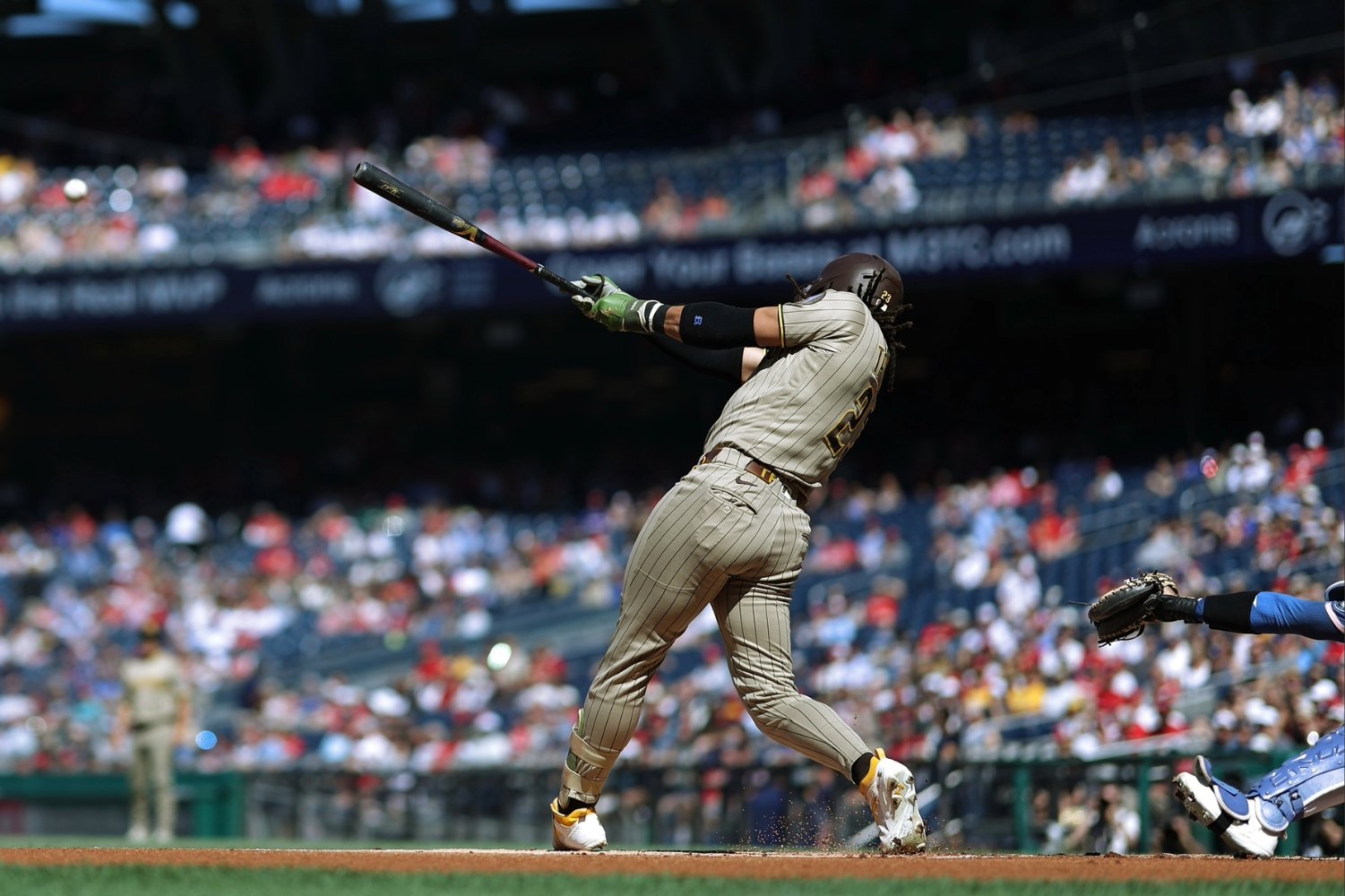 Over the weekend, the unimaginable happened, as San Diego Padres superstar Fernando Tatis Jr. hit his first home run of the season in Washington. The amount of relief he had after that moonshot brought emotion not just to himself, but the team was ready to embrace him with open arms. Taking a 1-0 pitch from Nationals lefty Foster Griffin into the left-field seats at Nationals Park, Tatis launched the ball 451 feet. The blast was not just a sigh of relief, but his longest home run since September 30, 2021 against the Los Angels Dodgers. Tatis knew exactly what he did the moment it left his bat, offering a rare, prolonged hesitation at the plate before executing his trademark stutter step around third base. Throughout this season, Tatis has been struggling offensively compared to the past couple of years. He had a stellar start to the 2025 season, belting eight home runs in April with a .325 batting average, making his 2026 power outage all the more confounding. Even though he was still hitting the ball hard and ranking near the top of the league in bat speed, a heavy groundball rate and a lack of pulled fly balls suppressed his power. Despite the challenges faced, Tatis remains a positive force on the team. Currently, he has a .658 OPS in 245 plate appearances, raising questions about his mental state during this power outage, as well as his struggling launch angle this season. Navigating such a steep statistical drop-off from his usual standard inevitably invites scrutiny regarding the psychological toll of the slump. Yet, his cultural influence stretches far beyond the numbers on a scoreboard. With his custom cleats and high-energy style, Tatis remains a primary blueprint for the modern, expressive athlete. Young ballplayers around the globe still mimic his iconic dugout presence and aggressive base running, proving that his status as an icon transcends temporary slump cycles. On the field, baseball is a game of microscopic physical adjustments and managing high failure rates. Off the field, he carries the responsibility of being a generational face of the sport. When he finally connected with that 1-0 pitch in Washington, launching it at 114 mph, it was a reminder to his young fans that even the most elite athletes have to work through technical slumps. The raw emotion he showed after the hit taught a valuable lesson to the next generation about structural perseverance, physical resilience, and the mechanical execution required to break through a difficult hitting drought. Now that the zero is officially gone from his home-run column, the rest of the league is on high alert. While the Padres ultimately dropped the game 9-4 to the Nationals, the long-term victory was getting their franchise cornerstone back on track. With recent multi-hit performances showing that his swing mechanics are syncing up, this historic moonshot in Washington could very well serve as the launching pad for a dominant summer surge. The fact that Tatis can finally breathe is a huge deal for not just himself, but the rest of the team. He won't approach any career highs, but if he gets back on his usual career pace of long balls, the Friars will have their middle-of-the-lineup problems solved.
 -
If you watch a San Diego Padres game this year, you'll note that closer Mason Miller makes major-league hitters look like they are playing on a broken video game simulator. Headlines are rightfully tracking his staggering 19.4 K/9 ratio across 8.1 innings in May. However, analyzing Miller purely through box scores ignores a fascinating web of cause-and-effect, league-wide context, inherent player risk, and macroscopic team strategy. Evaluating a relief pitcher’s monthly impact through Wins Above Replacement (WAR) usually yields a microscopic number. Because relievers throw limited innings compared to everyday starters, building massive value over a four-week span is difficult. Yet, Miller’s May output has been an entirely different beast, propelling his seasonal total to a team-leading 1.3 WAR. What makes his May metrics so unique is how he is generating value. Looking closely at his game logs, his pinpoint command has actually wavered slightly this month. He's walked a total of six batters in eight appearances, including tight outings against both the St. Louis Cardinals and Los Angeles Dodgers. However, against the relievers' former team, the Athletics, he was back to his former self while lowering his WHIP to 1.20. Normally, a sudden spike in walks destroys a reliever's value. However, Miller has weaponized an extreme strikeout-or-nothing approach to completely erase his own mistakes. Across 36 total batters faced in May, he has collected 18 strikeouts. It's not hard to understand how he's maintaining a stellar 0.76 seasonal ERA over 23 appearances when he's striking out half the hitters he faces. In May, Miller weaponized a devastating two-pitch mix, highlighted by a slider generating an astronomical 51% whiff rate during this dominant stretch. To put that figure in context, the average major-league slider yields roughly a 35% whiff rate. He relies heavily on a four-seam fastball, throwing it 45% of the time, that sits at an average velocity of 101.3 mph. By suffocating batters with triple-digit heat and a historic breaking ball, he creates an inescapable defensive vacuum. The ultimate team-wide benefit of Miller’s bizarre May numbers is structural. When a closer can guarantee strikeouts at a 19.4 K/9 clip, it alters the Padres' entire bullpen blueprint. By completely removing the ball from play, Miller eliminates "luck" from the 9th inning. There are no sacrifice flies, bloop hits, or defensive errors to worry about. This security blanket allows the coaching staff to exhaust their best middle-relief bridge options in the 7th and 8th frames. They do not have to hold back high-leverage arms out of fear of extra innings. While his maximum-effort velocity creates an inherent health tightrope, his dominant month of May proves that extreme high-leverage efficiency can bend a team's entire winning strategy in your favor. Throughout the rest of the season, Miller will continue to dominate on the mound, anchoring the bullpen while leading the National League with 16 saves. Cleveland Guardians reliever Cade Smith is currently two ahead of him on that front; however, there is still plenty of baseball to be played. While his challenges with walk ratios and workload in May remind us of his human side, the historically elite strikeout metrics leave no doubt why the Friar faithful firmly believe in him as our closer of the future. View full article
-
The Mechanics Behind Mason Miller’s Modern Relief Masterclass
Taylor Leonard posted an article in Padres
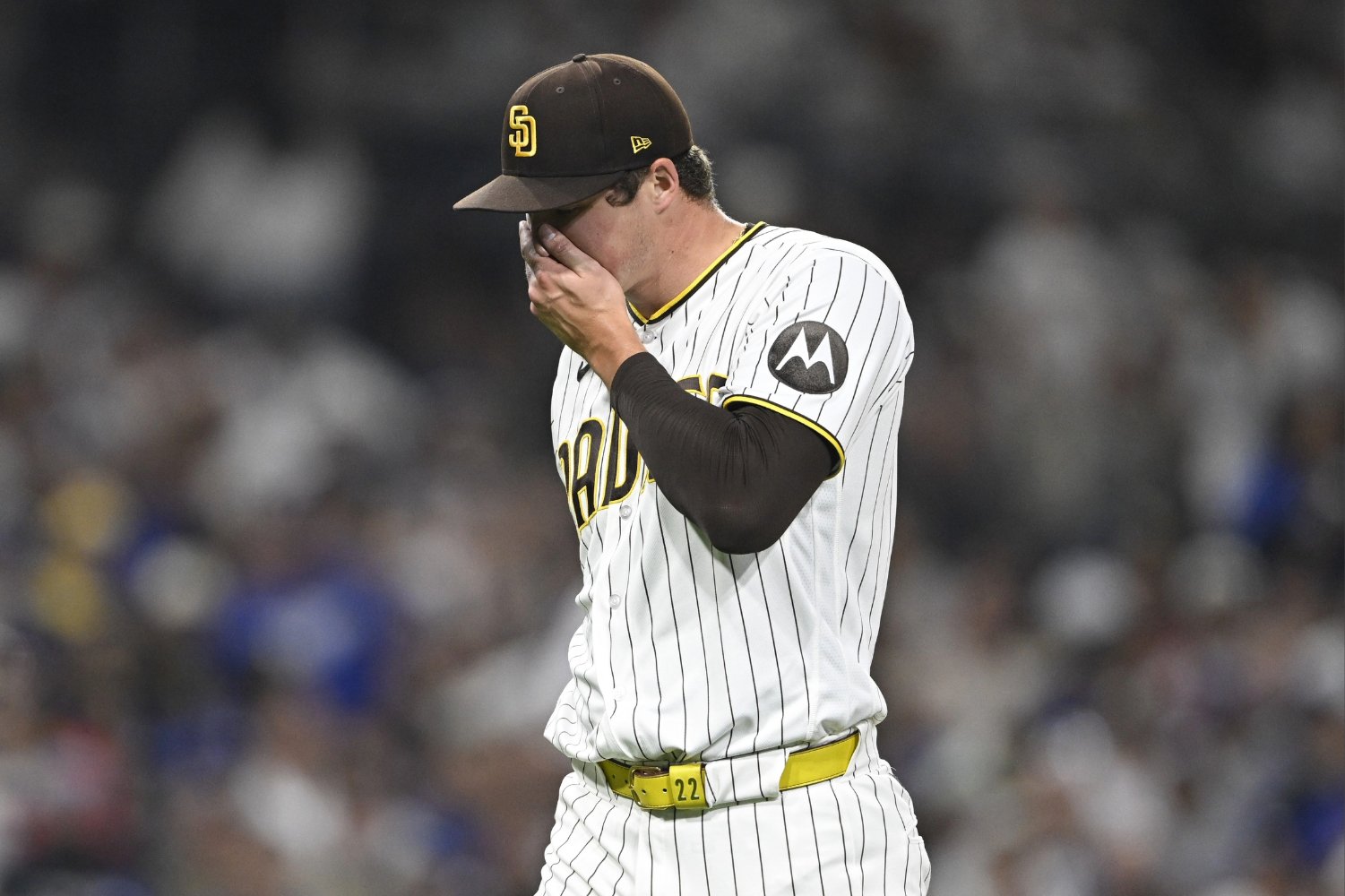 If you watch a San Diego Padres game this year, you'll note that closer Mason Miller makes major-league hitters look like they are playing on a broken video game simulator. Headlines are rightfully tracking his staggering 19.4 K/9 ratio across 8.1 innings in May. However, analyzing Miller purely through box scores ignores a fascinating web of cause-and-effect, league-wide context, inherent player risk, and macroscopic team strategy. Evaluating a relief pitcher’s monthly impact through Wins Above Replacement (WAR) usually yields a microscopic number. Because relievers throw limited innings compared to everyday starters, building massive value over a four-week span is difficult. Yet, Miller’s May output has been an entirely different beast, propelling his seasonal total to a team-leading 1.3 WAR. What makes his May metrics so unique is how he is generating value. Looking closely at his game logs, his pinpoint command has actually wavered slightly this month. He's walked a total of six batters in eight appearances, including tight outings against both the St. Louis Cardinals and Los Angeles Dodgers. However, against the relievers' former team, the Athletics, he was back to his former self while lowering his WHIP to 1.20. Normally, a sudden spike in walks destroys a reliever's value. However, Miller has weaponized an extreme strikeout-or-nothing approach to completely erase his own mistakes. Across 36 total batters faced in May, he has collected 18 strikeouts. It's not hard to understand how he's maintaining a stellar 0.76 seasonal ERA over 23 appearances when he's striking out half the hitters he faces. In May, Miller weaponized a devastating two-pitch mix, highlighted by a slider generating an astronomical 51% whiff rate during this dominant stretch. To put that figure in context, the average major-league slider yields roughly a 35% whiff rate. He relies heavily on a four-seam fastball, throwing it 45% of the time, that sits at an average velocity of 101.3 mph. By suffocating batters with triple-digit heat and a historic breaking ball, he creates an inescapable defensive vacuum. The ultimate team-wide benefit of Miller’s bizarre May numbers is structural. When a closer can guarantee strikeouts at a 19.4 K/9 clip, it alters the Padres' entire bullpen blueprint. By completely removing the ball from play, Miller eliminates "luck" from the 9th inning. There are no sacrifice flies, bloop hits, or defensive errors to worry about. This security blanket allows the coaching staff to exhaust their best middle-relief bridge options in the 7th and 8th frames. They do not have to hold back high-leverage arms out of fear of extra innings. While his maximum-effort velocity creates an inherent health tightrope, his dominant month of May proves that extreme high-leverage efficiency can bend a team's entire winning strategy in your favor. Throughout the rest of the season, Miller will continue to dominate on the mound, anchoring the bullpen while leading the National League with 16 saves. Cleveland Guardians reliever Cade Smith is currently two ahead of him on that front; however, there is still plenty of baseball to be played. While his challenges with walk ratios and workload in May remind us of his human side, the historically elite strikeout metrics leave no doubt why the Friar faithful firmly believe in him as our closer of the future.
 -
José Miranda might not have been the biggest name the San Diego Padres moved for this winter, but he could be the most important. As a former top prospect with a knack for making contact, he offers the kind of infield depth and offensive stability a lineup like the Friars' desperately needs. The Minnesota Twins signed Miranda in the second round back in 2016, but it took a few years for everything to click. When it did, it was loud. His 2021 breakout saw him tear through the minors with a .344 average and a massive .973 OPS. That performance forced Minnesota’s hand, leading to a 2022 debut where he proved he belonged, putting up a solid .751 OPS over 125 games as a rookie. This winter, Miranda landed in San Diego on a minor-league deal, putting an end to a four-year run with the Twins that had its fair share of highs and lows. For the 27-year-old, it’s about more than just a change of scenery, it’s a chance to prove he’s still the same hitter who looked like a cornerstone just a few years ago. After a shoulder injury derailed his 2023 season and left him with a career-low .211 average, he showed real life in 2024, bouncing back with a solid .763 OPS and proving that his bat is still capable of starter-caliber production. Last season, he spent the majority of the year back in the minors after losing himself at the plate. If there was any doubt about his health, Miranda silenced it early this spring. He tore through the Cactus League with a .304 average, even putting together an impressive 5-for-6 stretch with six RBIs in his first two games. It was the kind of 'torrid' start that nearly forced him onto the Opening Day roster and proved that the talent Minnesota gave up on is very much alive. At his peak, Miranda is a contact-first machine. While half the league is swinging for the fences and living with high strikeout rates, he lives on making contact and forcing the defense to make plays. It’s a profile that fits like a glove in this Padres order, especially when you consider how often the offense has gone cold the moment you get past the 'Big Three' at the top of the card. If San Diego can help him find the rhythm that injuries stole from him over the last two years, they might have found the steal of the 2026 offseason. Right now, Miranda is doing exactly what he needs to do in El Paso, making a significant impact on the team. He’s already knocked four balls out of the park this season in Triple-A, hence his robust .196 ISO. With a solid .774 OPS and several months of the season left to play, he’s making it harder and harder for the Padres to keep him in the minors if the big-league offense hits a snag. At 27, Miranda is entering his prime, and his ability to plug holes at first, third, or DH gives Craig Stammen the kind of tactical flexibility the Padres crave. In a 162-game grind where rest days and 'tweaked' hamstrings are inevitable, having a guy who can provide a professional at-bat while moving around the diamond is a massive luxury. Slotting Miranda into a lineup that already features Fernando Tatis Jr., Manny Machado, and Xander Bogaerts takes the pressure off. He wouldn't be expected to carry the team on his back; he just needs to be a 'link in the chain' doing his job and keeping the line moving when the stars need a lift. The Padres have built a reputation for finding overlooked talent and giving careers a second act. José Miranda may not be the flashiest name in the system right now, but as the summer heat hits and the NL West race tightens, he could quietly become the depth piece that keeps San Diego’s October dreams on track. View full article
-
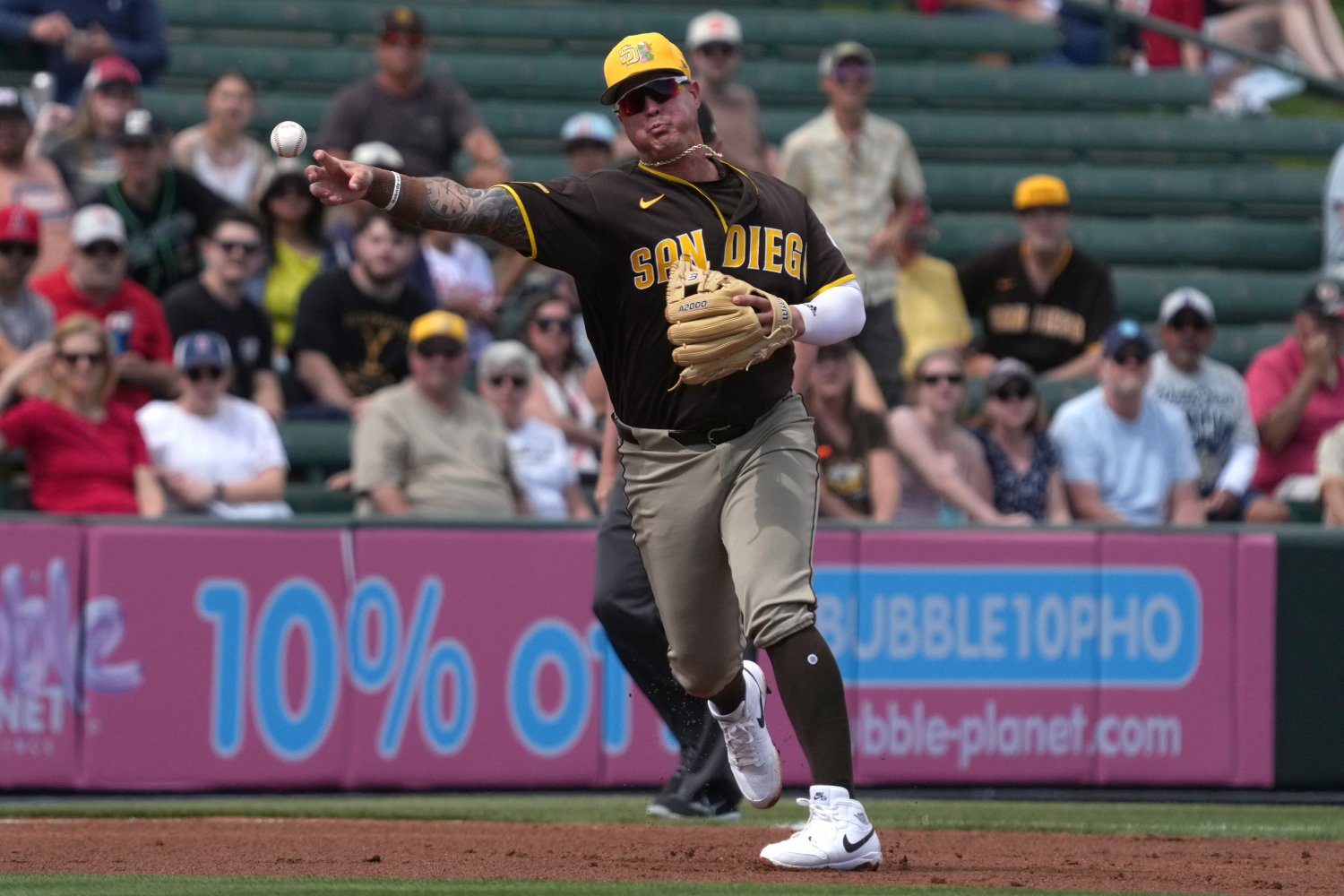 José Miranda might not have been the biggest name the San Diego Padres moved for this winter, but he could be the most important. As a former top prospect with a knack for making contact, he offers the kind of infield depth and offensive stability a lineup like the Friars' desperately needs. The Minnesota Twins signed Miranda in the second round back in 2016, but it took a few years for everything to click. When it did, it was loud. His 2021 breakout saw him tear through the minors with a .344 average and a massive .973 OPS. That performance forced Minnesota’s hand, leading to a 2022 debut where he proved he belonged, putting up a solid .751 OPS over 125 games as a rookie. This winter, Miranda landed in San Diego on a minor-league deal, putting an end to a four-year run with the Twins that had its fair share of highs and lows. For the 27-year-old, it’s about more than just a change of scenery, it’s a chance to prove he’s still the same hitter who looked like a cornerstone just a few years ago. After a shoulder injury derailed his 2023 season and left him with a career-low .211 average, he showed real life in 2024, bouncing back with a solid .763 OPS and proving that his bat is still capable of starter-caliber production. Last season, he spent the majority of the year back in the minors after losing himself at the plate. If there was any doubt about his health, Miranda silenced it early this spring. He tore through the Cactus League with a .304 average, even putting together an impressive 5-for-6 stretch with six RBIs in his first two games. It was the kind of 'torrid' start that nearly forced him onto the Opening Day roster and proved that the talent Minnesota gave up on is very much alive. At his peak, Miranda is a contact-first machine. While half the league is swinging for the fences and living with high strikeout rates, he lives on making contact and forcing the defense to make plays. It’s a profile that fits like a glove in this Padres order, especially when you consider how often the offense has gone cold the moment you get past the 'Big Three' at the top of the card. If San Diego can help him find the rhythm that injuries stole from him over the last two years, they might have found the steal of the 2026 offseason. Right now, Miranda is doing exactly what he needs to do in El Paso, making a significant impact on the team. He’s already knocked four balls out of the park this season in Triple-A, hence his robust .196 ISO. With a solid .774 OPS and several months of the season left to play, he’s making it harder and harder for the Padres to keep him in the minors if the big-league offense hits a snag. At 27, Miranda is entering his prime, and his ability to plug holes at first, third, or DH gives Craig Stammen the kind of tactical flexibility the Padres crave. In a 162-game grind where rest days and 'tweaked' hamstrings are inevitable, having a guy who can provide a professional at-bat while moving around the diamond is a massive luxury. Slotting Miranda into a lineup that already features Fernando Tatis Jr., Manny Machado, and Xander Bogaerts takes the pressure off. He wouldn't be expected to carry the team on his back; he just needs to be a 'link in the chain' doing his job and keeping the line moving when the stars need a lift. The Padres have built a reputation for finding overlooked talent and giving careers a second act. José Miranda may not be the flashiest name in the system right now, but as the summer heat hits and the NL West race tightens, he could quietly become the depth piece that keeps San Diego’s October dreams on track.
