


Brandon Glick
-
Posts
109 -
Joined
-
Last visited
Content Type
Profiles
San Diego Padres Videos
2026 San Diego Padres Top Prospects Ranking
San Diego Padres Free Agent & Trade Rumors, Notes, & Tidbits
Guides & Resources
2025 San Diego Padres Draft Pick Tracker
News
2026 San Diego Padres Draft Tracker: Picks & Bonuses
Forums
Blogs
Events
Store
Downloads
Gallery
Everything posted by Brandon Glick
-
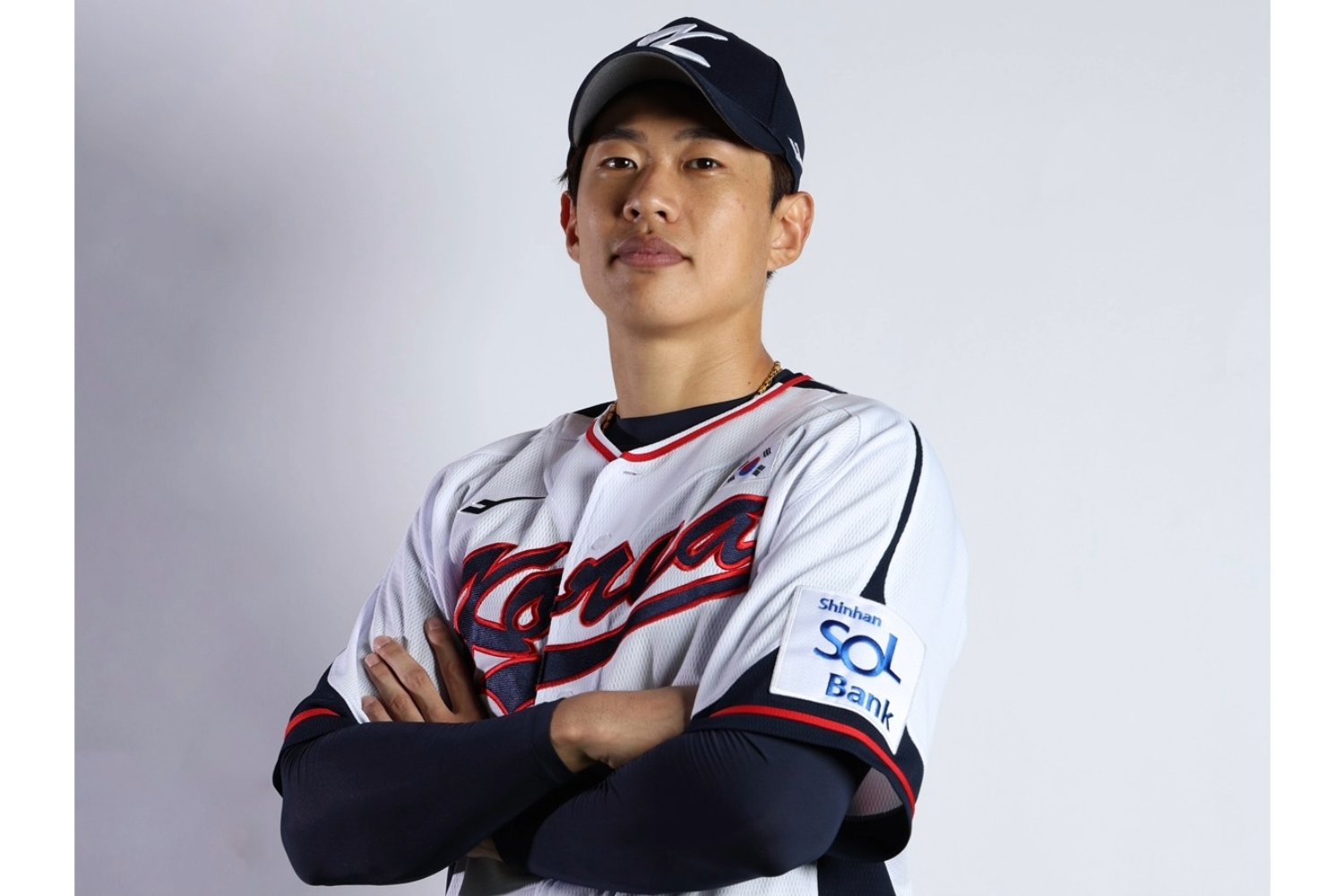 Well, someone finally woke A.J. Preller up. Mere hours after securing the services of Michael King in free agency, the San Diego Padres have agreed to sign Korean infielder Sung Mun Song. It appears to be a three-year deal for $13 million, meaning the Padres' will owe Song and King roughly $29 million combined in 2026. The starting third baseman for the Kiwoom Heroes of the Korean Baseball Organization, it's unclear if the Padres foresee a position change for Song (first base?) or if there are internal plans to shift Manny Machado elsewhere (which seems unlikely). Either way, adding Song's bat should be a huge boon for the Padres' offense, as he's coming off a season in which he posted a .917 OPS in 144 games. He also hit career highs in home runs (26) and stolen bases (25). Song has played first and second base as well at points of his career, and the 29-year-old offers enough versatility and power and speed to fill any number of roles as a starter or off Craig Stammen's bench. He's looking to join former teammates Ha-Seong Kim, Jung Hoo Lee, and Hyeseong Kim in America as successful KBO to MLB converts. Originally debuting as a teenager in the KBO, Song took a long while to find his All-Star stride before breaking out in 2024 (.927 OPS in 142 games). Comparisons to former Padre Ha-Seong Kim ring loud, as Kim emerged as a legitimate star in 2023, finishing 14th in MVP voting and winning a Gold Glove Award as a utility player. Suggesting Song has less power than Kim isn't ideal seeing as the latter has hit 14 home runs per 162 games in his MLB career, but he's also been valuable enough to sign a one-year, $20 million contract with the Atlanta Braves after an injury-plagued campaign. That'll be the Friars' hope with Song — someone who can provide above-marginal value in a lot of areas, rather than exceptional production in any one domain. If no other moves are made, he may get the first crack at starting at first base, though it's just as possible that the Padres are eyeing a similar utility role as the one Kim used to star in. Like King, Song now poses some intriguing trade and free-agent possibilities for A.J. Preller. Does the Korean infielder's presence embolden Preller to seriously consider trading Jake Cronenworth? Or perhaps this will lead to a first base platoon of Song and someone like Paul Goldschmidt? Is there a blockbuster trade for a slugging infielder coming, with the team eyeing song as a replacement for an outgoing piece (or the primary option off the bench)? Only time will tell on these fronts, but it's clear that the Padres have heard the call to action. Within a span of 10 hours, they've added key pieces to their rotation and offense, making the team significantly deeper in the process. If nothing else, that's a huge win considering where things stood 24 hours ago.
 -
Well, someone finally woke A.J. Preller up. Mere hours after securing the services of Michael King in free agency, the San Diego Padres have agreed to sign Korean infielder Sung Mun Song. It appears to be a three-year deal for $13 million, meaning the Padres' will owe Song and King roughly $29 million combined in 2026. The starting third baseman for the Kiwoom Heroes of the Korean Baseball Organization, it's unclear if the Padres foresee a position change for Song (first base?) or if there are internal plans to shift Manny Machado elsewhere (which seems unlikely). Either way, adding Song's bat should be a huge boon for the Padres' offense, as he's coming off a season in which he posted a .917 OPS in 144 games. He also hit career highs in home runs (26) and stolen bases (25). Song has played first and second base as well at points of his career, and the 29-year-old offers enough versatility and power and speed to fill any number of roles as a starter or off Craig Stammen's bench. He's looking to join former teammates Ha-Seong Kim, Jung Hoo Lee, and Hyeseong Kim in America as successful KBO to MLB converts. Originally debuting as a teenager in the KBO, Song took a long while to find his All-Star stride before breaking out in 2024 (.927 OPS in 142 games). Comparisons to former Padre Ha-Seong Kim ring loud, as Kim emerged as a legitimate star in 2023, finishing 14th in MVP voting and winning a Gold Glove Award as a utility player. Suggesting Song has less power than Kim isn't ideal seeing as the latter has hit 14 home runs per 162 games in his MLB career, but he's also been valuable enough to sign a one-year, $20 million contract with the Atlanta Braves after an injury-plagued campaign. That'll be the Friars' hope with Song — someone who can provide above-marginal value in a lot of areas, rather than exceptional production in any one domain. If no other moves are made, he may get the first crack at starting at first base, though it's just as possible that the Padres are eyeing a similar utility role as the one Kim used to star in. Like King, Song now poses some intriguing trade and free-agent possibilities for A.J. Preller. Does the Korean infielder's presence embolden Preller to seriously consider trading Jake Cronenworth? Or perhaps this will lead to a first base platoon of Song and someone like Paul Goldschmidt? Is there a blockbuster trade for a slugging infielder coming, with the team eyeing song as a replacement for an outgoing piece (or the primary option off the bench)? Only time will tell on these fronts, but it's clear that the Padres have heard the call to action. Within a span of 10 hours, they've added key pieces to their rotation and offense, making the team significantly deeper in the process. If nothing else, that's a huge win considering where things stood 24 hours ago. View full article
-
We'll keep this short and sweet: The San Diego Padres have finally addressed the starting rotation, adding Michael King back on a three-year, $75 million deal. There's a lot to discuss here. Though injuries diminished his effectiveness in 2025, the 30-year-old successfully completed his transition from the bullpen to the rotation in 2024, pitching to a 2.95 ERA and 3.33 FIP in 173 2/3 innings while accruing 3.9 fWAR. This past season wasn't as great (3.44 ERA, 4.42 FIP), but King was hampered by various injuries; when healthy, he's proven capable of being a frontline starter. The Padres' rotation looks much better with King in tow, with he, Nick Pivetta, and Joe Musgrove forming a formidable triumvirate atop the pitching staff. Especially after losing Dylan Cease, keeping King around ensures that the Friars have enough pitching firepower to at least hang around in the Wild Card race. Other questions to ponder in the immediate aftermath of this move: What's the next move the team should make? The rotation still probably needs at least one more legitimate starter to compete with the National League's best — is there room in the budget for another marquee addition? Speaking of the budget, did the Padres make the right call by spending (what appears to be) all of their budget on King? There were other top-tier starter (Framber Valdez, Ranger Suarez) available, as well as a few trade candidates with hefty salaries. Does this make a trade of Nick Pivetta (or one of the bullpen arms) more or less likely? King has player options in each year of this contract, though his salary escalates every time he opts in. Is it possible that he'll stick around for all three years, or is this just a one-year deal with a lot of window dressing? We won't know the answer to any of those for some time, but with Christmas barreling toward us and the New Year on the horizon, securing their Opening Day starter's services again is a huge boon — and a reason to breath a sigh of relief. The Padres will at least be able to field a competitive starting pitching group next year, and now there's some legitimate upside to be excited by. For plenty more on the King re-signing, stay tuned to Padres Mission. View full article
-
The King Returns: Padres Agree to Three-Year Contract With Michael King
Brandon Glick posted an article in Padres
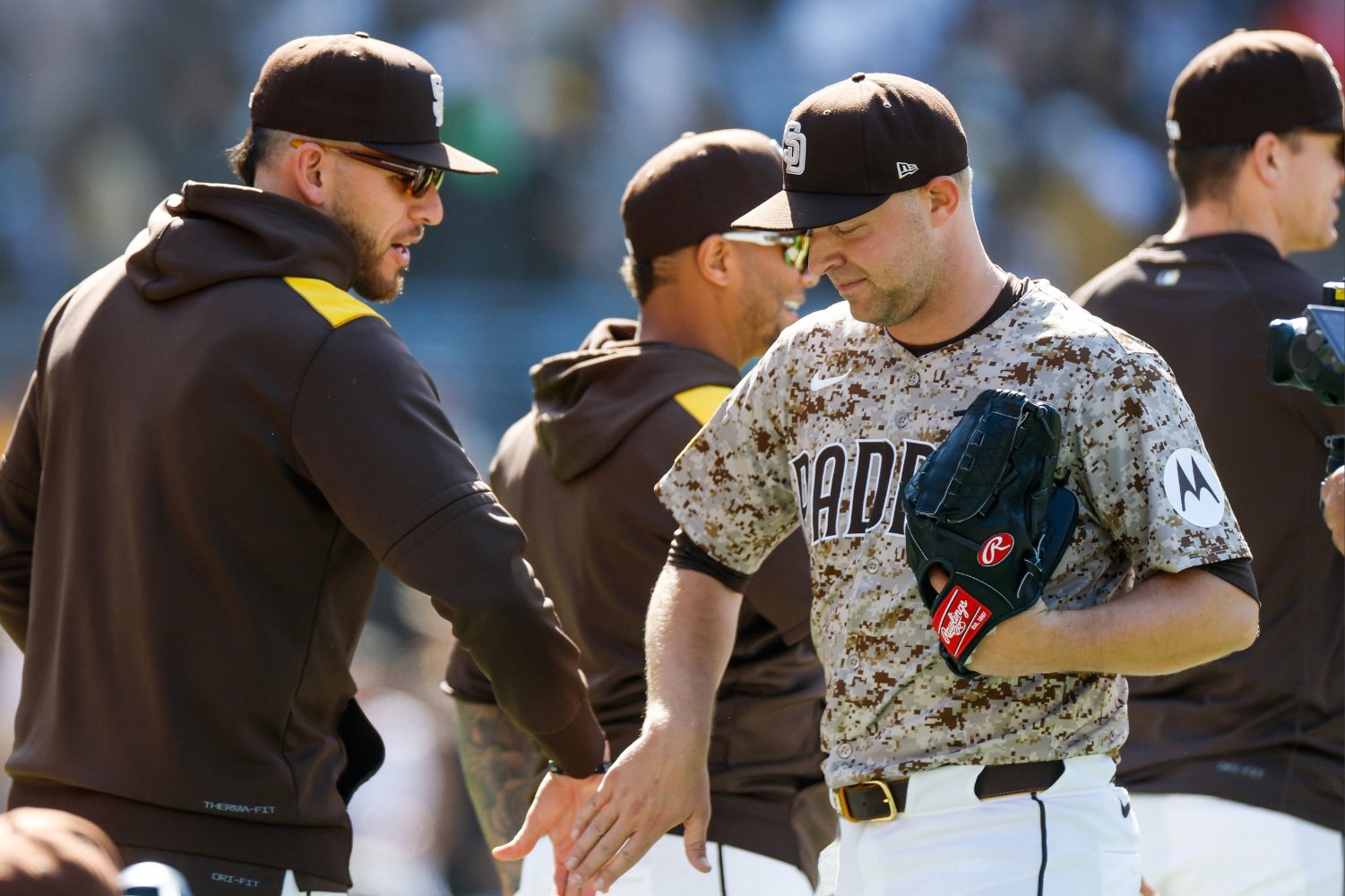 We'll keep this short and sweet: The San Diego Padres have finally addressed the starting rotation, adding Michael King back on a three-year, $75 million deal. There's a lot to discuss here. Though injuries diminished his effectiveness in 2025, the 30-year-old successfully completed his transition from the bullpen to the rotation in 2024, pitching to a 2.95 ERA and 3.33 FIP in 173 2/3 innings while accruing 3.9 fWAR. This past season wasn't as great (3.44 ERA, 4.42 FIP), but King was hampered by various injuries; when healthy, he's proven capable of being a frontline starter. The Padres' rotation looks much better with King in tow, with he, Nick Pivetta, and Joe Musgrove forming a formidable triumvirate atop the pitching staff. Especially after losing Dylan Cease, keeping King around ensures that the Friars have enough pitching firepower to at least hang around in the Wild Card race. Other questions to ponder in the immediate aftermath of this move: What's the next move the team should make? The rotation still probably needs at least one more legitimate starter to compete with the National League's best — is there room in the budget for another marquee addition? Speaking of the budget, did the Padres make the right call by spending (what appears to be) all of their budget on King? There were other top-tier starter (Framber Valdez, Ranger Suarez) available, as well as a few trade candidates with hefty salaries. Does this make a trade of Nick Pivetta (or one of the bullpen arms) more or less likely? King has player options in each year of this contract, though his salary escalates every time he opts in. Is it possible that he'll stick around for all three years, or is this just a one-year deal with a lot of window dressing? We won't know the answer to any of those for some time, but with Christmas barreling toward us and the New Year on the horizon, securing their Opening Day starter's services again is a huge boon — and a reason to breath a sigh of relief. The Padres will at least be able to field a competitive starting pitching group next year, and now there's some legitimate upside to be excited by. For plenty more on the King re-signing, stay tuned to Padres Mission.
 -
It's no secret that the San Diego Padres' best unit is the bullpen. An offense with big names but meager production and a rotation that may struggle to put warm bodies on the mound can hardly amount to the awe-inspiring awesomeness of a relief corps helmed by Mason Miller, Adrian Morejon, Jeremiah Estrada, and others. That's true even when accounting for the losses of Robert Suarez in free agency and Jason Adam to injury. The Friars' bullpen ranked first in MLB in ERA (3.06) and saves (49) this past season while finishing top-three in strikeout rate (25.8%) and FIP (3.53). The group was dominant, and the same should be the case in 2026, so long as A.J. Preller doesn't get any bright ideas or blockbuster trade proposals. Everyone's stats are impressive, and I don't need to inundate you with all of them here; Miller (2.23 FIP, 44.4% strikeout rate), Morejon (2.28 FIP, .147 wOBA allowed to left-handed batters), Estrada (3.55 FIP, team-leading 77 appearances), and Adam (3.07 FIP, 33.3% whiff rate) all thrived in their respective domains of expertise. So long as that quarter is healthy and still on the roster, they'll form the backbone of the Padres' high-leverage operation. Even the team's next tier of relievers is a sturdy bunch — Wandy Peralta, David Morgan, and Bradgley Rodriguez all had strong results in 2025, and as middle-inning relievers, they can surely be counted on to bridge the gap between the... questionable starting rotation and the fantastic back-end of the bullpen. And none of this even accounts for the swingmen the team has signed in free agency this offseason (Kyle Hart, Ty Adcock, and Daison Acosta). There's impact, depth, and everything in between in this bullpen. Truly, the Padres should feel comfortable leaning hard on the unit in 2026. That brings us to Yuki Matsui, who occupies a bizarre space as a good reliever in an elite bullpen. The 30-year-old southpaw has two years remaining (plus a player option) on the original five-year contract he signed back in 2023, and he's been aggressively average in his two years with the Padres. In 126 innings, he's logged a 3.86 ERA, 3.52 xERA, and 4.40 FIP in 126.0 innings, all totaling up to exactly 0.0 fWAR. That's not a "bad" pitcher by any means, but among a crowd of thunderbolt-hurling closers and lefty-dominating southpaws, Matsui stands out only because he doesn't stand out. He was better in 2024 than he was this past season, but concerns about his size (5'8", 165 pounds when soaking wet) and lackluster velocity have proven valid against big-league competition. After striking out more than 33% of hitters in NPB from 2018-23, he's sitting at a 24.6% strikeout rate in MLB. Again, there's nothing wrong with a low-leverage reliever who posts mid-3.00 ERAs and strikes out a quarter of the batters he faces. But Matsui was billed for so much more after shredding Japanese hitters to the tune of a 2.40 ERA with the Tohoku Rakuten Golden Eagles. He's still getting hitters to whiff and chase at above-average rates, but his failure to induce ground balls or limit free passes has earned him a demotion to the third-string lefty role out of the 'pen. None of this means Matsui can't put together the caliber of season his overseas success once portended. His splitter (.249 xwOBA in 2025) remains an effective offering against right-handed batters, hence why he's held reverse splits with the Padres. His fastball (40% usage in MLB) remains problematic, though he's gotten enough production out of his slider and sweeper versus lefties to hold them relatively in check. The primary issue is that he's got no vertical variance in his offerings — his slider, sweeper, and splitter all hover within a few inches of each other on the y-axis — other than his fastball, which is so dependent on induced rise that it tends to get hammered if it's not up in the zone. The reintroduction of his curveball or sinker might help matters, but as a one-inning reliever, developing a fifth or even sixth pitch isn't high on the list of priorities for Matsui; he needs to find the right balance of his current offerings to stand a better chance against MLB competition. *Graphic courtesy of Baseball Savant The real trap facing Matsui is what the preamble of this article discussed: opportunity. Barring injury, there's just not many visible paths for the left-hander to garner any type of meaningful innings for Craig Stammen in 2026. His reverse splits mean Peralta or Morejon will always get the preferential treatment against left-handed batters, and his lack of elite strikeout stuff will keep him from getting leverage spots with people on base. I'd be remiss not to wrap this up with a final reminder that Yuki Matsui is a good pitcher. He'll never be as dominant as Mason Miller or Adrian Morejon, but neither will 99% of professional pitchers. They just represent a different class of hurler than Matsui does. There's no shame in that. But because those two — and all the other aforementioned elite relievers the Padres employ — occupy roles in the same bullpen as Matsui, the Japanese southpaw finds himself on the fringes of the roster this offseason. Sometimes, simply being "good" isn't good enough. View full article
-
Yuki Matsui and the Foibles of Being Good in an Elite Bullpen
Brandon Glick posted an article in Padres
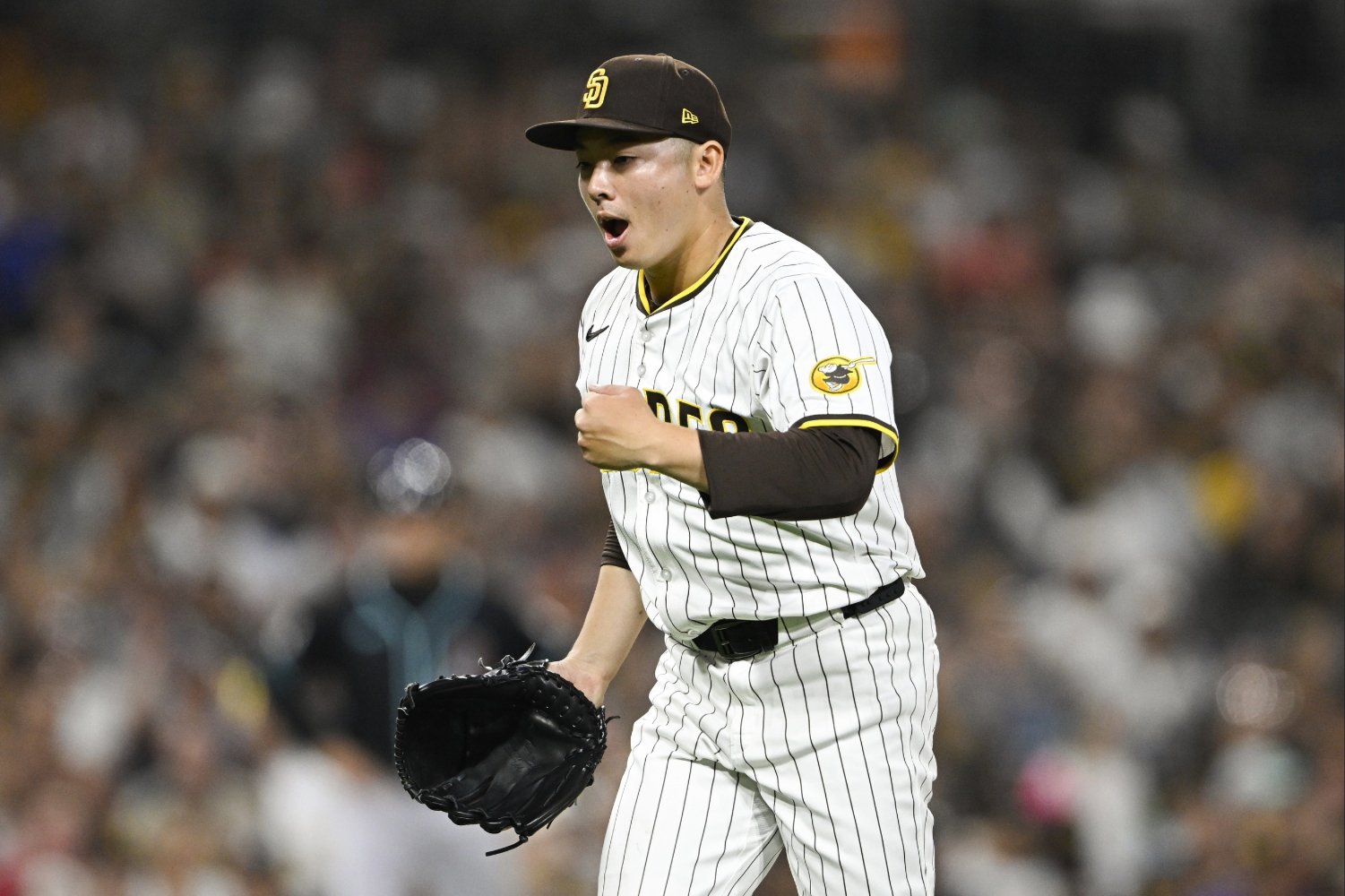 It's no secret that the San Diego Padres' best unit is the bullpen. An offense with big names but meager production and a rotation that may struggle to put warm bodies on the mound can hardly amount to the awe-inspiring awesomeness of a relief corps helmed by Mason Miller, Adrian Morejon, Jeremiah Estrada, and others. That's true even when accounting for the losses of Robert Suarez in free agency and Jason Adam to injury. The Friars' bullpen ranked first in MLB in ERA (3.06) and saves (49) this past season while finishing top-three in strikeout rate (25.8%) and FIP (3.53). The group was dominant, and the same should be the case in 2026, so long as A.J. Preller doesn't get any bright ideas or blockbuster trade proposals. Everyone's stats are impressive, and I don't need to inundate you with all of them here; Miller (2.23 FIP, 44.4% strikeout rate), Morejon (2.28 FIP, .147 wOBA allowed to left-handed batters), Estrada (3.55 FIP, team-leading 77 appearances), and Adam (3.07 FIP, 33.3% whiff rate) all thrived in their respective domains of expertise. So long as that quarter is healthy and still on the roster, they'll form the backbone of the Padres' high-leverage operation. Even the team's next tier of relievers is a sturdy bunch — Wandy Peralta, David Morgan, and Bradgley Rodriguez all had strong results in 2025, and as middle-inning relievers, they can surely be counted on to bridge the gap between the... questionable starting rotation and the fantastic back-end of the bullpen. And none of this even accounts for the swingmen the team has signed in free agency this offseason (Kyle Hart, Ty Adcock, and Daison Acosta). There's impact, depth, and everything in between in this bullpen. Truly, the Padres should feel comfortable leaning hard on the unit in 2026. That brings us to Yuki Matsui, who occupies a bizarre space as a good reliever in an elite bullpen. The 30-year-old southpaw has two years remaining (plus a player option) on the original five-year contract he signed back in 2023, and he's been aggressively average in his two years with the Padres. In 126 innings, he's logged a 3.86 ERA, 3.52 xERA, and 4.40 FIP in 126.0 innings, all totaling up to exactly 0.0 fWAR. That's not a "bad" pitcher by any means, but among a crowd of thunderbolt-hurling closers and lefty-dominating southpaws, Matsui stands out only because he doesn't stand out. He was better in 2024 than he was this past season, but concerns about his size (5'8", 165 pounds when soaking wet) and lackluster velocity have proven valid against big-league competition. After striking out more than 33% of hitters in NPB from 2018-23, he's sitting at a 24.6% strikeout rate in MLB. Again, there's nothing wrong with a low-leverage reliever who posts mid-3.00 ERAs and strikes out a quarter of the batters he faces. But Matsui was billed for so much more after shredding Japanese hitters to the tune of a 2.40 ERA with the Tohoku Rakuten Golden Eagles. He's still getting hitters to whiff and chase at above-average rates, but his failure to induce ground balls or limit free passes has earned him a demotion to the third-string lefty role out of the 'pen. None of this means Matsui can't put together the caliber of season his overseas success once portended. His splitter (.249 xwOBA in 2025) remains an effective offering against right-handed batters, hence why he's held reverse splits with the Padres. His fastball (40% usage in MLB) remains problematic, though he's gotten enough production out of his slider and sweeper versus lefties to hold them relatively in check. The primary issue is that he's got no vertical variance in his offerings — his slider, sweeper, and splitter all hover within a few inches of each other on the y-axis — other than his fastball, which is so dependent on induced rise that it tends to get hammered if it's not up in the zone. The reintroduction of his curveball or sinker might help matters, but as a one-inning reliever, developing a fifth or even sixth pitch isn't high on the list of priorities for Matsui; he needs to find the right balance of his current offerings to stand a better chance against MLB competition. *Graphic courtesy of Baseball Savant The real trap facing Matsui is what the preamble of this article discussed: opportunity. Barring injury, there's just not many visible paths for the left-hander to garner any type of meaningful innings for Craig Stammen in 2026. His reverse splits mean Peralta or Morejon will always get the preferential treatment against left-handed batters, and his lack of elite strikeout stuff will keep him from getting leverage spots with people on base. I'd be remiss not to wrap this up with a final reminder that Yuki Matsui is a good pitcher. He'll never be as dominant as Mason Miller or Adrian Morejon, but neither will 99% of professional pitchers. They just represent a different class of hurler than Matsui does. There's no shame in that. But because those two — and all the other aforementioned elite relievers the Padres employ — occupy roles in the same bullpen as Matsui, the Japanese southpaw finds himself on the fringes of the roster this offseason. Sometimes, simply being "good" isn't good enough.
 -
I happen to agree. The Padres need starting pitching — will anyone really surrender a great starter for an elite reliever? Hard to imagine at this point.
-
The San Diego Padres were more interested in creating rumors than waves at the Winter Meetings, and it appears that the entire roster could be available in A.J. Preller's search for his blockbuster fix. View full video
-
The San Diego Padres were more interested in creating rumors than waves at the Winter Meetings, and it appears that the entire roster could be available in A.J. Preller's search for his blockbuster fix.
-
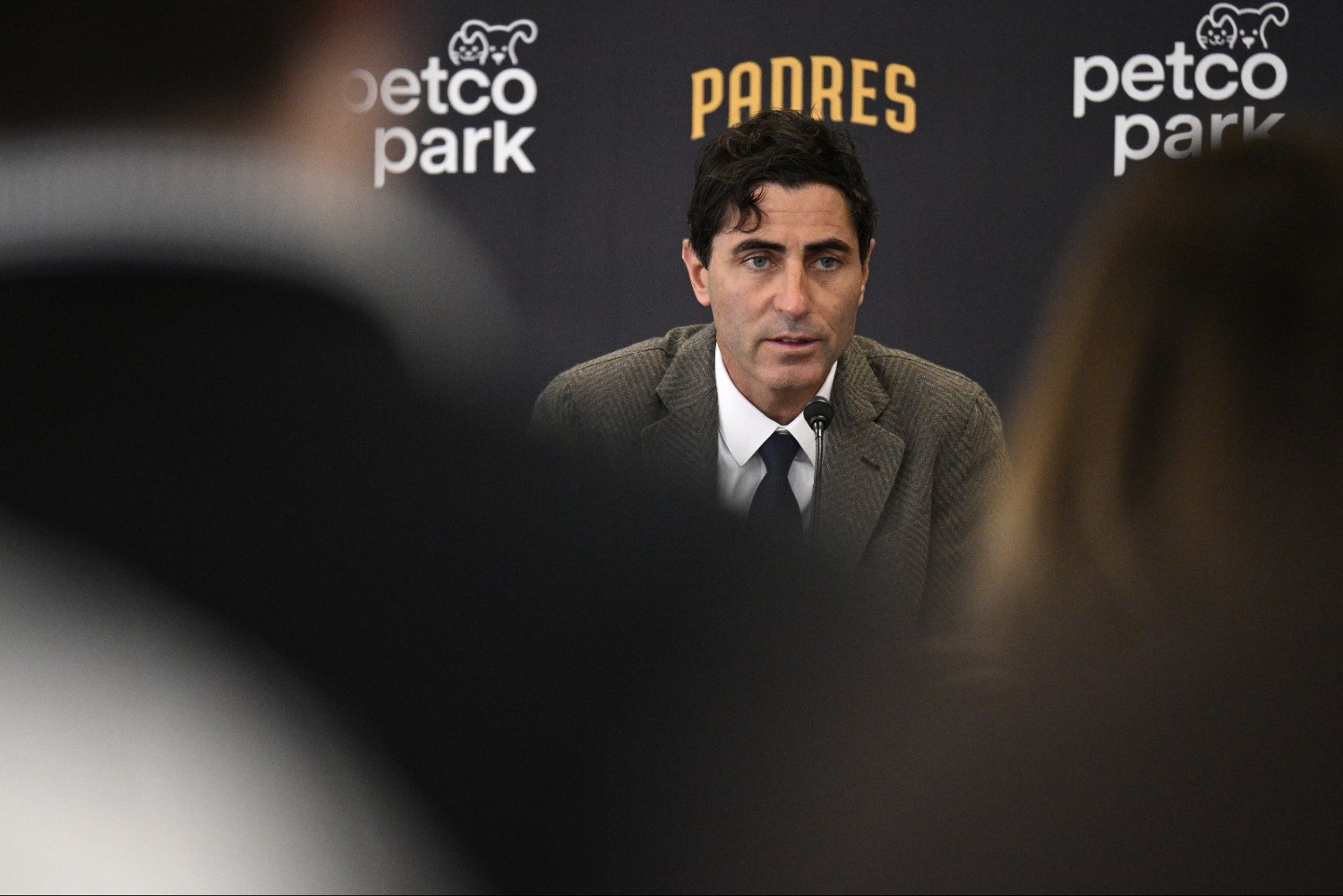 The 2025 Winter Meetings are nearly upon us! The annual four-day event begins officially on December 8 in Orlando, Flordia, though most teams will begin arriving by Sunday, Dec. 7. There's a lot that tends to go down at the Meetings every year, so let's break down the schedule, and the biggest rumors and noise surrounding the San Diego Padres heading into the offseason's biggest event. Padres' Offseason Thus Far The Friars' offseason has been defined more by loss rather than gain. Dylan Cease signed a mega-contract with the Toronto Blue Jays, Robert Suarez opted out of his contract, and Ryan O'Hearn, Michael King, and Luis Arraez all remain free agents. In terms of additions, the team did reunite with Kyle Hart on a one-year contract, and they've signed relief pitcher Ty Adcock to a one-year deal. Thus far, it's been mostly quiet in San Diego. They protected a pair of prospects from the Rule 5 Draft (Garrett Hawkins, Miguel Mendez), non-tendered some relievers (Omar Cruz, Sean Reynolds), and generally prepared the 40-man roster for what should be another busy offseason. There's a lot than needs to be done to make Craig Stammen's first year on the bench a successful one, and that action should begin at the Winter Meetings. 2025 Winter Meeting Schedule Location: Orlando, FL December 8 marks the first official day of the meetings, and it should be a busy one. There's already been a number of notable moves made this offseason, from the Dylan Cease signing to the New York Mets and Texas Rangers' blockbuster trade involving Marcus Semien and Brandon Nimmo. The big expectation is that at least two of the big three Japanese stars (Munetaka Murakami, Kazuma Okamoto, and Tatsuya Imai) will sign at the Meetings, as their posting windows will close within the next month and change. December 9 will be when the league's annual MLB Draft Lottery takes place, though by virtue of making the playoffs in 2025, the Padres won't find themselves in contention for the No. 1 overall pick. December 10 will feature the Rule 5 Draft, in which teams can selected unprotected prospects from other organizations. In order to keep drafted players, teams must keep them on the active 26-man roster (or the 60-day IL) throughout the remainder of the following season; otherwise, the prospects' original team can take them back. In terms of recent Rule 5 picks, the Padres haven't had a ton of success, with their most notable selection being Stephen Kolek, who was traded at the deadline for Freddy Fermin. Years ago, the team did pick up valuable contributors like Everth Cabrera (2008) and Shane Victorino (2002). The Winter Meetings will officially end on December 11, though most teams will depart from Orlando before the finish line is crossed. Still, the groundwork laid in Florida will lead to a cascade of signings and trades through the New Year. Padres Winter Meetings Rumor Roundup When will the Seidlers sell the franchise? Admittedly, this is the thing that looms over everything in Padres Land right now. The team's glut of huge, long-term contracts and declining veterans aren't likely to interest a lot of buyers, so it's possible A.J. Preller gets one more green light to go all-in on 2026, and then the team holds a huge fire sale prior to/after the impending 2027 lockout. As things stand, there's simply not a lot of extra money ready to be funneled into baseball operations, and the farm system is dry. It'll be tough to get free agents to sign with so many long-term questions hanging over the franchise. Will the Padres bring in a legitimate rotation member? With King and Cease out the door -- not to mention Yu Darvish's elbow surgery -- the Padres simply have to add starting pitching in order to compete with the Los Angeles Dodgers in the NL West. To put it bluntly: Nick Pivetta and Joe Musgrove aren't cutting it. They certainly don't have the resources to sign a Framber Valdez or trade for a Tarik Skubal, but could Tatsuya Imai or one of the Kansas City Royals' many starters be in play? Preller probably won't pull off a Juan Soto-esque blockbuster this time around, but if anyone can make something happen, it's him. Can the team get first base help and clear salary at the same time? This will be difficult to pull off, but with Arraez and O'Hearn likely to find new teams this winter, the Padres need someone to man the cold corner in 2026 (and beyond). The aforementioned Royals have Vinnie Pasquantino, who hit 32 home runs in 2025, holding down the fort right now. Could the Padres somehow pull off a blockbuster for him and a starter while offloading a salary like Jake Cronenworth's? It would take all of the prospect talent left in the system, but if 2026 is the last dance for this core, perhaps Preller would pull the trigger. Any more bullpen reinforcements incoming? Peculiarly, both of the padres' big-league signings thus far (Hart and Adcock) are relief arms, though Hart may be pressed into starting duty next year due to necessity. With rumors of Mason Miller and/or Adrian Morejon potentially stepping back into the rotation to fill some gaps, might the Padres continue to seek cheap bullpen help to round out the pitching staff? Or perhaps a reunion with Suarez or an agreement with Edwin Diaz could give the team enough bravado to try Miller out in a starting role.
 -
The 2025 Winter Meetings are nearly upon us! The annual four-day event begins officially on December 8 in Orlando, Flordia, though most teams will begin arriving by Sunday, Dec. 7. There's a lot that tends to go down at the Meetings every year, so let's break down the schedule, and the biggest rumors and noise surrounding the San Diego Padres heading into the offseason's biggest event. Padres' Offseason Thus Far The Friars' offseason has been defined more by loss rather than gain. Dylan Cease signed a mega-contract with the Toronto Blue Jays, Robert Suarez opted out of his contract, and Ryan O'Hearn, Michael King, and Luis Arraez all remain free agents. In terms of additions, the team did reunite with Kyle Hart on a one-year contract, and they've signed relief pitcher Ty Adcock to a one-year deal. Thus far, it's been mostly quiet in San Diego. They protected a pair of prospects from the Rule 5 Draft (Garrett Hawkins, Miguel Mendez), non-tendered some relievers (Omar Cruz, Sean Reynolds), and generally prepared the 40-man roster for what should be another busy offseason. There's a lot than needs to be done to make Craig Stammen's first year on the bench a successful one, and that action should begin at the Winter Meetings. 2025 Winter Meeting Schedule Location: Orlando, FL December 8 marks the first official day of the meetings, and it should be a busy one. There's already been a number of notable moves made this offseason, from the Dylan Cease signing to the New York Mets and Texas Rangers' blockbuster trade involving Marcus Semien and Brandon Nimmo. The big expectation is that at least two of the big three Japanese stars (Munetaka Murakami, Kazuma Okamoto, and Tatsuya Imai) will sign at the Meetings, as their posting windows will close within the next month and change. December 9 will be when the league's annual MLB Draft Lottery takes place, though by virtue of making the playoffs in 2025, the Padres won't find themselves in contention for the No. 1 overall pick. December 10 will feature the Rule 5 Draft, in which teams can selected unprotected prospects from other organizations. In order to keep drafted players, teams must keep them on the active 26-man roster (or the 60-day IL) throughout the remainder of the following season; otherwise, the prospects' original team can take them back. In terms of recent Rule 5 picks, the Padres haven't had a ton of success, with their most notable selection being Stephen Kolek, who was traded at the deadline for Freddy Fermin. Years ago, the team did pick up valuable contributors like Everth Cabrera (2008) and Shane Victorino (2002). The Winter Meetings will officially end on December 11, though most teams will depart from Orlando before the finish line is crossed. Still, the groundwork laid in Florida will lead to a cascade of signings and trades through the New Year. Padres Winter Meetings Rumor Roundup When will the Seidlers sell the franchise? Admittedly, this is the thing that looms over everything in Padres Land right now. The team's glut of huge, long-term contracts and declining veterans aren't likely to interest a lot of buyers, so it's possible A.J. Preller gets one more green light to go all-in on 2026, and then the team holds a huge fire sale prior to/after the impending 2027 lockout. As things stand, there's simply not a lot of extra money ready to be funneled into baseball operations, and the farm system is dry. It'll be tough to get free agents to sign with so many long-term questions hanging over the franchise. Will the Padres bring in a legitimate rotation member? With King and Cease out the door -- not to mention Yu Darvish's elbow surgery -- the Padres simply have to add starting pitching in order to compete with the Los Angeles Dodgers in the NL West. To put it bluntly: Nick Pivetta and Joe Musgrove aren't cutting it. They certainly don't have the resources to sign a Framber Valdez or trade for a Tarik Skubal, but could Tatsuya Imai or one of the Kansas City Royals' many starters be in play? Preller probably won't pull off a Juan Soto-esque blockbuster this time around, but if anyone can make something happen, it's him. Can the team get first base help and clear salary at the same time? This will be difficult to pull off, but with Arraez and O'Hearn likely to find new teams this winter, the Padres need someone to man the cold corner in 2026 (and beyond). The aforementioned Royals have Vinnie Pasquantino, who hit 32 home runs in 2025, holding down the fort right now. Could the Padres somehow pull off a blockbuster for him and a starter while offloading a salary like Jake Cronenworth's? It would take all of the prospect talent left in the system, but if 2026 is the last dance for this core, perhaps Preller would pull the trigger. Any more bullpen reinforcements incoming? Peculiarly, both of the padres' big-league signings thus far (Hart and Adcock) are relief arms, though Hart may be pressed into starting duty next year due to necessity. With rumors of Mason Miller and/or Adrian Morejon potentially stepping back into the rotation to fill some gaps, might the Padres continue to seek cheap bullpen help to round out the pitching staff? Or perhaps a reunion with Suarez or an agreement with Edwin Diaz could give the team enough bravado to try Miller out in a starting role. View full article
-
Now official, Dylan Cease won't be returning to the San Diego Padres in 2026 after signing a $210 million contract with the Toronto Blue Jays. Where can the Friars turn to replace their ace?
-
Now official, Dylan Cease won't be returning to the San Diego Padres in 2026 after signing a $210 million contract with the Toronto Blue Jays. Where can the Friars turn to replace their ace? View full video
-
It's that time of year again! Padres Mission invites you to discuss your favorite players and moments from the 2025 San Diego Padres season!
-
It's that time of year again! Padres Mission invites you to discuss your favorite players and moments from the 2025 San Diego Padres season! View full video
-
Padres Roster Update: San Diego Protects Two Prospects From Rule-5 Draft
Brandon Glick posted an article in Padres
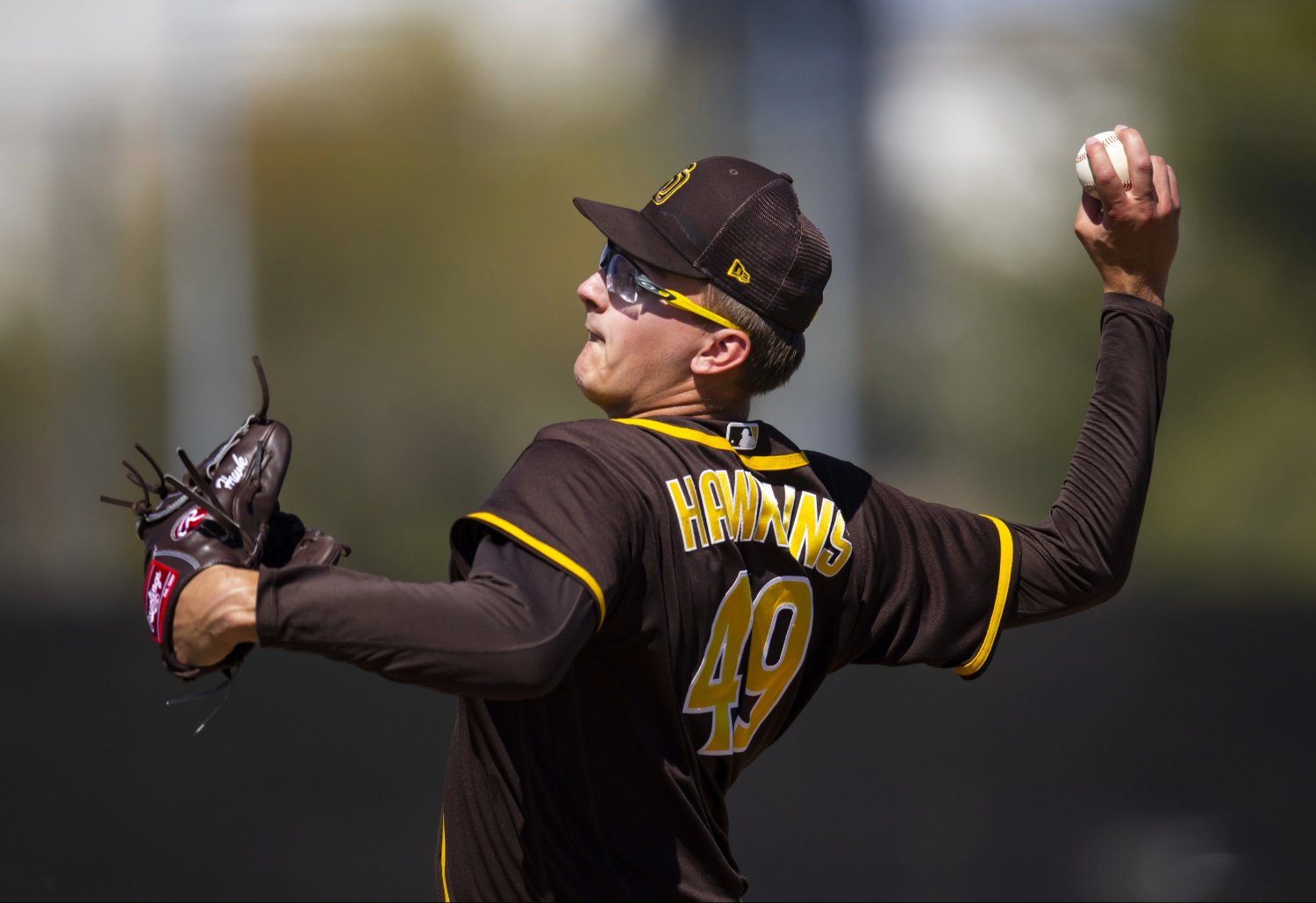 The MLB rostering deadline came and went on Nov. 18, and with it, teams have effectively "finalized' their 40-man rosters prior to the meat and potatoes of the offseason. There were a number of notable moves made around the league, from the Baltimore Orioles' baffling decision to trade Grayson Rodriguez for Taylor Ward to a record number of free agents accepting the qualifying offer. Perhaps the most shocking thing of all, though, was the San Diego Padres' lack of activity. A.J. Preller's squad selected the contracts of just two prospects -- reliever Garrett Hawkins and starting pitcher Miguel Mendez -- to protect them from the Rule-5 Draft, which was expected. Otherwise, the Padres were eerily silent during a busy day on the MLB calendar. Starting with Mendez, the 23-year-old ranks 12th on Padres Mission's Top 20 list, and other outlets are even higher on his upside. He finished the 2025 season in Double-A after starting with (for the third straight year) Lake Elsinore, and his overall stats were a beauty to behold: In 95.0 innings, he paired a 3.22 ERA and 3.86 FIP with a 29.4% strikeout rate and .208 batting average allowed. The right-hander was at his best in High-A Fort Wayne, logging a 1.32 ERA (3.33 FIP) across 12 starts. He allowed just three home runs and 24 walks over 61 1/3 innings, showing a newfound proclivity to pitch to contact effectively. His results were a little overblown (3.71 xFIP) thanks to a humongous 89.7% left-on-base rate, but the strides he made in his development were apparent. Mendez did struggle in his cup of coffee at Double-A to end the season -- he ran an 8.06 ERA and 5.91 FIP that were inflated because of a problematic walk rate (15.9%) -- but he was a lock to be added to the 40-man roster. He could start the 2026 season at Triple-A and make his debut around the mid-season point, depending on the state of the major-league rotation. As for Hawkins, the 25-year-old doesn't rank on Padres Mission's top prospect list, though he does rank 13th in the system over at FanGraphs. That's not the biggest compliment in the world (the Padres' farm system is the worst in the league), but it is a sign that the now-protected reliever could be in line for a bullpen job come Opening Day. The right-handed reliever missed the 2024 season while recovering from Tommy John surgery, and like Mendez, finished the most recent campaign in San Antonio. His 1.50 ERA and 2.22 FIP were promising on their own, but his 35.1% strikeout rate and 0.15 home runs allowed per nine innings (HR/9) really paint the picture of his dominance. A true relief prospect at this point (he hasn't started on a full-time basis since 2022), Hawkins recorded 10 saves in 2025 and looks destined for a role as a middle reliever in the Padres' stacked bullpen. If Mason Miller or Adrian Morejon actually transition back to the rotation, look for Hawkins to grab one of their jobs in spring training. Beyond those two players, the Padres left other Rule-5-eligible players unprotected, including the likes of Jagger Haynes and Francis Pena. The 40-man roster now stands at 36, a sign that the team may be gearing up for a flurry of transactions in the coming weeks. However, their silence during an otherwise busy day could also point to some consternation within the front office while wrestling with an ownership group plotting a sale and rumored budget constraints. The offseason has only just begun, but save for a lowkey re-signing of swingman Kyle Hart, the Padres have mostly sat out the early-bird proceedings. Where they go from here is anyone's guess.
 -
The MLB rostering deadline came and went on Nov. 18, and with it, teams have effectively "finalized' their 40-man rosters prior to the meat and potatoes of the offseason. There were a number of notable moves made around the league, from the Baltimore Orioles' baffling decision to trade Grayson Rodriguez for Taylor Ward to a record number of free agents accepting the qualifying offer. Perhaps the most shocking thing of all, though, was the San Diego Padres' lack of activity. A.J. Preller's squad selected the contracts of just two prospects -- reliever Garrett Hawkins and starting pitcher Miguel Mendez -- to protect them from the Rule-5 Draft, which was expected. Otherwise, the Padres were eerily silent during a busy day on the MLB calendar. Starting with Mendez, the 23-year-old ranks 12th on Padres Mission's Top 20 list, and other outlets are even higher on his upside. He finished the 2025 season in Double-A after starting with (for the third straight year) Lake Elsinore, and his overall stats were a beauty to behold: In 95.0 innings, he paired a 3.22 ERA and 3.86 FIP with a 29.4% strikeout rate and .208 batting average allowed. The right-hander was at his best in High-A Fort Wayne, logging a 1.32 ERA (3.33 FIP) across 12 starts. He allowed just three home runs and 24 walks over 61 1/3 innings, showing a newfound proclivity to pitch to contact effectively. His results were a little overblown (3.71 xFIP) thanks to a humongous 89.7% left-on-base rate, but the strides he made in his development were apparent. Mendez did struggle in his cup of coffee at Double-A to end the season -- he ran an 8.06 ERA and 5.91 FIP that were inflated because of a problematic walk rate (15.9%) -- but he was a lock to be added to the 40-man roster. He could start the 2026 season at Triple-A and make his debut around the mid-season point, depending on the state of the major-league rotation. As for Hawkins, the 25-year-old doesn't rank on Padres Mission's top prospect list, though he does rank 13th in the system over at FanGraphs. That's not the biggest compliment in the world (the Padres' farm system is the worst in the league), but it is a sign that the now-protected reliever could be in line for a bullpen job come Opening Day. The right-handed reliever missed the 2024 season while recovering from Tommy John surgery, and like Mendez, finished the most recent campaign in San Antonio. His 1.50 ERA and 2.22 FIP were promising on their own, but his 35.1% strikeout rate and 0.15 home runs allowed per nine innings (HR/9) really paint the picture of his dominance. A true relief prospect at this point (he hasn't started on a full-time basis since 2022), Hawkins recorded 10 saves in 2025 and looks destined for a role as a middle reliever in the Padres' stacked bullpen. If Mason Miller or Adrian Morejon actually transition back to the rotation, look for Hawkins to grab one of their jobs in spring training. Beyond those two players, the Padres left other Rule-5-eligible players unprotected, including the likes of Jagger Haynes and Francis Pena. The 40-man roster now stands at 36, a sign that the team may be gearing up for a flurry of transactions in the coming weeks. However, their silence during an otherwise busy day could also point to some consternation within the front office while wrestling with an ownership group plotting a sale and rumored budget constraints. The offseason has only just begun, but save for a lowkey re-signing of swingman Kyle Hart, the Padres have mostly sat out the early-bird proceedings. Where they go from here is anyone's guess. View full article
-
The San Diego Padres re-signed Kyle Hart, kicking off their offseason with a necessary depth move to shore up the pitching staff.
-
The San Diego Padres re-signed Kyle Hart, kicking off their offseason with a necessary depth move to shore up the pitching staff. View full video
-
Amidst fears that a collapsing rotation would spell the team's doom in 2026, San Diego Padres president of baseball operations A.J. Preller made a quiet, but reassuring, move designed to give the team some further offseason flexibility. Kyle Hart is by no means a leverage arm, but he's a versatile swingman who can fulfill a multitude of roles on Ruben Niebla's pitching staff. He appeared in 20 games in 2025, making six starts and accruing a 5.86 ERA and 5.18 FIP in 43.0 innings. He doesn't possess any one elite skill, though he runs a deep, six-pitch arsenal designed to keep hitters off balance with varying movement profiles. Though he doesn't strike many guys out and lacks overpowering stuff, Hart did emerge as a bona fide star in the KBO in 2024, pitching exclusively as a starter while authoring a 2.69 ERA (3.28 FIP) and 46.0% ground-ball rate in 157.0 frames. The Padres signed him last offseason to a $1.5 million deal with a $5 million club option, which they declined at the start of the offseason. Now, they're bringing him back on an eminently affordable deal. As you might expect from a veteran southpaw, Hart is at his best when facing fellow left-handers—he held such hitters to a .189/.246/.283 (.237 wOBA) batting line in 2025. Righties had a much easier time against him (.359 wOBA), and they hit eight home runs off him in just 122 plate appearances (lefties managed just one in 57 plate appearances). That could push him into a pure relief role where manager Craig Stammen -- a former MLB reliever -- uses him as a throwback LOOGY. Then again, his versatility to pitch in both the bullpen and rotation is part of what makes him valuable, so his role may remain in flux through 2026. Hopes for improvement from the soon-to-be 33-year-old should be tempered, but there is an interesting profile under the hood. Hart used each of his six offerings at least four percent of the time this past season, and save for his seldom-used splitter, he flashed five pitches (sweeper, sinker, four-seam fastball, changeup, slider) with a ten-percent usage rate or higher. That pitch mix and his three-quarters arm slot leads to an odd movement profile, where every pitch exists along the same general vertical plane. Likewise, no pitch skews more than ten miles per hour in either direction, so Hart relies primarily on a vast array of horizontal movement to keep hitters off balance. There's an argument for him to add some verticality (or further velocity variance) to his repertoire, but pitching exclusively with rise hasn't stopped certain offerings from dominating. His sweeper (.183 wOBA allowed) and sinker (.279 wOBA allowed) are, naturally, his best pitches. His other three primary offerings were all crushed to varying degrees; his slider, in particular, was hammered to the tune of a .833 slugging percentage and .495 wOBA. Perhaps with more time in Niebla's pitching lab, Hart can shed some of his less effective pitches in favor of riding his favorites a little harder—such a task would be far easier to pull off if he sticks exclusively to relief duties. Either way, he presents another warm body for Stammen to use next year. Given the impending departures of Dylan Cease and Michael King (plus Yu Darvish's season-ending surgery), expect Hart to be the first of many Padres moves made in that vein this offseason. View full article
-
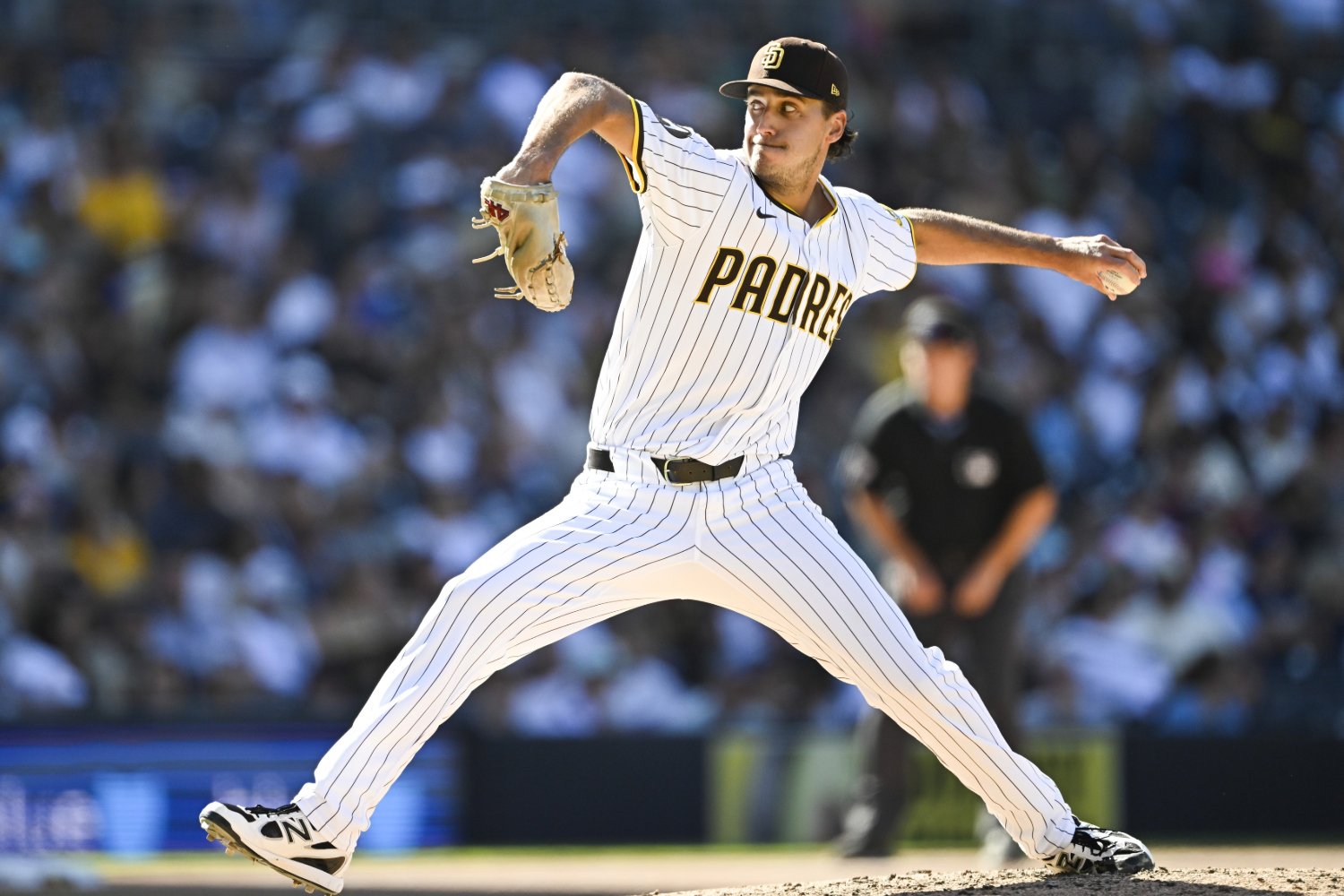 Amidst fears that a collapsing rotation would spell the team's doom in 2026, San Diego Padres president of baseball operations A.J. Preller made a quiet, but reassuring, move designed to give the team some further offseason flexibility. Kyle Hart is by no means a leverage arm, but he's a versatile swingman who can fulfill a multitude of roles on Ruben Niebla's pitching staff. He appeared in 20 games in 2025, making six starts and accruing a 5.86 ERA and 5.18 FIP in 43.0 innings. He doesn't possess any one elite skill, though he runs a deep, six-pitch arsenal designed to keep hitters off balance with varying movement profiles. Though he doesn't strike many guys out and lacks overpowering stuff, Hart did emerge as a bona fide star in the KBO in 2024, pitching exclusively as a starter while authoring a 2.69 ERA (3.28 FIP) and 46.0% ground-ball rate in 157.0 frames. The Padres signed him last offseason to a $1.5 million deal with a $5 million club option, which they declined at the start of the offseason. Now, they're bringing him back on an eminently affordable deal. As you might expect from a veteran southpaw, Hart is at his best when facing fellow left-handers—he held such hitters to a .189/.246/.283 (.237 wOBA) batting line in 2025. Righties had a much easier time against him (.359 wOBA), and they hit eight home runs off him in just 122 plate appearances (lefties managed just one in 57 plate appearances). That could push him into a pure relief role where manager Craig Stammen -- a former MLB reliever -- uses him as a throwback LOOGY. Then again, his versatility to pitch in both the bullpen and rotation is part of what makes him valuable, so his role may remain in flux through 2026. Hopes for improvement from the soon-to-be 33-year-old should be tempered, but there is an interesting profile under the hood. Hart used each of his six offerings at least four percent of the time this past season, and save for his seldom-used splitter, he flashed five pitches (sweeper, sinker, four-seam fastball, changeup, slider) with a ten-percent usage rate or higher. That pitch mix and his three-quarters arm slot leads to an odd movement profile, where every pitch exists along the same general vertical plane. Likewise, no pitch skews more than ten miles per hour in either direction, so Hart relies primarily on a vast array of horizontal movement to keep hitters off balance. There's an argument for him to add some verticality (or further velocity variance) to his repertoire, but pitching exclusively with rise hasn't stopped certain offerings from dominating. His sweeper (.183 wOBA allowed) and sinker (.279 wOBA allowed) are, naturally, his best pitches. His other three primary offerings were all crushed to varying degrees; his slider, in particular, was hammered to the tune of a .833 slugging percentage and .495 wOBA. Perhaps with more time in Niebla's pitching lab, Hart can shed some of his less effective pitches in favor of riding his favorites a little harder—such a task would be far easier to pull off if he sticks exclusively to relief duties. Either way, he presents another warm body for Stammen to use next year. Given the impending departures of Dylan Cease and Michael King (plus Yu Darvish's season-ending surgery), expect Hart to be the first of many Padres moves made in that vein this offseason.
 -
Updating San Diego Padres' Status in the Wild, Wild National League West
Brandon Glick posted an article in Padres
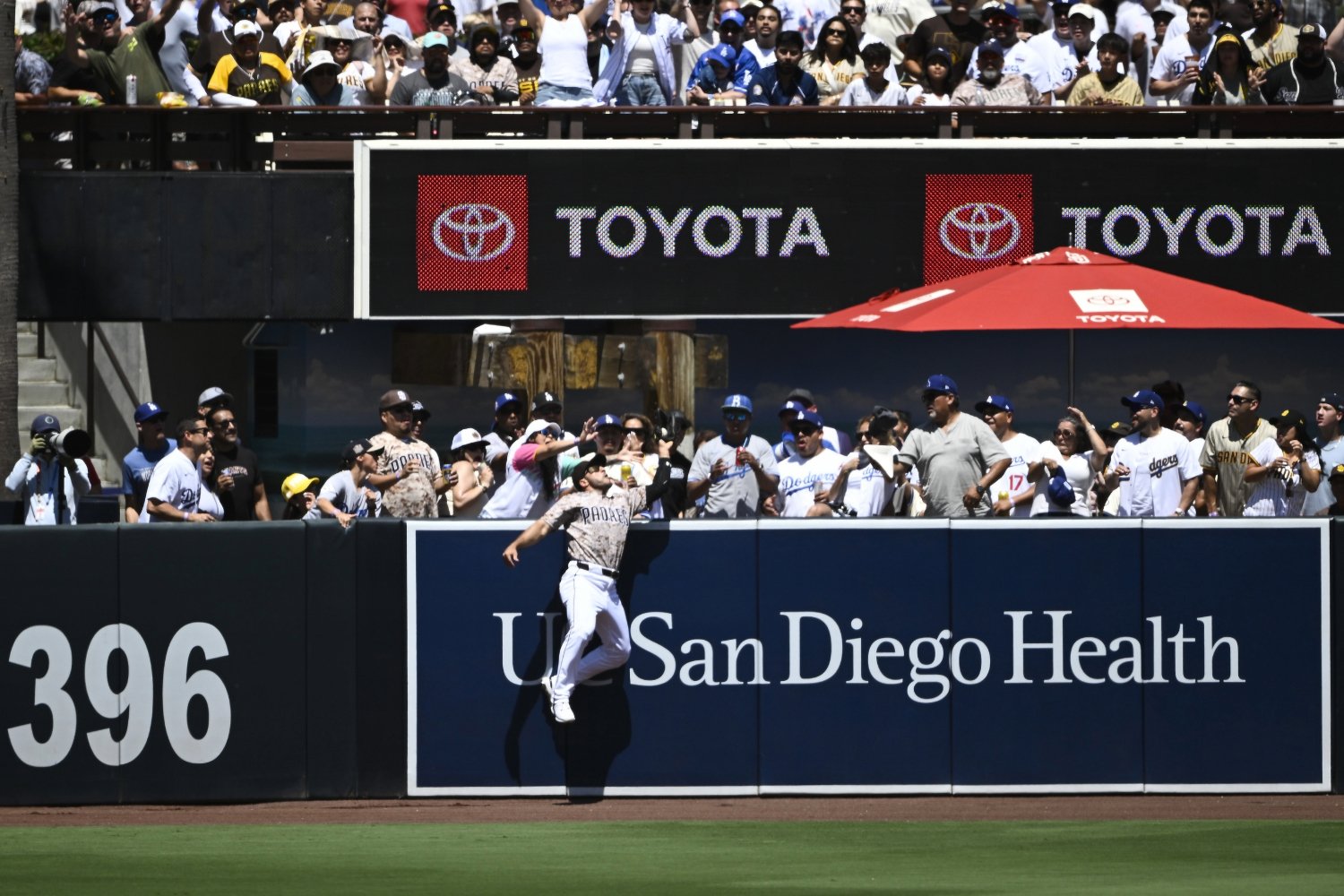 The San Diego Padres have made the playoffs in four of the past six seasons. In that time, they've finished no worse than third in the NL West, but also no better than second. They've firmly been the runner-up to the Los Angeles Dodgers in the division during that time, though that status is set to be called into question this offseason. Yes, the Dodgers won their second consecutive Commissioner's Trophy and have won every division title (besides 2022) since 2013. They are the favorites until proven otherwise. Instead, it's the Padres who need to defend their placement in the NL West hierarchy, as a shocking managerial change, significant personnel losses in the rotation, and an offense that went completely cold in the NL Wild Card Round do not portend another 90-win season in 2026. With ultra-agressive front office executive A.J. Preller leading the charge, the Friars are sure to add some talent to the roster this offseason, including a potential reunion with one of Dylan Cease or Michael King. No one can rule out another blockbuster trade, either, but after ransacking the farm system at the trade deadline, that could be difficult to pull off. Still, the Padres have the requisite talent to make another postseason push next year. Platinum Glover Fernando Tatis Jr. isn't going anywhere (no matter what the rumors say), and Manny Machado and Jackson Merrill round out a strong offensive core. With Nick Pivetta in the rotation and baseball's best bullpen (even sans closer Robert Suarez), there's room San Diego to make some ancillary moves and give the Dodgers a scare next season. Luckily, even if the team can't mount a serious challenge to the Dodgers' divisional supremacy, the rest of the NL West is in such a state of flux that the Padres will presumably be the second-best team heading into the 2026 campaign no matter what moves they make over the winter. Let's refresh where the "other" three teams in the division are at heading into the meat of the offseason. Colorado Rockies The Rockies have been irrelevant in the larger baseball picture for most of their existence, and they just had a franchise-worst season in 2025 when they lost 119 games. Thus, they finally cleaned house, dismissing manager Bud Black mid-season and firing general manager Bill Schmidt after the regular season came to a conclusion. They're still looking for a permanent replacement for Black, though they do have a new president of baseball operations: Paul DePodesta. Yes, you heard that right—Paul DePodesta of Moneyball fame is returning to Major League Baseball after a decade-long hiatus in the NFL with the Cleveland Browns. Prior to jumping ship for football, DePodesta served as the Padres' special assistant for baseball operations from 2006-08 before being promoted to executive vice president; that came after a failed stint as the Dodgers' general manager. It's hard to find a word for what the Rockies are as a franchise other than directionless. Their farm system remains a joke, they have precious little major-league talent to speak of, and ownership just appointed the guy who went 56-100-1 and made one of the most lopsided deals in NFL history as their chief decision maker. They won't just be also-rans in the division in 2026—they'll occupy the bottom rung of the entire MLB ladder for the foreseeable future. Arizona Diamondbacks After a shocking run to the World Series in 2023, the Diamondbacks were on top of the world. Just two years later, and their empire-that-wasn't is already collapsing. They still possess a load of talent, highlighted by a trio of Silver Sluggers: outfielder Corbin Carroll, shortstop Geraldo Perdomo, and second basemen Ketel Marte. Those three superstars combined for 18.2 fWAR in 2025. The rest of the entire roster combined (pitchers excluded)? They accumulated just 8.7 fWAR, hence why the Diamondbacks finished below .500 and in fourth place in the division. That's not entirely their fault, as the expected three-headed monster of Corbin Burnes, Zac Gallen, and Merrill Kelly simply never got off the ground. Burnes needed Tommy John surgery just 11 starts into his new mega-contract, Gallen produced a career-worst campaign on his way to free agency, and Kelly was shipped to the Texas Rangers at the trade deadline. With a bloated payroll and aging core, the Diamondbacks simply don't have the pitching infrastructure in place to compete for much more than a third-place finish. If rumors are true that the team is "motivated" to move Marte, the longest-tenured player on the club, the Diamondbacks could be on the verge of a full-scale rebuild. San Francisco Giants The most imposing challenger to the Padres' status as the second-best team in the division, the Giants are engaging in a pretty comprehensive makeover this offseason. The team replaced experienced skipper Bob Melvin with college coach Tony Vitello, a shocking jump in level that tends not to happen too often in baseball. The coaching staff has experienced a ton of turnover since, including adding former Padres manager Jayce Tingler as one of Vitello's assistants. They're also parting ways with assistant hitting coach Damon Minor and bullpen coach Garvin Alston, while pitching coach J.P. Martinez has already found a new home with the Atlanta Braves. Hitting coach Pat Burrell's future remains uncertain at this juncture. That's the kind wholesale turnover you expect of a rebuilding squad, not one that intends to compete as soon as next year. Vitello will have his work cut out for him jumping from the NCAA to the big leagues, and it'll take a while for the new coaching staff to mesh together. As for the roster, the team is retaining a remarkable amount of personnel. Justin Verlander and Wilmer Flores are the only major free agents the team is set to lose this offseason. That would be great news if this core had shown any signs of real success, but since their magical 2021 season, the Giants haven't won more than 81 games in a single year. There's a strong core of well-compensated veterans in San Francisco -- Willy Adames, Rafael Devers, Matt Chapman, and Logan Webb, to be specific -- but it could take a while before everything comes together in the Bay Area. What do you make of all the rumors and moves being made by the Padres' division rivals this offseason? Do you think San Diego can challenge Los Angeles for the division title in 2026? Let us know in the comments!
 -
The San Diego Padres have made the playoffs in four of the past six seasons. In that time, they've finished no worse than third in the NL West, but also no better than second. They've firmly been the runner-up to the Los Angeles Dodgers in the division during that time, though that status is set to be called into question this offseason. Yes, the Dodgers won their second consecutive Commissioner's Trophy and have won every division title (besides 2022) since 2013. They are the favorites until proven otherwise. Instead, it's the Padres who need to defend their placement in the NL West hierarchy, as a shocking managerial change, significant personnel losses in the rotation, and an offense that went completely cold in the NL Wild Card Round do not portend another 90-win season in 2026. With ultra-agressive front office executive A.J. Preller leading the charge, the Friars are sure to add some talent to the roster this offseason, including a potential reunion with one of Dylan Cease or Michael King. No one can rule out another blockbuster trade, either, but after ransacking the farm system at the trade deadline, that could be difficult to pull off. Still, the Padres have the requisite talent to make another postseason push next year. Platinum Glover Fernando Tatis Jr. isn't going anywhere (no matter what the rumors say), and Manny Machado and Jackson Merrill round out a strong offensive core. With Nick Pivetta in the rotation and baseball's best bullpen (even sans closer Robert Suarez), there's room San Diego to make some ancillary moves and give the Dodgers a scare next season. Luckily, even if the team can't mount a serious challenge to the Dodgers' divisional supremacy, the rest of the NL West is in such a state of flux that the Padres will presumably be the second-best team heading into the 2026 campaign no matter what moves they make over the winter. Let's refresh where the "other" three teams in the division are at heading into the meat of the offseason. Colorado Rockies The Rockies have been irrelevant in the larger baseball picture for most of their existence, and they just had a franchise-worst season in 2025 when they lost 119 games. Thus, they finally cleaned house, dismissing manager Bud Black mid-season and firing general manager Bill Schmidt after the regular season came to a conclusion. They're still looking for a permanent replacement for Black, though they do have a new president of baseball operations: Paul DePodesta. Yes, you heard that right—Paul DePodesta of Moneyball fame is returning to Major League Baseball after a decade-long hiatus in the NFL with the Cleveland Browns. Prior to jumping ship for football, DePodesta served as the Padres' special assistant for baseball operations from 2006-08 before being promoted to executive vice president; that came after a failed stint as the Dodgers' general manager. It's hard to find a word for what the Rockies are as a franchise other than directionless. Their farm system remains a joke, they have precious little major-league talent to speak of, and ownership just appointed the guy who went 56-100-1 and made one of the most lopsided deals in NFL history as their chief decision maker. They won't just be also-rans in the division in 2026—they'll occupy the bottom rung of the entire MLB ladder for the foreseeable future. Arizona Diamondbacks After a shocking run to the World Series in 2023, the Diamondbacks were on top of the world. Just two years later, and their empire-that-wasn't is already collapsing. They still possess a load of talent, highlighted by a trio of Silver Sluggers: outfielder Corbin Carroll, shortstop Geraldo Perdomo, and second basemen Ketel Marte. Those three superstars combined for 18.2 fWAR in 2025. The rest of the entire roster combined (pitchers excluded)? They accumulated just 8.7 fWAR, hence why the Diamondbacks finished below .500 and in fourth place in the division. That's not entirely their fault, as the expected three-headed monster of Corbin Burnes, Zac Gallen, and Merrill Kelly simply never got off the ground. Burnes needed Tommy John surgery just 11 starts into his new mega-contract, Gallen produced a career-worst campaign on his way to free agency, and Kelly was shipped to the Texas Rangers at the trade deadline. With a bloated payroll and aging core, the Diamondbacks simply don't have the pitching infrastructure in place to compete for much more than a third-place finish. If rumors are true that the team is "motivated" to move Marte, the longest-tenured player on the club, the Diamondbacks could be on the verge of a full-scale rebuild. San Francisco Giants The most imposing challenger to the Padres' status as the second-best team in the division, the Giants are engaging in a pretty comprehensive makeover this offseason. The team replaced experienced skipper Bob Melvin with college coach Tony Vitello, a shocking jump in level that tends not to happen too often in baseball. The coaching staff has experienced a ton of turnover since, including adding former Padres manager Jayce Tingler as one of Vitello's assistants. They're also parting ways with assistant hitting coach Damon Minor and bullpen coach Garvin Alston, while pitching coach J.P. Martinez has already found a new home with the Atlanta Braves. Hitting coach Pat Burrell's future remains uncertain at this juncture. That's the kind wholesale turnover you expect of a rebuilding squad, not one that intends to compete as soon as next year. Vitello will have his work cut out for him jumping from the NCAA to the big leagues, and it'll take a while for the new coaching staff to mesh together. As for the roster, the team is retaining a remarkable amount of personnel. Justin Verlander and Wilmer Flores are the only major free agents the team is set to lose this offseason. That would be great news if this core had shown any signs of real success, but since their magical 2021 season, the Giants haven't won more than 81 games in a single year. There's a strong core of well-compensated veterans in San Francisco -- Willy Adames, Rafael Devers, Matt Chapman, and Logan Webb, to be specific -- but it could take a while before everything comes together in the Bay Area. What do you make of all the rumors and moves being made by the Padres' division rivals this offseason? Do you think San Diego can challenge Los Angeles for the division title in 2026? Let us know in the comments! View full article
-
Shota Imanaga is now a free agent after the Chicago Cubs declined his three-year, $57 million team option and Imanaga responded by declining a player option of his own. It's a rather shocking turn of events after the Japanese southpaw clearly took charge as the ace of the staff in 2024, but significant struggles down the stretch of the 2025 season swung the pendulum all the way in the other direction. His free-agent case will be a fascinating one, and not only because of the huge disparity between his performance in the first half (2.65 ERA) and second half (4.70 ERA) of this season. He's a 32-year-old that relies on movement and precision rather than raw stuff, hence why his fastball run value graded out as one of the worst in the majors while his secondary pitches were some of the best. Interested parties will have to believe in his approach to invest in him at his age. Could San Diego be one of those parties? They're set to lose one or both of Michael King and Dylan Cease in free agency this offseason, and Yu Darvish is now guaranteed to be out for all of 2026 after undergoing elbow surgery. Imanaga, who has made 54 starts and thrown 318.0 innings since arriving in the major leagues prior to the 2024 season, could prove to be a reliable presence in a rotation that needs one in the worst way. Of course, the Padres were one of the teams that most heavily scouted Imanaga when he was in Japan, as they are wont do with NPB stars. In a world where the Los Angeles Dodgers have become Japan's favorite MLB team — the presence of Shohei Ohtani alone would guarantee that — San Diego may have interest in getting Darvish a native teammate. Signing Imanaga wouldn't topple the Dodgers' Asian monopoly, but there'd at least be some competition in the NL West, and the hype surrounding starts featuring Imanaga and one of Ohtani, Yoshinobu Yamamoto, or Roki Sasaki would be immeasurable. It's an easy way to grow the fanbase internationally, especially if the Padres can help the free-agent southpaw find his 2024 form. That season, Imanaga's first stateside, the left-handed starter logged a 2.91 ERA in 173 1/3 innings, finishing fifth in Cy Young Award voting as a "rookie". He gave up a bunch of home runs, but he also led the league in strikeout to walk ratio (6.21) that season and didn't walk more than three batters in any start all year long. In fact, he issued one or fewer free passes in 23 of his 29 starts that season. His command of the strike zone was immaculate, even if hitters took advantage of his mistakes. That mostly continued this year — outside of his first start of the year during the Tokyo Series in Japan, he limited his walks to three or fewer in each appearance once again — but his mistakes became more frequent, and opposing batters became far better at taking advantage of them. As I said on North Side Baseball (article linked above) once both sides opted out of his contract: "Over his final nine starts of the regular season, Imanaga allowed at least one home run in every appearance, including multi-homer efforts in five of his final six starts. That trend continued into the playoffs, as the lefty surrendered three home runs in just 6 2/3 frames, including two in less than three innings against the Brewers in Game 2 of the NLDS. The Cubs declined his option today, but they had made their decision on Imanaga weeks ago." That last sentence was in reference to the team's decision not to use him at all on full rest in the decisive Game 5 of the NLDS, as the Cubs opted for a bullpen game in the sudden-death affair. Other teams surely saw that decision and recognized that something within Imanaga's approach was deeply broken toward the end of the 2025 campaign. Still, Imanaga was brilliant just a few months ago, as he allowed a scant .299 slugging percentage and 2.65 ERA in August. The wheels didn't come off until the very end of the year, but once they were gone, there was no getting them back on. Year over year, Imanaga got worse across the board in his second MLB season, besides the fact that he upped his in-zone rate (i.e., pitches thrown in the strike zone) from 51.7% to 54.0%. Considering how much of an issue he had on limiting authoritative, damaging swings, his next team will likely focus on helping him play more to his already-elite chase rates (31.6% in 2025, 34.8% in 2024). One wrinkle in all of this is that the Cubs somewhat surprisingly gave Imanaga the qualifying offer, which is worth about $22 million this offseason. There's no guarantee he turns that down (the option he declined was worth $15 million), but even if he does, he'll now be attached to draft pick compensation as a free agent. I sincerely doubt that'll be enough to scare off A.J. Preller and the Padres, but it could dissuade them from outbidding other teams for his services. There's a lot of good and some very off-putting bad in Imanaga's profile, and the Padres may be wise to favor adding younger pitchers to their exceedingly older staff. There's a pitcher in him that could join Nick Pivetta in rounding out the top of San Diego's rotation, but as spectators saw during the final months of this past season, there's also a pitcher who serves up rather tasty meatballs to ravenous hitters. If Craig Stammen and Ruben Niebla think they can coax the former out more often that the latter, Imanaga could be a solid under-the-radar target to pursue for a team that tends to prefer louder, more bombastic acquisitions. View full article
-
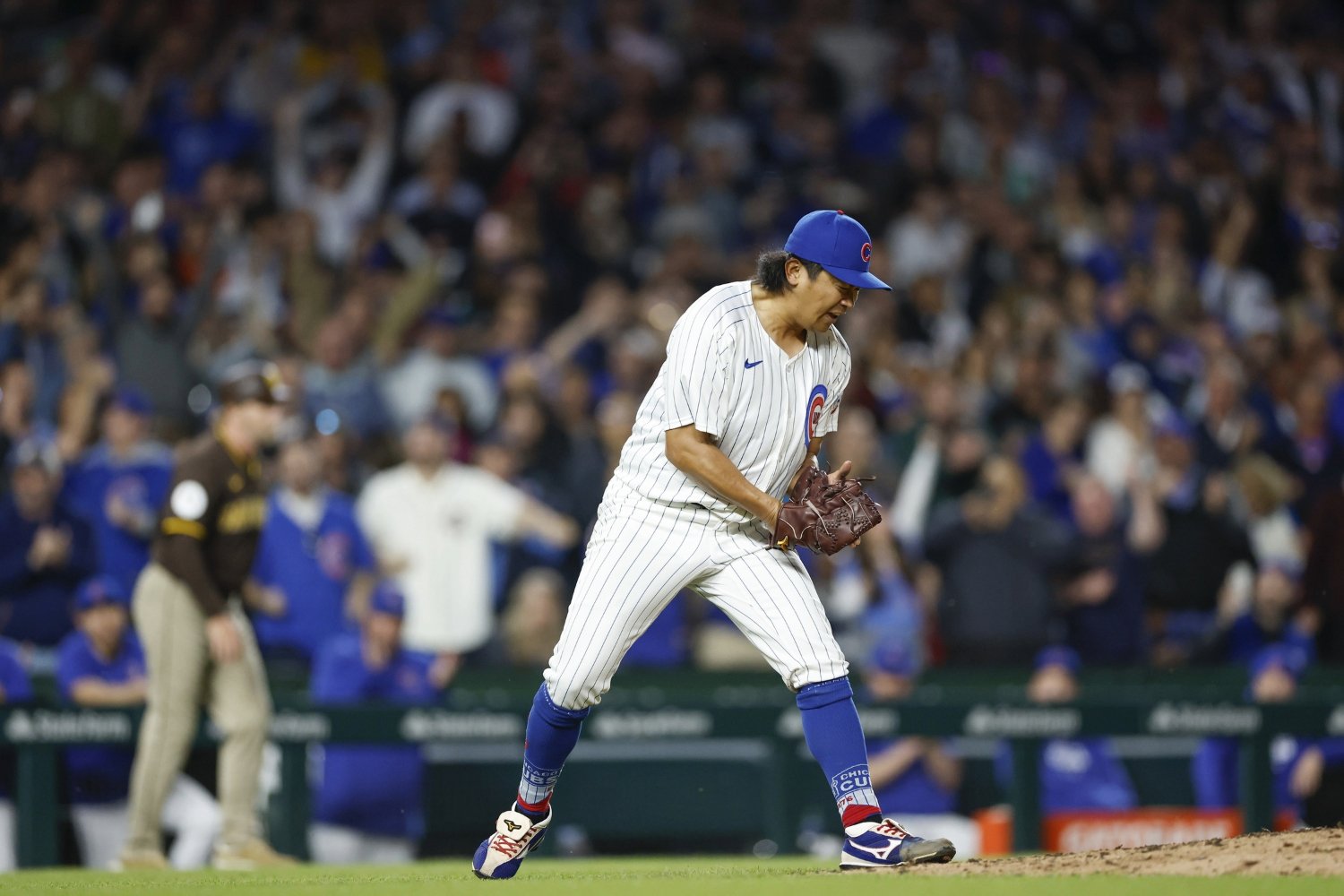 Shota Imanaga is now a free agent after the Chicago Cubs declined his three-year, $57 million team option and Imanaga responded by declining a player option of his own. It's a rather shocking turn of events after the Japanese southpaw clearly took charge as the ace of the staff in 2024, but significant struggles down the stretch of the 2025 season swung the pendulum all the way in the other direction. His free-agent case will be a fascinating one, and not only because of the huge disparity between his performance in the first half (2.65 ERA) and second half (4.70 ERA) of this season. He's a 32-year-old that relies on movement and precision rather than raw stuff, hence why his fastball run value graded out as one of the worst in the majors while his secondary pitches were some of the best. Interested parties will have to believe in his approach to invest in him at his age. Could San Diego be one of those parties? They're set to lose one or both of Michael King and Dylan Cease in free agency this offseason, and Yu Darvish is now guaranteed to be out for all of 2026 after undergoing elbow surgery. Imanaga, who has made 54 starts and thrown 318.0 innings since arriving in the major leagues prior to the 2024 season, could prove to be a reliable presence in a rotation that needs one in the worst way. Of course, the Padres were one of the teams that most heavily scouted Imanaga when he was in Japan, as they are wont do with NPB stars. In a world where the Los Angeles Dodgers have become Japan's favorite MLB team — the presence of Shohei Ohtani alone would guarantee that — San Diego may have interest in getting Darvish a native teammate. Signing Imanaga wouldn't topple the Dodgers' Asian monopoly, but there'd at least be some competition in the NL West, and the hype surrounding starts featuring Imanaga and one of Ohtani, Yoshinobu Yamamoto, or Roki Sasaki would be immeasurable. It's an easy way to grow the fanbase internationally, especially if the Padres can help the free-agent southpaw find his 2024 form. That season, Imanaga's first stateside, the left-handed starter logged a 2.91 ERA in 173 1/3 innings, finishing fifth in Cy Young Award voting as a "rookie". He gave up a bunch of home runs, but he also led the league in strikeout to walk ratio (6.21) that season and didn't walk more than three batters in any start all year long. In fact, he issued one or fewer free passes in 23 of his 29 starts that season. His command of the strike zone was immaculate, even if hitters took advantage of his mistakes. That mostly continued this year — outside of his first start of the year during the Tokyo Series in Japan, he limited his walks to three or fewer in each appearance once again — but his mistakes became more frequent, and opposing batters became far better at taking advantage of them. As I said on North Side Baseball (article linked above) once both sides opted out of his contract: "Over his final nine starts of the regular season, Imanaga allowed at least one home run in every appearance, including multi-homer efforts in five of his final six starts. That trend continued into the playoffs, as the lefty surrendered three home runs in just 6 2/3 frames, including two in less than three innings against the Brewers in Game 2 of the NLDS. The Cubs declined his option today, but they had made their decision on Imanaga weeks ago." That last sentence was in reference to the team's decision not to use him at all on full rest in the decisive Game 5 of the NLDS, as the Cubs opted for a bullpen game in the sudden-death affair. Other teams surely saw that decision and recognized that something within Imanaga's approach was deeply broken toward the end of the 2025 campaign. Still, Imanaga was brilliant just a few months ago, as he allowed a scant .299 slugging percentage and 2.65 ERA in August. The wheels didn't come off until the very end of the year, but once they were gone, there was no getting them back on. Year over year, Imanaga got worse across the board in his second MLB season, besides the fact that he upped his in-zone rate (i.e., pitches thrown in the strike zone) from 51.7% to 54.0%. Considering how much of an issue he had on limiting authoritative, damaging swings, his next team will likely focus on helping him play more to his already-elite chase rates (31.6% in 2025, 34.8% in 2024). One wrinkle in all of this is that the Cubs somewhat surprisingly gave Imanaga the qualifying offer, which is worth about $22 million this offseason. There's no guarantee he turns that down (the option he declined was worth $15 million), but even if he does, he'll now be attached to draft pick compensation as a free agent. I sincerely doubt that'll be enough to scare off A.J. Preller and the Padres, but it could dissuade them from outbidding other teams for his services. There's a lot of good and some very off-putting bad in Imanaga's profile, and the Padres may be wise to favor adding younger pitchers to their exceedingly older staff. There's a pitcher in him that could join Nick Pivetta in rounding out the top of San Diego's rotation, but as spectators saw during the final months of this past season, there's also a pitcher who serves up rather tasty meatballs to ravenous hitters. If Craig Stammen and Ruben Niebla think they can coax the former out more often that the latter, Imanaga could be a solid under-the-radar target to pursue for a team that tends to prefer louder, more bombastic acquisitions.
