


Brandon Glick
-
Posts
109 -
Joined
-
Last visited
Content Type
Profiles
San Diego Padres Videos
2026 San Diego Padres Top Prospects Ranking
San Diego Padres Free Agent & Trade Rumors, Notes, & Tidbits
Guides & Resources
2025 San Diego Padres Draft Pick Tracker
News
2026 San Diego Padres Draft Tracker: Picks & Bonuses
Forums
Blogs
Events
Store
Downloads
Gallery
Everything posted by Brandon Glick
-
I'm of the opinion that Ray is just too low-ceiling these days to be a legitimate frontline starter (despite his sterling ERA). The acquisition of Mize makes his deal easier to appreciate, since you can now line up King-Mize-Ray in a postseason series, which should be able to hang with most other NL teams
-
At long last, the San Diego Padres' franchise sale saga appears to be nearing its end. The Seidler family has chosen its winning bidder, private-equity billionaire José E. Feliciano and his wife, Kwanza Jones. First on the news was Jared Diamond and Miriam Gottfried of the Wall Street Journal. The reported price of the sale will be $3.9 billion, which is $800 million more (roughly 20%) than Forbes' latest evaluation of the organization ($3.1 billion). It is also an MLB record by a significant margin, easily clearing the $2.4 billion paid by Steve Cohen to acquire the New York Mets in 2020. As our @Steve Drumwright noted earlier this week, the finalists had submitted their bids and were waiting a final decision from the Seidler family. Feliciano led a group of investors in 2022 that purchased the Chelsea Football Club for over £4.25 billion (more than $5 billion). There does not appear to be a consortium involved in this deal; from what's publicly available, it seems as though Feliciano and Jones will be the sole owners of the team. They'll be taking over for the Seidler family, who lost their patriarch, Peter, in 2024. Peter Seidler had bought the team in 2012 for $800 million, and after a slow start under his stewardship -- the team didn't post a record above .500 between 2012-19 -- the franchise has evolved into one of the league's premier contenders in recent years. Since 2020, the Padres have run one of the league's highest payroll while making the playoffs four times in six years, including an NLCS appearance in 2022. A sale of this magnitude will take some time to finalize, though there's no reason to expect that the other owners won't vote to ratify it. Feliciano immediately becomes one of the league's wealthiest owners and will likely have an outsized voice at the table during the upcoming CBA negotiations. View full article
-
Padres Sale Reaching Its Final Steps Amidst MLB-Record Evaluation
Brandon Glick posted an article in Padres
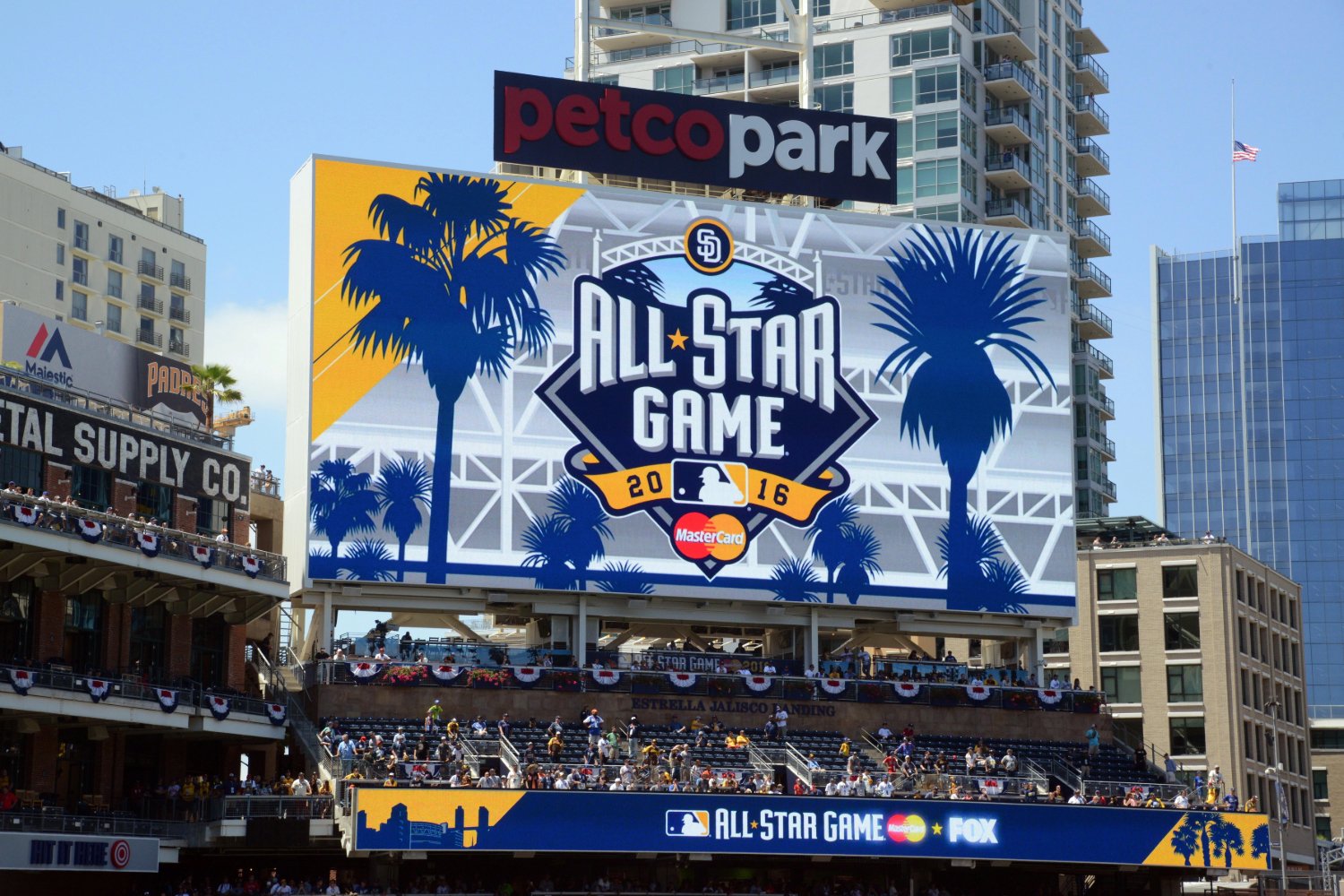 At long last, the San Diego Padres' franchise sale saga appears to be nearing its end. The Seidler family has chosen its winning bidder, private-equity billionaire José E. Feliciano and his wife, Kwanza Jones. First on the news was Jared Diamond and Miriam Gottfried of the Wall Street Journal. The reported price of the sale will be $3.9 billion, which is $800 million more (roughly 20%) than Forbes' latest evaluation of the organization ($3.1 billion). It is also an MLB record by a significant margin, easily clearing the $2.4 billion paid by Steve Cohen to acquire the New York Mets in 2020. As our @Steve Drumwright noted earlier this week, the finalists had submitted their bids and were waiting a final decision from the Seidler family. Feliciano led a group of investors in 2022 that purchased the Chelsea Football Club for over £4.25 billion (more than $5 billion). There does not appear to be a consortium involved in this deal; from what's publicly available, it seems as though Feliciano and Jones will be the sole owners of the team. They'll be taking over for the Seidler family, who lost their patriarch, Peter, in 2024. Peter Seidler had bought the team in 2012 for $800 million, and after a slow start under his stewardship -- the team didn't post a record above .500 between 2012-19 -- the franchise has evolved into one of the league's premier contenders in recent years. Since 2020, the Padres have run one of the league's highest payroll while making the playoffs four times in six years, including an NLCS appearance in 2022. A sale of this magnitude will take some time to finalize, though there's no reason to expect that the other owners won't vote to ratify it. Feliciano immediately becomes one of the league's wealthiest owners and will likely have an outsized voice at the table during the upcoming CBA negotiations.
 -
Walker Buehler was an unmitigated disaster with the Boston Red Sox in 2025. He signed with them after a strong postseason run the year prior with the Los Angeles Dodgers, but he never rediscovered the form that made him a perennial All-Star and Cy Young candidate earlier in his career. Here's what I had to say about the right-hander when he was released by the Red Sox last August: "Buehler isn't the same pitcher who hurled the final out of the 2024 World Series, and he certainly isn't the same pitcher who finished top-10 in NL Cy Young voting in 2019 and 2021. In 112 1/3 frames this year, he's surrendered a 5.45 ERA that actually looks manageable compared to his 5.88 FIP. He's allowing more than a hit per inning and his walk rate has spiked to 10.8%, hence his grotesque 1.56 WHIP. Add it all up, and he's been a negative contributor for the Red Sox this season, no matter who you ask (-0.7 fWAR, -0.9 bWAR)." He then salvaged his season (and possibly his career) in a late-season cameo with the Philadelphia Phillies, allowing just one run across 13 2/3 innings. The stuff wasn't much better, nor were his peripherals, but the raw results impressed the San Diego Padres enough to give him a minor-league deal with an invite to camp. Spring training didn't go terribly well, either -- Buehler recorded a 6.60 ERA and 6.39 FIP while allowing 21 hits in 15 innings -- but a setback in Joe Musgrove's timeline and a general lack of pitching depth earned him a spot in the Friars' rotation by default. Thus, he made his Padres debut in the fourth game of the 2026 regular season against a winless San Francisco Giants team. And, as anyone who watched him pitch last year could have predicted, Buehler stumbled. There were some highlights in the start. About 70% of the contact he generated was on the ground, which would be downright elite if it held up over a full season. Buehler also wasn't shy about leaning into his diverse arsenal, flashing all seven of his pitches at various points. The echoes of a once-great starter reverberated throughout the outing. But the worst parts of Buehler reared their ugly heads far more often. Batters not only made loud contact, but they made a lot of it; they only whiffed on about one-fourth of his offerings while chasing outside the zone at the same rate. As you'd expect, then, the veteran right-hander only managed to secure three strikeouts in four innings pitched, surrendering three runs on five hits and two walks along the way. His locations were generally okay, but they were hardly consistent. His heat maps look like a pitcher who didn't have a firm plan of attack heading into the start. *Courtesy of Baseball Savant Likewise, when he did miss, batters made him pay. Buehler no longer has the raw stuff to get away with mistakes, which is how Harrison Bader hunted down his knuckle curve and hit it 408 feet (107.3 mph). It's just one start's worth of data, so don't read too much into any of the noise just yet. Buehler can still turn things around, particularly if he leans into an arsenal clearly designed to generate groundballs rather than whiffs. But this was not the proof of concept he or the Padres needed to see. With Joe Musgrove set to return at some point in the near future and Griffin Canning soon to follow, Buehler's lease in this rotation will not be long, especially if Germán Márquez can out-pitch him in the early going. Beggars can hardly ever be choosers, but the version of Buehler we just saw isn't capable of handling a starter's workload for a playoff contender. View full article
-
Walker Buehler's 2026 Padres Debut Looked Concerningly Like 2025
Brandon Glick posted an article in Padres
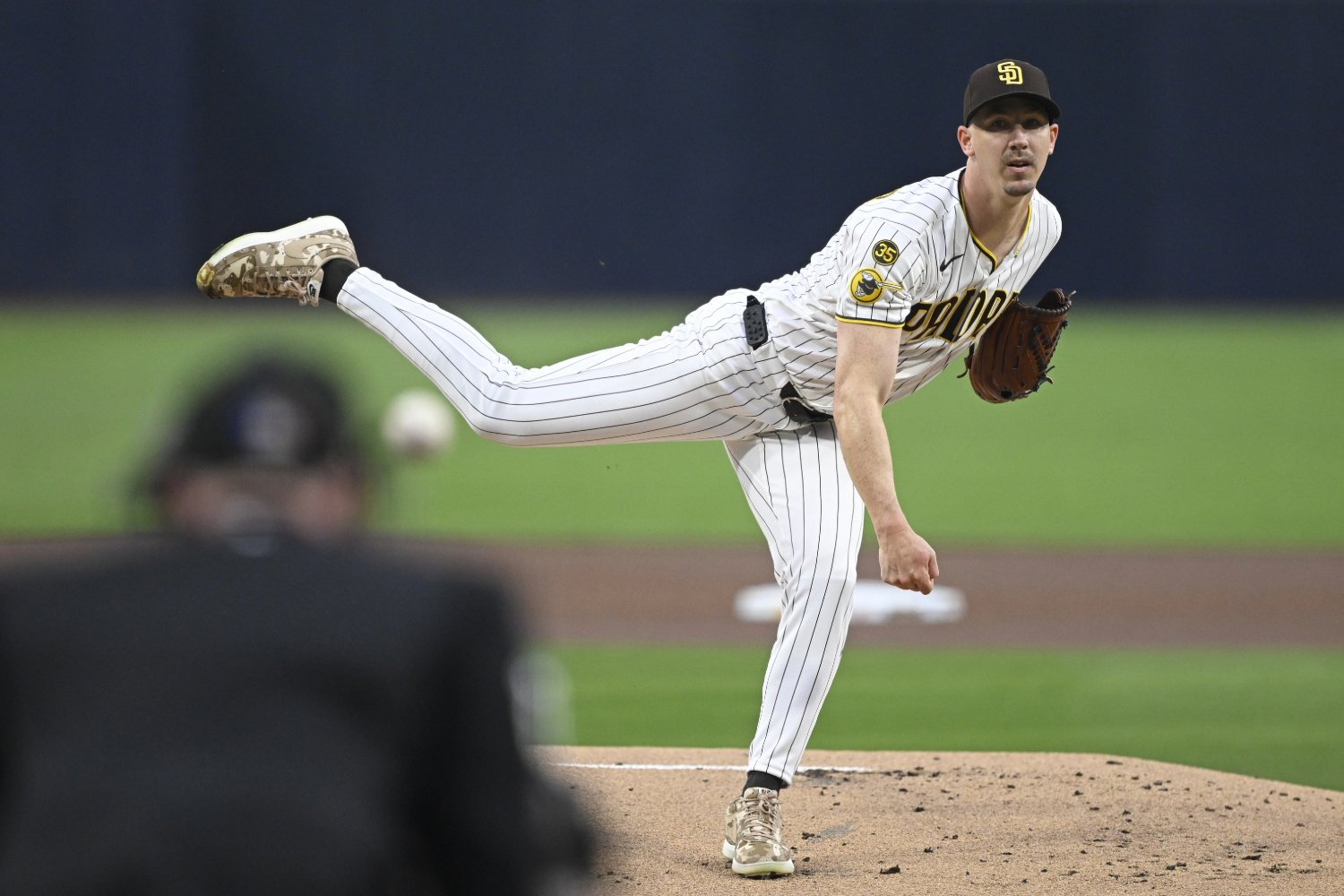 Walker Buehler was an unmitigated disaster with the Boston Red Sox in 2025. He signed with them after a strong postseason run the year prior with the Los Angeles Dodgers, but he never rediscovered the form that made him a perennial All-Star and Cy Young candidate earlier in his career. Here's what I had to say about the right-hander when he was released by the Red Sox last August: "Buehler isn't the same pitcher who hurled the final out of the 2024 World Series, and he certainly isn't the same pitcher who finished top-10 in NL Cy Young voting in 2019 and 2021. In 112 1/3 frames this year, he's surrendered a 5.45 ERA that actually looks manageable compared to his 5.88 FIP. He's allowing more than a hit per inning and his walk rate has spiked to 10.8%, hence his grotesque 1.56 WHIP. Add it all up, and he's been a negative contributor for the Red Sox this season, no matter who you ask (-0.7 fWAR, -0.9 bWAR)." He then salvaged his season (and possibly his career) in a late-season cameo with the Philadelphia Phillies, allowing just one run across 13 2/3 innings. The stuff wasn't much better, nor were his peripherals, but the raw results impressed the San Diego Padres enough to give him a minor-league deal with an invite to camp. Spring training didn't go terribly well, either -- Buehler recorded a 6.60 ERA and 6.39 FIP while allowing 21 hits in 15 innings -- but a setback in Joe Musgrove's timeline and a general lack of pitching depth earned him a spot in the Friars' rotation by default. Thus, he made his Padres debut in the fourth game of the 2026 regular season against a winless San Francisco Giants team. And, as anyone who watched him pitch last year could have predicted, Buehler stumbled. There were some highlights in the start. About 70% of the contact he generated was on the ground, which would be downright elite if it held up over a full season. Buehler also wasn't shy about leaning into his diverse arsenal, flashing all seven of his pitches at various points. The echoes of a once-great starter reverberated throughout the outing. But the worst parts of Buehler reared their ugly heads far more often. Batters not only made loud contact, but they made a lot of it; they only whiffed on about one-fourth of his offerings while chasing outside the zone at the same rate. As you'd expect, then, the veteran right-hander only managed to secure three strikeouts in four innings pitched, surrendering three runs on five hits and two walks along the way. His locations were generally okay, but they were hardly consistent. His heat maps look like a pitcher who didn't have a firm plan of attack heading into the start. *Courtesy of Baseball Savant Likewise, when he did miss, batters made him pay. Buehler no longer has the raw stuff to get away with mistakes, which is how Harrison Bader hunted down his knuckle curve and hit it 408 feet (107.3 mph). It's just one start's worth of data, so don't read too much into any of the noise just yet. Buehler can still turn things around, particularly if he leans into an arsenal clearly designed to generate groundballs rather than whiffs. But this was not the proof of concept he or the Padres needed to see. With Joe Musgrove set to return at some point in the near future and Griffin Canning soon to follow, Buehler's lease in this rotation will not be long, especially if Germán Márquez can out-pitch him in the early going. Beggars can hardly ever be choosers, but the version of Buehler we just saw isn't capable of handling a starter's workload for a playoff contender.
 -
Padres Mission's countdown of the top 20 San Diego Padres prospects for the 2026 season, as voted on by our staff writers, is nearing the top five. Check out prior entries in the ranking here: No. 8: Ty Harvey No. 9: Ryan Wideman No. 10: Kale Fountain Nos. 11-15 Nos. 16-20 No. 7: Humberto Cruz (Low-A, Lake Elsinore Storm) Humberto Cruz was frequently linked to the San Diego Padres during the build up to his international free agent class, but then the Friars blew $4.2 million on Leo De Vries. In order to facilitate a Cruz signing, the front office traded Blake Dickerson to the Tigers for international signing money, convincing the teenage right-hander out of Mexico to join the organization on a $750,000 signing bonus. Since then, Cruz hasn't pitched much for the Padres. He made two truncated appearances in the Arizona Complex League in 2024 and opened the 2025 campaign at the same level. Though the results were far from pretty (8.31 ERA, 6.57 FIP), the Padres pushed him up to Low-A Lake Elsinore. He made 14 total starts covering 38 innings across both stops, but Cruz's season ended prematurely when he went down in mid-August with an elbow injury. It later required an internal brace procedure, knocking him out potentially for all of 2026. That surgery, in conjunction with his poor results last year — 7.58 ERA, 6.78 FIP, 20.5% strikeout rate, 9.9% walk rate — paints a grim picture for the 19-year-old. However, his raw talent remains tantalizing, and he's got a lot of time on his side. Last measured at 6'1", 170 pounds, Cruz is stilling filling out his lanky frame. He'll certainly put on more bulk throughout his rehab process, lending hope that he'l eventually have the build to withstand a starter's workload over a full season. Cruz's fastball is viewed as run of the mill at the moment, possessing mid-90s velocity with an average amount of run. A little more spin and two-seam action would help it play up better in the zone, as would another jump in velocity upon his return from injury. His best pitch is undoubtedly his slider, which has a lot of vertical brake and is much closer to a slurve than a sweeper. That pitch generated a 58% whiff rate in Low-A last year, which suggests even the 55-grade it has received may be a bit outdated. If he can elevate his fastball more frequently, Cruz could find himself in a situation where he simply abuses even the best hitters down in the zone with his slider. He accentuates his arsenal with a fading changeup designed to get lefties out, which has shown good shape but inconsistent location. It'll be a key developmental piece for him down the road — with three above-average offerings, Cruz can remain in the rotation. Otherwise, his fastball-slider combo will function nicely in a high-leverage bullpen role. Expected to miss most, if not all, of the 2026 season as he rehabs his elbow, Cruz's timeline has taken a hit since the start of last year. The potential to become a mid-rotation starter remains, but he'll need to prove healthy and capable of ascending quickly if he hopes to remain on the top-prospect radar in the future. However, seeing as he won't turn 20 until December, the Padres have no incentive to rush him back. View full article
-
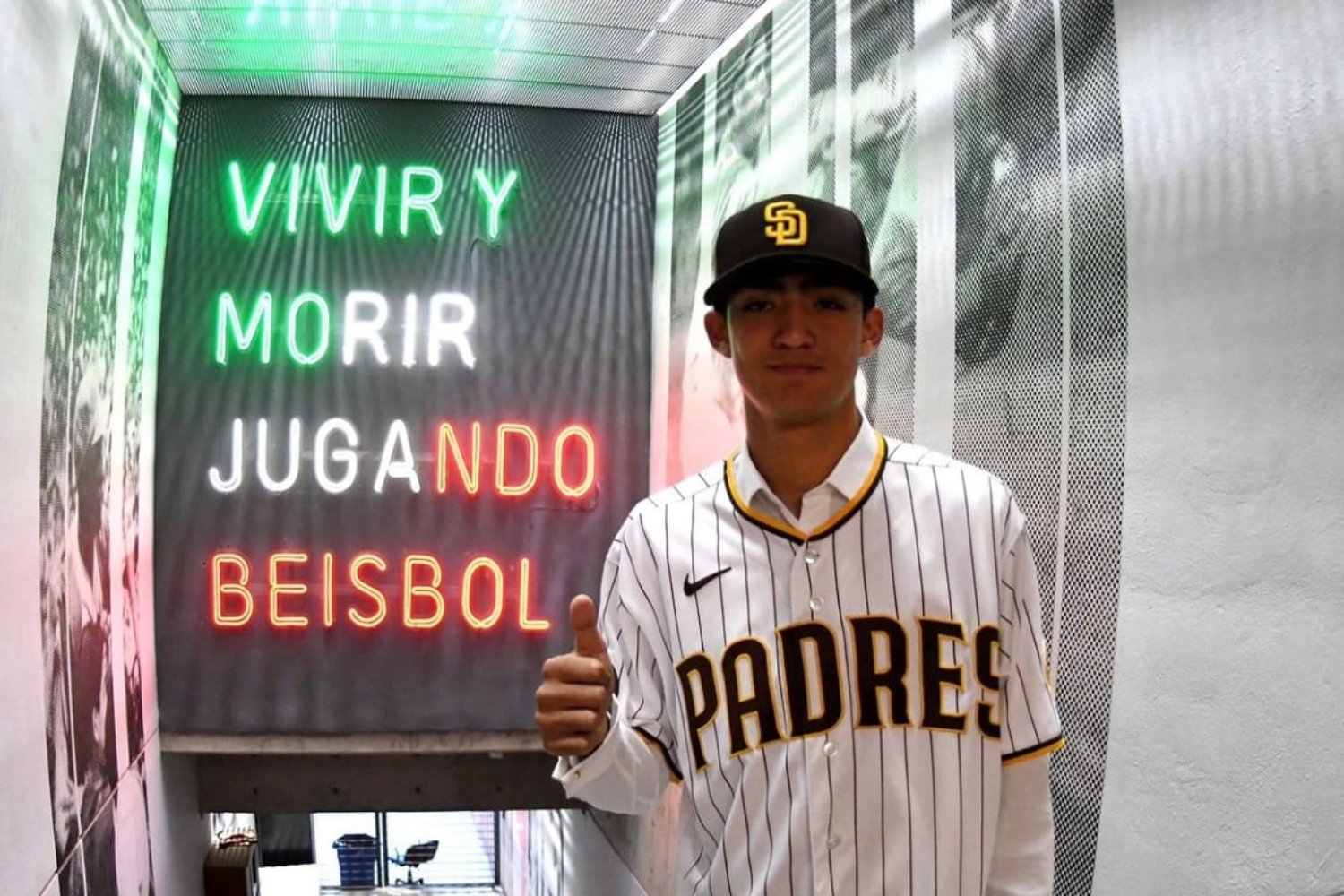 Padres Mission's countdown of the top 20 San Diego Padres prospects for the 2026 season, as voted on by our staff writers, is nearing the top five. Check out prior entries in the ranking here: No. 8: Ty Harvey No. 9: Ryan Wideman No. 10: Kale Fountain Nos. 11-15 Nos. 16-20 No. 7: Humberto Cruz (Low-A, Lake Elsinore Storm) Humberto Cruz was frequently linked to the San Diego Padres during the build up to his international free agent class, but then the Friars blew $4.2 million on Leo De Vries. In order to facilitate a Cruz signing, the front office traded Blake Dickerson to the Tigers for international signing money, convincing the teenage right-hander out of Mexico to join the organization on a $750,000 signing bonus. Since then, Cruz hasn't pitched much for the Padres. He made two truncated appearances in the Arizona Complex League in 2024 and opened the 2025 campaign at the same level. Though the results were far from pretty (8.31 ERA, 6.57 FIP), the Padres pushed him up to Low-A Lake Elsinore. He made 14 total starts covering 38 innings across both stops, but Cruz's season ended prematurely when he went down in mid-August with an elbow injury. It later required an internal brace procedure, knocking him out potentially for all of 2026. That surgery, in conjunction with his poor results last year — 7.58 ERA, 6.78 FIP, 20.5% strikeout rate, 9.9% walk rate — paints a grim picture for the 19-year-old. However, his raw talent remains tantalizing, and he's got a lot of time on his side. Last measured at 6'1", 170 pounds, Cruz is stilling filling out his lanky frame. He'll certainly put on more bulk throughout his rehab process, lending hope that he'l eventually have the build to withstand a starter's workload over a full season. Cruz's fastball is viewed as run of the mill at the moment, possessing mid-90s velocity with an average amount of run. A little more spin and two-seam action would help it play up better in the zone, as would another jump in velocity upon his return from injury. His best pitch is undoubtedly his slider, which has a lot of vertical brake and is much closer to a slurve than a sweeper. That pitch generated a 58% whiff rate in Low-A last year, which suggests even the 55-grade it has received may be a bit outdated. If he can elevate his fastball more frequently, Cruz could find himself in a situation where he simply abuses even the best hitters down in the zone with his slider. He accentuates his arsenal with a fading changeup designed to get lefties out, which has shown good shape but inconsistent location. It'll be a key developmental piece for him down the road — with three above-average offerings, Cruz can remain in the rotation. Otherwise, his fastball-slider combo will function nicely in a high-leverage bullpen role. Expected to miss most, if not all, of the 2026 season as he rehabs his elbow, Cruz's timeline has taken a hit since the start of last year. The potential to become a mid-rotation starter remains, but he'll need to prove healthy and capable of ascending quickly if he hopes to remain on the top-prospect radar in the future. However, seeing as he won't turn 20 until December, the Padres have no incentive to rush him back.
 -
View full video
-
 As all San Diego Padres fans know, the prospective sale of the franchise — which the Seidler family has been looking into since at least the start of the offseason — has limited what the front office can do to keep this current window of contention open as long as possible. When Mike Shildt stepped down, it was fresh-faced Craig Stammen who replaced him, rather than another veteran with a long history of postseason success. When Dylan Cease left for a $200 million contract in free agency, no blockbuster trade or marquee signing was made in an attempt to fill his vacated spot atop the rotation. And yet, despite so much uncertainty regarding both the team's immediate budget and long-term financial future, president of baseball operations A.J. Preller has left no stone unturned in his attempt to get this franchise over the hump. Forced to prioritize one major free agent, Preller let Cease, Ryan O'Hearn, Robert Suarez, and Luis Arraez walk, instead pivoting to a creative three-year deal with incumbent No. 2 starter Michael King. With practically no depth or major-league ready prospects to speak of, Preller has been unceasing in low-risk signings, bringing in German Marquez, Kyle Hart, Griffin Canning, Triston McKenzie, Marco Gonzales, and Sean Boyle as back-end rotation options for Stammen to pick from. He's also found a way to stretch every dollar the team has at its disposal, adding some much-needed utility to the bench group in Sung-mun Song. In need of more power, especially against left-handed pitchers, he signed Nick Castellanos and Miguel Andujar deep into the winter months. He jumped at the opportunity to try and revitalize the careers of Ty France and Jose Miranda on minor-league deals, and he even got his already-loaded bullpen some reinforcements in Daison Acosta and Ty Adcock. Though it hardly fits the profile of a "masterclass", Preller has shown, with no room left for doubt, that he's as creative as any executive in the game, even when he doesn't have the financial freedom to hand out $300 million contracts or the prospect depth to swing a trade for Craig Kimbrel. Of course, a lot of the very walls closing in on the Padres were built by him over many years of freely wheeling and dealing, but with his back in the corner, the Friars' general manager has used this offseason to keep the team firmly in range of their first World Series title ever. For that great work — plus an impressive track record that now spans more than a decade — the Padres have decided to extend Preller on a multi-year contract, per FanSided's Robert Murray. Originally hired as GM in 2014, Preller is now the second-longest tenured front office chief in baseball, behind only much-maligned Yankees leader Brian Cashman. Though San Diego hasn't been back to the Fall Classic since 1998, Preller has led the franchise to an unprecedented run of success, including four trips to October over the past six years. In 2024 and 2025, the team has also won 90+ games in consecutive seasons for the first time in franchise history. With a sale of the organization is expected to happen sooner or later, having Preller in tow to guide the team through such a tumultuous transition period is indescribably valuable. He may not want to stick around too long after the Seidlers leave town, but knowing he'll be the one calling the shots is the type of reassurance that can keep the Padres from plunging head-first into irrelevancy under a particularly frugal new owner. Of course, the sale isn't the only uncertain thing facing the Padres right now. An MLB lockout is widely expected next offseason, and recent reports suggest it could wipe out most, if not all, of the 2027 season. Whether or not games get played, those contentious Collective Bargaining Agreement negotiations will alter the finances of the sport in some irrevocable way, be it a salary cap/floor or harsher luxury tax penalties. That could lead to a painful trimming down of the roster, but it's almost certainly better if Preller is the one shedding weight rather than a new baseball operations lead with a background in finance and cap compliancy. Once described as the "rock star general manager" of baseball, Preller has shown a little more maturity and restraint this offseason, if only because there's no more room in the budget for a big show. We know he still has that wild side to him after last year's trade deadline. And now, the Padres know they'll be in good hands no matter what comes next for them or the league as a whole.
 -
As all San Diego Padres fans know, the prospective sale of the franchise — which the Seidler family has been looking into since at least the start of the offseason — has limited what the front office can do to keep this current window of contention open as long as possible. When Mike Shildt stepped down, it was fresh-faced Craig Stammen who replaced him, rather than another veteran with a long history of postseason success. When Dylan Cease left for a $200 million contract in free agency, no blockbuster trade or marquee signing was made in an attempt to fill his vacated spot atop the rotation. And yet, despite so much uncertainty regarding both the team's immediate budget and long-term financial future, president of baseball operations A.J. Preller has left no stone unturned in his attempt to get this franchise over the hump. Forced to prioritize one major free agent, Preller let Cease, Ryan O'Hearn, Robert Suarez, and Luis Arraez walk, instead pivoting to a creative three-year deal with incumbent No. 2 starter Michael King. With practically no depth or major-league ready prospects to speak of, Preller has been unceasing in low-risk signings, bringing in German Marquez, Kyle Hart, Griffin Canning, Triston McKenzie, Marco Gonzales, and Sean Boyle as back-end rotation options for Stammen to pick from. He's also found a way to stretch every dollar the team has at its disposal, adding some much-needed utility to the bench group in Sung-mun Song. In need of more power, especially against left-handed pitchers, he signed Nick Castellanos and Miguel Andujar deep into the winter months. He jumped at the opportunity to try and revitalize the careers of Ty France and Jose Miranda on minor-league deals, and he even got his already-loaded bullpen some reinforcements in Daison Acosta and Ty Adcock. Though it hardly fits the profile of a "masterclass", Preller has shown, with no room left for doubt, that he's as creative as any executive in the game, even when he doesn't have the financial freedom to hand out $300 million contracts or the prospect depth to swing a trade for Craig Kimbrel. Of course, a lot of the very walls closing in on the Padres were built by him over many years of freely wheeling and dealing, but with his back in the corner, the Friars' general manager has used this offseason to keep the team firmly in range of their first World Series title ever. For that great work — plus an impressive track record that now spans more than a decade — the Padres have decided to extend Preller on a multi-year contract, per FanSided's Robert Murray. Originally hired as GM in 2014, Preller is now the second-longest tenured front office chief in baseball, behind only much-maligned Yankees leader Brian Cashman. Though San Diego hasn't been back to the Fall Classic since 1998, Preller has led the franchise to an unprecedented run of success, including four trips to October over the past six years. In 2024 and 2025, the team has also won 90+ games in consecutive seasons for the first time in franchise history. With a sale of the organization is expected to happen sooner or later, having Preller in tow to guide the team through such a tumultuous transition period is indescribably valuable. He may not want to stick around too long after the Seidlers leave town, but knowing he'll be the one calling the shots is the type of reassurance that can keep the Padres from plunging head-first into irrelevancy under a particularly frugal new owner. Of course, the sale isn't the only uncertain thing facing the Padres right now. An MLB lockout is widely expected next offseason, and recent reports suggest it could wipe out most, if not all, of the 2027 season. Whether or not games get played, those contentious Collective Bargaining Agreement negotiations will alter the finances of the sport in some irrevocable way, be it a salary cap/floor or harsher luxury tax penalties. That could lead to a painful trimming down of the roster, but it's almost certainly better if Preller is the one shedding weight rather than a new baseball operations lead with a background in finance and cap compliancy. Once described as the "rock star general manager" of baseball, Preller has shown a little more maturity and restraint this offseason, if only because there's no more room in the budget for a big show. We know he still has that wild side to him after last year's trade deadline. And now, the Padres know they'll be in good hands no matter what comes next for them or the league as a whole. View full article
-
The San Diego Padres finally added a right-handed bench bat, signing Miguel Andujar to a one-year deal. Will he purely platoon for the Friars, or are the bigger plans to get him into the starting lineup on a nightly basis? View full video
-
The San Diego Padres finally added a right-handed bench bat, signing Miguel Andujar to a one-year deal. Will he purely platoon for the Friars, or are the bigger plans to get him into the starting lineup on a nightly basis?
-
UPDATE: Darvish has announced that he has not made any final decisions on his retirement or contract, and that he is purely focused on his rehab process. Original article as follows. Amidst unceasing rotation depth question and financial constraints, one of the looming questions hanging over the San Diego Padres was the future of Yu Darvish. The 39-year-old underwent elbow surgery earlier in the offseason and wasn't expected to pitch at all in 2026. However, the plans have changed. Per Kevin Acee of the San Diego Union-Tribune, Darvish is officially retiring from Major League Baseball. Though nothing is official yet, it appears as though the veteran right-hander may be prepared to leave his salary on the table, which could be huge for the Padres' hamstrung budget. Darvish, who is attached to an $18 million AAV, was owed a $16 million salary in 2026 and $15 million checks in 2027 and 2028. That's a lot of money to work with, particularly if A.J. Preller still plans to address needs in both the rotation and infield. A lot of the marquee free agents on the market have already signed, but this kind of wiggle room could make a trade far easier to execute. The immediate impact from this decision is that the Friars will now have an extra 40-man roster spot to work with; they were always going to have it once Darvish went on the 60-day IL, but that can't happen until just before the regular season. In essence, the Padres are gaining early access to that rostering advantage. Once his retirement in finalized, San Diego's 40-man roster will stand at 37. This does pose some difficult questions for 2027 and beyond, since Darvish was a locked in rotation member even at his advanced age. If Michael King and Nick Pivetta opt out of their respective deals, the Padres' starting five may be completely unrecognizable in a year's time. Likewise, Darvish was a revered clubhouse presence and a renowned leader. Even though he's declined as a pitcher and wouldn't have made an appearance this season, losing his voice and experience will be painful, especially with a rookie manager in Craig Stammen. One can only hope that he'll stay attached to the Padres in some way after riding off into the sunset. Across his legendary 13-year career, Darvish recorded a 3.65 ERA and 2,075 strikeouts in 1,778.0 innings. He slowed down some with the Friars — his 3.97 ERA was his worst at any of his four career stops — but he was a stabilizing force atop every rotation he was a part of since coming over from Japan. A five-time All-Star and two-time Cy Young runner-up, Darvish's career will go down as one of the best for any NPB convert. Padres Mission wishes Darvish nothing but the best in retirement, as well as a return to full health. View full article
-
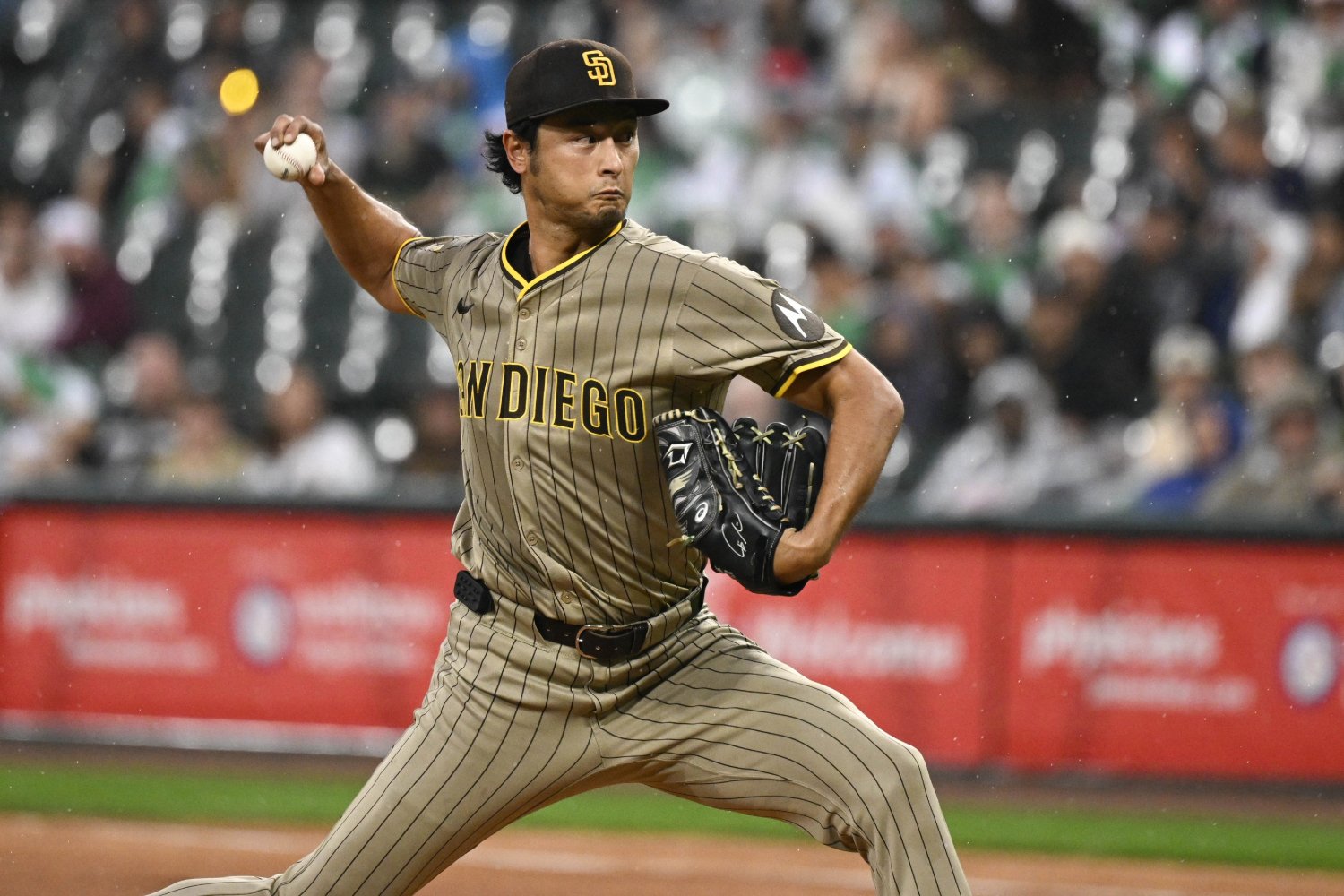 UPDATE: Darvish has announced that he has not made any final decisions on his retirement or contract, and that he is purely focused on his rehab process. Original article as follows. Amidst unceasing rotation depth question and financial constraints, one of the looming questions hanging over the San Diego Padres was the future of Yu Darvish. The 39-year-old underwent elbow surgery earlier in the offseason and wasn't expected to pitch at all in 2026. However, the plans have changed. Per Kevin Acee of the San Diego Union-Tribune, Darvish is officially retiring from Major League Baseball. Though nothing is official yet, it appears as though the veteran right-hander may be prepared to leave his salary on the table, which could be huge for the Padres' hamstrung budget. Darvish, who is attached to an $18 million AAV, was owed a $16 million salary in 2026 and $15 million checks in 2027 and 2028. That's a lot of money to work with, particularly if A.J. Preller still plans to address needs in both the rotation and infield. A lot of the marquee free agents on the market have already signed, but this kind of wiggle room could make a trade far easier to execute. The immediate impact from this decision is that the Friars will now have an extra 40-man roster spot to work with; they were always going to have it once Darvish went on the 60-day IL, but that can't happen until just before the regular season. In essence, the Padres are gaining early access to that rostering advantage. Once his retirement in finalized, San Diego's 40-man roster will stand at 37. This does pose some difficult questions for 2027 and beyond, since Darvish was a locked in rotation member even at his advanced age. If Michael King and Nick Pivetta opt out of their respective deals, the Padres' starting five may be completely unrecognizable in a year's time. Likewise, Darvish was a revered clubhouse presence and a renowned leader. Even though he's declined as a pitcher and wouldn't have made an appearance this season, losing his voice and experience will be painful, especially with a rookie manager in Craig Stammen. One can only hope that he'll stay attached to the Padres in some way after riding off into the sunset. Across his legendary 13-year career, Darvish recorded a 3.65 ERA and 2,075 strikeouts in 1,778.0 innings. He slowed down some with the Friars — his 3.97 ERA was his worst at any of his four career stops — but he was a stabilizing force atop every rotation he was a part of since coming over from Japan. A five-time All-Star and two-time Cy Young runner-up, Darvish's career will go down as one of the best for any NPB convert. Padres Mission wishes Darvish nothing but the best in retirement, as well as a return to full health.
 -
It's hard to remember now, but Jose Iglesias was the only bench player who made the San Diego Padres' 2025 Opening Day roster and lasted throughout the entire season. Martin Maldonado was immediately released upon the acquisition of Freddy Fermin at the trade deadline, Brandon Lockridge was sent to Milwaukee in the ill-advised Nestor Cortes deal, and Yuli Gurriel didn't even make it through April before being designated for assignment. Iglesias, 36, didn't necessarily earn that distinction by virtue of his brilliant play; he hit .229/.298/.294 in 343 plate appearances with the Friars, good for a 73 wRC+. Perhaps more damning, he posted the worst defensive metrics of his sterling career, with Defensive Runs Saved and Outs Above Average both grading him in the negatives for his combined work at second base, third base, and shortstop. Still, that kind of versatility is extremely valuable, particularly for a Padres team that has older players slated to start on the left side of the infield (Manny Machado and Xander Bogaerts). The current bench situation in San Diego is largely unsettled at the moment; Luis Campusano is penciled in as the No. 2 backstop, but that's far from a guarantee as A.J. Preller continues to sniff around possible upgrades on the trade market. Bryce Johnson looks likely to break camp as the fourth outfielder, but his lack of power could create an opening for someone else to run away with the job. Will Wagner and Mason McCoy would be fine infield depth, but neither has done enough at the major-league level to feel confident in their ability to fill in for Machado, Bogaerts, or Jake Cronenworth for any extended period of time. Now, Sung-mun Song does change the calculations here a bit as a versatile piece in his own right. He'd be an excellent first-man-off-the-bench option, but the Padres' need for a first baseman and designated hitter (pending Gavin Sheets' development) could force Song to start on a regular basis. Adding a full-time starter at the cold corner would create a hugely important snowball effect that would push Song into a reserve role, but until that happens, the Friars don't have a starting-caliber infielder projected to make the Opening Day roster as a bench player. Iglesias may no longer fit that description either, but it was only one year ago that he was a cult hero for the New York Mets, posting a 136 wRC+ and 2.5 fWAR in just 85 games in the Big Apple. He was also much better with the glove while primarily playing second base. The advanced metrics weren't quite so kind, but the green flags in his profile stood out: a 13.4% strikeout rate and 15.2% whiff rate that both ranked above the 90th percentile for all MLB hitters in 2024. It's fair to call that a "Linsanity" run for a player who has never been known for his bat, particularly after Iglesias recorded awful batted ball and contact data in 2025 with the Padres. As a slow swinger who doesn't work a ton of walks, the 36-year-old needs to parlay his bat-to-ball skills into frequent hits to provide any value at the plate. Perhaps at his age, it's wishful thinking to assume he can ever get back to his form with the Mets. But the Padres wouldn't need him to necessarily do that, should they re-sign him. Better defense alone would go a long way to making this team deeper, as would any semblance of his once-elite sprint speed that also began to decay last year. If he could find even a middle ground between his production in 2024 and 2025, he'd be a league-average bat capable of playing every infield position (besides first) with league-average proficiency. That might not sound valuable on the surface, but that's a ridiculous step up from what the Friars got out of their reserve unit last year. So long as his one-game suspension stemming from the Padres' playoff series loss to the Cubs is served without any backlash, there's reason to believe this partnership could be more lucrative the second time around. There are other ways to solve this bench problem. Perhaps Jose Miranda rediscovers his best form in San Diego and makes the team as a non-roster invitee to spring training. Maybe Tirso Ornelas finally emerges as a valuable piece and allows the team to trade Bryce Johnson for infield help. Or, as aforementioned, the Padres could add a first baseman and push Sung-mun Song into a backup role. There's a good argument to be made that all of those options are preferable to re-signing Iglesias after his middling debut season in San Diego. But the veteran infielder is a known quantity with a recent history of success. As a last resort, a reunion with Iglesias shouldn't be ruled off the table — especially if the alternative is standing pat. View full article
-
Is A Jose Iglesias Reunion Out of the Question for the Padres?
Brandon Glick posted an article in Padres
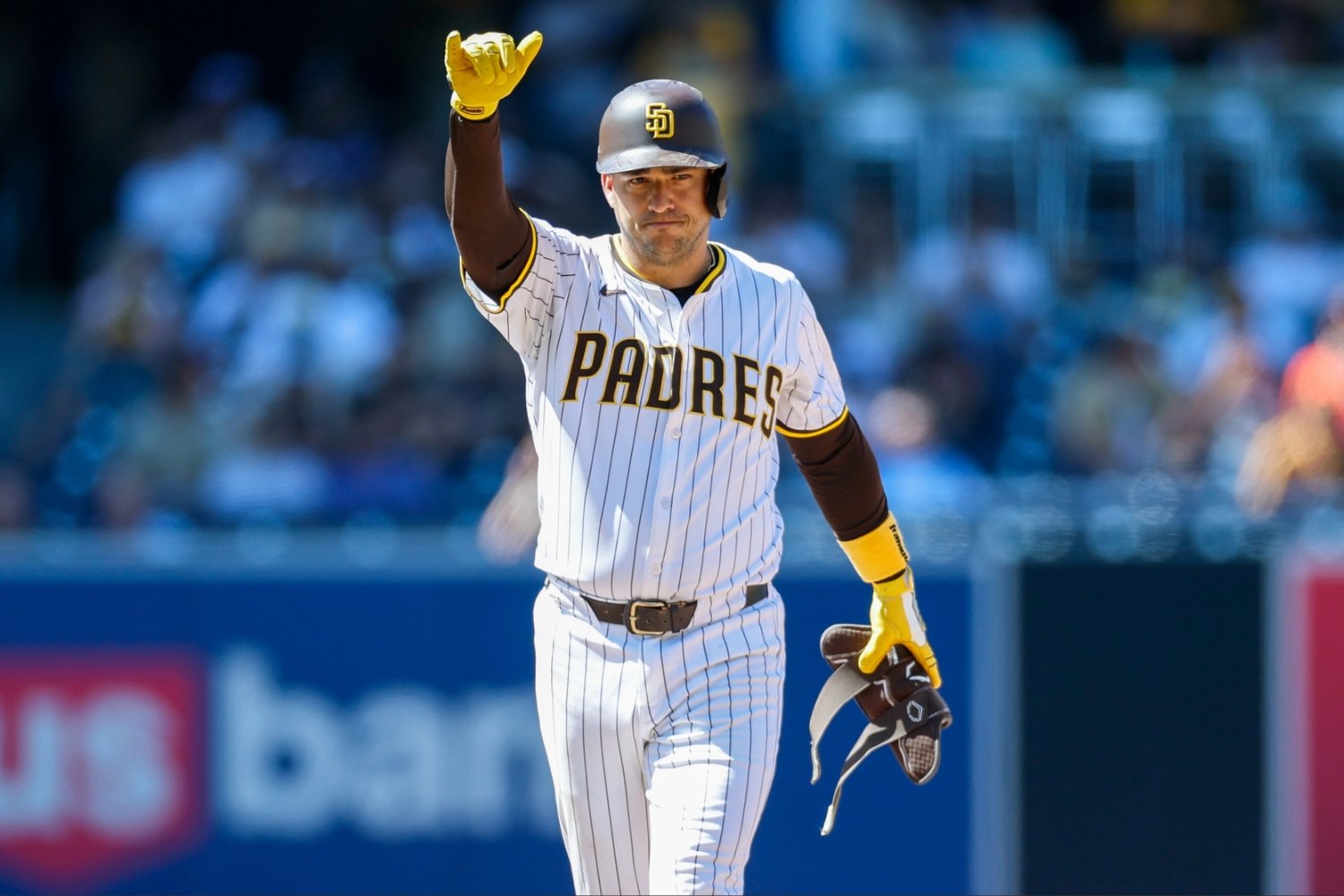 It's hard to remember now, but Jose Iglesias was the only bench player who made the San Diego Padres' 2025 Opening Day roster and lasted throughout the entire season. Martin Maldonado was immediately released upon the acquisition of Freddy Fermin at the trade deadline, Brandon Lockridge was sent to Milwaukee in the ill-advised Nestor Cortes deal, and Yuli Gurriel didn't even make it through April before being designated for assignment. Iglesias, 36, didn't necessarily earn that distinction by virtue of his brilliant play; he hit .229/.298/.294 in 343 plate appearances with the Friars, good for a 73 wRC+. Perhaps more damning, he posted the worst defensive metrics of his sterling career, with Defensive Runs Saved and Outs Above Average both grading him in the negatives for his combined work at second base, third base, and shortstop. Still, that kind of versatility is extremely valuable, particularly for a Padres team that has older players slated to start on the left side of the infield (Manny Machado and Xander Bogaerts). The current bench situation in San Diego is largely unsettled at the moment; Luis Campusano is penciled in as the No. 2 backstop, but that's far from a guarantee as A.J. Preller continues to sniff around possible upgrades on the trade market. Bryce Johnson looks likely to break camp as the fourth outfielder, but his lack of power could create an opening for someone else to run away with the job. Will Wagner and Mason McCoy would be fine infield depth, but neither has done enough at the major-league level to feel confident in their ability to fill in for Machado, Bogaerts, or Jake Cronenworth for any extended period of time. Now, Sung-mun Song does change the calculations here a bit as a versatile piece in his own right. He'd be an excellent first-man-off-the-bench option, but the Padres' need for a first baseman and designated hitter (pending Gavin Sheets' development) could force Song to start on a regular basis. Adding a full-time starter at the cold corner would create a hugely important snowball effect that would push Song into a reserve role, but until that happens, the Friars don't have a starting-caliber infielder projected to make the Opening Day roster as a bench player. Iglesias may no longer fit that description either, but it was only one year ago that he was a cult hero for the New York Mets, posting a 136 wRC+ and 2.5 fWAR in just 85 games in the Big Apple. He was also much better with the glove while primarily playing second base. The advanced metrics weren't quite so kind, but the green flags in his profile stood out: a 13.4% strikeout rate and 15.2% whiff rate that both ranked above the 90th percentile for all MLB hitters in 2024. It's fair to call that a "Linsanity" run for a player who has never been known for his bat, particularly after Iglesias recorded awful batted ball and contact data in 2025 with the Padres. As a slow swinger who doesn't work a ton of walks, the 36-year-old needs to parlay his bat-to-ball skills into frequent hits to provide any value at the plate. Perhaps at his age, it's wishful thinking to assume he can ever get back to his form with the Mets. But the Padres wouldn't need him to necessarily do that, should they re-sign him. Better defense alone would go a long way to making this team deeper, as would any semblance of his once-elite sprint speed that also began to decay last year. If he could find even a middle ground between his production in 2024 and 2025, he'd be a league-average bat capable of playing every infield position (besides first) with league-average proficiency. That might not sound valuable on the surface, but that's a ridiculous step up from what the Friars got out of their reserve unit last year. So long as his one-game suspension stemming from the Padres' playoff series loss to the Cubs is served without any backlash, there's reason to believe this partnership could be more lucrative the second time around. There are other ways to solve this bench problem. Perhaps Jose Miranda rediscovers his best form in San Diego and makes the team as a non-roster invitee to spring training. Maybe Tirso Ornelas finally emerges as a valuable piece and allows the team to trade Bryce Johnson for infield help. Or, as aforementioned, the Padres could add a first baseman and push Sung-mun Song into a backup role. There's a good argument to be made that all of those options are preferable to re-signing Iglesias after his middling debut season in San Diego. But the veteran infielder is a known quantity with a recent history of success. As a last resort, a reunion with Iglesias shouldn't be ruled off the table — especially if the alternative is standing pat.
 -
When the San Diego Padres traded six minor-league players at the deadline for Ryan O'Hearn and Ramón Laureano, they did so with the 2025 season in mind. They were part of a seven-player haul in total, as the team tried to overhaul their offense first and pitching staff second. Of course, that didn't yield tremendous results, as the lineup went ice cold against the Chicago Cubs in the NL Wild Card Round, and now O'Hearn has joined the Pittsburgh Pirates on a two-year deal in free agency. Laureano, meanwhile, is sticking around for at least one more campaign after the Friars exercised their $6.5 million club option on the left fielder. Between San Diego and Baltimore at age 30 last year, Laureano had arguably the best season of his career, hitting .281/.342/.512 along with 24 home runs and seven stolen bases. His overall offensive line translated to a .364 wOBA and 138 wRC+. In 198 plate appearances for San Diego, he hit .269/.323/.489 with nine home runs and three stolen bases, with a 6.6 percent walk rate and 23.7 percent strikeout rate.; that translated to a .347 wOBA and 127 wRC+. He's never been a particularly great defensive outfielder, though his arm strength routinely ranks among the best in the league (85th percentile last year). He accrued 7 Defensive Runs Saved last season, though that comes with the caveat of -9 Outs Above Average also being attached to his work with the glove. In all, it's a quality corner outfielder profile, particularly with Jackson Merrill and Fernando Tatis Jr. locking down the rest of the grass at Petco Park. Here's the thing, though: Laureano re-broke out at 30 years old. Since 2019, he had never been more than 12% better than league average at the plate; he was 38% better in 2025. He slashed his strikeout rate to a career-low figure while maintaining his career average in generating free passes. And he did all of it without a noticeable jump in bat speed. Is this really sustainable? The most immediate improvement he made year-over-year was attacking breaking balls, especially out in front. From his debut through the end of the 2024 season, Laureano had never posted a wOBA above .300 against those offerings, despite seeing them roughly one-third of the time. Last year, though, he clobbered them to the tune of a .410 wOBA and .624 slugging percentage. It was his most productive season against any pitch type since he was smashing fastballs in his prime six years ago. He also had his best season since his rookie debut against off-speed pitches (.326 wOBA). He whiffed against both pitch types far less, making the clear and educated adjustment to prioritize anticipating non-fastballs at the plate. That did lead to an offensive downturn against heaters (.346 wOBA), but that's still above-average production. If nothing else, Laureano became a far more well-rounded hitter in 2025 who was among the best players in the sport at pulling the ball in the air, another testament to the changes he made in trying to attack slower stuff farther out in front of the plate. That's a replicable skill, even as Laureano gets deeper into this thirties. He's never been overly reliant on excellent bat speed to crush fastball, instead dictating his plate approach around them. Now, he's made the necessary adjustment to handle other pitch types with aplomb, insulating himself from the adverse effects of aging (like struggling to catch up to fastballs). That overhaul also allowed him to dramatically improve in terms of out-of-zone swing rate (dropped by 4.6% year over year) and hard-hit rate (8.3% jump). He wasn't the prize of the Padres' trade deadline haul — he arguably even wasn't the biggest name that returned to San Diego in his own trade. And yet, with the Friars focusing so many of their limited resources on pitching staff upgrades this offseason, Laureano has become one of the key figures in an offense that routinely failed to live up to expectations in 2025. Perhaps a full year of his presence will be just what the doctor ordered. View full article
-
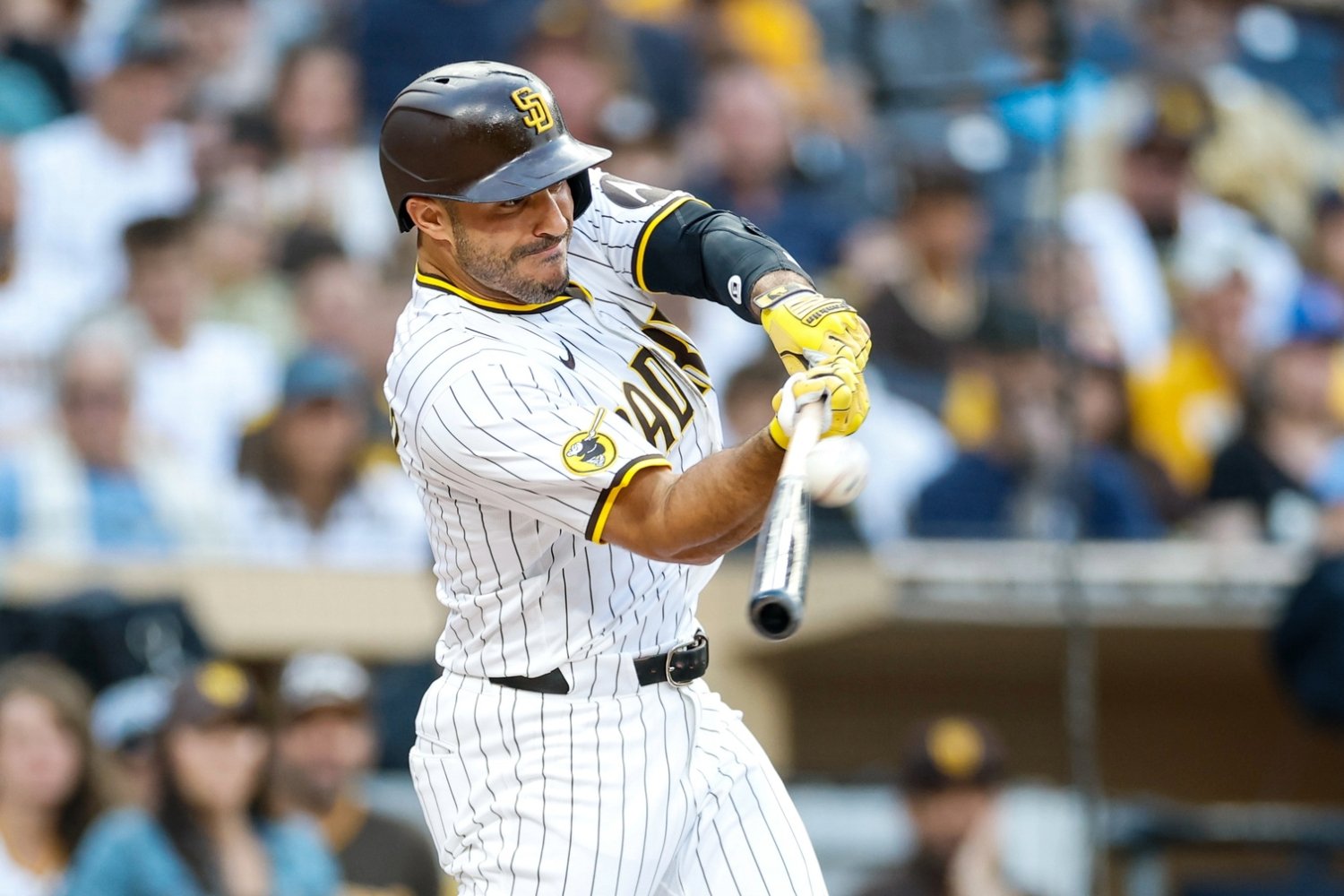 When the San Diego Padres traded six minor-league players at the deadline for Ryan O'Hearn and Ramón Laureano, they did so with the 2025 season in mind. They were part of a seven-player haul in total, as the team tried to overhaul their offense first and pitching staff second. Of course, that didn't yield tremendous results, as the lineup went ice cold against the Chicago Cubs in the NL Wild Card Round, and now O'Hearn has joined the Pittsburgh Pirates on a two-year deal in free agency. Laureano, meanwhile, is sticking around for at least one more campaign after the Friars exercised their $6.5 million club option on the left fielder. Between San Diego and Baltimore at age 30 last year, Laureano had arguably the best season of his career, hitting .281/.342/.512 along with 24 home runs and seven stolen bases. His overall offensive line translated to a .364 wOBA and 138 wRC+. In 198 plate appearances for San Diego, he hit .269/.323/.489 with nine home runs and three stolen bases, with a 6.6 percent walk rate and 23.7 percent strikeout rate.; that translated to a .347 wOBA and 127 wRC+. He's never been a particularly great defensive outfielder, though his arm strength routinely ranks among the best in the league (85th percentile last year). He accrued 7 Defensive Runs Saved last season, though that comes with the caveat of -9 Outs Above Average also being attached to his work with the glove. In all, it's a quality corner outfielder profile, particularly with Jackson Merrill and Fernando Tatis Jr. locking down the rest of the grass at Petco Park. Here's the thing, though: Laureano re-broke out at 30 years old. Since 2019, he had never been more than 12% better than league average at the plate; he was 38% better in 2025. He slashed his strikeout rate to a career-low figure while maintaining his career average in generating free passes. And he did all of it without a noticeable jump in bat speed. Is this really sustainable? The most immediate improvement he made year-over-year was attacking breaking balls, especially out in front. From his debut through the end of the 2024 season, Laureano had never posted a wOBA above .300 against those offerings, despite seeing them roughly one-third of the time. Last year, though, he clobbered them to the tune of a .410 wOBA and .624 slugging percentage. It was his most productive season against any pitch type since he was smashing fastballs in his prime six years ago. He also had his best season since his rookie debut against off-speed pitches (.326 wOBA). He whiffed against both pitch types far less, making the clear and educated adjustment to prioritize anticipating non-fastballs at the plate. That did lead to an offensive downturn against heaters (.346 wOBA), but that's still above-average production. If nothing else, Laureano became a far more well-rounded hitter in 2025 who was among the best players in the sport at pulling the ball in the air, another testament to the changes he made in trying to attack slower stuff farther out in front of the plate. That's a replicable skill, even as Laureano gets deeper into this thirties. He's never been overly reliant on excellent bat speed to crush fastball, instead dictating his plate approach around them. Now, he's made the necessary adjustment to handle other pitch types with aplomb, insulating himself from the adverse effects of aging (like struggling to catch up to fastballs). That overhaul also allowed him to dramatically improve in terms of out-of-zone swing rate (dropped by 4.6% year over year) and hard-hit rate (8.3% jump). He wasn't the prize of the Padres' trade deadline haul — he arguably even wasn't the biggest name that returned to San Diego in his own trade. And yet, with the Friars focusing so many of their limited resources on pitching staff upgrades this offseason, Laureano has become one of the key figures in an offense that routinely failed to live up to expectations in 2025. Perhaps a full year of his presence will be just what the doctor ordered.
 -
The San Diego Padres did well to bring Michael King back to the fold on a three-year deal with escalating salaries every time he opts in, but their rotation picture is far from settled. Incumbent ace Nick Pivetta will surely enjoy having a right-hand(ed) man with which to work in 2026, but unless 33-year-old Joe Musgrove can return from his 18-month layoff with practically no rust or dampened impact, the rotation lacks any semblance of upside outside of its top two. That's what makes the Edward Cabrera trade all the more frustrating from the Padres' perspective. The Chicago Cubs surrendered top-50 prospect Owen Caissie, once-revered international bonus baby Cristian Hernandez, and 18-year-old dart throw Edgardo De Leon in order to pick up the Miami Marlins' 27-year-old starter, an electric arm with immense potential. That package is nothing to scoff at — and Cabrera comes with some noticeable red flags — but that's an offer that anyone, including the Friars, could have beaten. The notable thing in that package is that the Marlins clearly valued offensive prospects at all levels of the food chain. That means that the Padres could have held onto top pitching prospects Miguel Mendez and Kash Mayfield while still bringing in a young, controllable starter for the major-league rotation. Caissie is the big name the Cubs sent, and as a major-league ready hitter with middle-of-the-order upside, he represents the one piece the Padres don't have a suitable replacement for. Perhaps that alone took them out of the running for Cabrera, but there's still enough talent in the system to make up for that gap. Some of the shine has come off Ethan Salas (Padres Mission's No. 2 prospect) after he managed to play just 10 games in an injury-marred campaign, but he's a 19-year-old catcher who has already reached Double-A. His offensive upside remains a bit of a question mark, but his defensive upside behind the plate is astronomical, and bats always tend to come around for backstops later on in the development process. As a centerpiece for Cabrera, he may not scratch the Marlins' big-league-ready-bat itch, but there'd still be a few ways to get across the finish line. Perhaps Jake Cronenworth, coming off a season in which he posted a 117 wRC+, would appeal to Miami as a versatile infielder, though the Friars likely would have had to eat a significant portion of the 32-year-old's remaining contract. Tirso Ornelas is a bit of a post-hype sleeper (perhaps making him a perfect analogue for Hernandez in the actual deal that went through), but he's a power-hitting outfielder with years of control remaining. Luis Campusano fits the same definition as a catcher with a likely future home at first base or as a designated hitter. Plus, the Padres have a ton of young players at the lowest levels of the minor leagues (Kale Fountain, Jorge Quintana, etc.) who could have been perfect stand-ins for De Leon. Would you fork over some combination of those players for a 27-year-old with three years of team control remaining via arbitration who generates a ton of ground balls and strikes out more than a quarter of the hitters he faces? Given the Padres' budget constraints and lack of youthful pitchers, I'm not really sure how you'd answer no to that question. Cabrera does come with serious caveats — he's dealt with numerous injuries and has only completed 100 innings once in his career. But his upside only appears on the trade market once in a blue moon; if the Padres were ever going to pick up an affordable starter with frontline stuff, this was probably their best chance. It's understandable that A.J. Preller didn't want to give up the final quality pieces in a farm system that's been ransacked for win-now moves over the last few years. For all we know, Cabrera's injury history was too much of a red flag for San Diego to look past, and they never seriously entertained the thought of making a legitimate offer. But, when a team promises to leave no stone unturned in an offseason defined by monetary and prospect constraints, it's frustrating to see someone else take a measured swing with home run upside. View full article
-
Why Didn't the Padres Pay the Marlins' Price for Edward Cabrera?
Brandon Glick posted an article in Padres
 The San Diego Padres did well to bring Michael King back to the fold on a three-year deal with escalating salaries every time he opts in, but their rotation picture is far from settled. Incumbent ace Nick Pivetta will surely enjoy having a right-hand(ed) man with which to work in 2026, but unless 33-year-old Joe Musgrove can return from his 18-month layoff with practically no rust or dampened impact, the rotation lacks any semblance of upside outside of its top two. That's what makes the Edward Cabrera trade all the more frustrating from the Padres' perspective. The Chicago Cubs surrendered top-50 prospect Owen Caissie, once-revered international bonus baby Cristian Hernandez, and 18-year-old dart throw Edgardo De Leon in order to pick up the Miami Marlins' 27-year-old starter, an electric arm with immense potential. That package is nothing to scoff at — and Cabrera comes with some noticeable red flags — but that's an offer that anyone, including the Friars, could have beaten. The notable thing in that package is that the Marlins clearly valued offensive prospects at all levels of the food chain. That means that the Padres could have held onto top pitching prospects Miguel Mendez and Kash Mayfield while still bringing in a young, controllable starter for the major-league rotation. Caissie is the big name the Cubs sent, and as a major-league ready hitter with middle-of-the-order upside, he represents the one piece the Padres don't have a suitable replacement for. Perhaps that alone took them out of the running for Cabrera, but there's still enough talent in the system to make up for that gap. Some of the shine has come off Ethan Salas (Padres Mission's No. 2 prospect) after he managed to play just 10 games in an injury-marred campaign, but he's a 19-year-old catcher who has already reached Double-A. His offensive upside remains a bit of a question mark, but his defensive upside behind the plate is astronomical, and bats always tend to come around for backstops later on in the development process. As a centerpiece for Cabrera, he may not scratch the Marlins' big-league-ready-bat itch, but there'd still be a few ways to get across the finish line. Perhaps Jake Cronenworth, coming off a season in which he posted a 117 wRC+, would appeal to Miami as a versatile infielder, though the Friars likely would have had to eat a significant portion of the 32-year-old's remaining contract. Tirso Ornelas is a bit of a post-hype sleeper (perhaps making him a perfect analogue for Hernandez in the actual deal that went through), but he's a power-hitting outfielder with years of control remaining. Luis Campusano fits the same definition as a catcher with a likely future home at first base or as a designated hitter. Plus, the Padres have a ton of young players at the lowest levels of the minor leagues (Kale Fountain, Jorge Quintana, etc.) who could have been perfect stand-ins for De Leon. Would you fork over some combination of those players for a 27-year-old with three years of team control remaining via arbitration who generates a ton of ground balls and strikes out more than a quarter of the hitters he faces? Given the Padres' budget constraints and lack of youthful pitchers, I'm not really sure how you'd answer no to that question. Cabrera does come with serious caveats — he's dealt with numerous injuries and has only completed 100 innings once in his career. But his upside only appears on the trade market once in a blue moon; if the Padres were ever going to pick up an affordable starter with frontline stuff, this was probably their best chance. It's understandable that A.J. Preller didn't want to give up the final quality pieces in a farm system that's been ransacked for win-now moves over the last few years. For all we know, Cabrera's injury history was too much of a red flag for San Diego to look past, and they never seriously entertained the thought of making a legitimate offer. But, when a team promises to leave no stone unturned in an offseason defined by monetary and prospect constraints, it's frustrating to see someone else take a measured swing with home run upside.
 -
The San Diego Padres reunited with ace Michael King, removing some burden off the shoulders of various other starting pitchers in the rotation. View full video
-
The San Diego Padres reunited with ace Michael King, removing some burden off the shoulders of various other starting pitchers in the rotation.
-
The San Diego Padres added KBO star Sung Mun Song and a former Minnesota Twins top prospect, Jose Miranda, in free agency. Which player has a better chance of breaking out for the team in 2026? View full video
-
The San Diego Padres added KBO star Sung Mun Song and a former Minnesota Twins top prospect, Jose Miranda, in free agency. Which player has a better chance of breaking out for the team in 2026?
