


Dan Rosaia
-
Posts
20 -
Joined
-
Last visited
Dan Rosaia's Achievements



-
The 2026 Major League Baseball season is just a few weeks away. Here are five bold predictions that could define the San Diego Padres in 2026. Jackson Merrill emerges as team captain Watch for a leadership change in the clubhouse from Manny Machado to Jackson Merrill. Machado has been the effective leader of the Padres ever since he joined the team before the 2019 season. Since then, we have seen how Machado-led teams have played out. That is no indictment on Machado — he is a great player, but we've also seen him spare a lot more heart and soul in the World Baseball Classic. Merrill has shown multiple times that he has the ability to be effective in a leadership role. He was the only member of the team who publicly said there was more work to do after the team clinched a postseason spot in 2025. He showed the same leadership quality when he put some life into the offense after going yard to lead off the top of the ninth inning when the Padres were down to their final breath against the Chicago Cubs in the winner-take-all Game 3 of the Wild Card Series. An evolution off the field for the center fielder would be just as important as any step forward on it. Manny Machado has one last MVP-level season Speaking of Machado, the veteran third baseman was about as productive at the plate in 2025 as he had been in 2023 and 2024. He was good in all three seasons, posting well-above-average metrics in OPS and OPS+. Machado will turn 34 years old this season, and while he is still a very good player, his name seems to have lost some of the luster it had around the baseball world a few years back. Keep an eye on Machado to have a “remember who I am” season, posting similar numbers to his 2022 campaign, when he finished second in the National League Most Valuable Player race. He may not win it this time, because a third straight Shohei Ohtani MVP award feels almost inevitable at this point, but don’t be surprised if he hits 30+ home runs, has a batting average of .300 or above, and posts an OPS in the low-to-mid-900s. Ethan Salas gets traded in another AJ Preller “win now” deal When Leo De Vries got traded to the Athletics, it really showed the baseball world how much AJ Preller and the Padres front office want to win during Machado’s prime and the lengths they are willing to go to do it. De Vries was believed to be an almost-untouchable prospect in the Padres farm system, and Preller packaged him in a deal for Mason Miller at the 2025 trade deadline. Ethan Salas doesn't have the same pedigree after a lost 2025 campaign, which makes moving him for a proven piece anything but far-fetched. Don’t be surprised if Salas gets shipped away in a deal to address an urgent need in a similar fashion to De Vries. What kind of deal he would be included in would be determined by the needs of the team. If there is an urgent need for a starting pitcher, Preller could include Salas in a deal to acquire someone like Joe Ryan of the Twins or perhaps even Tarik Skubal of the Tigers, if either AL Central team finds itself in a position to sell in July. If there is a need for a bat, a move to acquire Bryce Harper from the Philadelphia Phillies could be possible if the Phillies have a bad first half. It was not too long ago that Phillies GM Dave Dombrowski appeared to be subtly taking shots at Harper, alluding to him not being quite the elite player in 2025 that he had been before. Harper has a history of being known as a big-ego guy and might still feel disrespected by what Dombrowski said, so he could find himself wanting out if the aging Phillies show major regression in the first half of 2026. Mason Miller steps into the closer role and leads all of baseball in saves The Padres' closer role became open when Robert Suarez left to join the Atlanta Braves in free agency. Look for Mason Miller to take over the role and dominate. He was very good in 2025, as he posted a 2.63 ERA over 61 2/3 innings. Miller was even better after being traded from the Athletics to the Padres; in 22 games with the Friars, he posted a 0.77 ERA over 23 1/3 innings. He only recorded two saves as a Padre because Suarez got the bulk of the save opportunities after the trade. In a full season working with pitching coach Ruben Niebla, don’t be shocked if Miller puts up around 45 saves and pitches to an ERA somewhere between 2.00 and 2.50. A season of that magnitude from Miller would almost certainly make him a consensus top-three closer in the sport, if he's not there already. Craig Stammen uses his reliever experience to manage bullpen arms better than Mike Shildt One of the biggest criticisms Mike Shildt faced in 2025 was his decision-making regarding when he pulled starters and which relievers he brought in after pulling them. He said publicly that he used the bullpen aggressively in an attempt to win as many games as possible, although many fans speculated that it did a number on the durability of the pitchers’ arms. Craig Stammen, the new manager of the Padres, was a relief pitcher for more than a decade, so he should know first hand how to avoid overworking bullpen arms. View full article
-
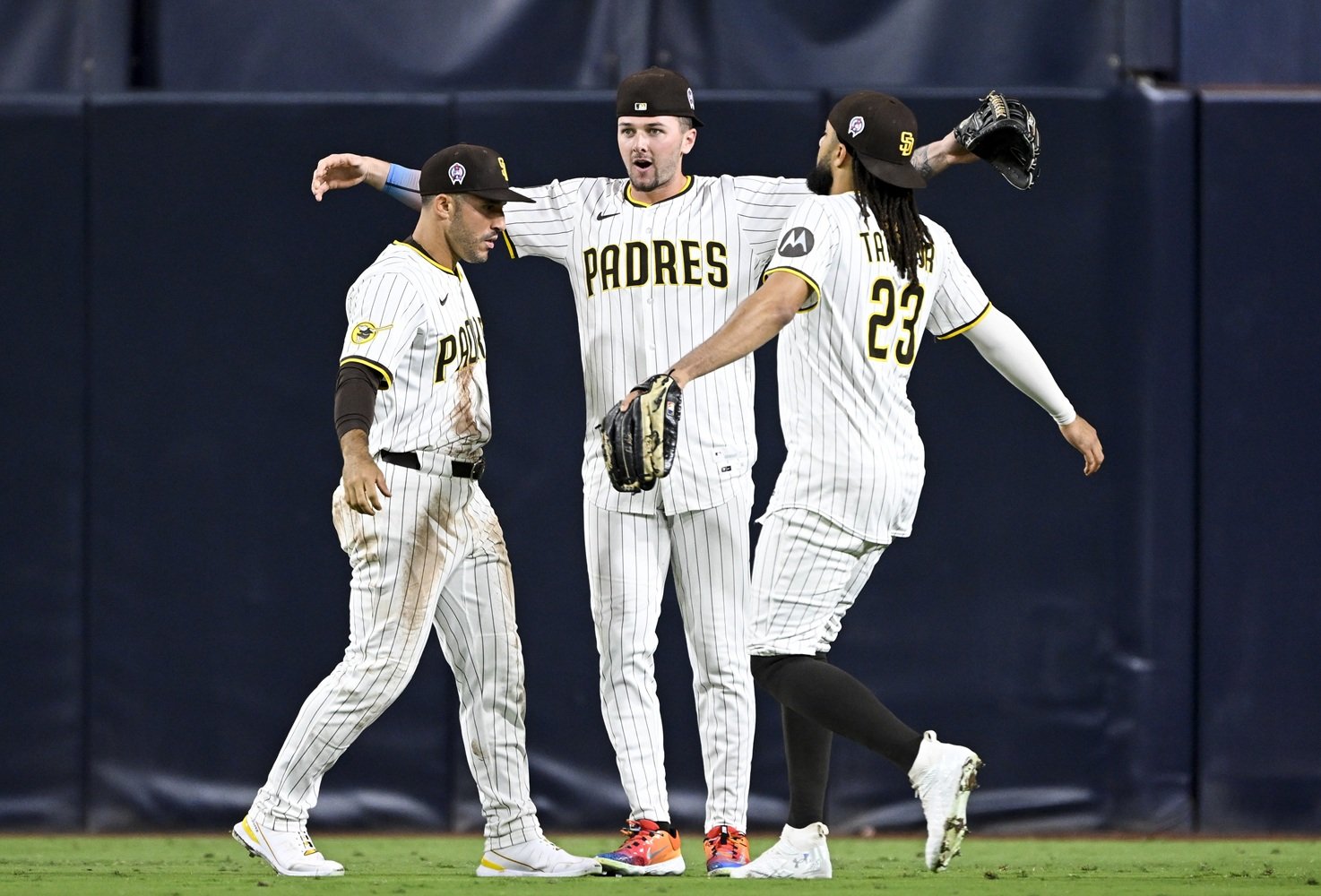 The 2026 Major League Baseball season is just a few weeks away. Here are five bold predictions that could define the San Diego Padres in 2026. Jackson Merrill emerges as team captain Watch for a leadership change in the clubhouse from Manny Machado to Jackson Merrill. Machado has been the effective leader of the Padres ever since he joined the team before the 2019 season. Since then, we have seen how Machado-led teams have played out. That is no indictment on Machado — he is a great player, but we've also seen him spare a lot more heart and soul in the World Baseball Classic. Merrill has shown multiple times that he has the ability to be effective in a leadership role. He was the only member of the team who publicly said there was more work to do after the team clinched a postseason spot in 2025. He showed the same leadership quality when he put some life into the offense after going yard to lead off the top of the ninth inning when the Padres were down to their final breath against the Chicago Cubs in the winner-take-all Game 3 of the Wild Card Series. An evolution off the field for the center fielder would be just as important as any step forward on it. Manny Machado has one last MVP-level season Speaking of Machado, the veteran third baseman was about as productive at the plate in 2025 as he had been in 2023 and 2024. He was good in all three seasons, posting well-above-average metrics in OPS and OPS+. Machado will turn 34 years old this season, and while he is still a very good player, his name seems to have lost some of the luster it had around the baseball world a few years back. Keep an eye on Machado to have a “remember who I am” season, posting similar numbers to his 2022 campaign, when he finished second in the National League Most Valuable Player race. He may not win it this time, because a third straight Shohei Ohtani MVP award feels almost inevitable at this point, but don’t be surprised if he hits 30+ home runs, has a batting average of .300 or above, and posts an OPS in the low-to-mid-900s. Ethan Salas gets traded in another AJ Preller “win now” deal When Leo De Vries got traded to the Athletics, it really showed the baseball world how much AJ Preller and the Padres front office want to win during Machado’s prime and the lengths they are willing to go to do it. De Vries was believed to be an almost-untouchable prospect in the Padres farm system, and Preller packaged him in a deal for Mason Miller at the 2025 trade deadline. Ethan Salas doesn't have the same pedigree after a lost 2025 campaign, which makes moving him for a proven piece anything but far-fetched. Don’t be surprised if Salas gets shipped away in a deal to address an urgent need in a similar fashion to De Vries. What kind of deal he would be included in would be determined by the needs of the team. If there is an urgent need for a starting pitcher, Preller could include Salas in a deal to acquire someone like Joe Ryan of the Twins or perhaps even Tarik Skubal of the Tigers, if either AL Central team finds itself in a position to sell in July. If there is a need for a bat, a move to acquire Bryce Harper from the Philadelphia Phillies could be possible if the Phillies have a bad first half. It was not too long ago that Phillies GM Dave Dombrowski appeared to be subtly taking shots at Harper, alluding to him not being quite the elite player in 2025 that he had been before. Harper has a history of being known as a big-ego guy and might still feel disrespected by what Dombrowski said, so he could find himself wanting out if the aging Phillies show major regression in the first half of 2026. Mason Miller steps into the closer role and leads all of baseball in saves The Padres' closer role became open when Robert Suarez left to join the Atlanta Braves in free agency. Look for Mason Miller to take over the role and dominate. He was very good in 2025, as he posted a 2.63 ERA over 61 2/3 innings. Miller was even better after being traded from the Athletics to the Padres; in 22 games with the Friars, he posted a 0.77 ERA over 23 1/3 innings. He only recorded two saves as a Padre because Suarez got the bulk of the save opportunities after the trade. In a full season working with pitching coach Ruben Niebla, don’t be shocked if Miller puts up around 45 saves and pitches to an ERA somewhere between 2.00 and 2.50. A season of that magnitude from Miller would almost certainly make him a consensus top-three closer in the sport, if he's not there already. Craig Stammen uses his reliever experience to manage bullpen arms better than Mike Shildt One of the biggest criticisms Mike Shildt faced in 2025 was his decision-making regarding when he pulled starters and which relievers he brought in after pulling them. He said publicly that he used the bullpen aggressively in an attempt to win as many games as possible, although many fans speculated that it did a number on the durability of the pitchers’ arms. Craig Stammen, the new manager of the Padres, was a relief pitcher for more than a decade, so he should know first hand how to avoid overworking bullpen arms.
 -
After looking lifeless and losing elimination games in back-to-back seasons, is it time to question Manny Machado’s ability to be the leader of a World Series-contending team? In the third and final game of the Wild Card series against the Chicago Cubs, the San Diego Padres came out completely flat and could not do anything on offense until the ninth inning. The offense looked so lifeless that they never put together more than two hits in an inning. The team’s two biggest-name players, Machado and Fernando Tatis Jr., faded away in the most crucial game of the season, both going hitless in seven at-bats between the two. The end of the Padres' 2025 season was eerily similar to that of their 2024 season, when they laid an egg in the last game of the Divisional Series with the Los Angeles Dodgers. Machado and Tatis Jr. went hitless in a combined six at-bats. Both games saw the Padres not being able to figure anything out on offense, and manager Mike Shildt not trying to change that by making lineup adjustments during the game. After seeing the team stall out when it mattered most in the past two postseasons, it makes sense to question if the team really hates losing more than they love winning. One of the key factors suggesting that may be the case is Machado’s postgame interview after the season-ending loss. He didn’t seem to have any anger or frustration, and he even smiled and laughed at the reporter asking him questions. He did not seem even to be disappointed by losing, let alone angry about it. He again showed similar nonchalant behavior when the Padres clinched a spot in the postseason. While the team was partying and celebrating their accomplishment, Machado seemed to be on a whole different level compared to his teammates. Seeming to be relatively content with just making the postseason is not good enough at this point. Leaders should be able to celebrate a feat like a postseason berth, but also stay grounded and acknowledge the fact that the job is not finished. After their teams won their respective divisions, Bryce Harper of the Philadelphia Phillies and Cal Raleigh of the Seattle Mariners both gave the message that there was more work to be done for their teams going into the postseason. A similar message came from Jackson Merrill when the Padres clinched a postseason berth: “We’re in the dance, it's time to dance,” he said. It was Merrill who was finally able to light a spark for the team and get something going in the ninth inning of the crucial elimination game. After he hit a leadoff home run to right-center field to cut the deficit to two, the Padres' offense managed to get the go-ahead run to the plate with runners on second and third. Granted, both of the baserunners reached on a hit by pitch, but if Merrill doesn’t leave the yard, who knows if they ever end up in a situation nearly that good? Merrill fits the mold for team captain better than Tatis Jr. because he doesn’t pursue the spotlight. Tatis Jr. knows how good he is, and he plays with an attitude because he knows how good he is. He can sometimes get caught up in his own image and buy into his image, like when he started dancing to fans heckling him about his substance scandal back in 2022. Merrill may not be the best player on the team as Machado and Tatis Jr. may be more productive, but the leader does not necessarily have to be the best on a team to be a leader. View full article
-
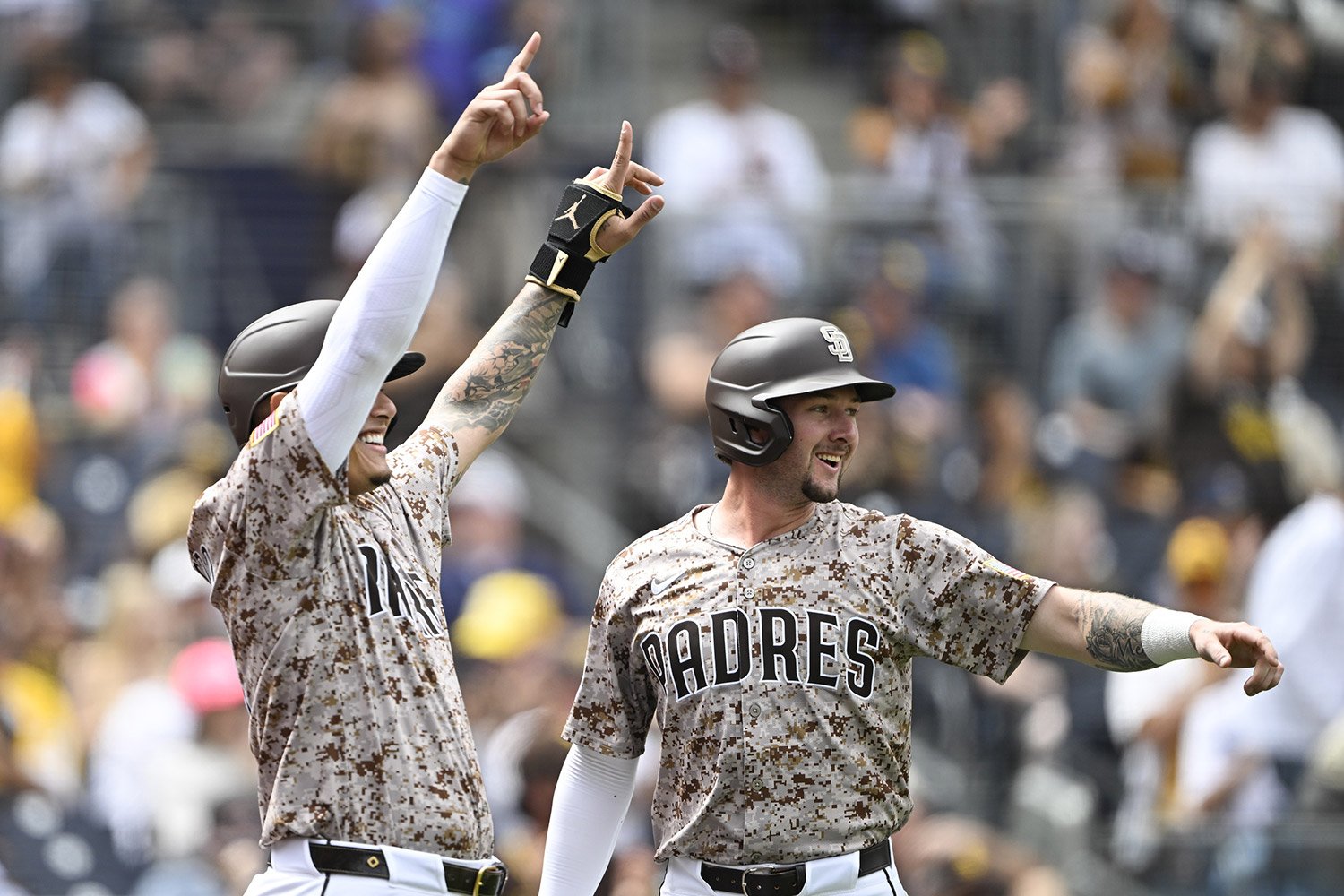 After looking lifeless and losing elimination games in back-to-back seasons, is it time to question Manny Machado’s ability to be the leader of a World Series-contending team? In the third and final game of the Wild Card series against the Chicago Cubs, the San Diego Padres came out completely flat and could not do anything on offense until the ninth inning. The offense looked so lifeless that they never put together more than two hits in an inning. The team’s two biggest-name players, Machado and Fernando Tatis Jr., faded away in the most crucial game of the season, both going hitless in seven at-bats between the two. The end of the Padres' 2025 season was eerily similar to that of their 2024 season, when they laid an egg in the last game of the Divisional Series with the Los Angeles Dodgers. Machado and Tatis Jr. went hitless in a combined six at-bats. Both games saw the Padres not being able to figure anything out on offense, and manager Mike Shildt not trying to change that by making lineup adjustments during the game. After seeing the team stall out when it mattered most in the past two postseasons, it makes sense to question if the team really hates losing more than they love winning. One of the key factors suggesting that may be the case is Machado’s postgame interview after the season-ending loss. He didn’t seem to have any anger or frustration, and he even smiled and laughed at the reporter asking him questions. He did not seem even to be disappointed by losing, let alone angry about it. He again showed similar nonchalant behavior when the Padres clinched a spot in the postseason. While the team was partying and celebrating their accomplishment, Machado seemed to be on a whole different level compared to his teammates. Seeming to be relatively content with just making the postseason is not good enough at this point. Leaders should be able to celebrate a feat like a postseason berth, but also stay grounded and acknowledge the fact that the job is not finished. After their teams won their respective divisions, Bryce Harper of the Philadelphia Phillies and Cal Raleigh of the Seattle Mariners both gave the message that there was more work to be done for their teams going into the postseason. A similar message came from Jackson Merrill when the Padres clinched a postseason berth: “We’re in the dance, it's time to dance,” he said. It was Merrill who was finally able to light a spark for the team and get something going in the ninth inning of the crucial elimination game. After he hit a leadoff home run to right-center field to cut the deficit to two, the Padres' offense managed to get the go-ahead run to the plate with runners on second and third. Granted, both of the baserunners reached on a hit by pitch, but if Merrill doesn’t leave the yard, who knows if they ever end up in a situation nearly that good? Merrill fits the mold for team captain better than Tatis Jr. because he doesn’t pursue the spotlight. Tatis Jr. knows how good he is, and he plays with an attitude because he knows how good he is. He can sometimes get caught up in his own image and buy into his image, like when he started dancing to fans heckling him about his substance scandal back in 2022. Merrill may not be the best player on the team as Machado and Tatis Jr. may be more productive, but the leader does not necessarily have to be the best on a team to be a leader.
 -
Having played through the end of August, the San Diego Padres have had a relatively successful season so far. They currently hold a record of 76 wins and 62 losses, which places them in second place in the division. After the last game of August, the team trails the Los Angeles Dodgers by only 2.5 games. The season series between the two teams is over, and the Dodgers won, giving them the tiebreaker should there be a tie for first at the end of the season. Their position in the division is pretty comfortable, with the third-place Giants being eight games behind them. The early-season scare of having to compete with San Francisco and the Dodgers for the division has completely dissipated, and the Padres have significantly distanced themselves from the Giants in the division standings. Although their position is pretty comfortable, they are far from locked in at second place and have a real shot at the division crown. September has eight series in store for the Padres, five at home and three on the road. They will face the Baltimore Orioles, Cincinnati Reds, Colorado Rockies, Milwaukee Brewers, and Arizona Diamondbacks at the confines of Petco Park. The three remaining road series are with the Colorado Rockies, New York Mets, and Chicago White Sox. The bats have been very alive for the regular everyday starters. All of the regular position players, other than Elias Diaz, have an OPS higher than .700. The statistical offensive leaders for this season have been Manny Machado and Fernando Tatis Jr. Both Machado and Tatis Jr. lead the team in both OPS and OPS+. Machado has posted a .814 OPS and a 122 OPS+, while Tatis Jr. has played to a .800 OPS and a 120 OPS+. Machado and Tatis Jr. are both in the top three or better in WAR, batting average, runs, hits, home runs, runs batted in, and stolen bases. It is worth mentioning that Ramon Laureano and Ryan O’Hearn have also been productive. Still, I am not counting them among the top performers because they have not played many games in a Padres jersey since being acquired from the Orioles. There has been a pretty noticeable regression from one Padres player who was expected to make another big step in his game this season. That regression has come from Jackson Merrill. The numbers have dropped across the board for Merrill, most notably OPS and OPS+. His OPS has dropped nearly 100 points, and his OPS+ has dropped 26 points to a league-average 100. Granted, he has missed significant time this season, but the regression does not look good after the Padres gave him a long-term extension. As a collective unit, the Padres’ offense has been far from the best in baseball. They have performed below average in several key offensive categories, including runs, home runs, runs batted in, and stolen bases. The story is the same for calculated metrics as well, with the team logging below league-average marks in OPS and OPS+. This, paired with the regular everyday starters putting up solid numbers, could indicate that the team is top-heavy in terms of offensive production. In terms of pitching, Nick Pivetta has been far and away the best starter so far. Over 158.1 innings, Pivetta has amounted to 4.8 WAR, which leads all pitchers. In 27 starts, he has pitched to a 2.84 ERA, while only giving up 50 earned runs on 107 hits. He has fanned 167 batters and handed out just 42 walks, giving him a strikeout to walk ratio of 3.98. Michael King would likely be in the running for best pitcher of the season so far, but limited innings of work have reduced his value. In 57.2 innings this season, King has thrown to a 2.81 ERA and a 1.4 WAR. Had he been able to stay on the mound this season, it is not far-fetched to imagine that he would put up a fight with Pivetta for the title of most productive pitcher of the 2025 season so far. The pitching staff as a whole has been one of the best in the sport. The Padres’ arms have performed well enough to make them a top-six unit in earned runs, home runs, and WHIP. Padres pitchers have given up just 1002 hits, the least amount by any team’s pitching staff. As it stands after the last game of August, the Padres hold the second National League Wild Card spot. They have a three-game lead on the Mets, who hold the third spot. The Cincinnati Reds are the first team on the outside looking in, and they would need to make up seven games on the Padres if they want to jump them for the final spot. View full article
-
Checking In With The Padres As We Enter The Final Month Of The 2025 Season
Dan Rosaia posted an article in Padres
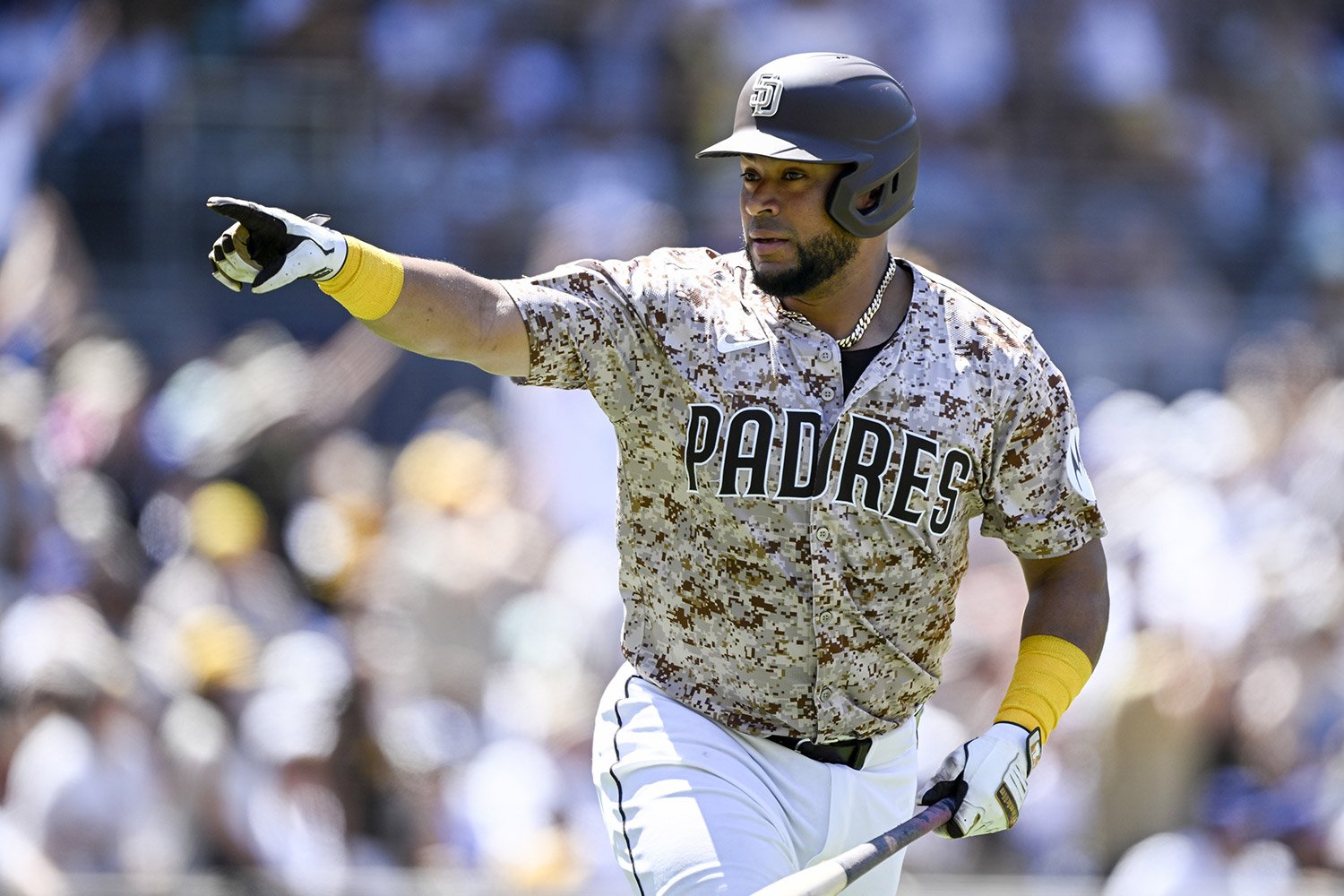 Having played through the end of August, the San Diego Padres have had a relatively successful season so far. They currently hold a record of 76 wins and 62 losses, which places them in second place in the division. After the last game of August, the team trails the Los Angeles Dodgers by only 2.5 games. The season series between the two teams is over, and the Dodgers won, giving them the tiebreaker should there be a tie for first at the end of the season. Their position in the division is pretty comfortable, with the third-place Giants being eight games behind them. The early-season scare of having to compete with San Francisco and the Dodgers for the division has completely dissipated, and the Padres have significantly distanced themselves from the Giants in the division standings. Although their position is pretty comfortable, they are far from locked in at second place and have a real shot at the division crown. September has eight series in store for the Padres, five at home and three on the road. They will face the Baltimore Orioles, Cincinnati Reds, Colorado Rockies, Milwaukee Brewers, and Arizona Diamondbacks at the confines of Petco Park. The three remaining road series are with the Colorado Rockies, New York Mets, and Chicago White Sox. The bats have been very alive for the regular everyday starters. All of the regular position players, other than Elias Diaz, have an OPS higher than .700. The statistical offensive leaders for this season have been Manny Machado and Fernando Tatis Jr. Both Machado and Tatis Jr. lead the team in both OPS and OPS+. Machado has posted a .814 OPS and a 122 OPS+, while Tatis Jr. has played to a .800 OPS and a 120 OPS+. Machado and Tatis Jr. are both in the top three or better in WAR, batting average, runs, hits, home runs, runs batted in, and stolen bases. It is worth mentioning that Ramon Laureano and Ryan O’Hearn have also been productive. Still, I am not counting them among the top performers because they have not played many games in a Padres jersey since being acquired from the Orioles. There has been a pretty noticeable regression from one Padres player who was expected to make another big step in his game this season. That regression has come from Jackson Merrill. The numbers have dropped across the board for Merrill, most notably OPS and OPS+. His OPS has dropped nearly 100 points, and his OPS+ has dropped 26 points to a league-average 100. Granted, he has missed significant time this season, but the regression does not look good after the Padres gave him a long-term extension. As a collective unit, the Padres’ offense has been far from the best in baseball. They have performed below average in several key offensive categories, including runs, home runs, runs batted in, and stolen bases. The story is the same for calculated metrics as well, with the team logging below league-average marks in OPS and OPS+. This, paired with the regular everyday starters putting up solid numbers, could indicate that the team is top-heavy in terms of offensive production. In terms of pitching, Nick Pivetta has been far and away the best starter so far. Over 158.1 innings, Pivetta has amounted to 4.8 WAR, which leads all pitchers. In 27 starts, he has pitched to a 2.84 ERA, while only giving up 50 earned runs on 107 hits. He has fanned 167 batters and handed out just 42 walks, giving him a strikeout to walk ratio of 3.98. Michael King would likely be in the running for best pitcher of the season so far, but limited innings of work have reduced his value. In 57.2 innings this season, King has thrown to a 2.81 ERA and a 1.4 WAR. Had he been able to stay on the mound this season, it is not far-fetched to imagine that he would put up a fight with Pivetta for the title of most productive pitcher of the 2025 season so far. The pitching staff as a whole has been one of the best in the sport. The Padres’ arms have performed well enough to make them a top-six unit in earned runs, home runs, and WHIP. Padres pitchers have given up just 1002 hits, the least amount by any team’s pitching staff. As it stands after the last game of August, the Padres hold the second National League Wild Card spot. They have a three-game lead on the Mets, who hold the third spot. The Cincinnati Reds are the first team on the outside looking in, and they would need to make up seven games on the Padres if they want to jump them for the final spot.
 -
Three days into July, the San Diego Padres sat with a record of 46-40. At that time, being six games over .500 was good enough to net them second place in the National League West. At the same time, the Los Angeles Dodgers, who led the division, had played to a record of 56-32. The Dodgers, playing great for the first three months of the season, and the Padres, playing good but not great over the same period, gave the Dodgers a nine-game lead in the division on July 3. It was beginning to look like the Dodgers were running away with the West. The tables have since turned, and the Dodgers no longer look like a lock to claim the 2025 National League West crown. Since taking the nine-game lead in the division after beating the Chicago White Sox on July 3, the Dodgers have played to a record of just 11-17 over 28 games. The Padres have played 30 games, winning 18 of them and losing only 12 over the same period. As a result, the Padres have gained significant ground in the division, and the Dodgers have seen their once commanding division lead nose dive from nine games on July 3 to just three games on August 9. The Dodgers won just 39 percent of their games over the stretch, while the Padres simultaneously won 60 percent of their games. The stretch from both teams has reopened the door for the Padres to make a run at the division. With roughly a month and a half left on the season, both the Padres and the Dodgers have 46 games left. The Padres have 12 teams left to play, and the Dodgers have a series against 11 teams remaining. The Padres still have games against the Boston Red Sox, San Francisco Giants, Los Angeles Dodgers, Minnesota Twins, Baltimore Orioles, Colorado Rockies, Cincinnati Reds, New York Mets, Chicago White Sox, Milwaukee Brewers, and Arizona Diamondbacks. The Dodgers' remaining schedule consists of games against the Toronto Blue Jays, Los Angeles Angels, San Diego Padres, Colorado Rockies, Cincinnati Reds, Arizona Diamondbacks, Pittsburgh Pirates, Baltimore Orioles, San Francisco Giants, Philadelphia Phillies, and Seattle Mariners. Neither team has the advantage of an easier schedule, as the remaining opponents for both teams have an average winning percentage of 49 percent. While neither team has a schedule that is necessarily easier than the other, the Dodgers have an advantage in that they only play one team with a higher winning percentage. In comparison, the Padres have a lower winning percentage than three of their remaining opponents. The Dodgers have a lower winning percentage than the Blue Jays, and the Padres have a lower winning percentage than the Red Sox, Dodgers, and Brewers. Because both the Padres and Dodgers have schedules of roughly the same difficulty, the matchups between the two teams will be critical for both teams. The two teams play each other six more times this season, with all six games coming within ten days, later this month. The two have faced off seven times so far in 2025, and the Dodgers have dominated the matchup so far. They have beaten the Padres in five of the seven games they have played. Although the matchup looks fairly lopsided from the results, the games the two teams have played have been relatively close. The Dodgers never beat the Padres by more than three runs, and the Padres have actually outscored them by two runs. Putting aside the six games remaining between the Padres and Dodgers, if each team played well enough to maintain their current winning percentage, the Dodgers would end up with 90 wins and the Padres would finish with 86 wins. Adding in those six remaining matchups, the Padres would have to take five of the six games from the Dodgers to take the division crown. The Padres would have to win five of the six games because the tiebreaker game 163 went away after the 2021 season, and they have already dug themselves into a sizable hole, being down two games to five in the head-to-head matchup with the Dodgers. If this hypothetical situation were to happen, the Padres would finish tied with the Dodgers at 91 wins each, but the Padres would win the division due to winning the season series seven games to six. The Padres have a lot of work to do for them to make up the remaining ground in the division and dethrone the Dodgers as reigning, defending, back-to-back-to-back NL West champions. While the track record for this year’s Padres has not been ideal when going against this year’s Dodgers so far, the two teams have not met since the Padres made some pretty significant moves at the trade deadline, so it is impossible to say what their past matchups are relevant today. View full article
-
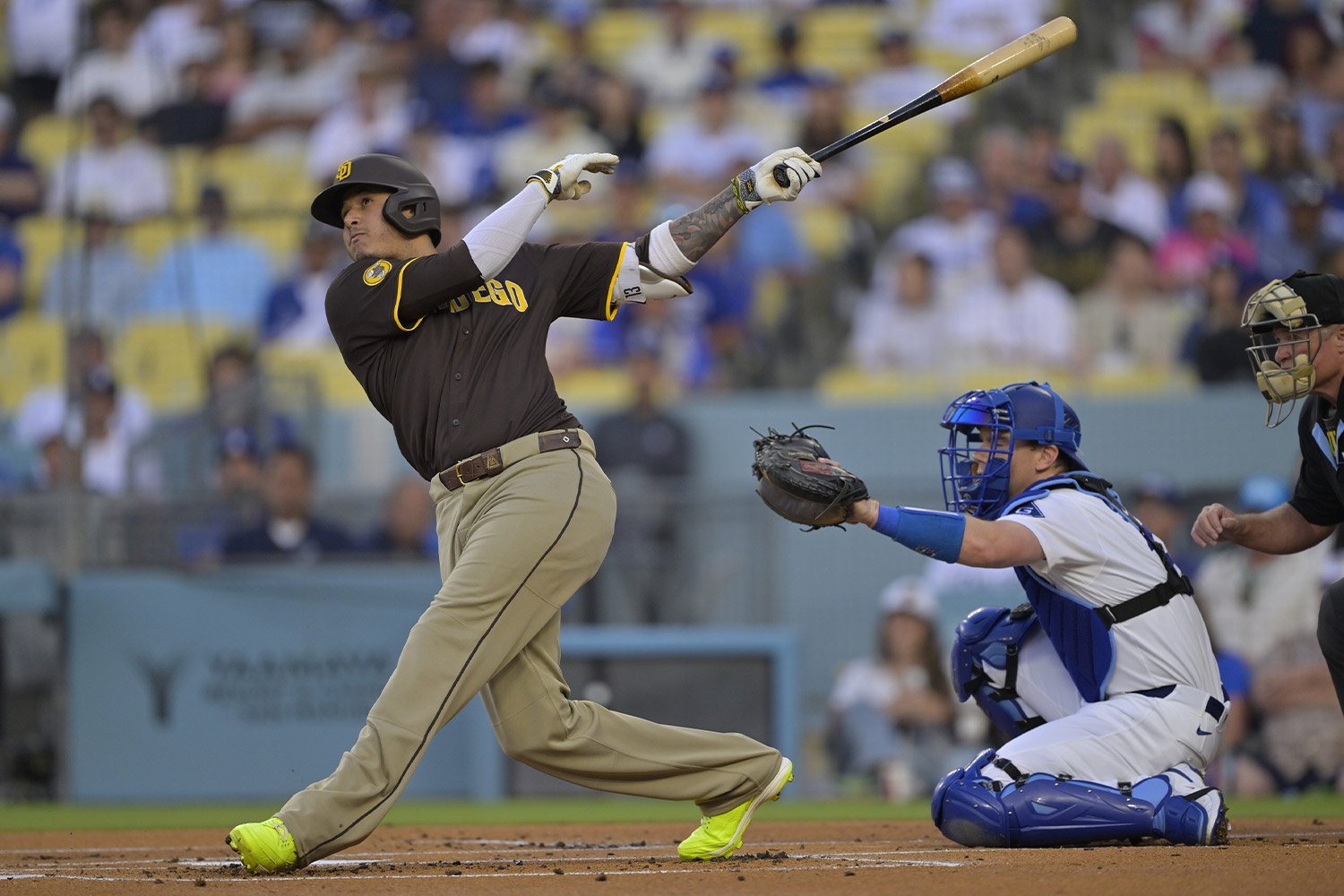 Three days into July, the San Diego Padres sat with a record of 46-40. At that time, being six games over .500 was good enough to net them second place in the National League West. At the same time, the Los Angeles Dodgers, who led the division, had played to a record of 56-32. The Dodgers, playing great for the first three months of the season, and the Padres, playing good but not great over the same period, gave the Dodgers a nine-game lead in the division on July 3. It was beginning to look like the Dodgers were running away with the West. The tables have since turned, and the Dodgers no longer look like a lock to claim the 2025 National League West crown. Since taking the nine-game lead in the division after beating the Chicago White Sox on July 3, the Dodgers have played to a record of just 11-17 over 28 games. The Padres have played 30 games, winning 18 of them and losing only 12 over the same period. As a result, the Padres have gained significant ground in the division, and the Dodgers have seen their once commanding division lead nose dive from nine games on July 3 to just three games on August 9. The Dodgers won just 39 percent of their games over the stretch, while the Padres simultaneously won 60 percent of their games. The stretch from both teams has reopened the door for the Padres to make a run at the division. With roughly a month and a half left on the season, both the Padres and the Dodgers have 46 games left. The Padres have 12 teams left to play, and the Dodgers have a series against 11 teams remaining. The Padres still have games against the Boston Red Sox, San Francisco Giants, Los Angeles Dodgers, Minnesota Twins, Baltimore Orioles, Colorado Rockies, Cincinnati Reds, New York Mets, Chicago White Sox, Milwaukee Brewers, and Arizona Diamondbacks. The Dodgers' remaining schedule consists of games against the Toronto Blue Jays, Los Angeles Angels, San Diego Padres, Colorado Rockies, Cincinnati Reds, Arizona Diamondbacks, Pittsburgh Pirates, Baltimore Orioles, San Francisco Giants, Philadelphia Phillies, and Seattle Mariners. Neither team has the advantage of an easier schedule, as the remaining opponents for both teams have an average winning percentage of 49 percent. While neither team has a schedule that is necessarily easier than the other, the Dodgers have an advantage in that they only play one team with a higher winning percentage. In comparison, the Padres have a lower winning percentage than three of their remaining opponents. The Dodgers have a lower winning percentage than the Blue Jays, and the Padres have a lower winning percentage than the Red Sox, Dodgers, and Brewers. Because both the Padres and Dodgers have schedules of roughly the same difficulty, the matchups between the two teams will be critical for both teams. The two teams play each other six more times this season, with all six games coming within ten days, later this month. The two have faced off seven times so far in 2025, and the Dodgers have dominated the matchup so far. They have beaten the Padres in five of the seven games they have played. Although the matchup looks fairly lopsided from the results, the games the two teams have played have been relatively close. The Dodgers never beat the Padres by more than three runs, and the Padres have actually outscored them by two runs. Putting aside the six games remaining between the Padres and Dodgers, if each team played well enough to maintain their current winning percentage, the Dodgers would end up with 90 wins and the Padres would finish with 86 wins. Adding in those six remaining matchups, the Padres would have to take five of the six games from the Dodgers to take the division crown. The Padres would have to win five of the six games because the tiebreaker game 163 went away after the 2021 season, and they have already dug themselves into a sizable hole, being down two games to five in the head-to-head matchup with the Dodgers. If this hypothetical situation were to happen, the Padres would finish tied with the Dodgers at 91 wins each, but the Padres would win the division due to winning the season series seven games to six. The Padres have a lot of work to do for them to make up the remaining ground in the division and dethrone the Dodgers as reigning, defending, back-to-back-to-back NL West champions. While the track record for this year’s Padres has not been ideal when going against this year’s Dodgers so far, the two teams have not met since the Padres made some pretty significant moves at the trade deadline, so it is impossible to say what their past matchups are relevant today.
 -
For the first 20 years of the 21st century, the San Diego Padres saw a lot of mediocre seasons without much success. Having only made the postseason twice over that stretch, the franchise was not heavily respected or seen as a very high-functioning organization. Over those two decades, there was not a lot to be excited about going on with the Padres, and the team saw a lot of forgettable seasons. They finished in last place in the division standings eight times, fourth place five times, and third place four times. 2010 saw a second-place finish from the Padres, but they did not make the postseason. They did win the division twice, in 2005 and 2006, but played to a combined 1-6 record in two National League Divisional Series. Over the span of 2000 to 2019, the Padres only played winning baseball five times, finishing with a record below .500 15 times. The consistent mediocrity was a big factor in the Padres being viewed as a second-tier franchise in Major League Baseball. However, that narrative shift began when the Padres landed Manny Machado before the 2019 season. Many teams were offering the 26-year-old superstar long-term deals worth hundreds of millions of dollars. Big market teams such as the New York Yankees, Philadelphia Phillies, and Chicago White Sox pursued signing Machado and offered him big contracts. The baseball world was thrown for a loop when Machado chose the Padres, especially after it was widely believed that the Padres were out of the race. The addition of the superstar third baseman to the Padres' roster is not the most significant aspect of their winning the Machado sweepstakes. The most significant part was that a highly sought-after free agent willingly chose the Padres over the other teams involved in trying to recruit him. Whether it was planned as such or not, the signing of Machado was the first step in the process of reforming the Padres franchise, setting the organization up for sustained success. The next step came in 2021, when Fernando Tatis Jr. signed a long-term contract extension to stay in San Diego for over a decade. Tatis Jr. had broken out as a superstar in his first two seasons and was looking like a lock to be among the sport’s best in terms of player productivity, so the Padres wanted to keep him in town, and they were willing to dig into their pockets to do so. This contract extension is so significant because Tatis Jr. is the type of player that the Padres historically have moved off of to avoid paying big money to. That is what they did with Adrian Gonzalez after the 2010 season. Whatever the reasoning was for the organization deciding to pay Tatis Jr., the decision to dish out superstar money to a homegrown product marked a change in the organization. The third event that shifted the narrative around the Padres as an organization was at the 2022 trade deadline when the team made a go-for-it style trade for the 23-year-old superstar Juan Soto from the Washington Nationals. The Padres gave up a king’s ransom to acquire Soto in the win-now move, but the deal showed that the Padres were serious about trying to compete for a championship. Outside of the Padres making it to the National League Championship Series, the Juan Soto era in San Diego did not exactly go to plan long term, and the superstar right fielder was shipped to the New York Yankees after the 2023 season. There was a pretty sizable silver lining to the failed experiment, and that was the haul the Padres got in return for Soto. The fourth key event that transformed the Padres as an organization happened when the team struck a deal with star shortstop Xander Bogaerts. Bogaerts was a highly coveted free agent in the 2023 offseason, and the Padres showed their desire to compete for championships by bringing him in on a long-term deal. Similar to bringing in Machado, the move to land Bogaerts in San Diego further showed the franchise’s desire to compete. The final event that solidified the Padres as being seen as a franchise that is serious about winning is the extension of rising star outfielder Jackson Merrill. Similar to Tatis Jr., Merrill broke out in his rookie campaign and emerged as a young star, and was selected to the All-Star Game as a rookie. The Padres seemingly saw the writing on the wall about Merrill and his potential superstardom and wanted to avoid a situation similar to what they had with Adrian Gonzalez, and decided to lock up Merrill on a very lucrative deal to stay a Padre for the long term. The Padres' reform to be seen as contenders has had significant effects in multiple areas. The team has seen a lot more success in the six seasons since the process began. Since 2019, the team has ended with a winning record in four of six seasons and made the postseason three times. The fans have bought into the team significantly more since 2019, so much so that the Padres' attendance record for a season was broken in 2023, then broken again in 2024. The reform of the San Diego Padres as a franchise has happened relatively quickly, and it happened out of nowhere fr the most part. It is an understatement to call the transformation a success, as the team appears to have a very bright and competitive future. View full article
-
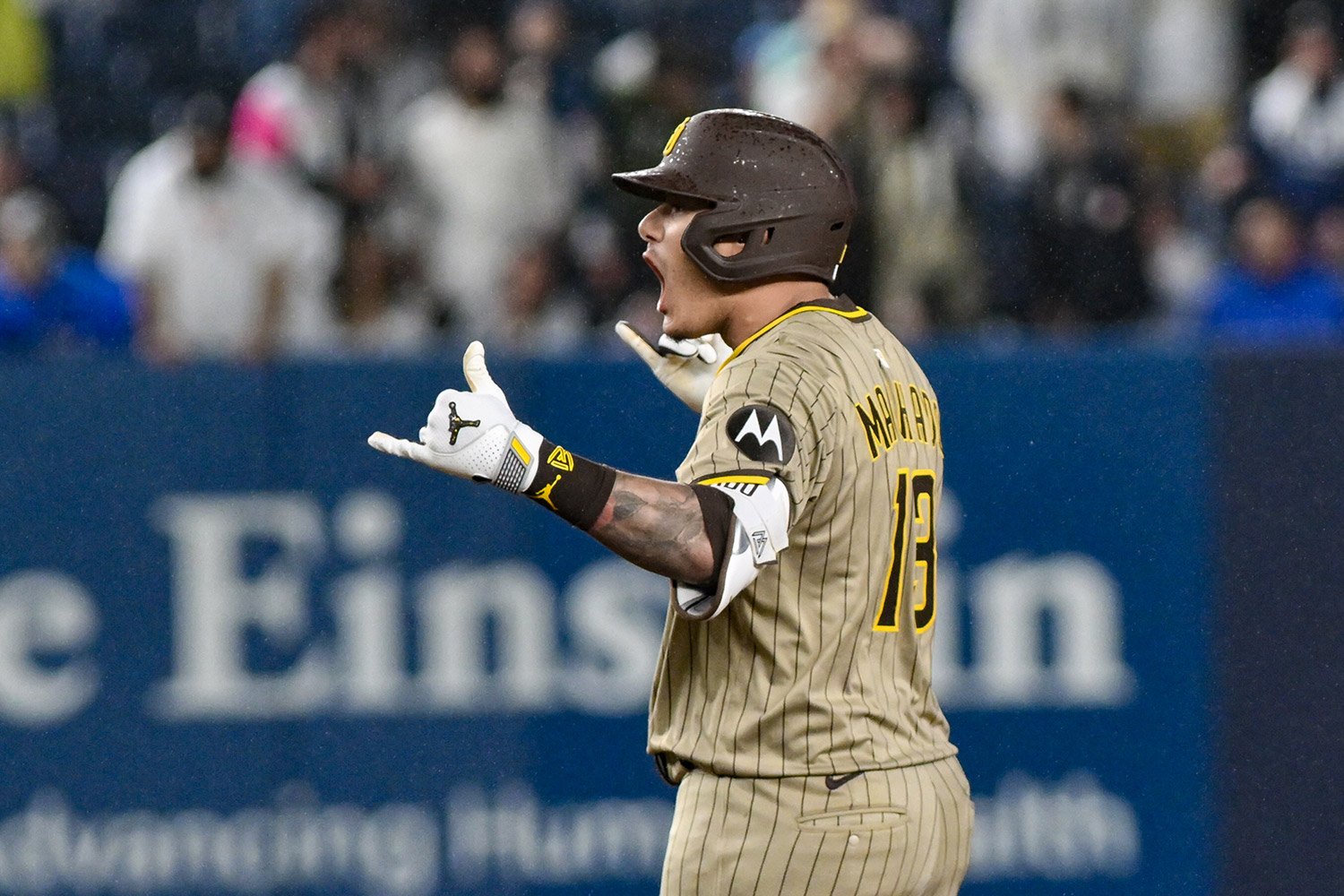 For the first 20 years of the 21st century, the San Diego Padres saw a lot of mediocre seasons without much success. Having only made the postseason twice over that stretch, the franchise was not heavily respected or seen as a very high-functioning organization. Over those two decades, there was not a lot to be excited about going on with the Padres, and the team saw a lot of forgettable seasons. They finished in last place in the division standings eight times, fourth place five times, and third place four times. 2010 saw a second-place finish from the Padres, but they did not make the postseason. They did win the division twice, in 2005 and 2006, but played to a combined 1-6 record in two National League Divisional Series. Over the span of 2000 to 2019, the Padres only played winning baseball five times, finishing with a record below .500 15 times. The consistent mediocrity was a big factor in the Padres being viewed as a second-tier franchise in Major League Baseball. However, that narrative shift began when the Padres landed Manny Machado before the 2019 season. Many teams were offering the 26-year-old superstar long-term deals worth hundreds of millions of dollars. Big market teams such as the New York Yankees, Philadelphia Phillies, and Chicago White Sox pursued signing Machado and offered him big contracts. The baseball world was thrown for a loop when Machado chose the Padres, especially after it was widely believed that the Padres were out of the race. The addition of the superstar third baseman to the Padres' roster is not the most significant aspect of their winning the Machado sweepstakes. The most significant part was that a highly sought-after free agent willingly chose the Padres over the other teams involved in trying to recruit him. Whether it was planned as such or not, the signing of Machado was the first step in the process of reforming the Padres franchise, setting the organization up for sustained success. The next step came in 2021, when Fernando Tatis Jr. signed a long-term contract extension to stay in San Diego for over a decade. Tatis Jr. had broken out as a superstar in his first two seasons and was looking like a lock to be among the sport’s best in terms of player productivity, so the Padres wanted to keep him in town, and they were willing to dig into their pockets to do so. This contract extension is so significant because Tatis Jr. is the type of player that the Padres historically have moved off of to avoid paying big money to. That is what they did with Adrian Gonzalez after the 2010 season. Whatever the reasoning was for the organization deciding to pay Tatis Jr., the decision to dish out superstar money to a homegrown product marked a change in the organization. The third event that shifted the narrative around the Padres as an organization was at the 2022 trade deadline when the team made a go-for-it style trade for the 23-year-old superstar Juan Soto from the Washington Nationals. The Padres gave up a king’s ransom to acquire Soto in the win-now move, but the deal showed that the Padres were serious about trying to compete for a championship. Outside of the Padres making it to the National League Championship Series, the Juan Soto era in San Diego did not exactly go to plan long term, and the superstar right fielder was shipped to the New York Yankees after the 2023 season. There was a pretty sizable silver lining to the failed experiment, and that was the haul the Padres got in return for Soto. The fourth key event that transformed the Padres as an organization happened when the team struck a deal with star shortstop Xander Bogaerts. Bogaerts was a highly coveted free agent in the 2023 offseason, and the Padres showed their desire to compete for championships by bringing him in on a long-term deal. Similar to bringing in Machado, the move to land Bogaerts in San Diego further showed the franchise’s desire to compete. The final event that solidified the Padres as being seen as a franchise that is serious about winning is the extension of rising star outfielder Jackson Merrill. Similar to Tatis Jr., Merrill broke out in his rookie campaign and emerged as a young star, and was selected to the All-Star Game as a rookie. The Padres seemingly saw the writing on the wall about Merrill and his potential superstardom and wanted to avoid a situation similar to what they had with Adrian Gonzalez, and decided to lock up Merrill on a very lucrative deal to stay a Padre for the long term. The Padres' reform to be seen as contenders has had significant effects in multiple areas. The team has seen a lot more success in the six seasons since the process began. Since 2019, the team has ended with a winning record in four of six seasons and made the postseason three times. The fans have bought into the team significantly more since 2019, so much so that the Padres' attendance record for a season was broken in 2023, then broken again in 2024. The reform of the San Diego Padres as a franchise has happened relatively quickly, and it happened out of nowhere fr the most part. It is an understatement to call the transformation a success, as the team appears to have a very bright and competitive future.
 -
After having played just six seasons and change in a Padres uniform, Manny Machado has a serious argument for being a top two player in San Diego Padres history. He recorded his 2,000th hit in Major League Baseball earlier in July and seems to be on his way to Cooperstown after he hangs up the cleats. When he does decide to retire, there is a very good chance he will be in possession of numerous franchise records. Tony Gwynn is clearly at the top of the list of Padres all-time greats, and nobody is saying otherwise. He towers over everyone else in the history of the franchise, so much so that he more than doubles the second-place players in WAR, runs scored, hits, total bases, extra base hits, and singles. Gwynn has the moniker “Mr. Padre” for a reason. With Gwynn far and away the consensus pick for the king of the hill, Machado has an argument to be in the next two spots. Since signing with the Padres before the 2019 season, Machado has recorded 964 hits, 186 home runs, 599 RBI, and 530 runs scored. His production with the bat has been good for an .837 OPS. With those numbers, he currently sits at fifth-most hits as a Padre, third-most runs, most home runs, third-most RBI, and fifth-highest OPS. Many people view Dave Winfield as the second-best player in Padres franchise history. Winfield spent seven seasons in a Padres uniform, and he put up pretty impressive numbers. Over seasons in San Diego, he recorded 1,134 hits, 154 home runs, 626 RBI, and 515 runs scored. That production gives him the third-most hits in Padres history, fifth-most home runs, and second-most RBI and runs scored. Although Winfield was a little more productive in a Padres uniform, Machado has not spent as much time with the team as Winfield did. Despite having played a season and a half less, Machado is not very far behind Winfield in the metrics listed above, except for home runs, where Machado has a good amount more than Winfield. Trevor Hoffman is another Padres legend, widely regarded as one of the best in the franchise's history, and his accomplishments in San Diego are truly impressive. He pitched out of the Padres' bullpen for 16 seasons, tossing 952 ⅔ innings over 902 games and posting a 2.76 ERA. The consensus best Padres relief pitcher was dominant, earning six All-Star selections and two National League saves titles. Although Hoffman has a very impressive Padres resume, his role as a closer limits how important he could be to his team. The math behind his innings pitched and games played suggests he averaged just over three outs per appearance. That limited usage makes it very difficult to place him above Machado in the Padres ' all-time rankings. With Tony Gwynn’s status virtually cemented as the top dog in Padres history, Manny Machado has what is probably the strongest case for the title as second-best. Between his on-field production and the impact he has had on the Padres as a franchise, it is difficult to refute that he has played a big role in the transformation of the franchise into what it is today. Machado’s impact on the Padres franchise has been more than just his production on the field. He was the first big-name free agent to choose the Padres in free agency. This significantly changed how players and fans viewed the Padres, shifting from a team where veterans often left following their prime years to an attractive franchise for big-name players to sign with in free agency. Bringing in Machado shifted the narrative for how the Padres made decisions as a franchise, putting them in the mindset to make big moves and try to compete for World Series titles. Not too long after bringing in Machado, the team saw the emergence of Fernando Tatis Jr. as a young star in baseball. After two very impressive seasons from Tatis Jr., the Padres signed the young star to a massive contract extension for 14 years and $340 million. If Machado never signed in San Diego, it is very possible that Tatis Jr.’s time in a Padres uniform would play out similarly to that of Adrian Gonzalez, a young player (and native San Diegan) who had very good seasons in San Diego but ultimately ended up getting shipped out because the team did not want to pay him what he was worth. Similarly, the big contracts that were given to Xander Bogaerts, Joe Musgrove, Yu Darvish, Jake Cronenworth, and Jackson Merrill very likely never would have happened if Machado had never put pen to paper in San Diego. Passing Gwynn may not be possible, but with many years remaining on his contract, Machado has a very good chance to cement himself as the consensus second-best player in Padres history. View full article
-
Has Manny Machado Passed Dave Winfield As The Second-Greatest Padre Ever?
Dan Rosaia posted an article in Padres
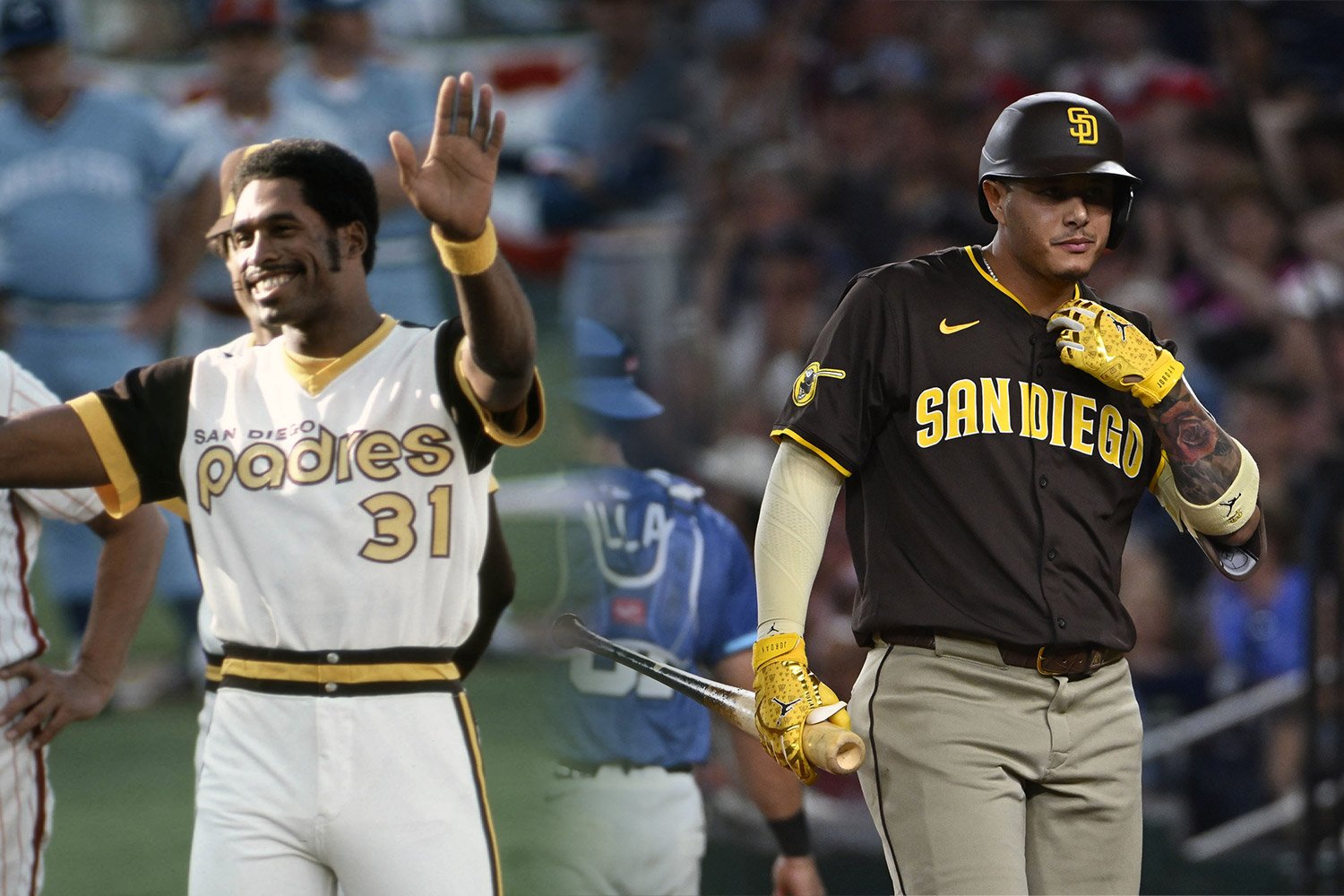 After having played just six seasons and change in a Padres uniform, Manny Machado has a serious argument for being a top two player in San Diego Padres history. He recorded his 2,000th hit in Major League Baseball earlier in July and seems to be on his way to Cooperstown after he hangs up the cleats. When he does decide to retire, there is a very good chance he will be in possession of numerous franchise records. Tony Gwynn is clearly at the top of the list of Padres all-time greats, and nobody is saying otherwise. He towers over everyone else in the history of the franchise, so much so that he more than doubles the second-place players in WAR, runs scored, hits, total bases, extra base hits, and singles. Gwynn has the moniker “Mr. Padre” for a reason. With Gwynn far and away the consensus pick for the king of the hill, Machado has an argument to be in the next two spots. Since signing with the Padres before the 2019 season, Machado has recorded 964 hits, 186 home runs, 599 RBI, and 530 runs scored. His production with the bat has been good for an .837 OPS. With those numbers, he currently sits at fifth-most hits as a Padre, third-most runs, most home runs, third-most RBI, and fifth-highest OPS. Many people view Dave Winfield as the second-best player in Padres franchise history. Winfield spent seven seasons in a Padres uniform, and he put up pretty impressive numbers. Over seasons in San Diego, he recorded 1,134 hits, 154 home runs, 626 RBI, and 515 runs scored. That production gives him the third-most hits in Padres history, fifth-most home runs, and second-most RBI and runs scored. Although Winfield was a little more productive in a Padres uniform, Machado has not spent as much time with the team as Winfield did. Despite having played a season and a half less, Machado is not very far behind Winfield in the metrics listed above, except for home runs, where Machado has a good amount more than Winfield. Trevor Hoffman is another Padres legend, widely regarded as one of the best in the franchise's history, and his accomplishments in San Diego are truly impressive. He pitched out of the Padres' bullpen for 16 seasons, tossing 952 ⅔ innings over 902 games and posting a 2.76 ERA. The consensus best Padres relief pitcher was dominant, earning six All-Star selections and two National League saves titles. Although Hoffman has a very impressive Padres resume, his role as a closer limits how important he could be to his team. The math behind his innings pitched and games played suggests he averaged just over three outs per appearance. That limited usage makes it very difficult to place him above Machado in the Padres ' all-time rankings. With Tony Gwynn’s status virtually cemented as the top dog in Padres history, Manny Machado has what is probably the strongest case for the title as second-best. Between his on-field production and the impact he has had on the Padres as a franchise, it is difficult to refute that he has played a big role in the transformation of the franchise into what it is today. Machado’s impact on the Padres franchise has been more than just his production on the field. He was the first big-name free agent to choose the Padres in free agency. This significantly changed how players and fans viewed the Padres, shifting from a team where veterans often left following their prime years to an attractive franchise for big-name players to sign with in free agency. Bringing in Machado shifted the narrative for how the Padres made decisions as a franchise, putting them in the mindset to make big moves and try to compete for World Series titles. Not too long after bringing in Machado, the team saw the emergence of Fernando Tatis Jr. as a young star in baseball. After two very impressive seasons from Tatis Jr., the Padres signed the young star to a massive contract extension for 14 years and $340 million. If Machado never signed in San Diego, it is very possible that Tatis Jr.’s time in a Padres uniform would play out similarly to that of Adrian Gonzalez, a young player (and native San Diegan) who had very good seasons in San Diego but ultimately ended up getting shipped out because the team did not want to pay him what he was worth. Similarly, the big contracts that were given to Xander Bogaerts, Joe Musgrove, Yu Darvish, Jake Cronenworth, and Jackson Merrill very likely never would have happened if Machado had never put pen to paper in San Diego. Passing Gwynn may not be possible, but with many years remaining on his contract, Machado has a very good chance to cement himself as the consensus second-best player in Padres history.
 -
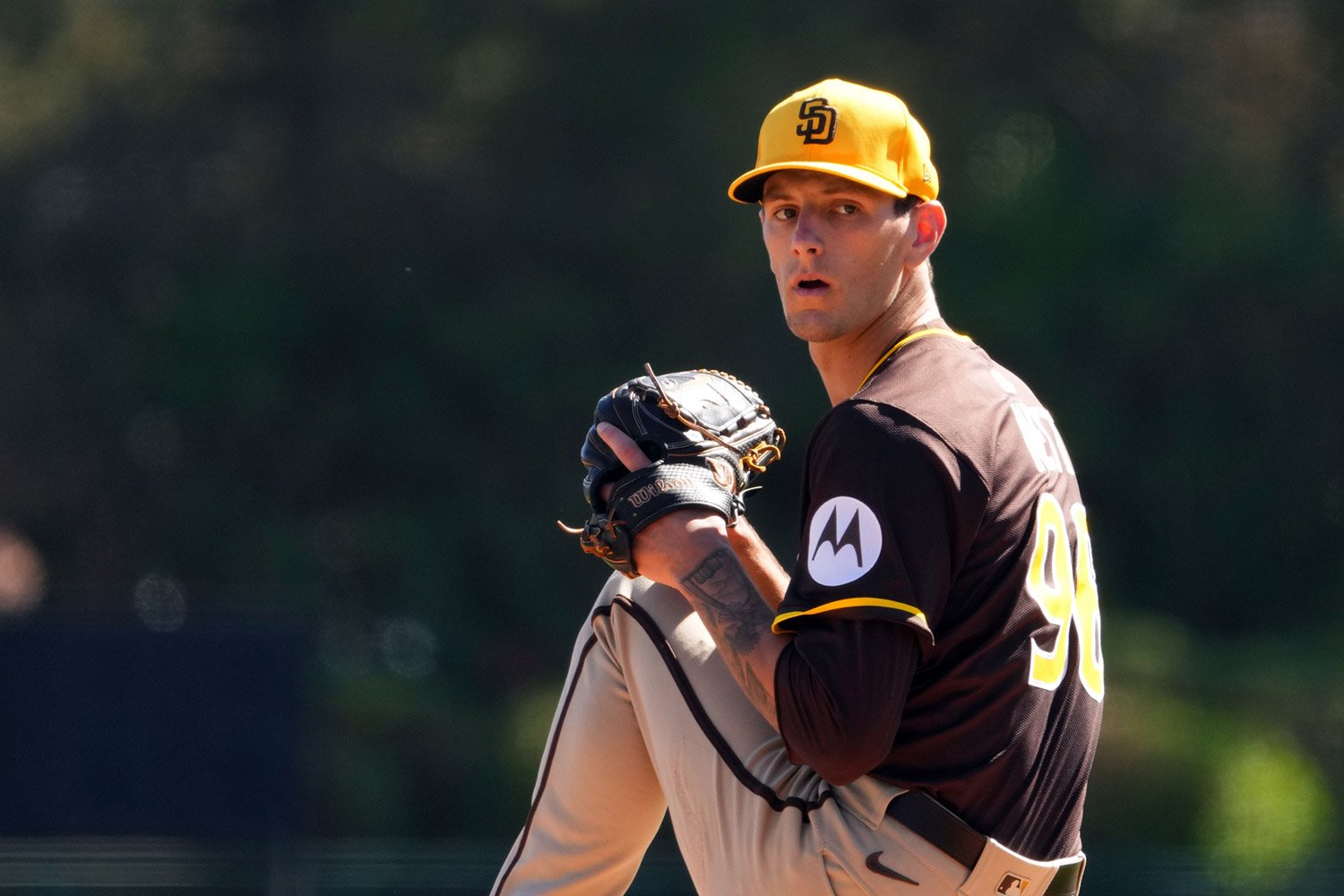 When compiling this list of the top performers of June, I considered eight statistical metrics. The metrics I used are ERA, Innings pitched, games, strikeouts, walks, quality starts, walks per nine innings, and strikeouts per nine innings. I did not include win-loss records because a pitcher has no control over how much run support the offense puts up. Honorable Mentions Jake Higginbotham - AA - San Antonio Missions Jake Higginbotham was dominant in June. He appeared in seven games out of the bullpen in the month and did not allow opposing offenses a lot of anything. Throwing 10 innings, Higginbotham pitched to an ERA of just 1.80, allowing only two runs and punching out 16 batters. The only reason Higginbotham is an honorable mention is due to his lower number of innings pitched. Kash Mayfield - A - Lake Elsinore Storm Kash Mayfield appeared in four games in June, and opposing batters had many rough at-bats facing him. Mayfield posted a 1.04 ERA over the 8.2 innings he pitched. He allowed only two hits over the entire month and only three walks. Mayfield was especially dominant on June 18th, when eight of his nine outs recorded were strikeouts. Having fanned 19 batters over 8.2 innings, he had a June strikeout per nine innings rate of 19.73. Similarly, low innings pitched keep Mayfield out of the main rankings. T5. Wes Benjamin - AAA - El Paso Chihuahuas Wes Benjamin started four games in June, amounting to 21 1/3 innings pitched. Benjamin entered the month with an ERA above 8.5 and was able to lower it to 5.76, pitching to a 2.95 ERA for the month. He was able to strike out 22 batters while walking only five, resulting in a strikeout-to-walk ratio of 4.40, equivalent to a strikeout per nine innings rate of 9.28. His best start was on June 8 vs Albuquerque, when he recorded a quality start going six innings, allowing just three hits and striking out nine while not giving up a walk. He did have a stinker in his last start of the month against Sugar Land, but his month was still good enough to land him a top 5 spot. T5. - Boston Bateman - A - Lake Elsinore Storm Boston Bateman started four games in June and recorded 20 2/3 innings pitched. Bateman lowered his ERA by more than a half run in June, going from a 4.08 at the end of May to a 3.54 at the end of June. In June, Bateman posted a 2.61 ERA with 24 strikeouts to just five walks. Bateman’s best start was on June 26 vs Modesto, when he went five innings, giving up two runs on hits while striking out nine batters and only walking one batter. Over the month, Bateman recorded strikeout per nine innings and walk per nine innings marks of 10.45 and 2.18. The entire month, Bateman never gave up more than two earned runs. 4. Miguel Mendez - A+ - Fort Wayne TinCaps Miguel Mendez was a stud in June. Starting four games in the month, Mendez allowed just three runs in 21.1 innings pitched. His month-long ERA was a stellar 1.27, and he lowered his season ERA by over a run from 3.38 at the end of May to 2.17 at the end of June. He punched out 20 batters while walking 11. His best outing was on the 6th vs Beloit when he threw six shutout innings, striking out seven hitters with only two walks. This was one of two quality starts for him in June, with the other one coming against Great Lakes on the 26th. Mendez put up very solid strikeout per nine innings and walk per nine innings marks of 8.44 and 4.64. 2. Henry Baez - AA - San Antonio Missions The runner-up for top-performing pitcher in June is Henry Baez. Baez started five games in June. He threw for 24.0 innings, posting an ERA of just 1.13 for the month. It was a good strikeout month for him, fanning 23 batters while allowing just three runs and seven walks. His best performance of the month was on June 20th against Frisco, when Baez threw 5.2 shutout innings, giving up only two hits and one walk while striking out 10 batters. Although he fell just short of a quality start in that start, he did record a quality start on the 14th against Amarillo when he threw six shutout innings. Over the month, Baez posted a strikeout per nine-inning rate of 8.63 and a walk per nine rate of 2.63. 1. Braden Nett - AA - San Antonio The best-performing pitcher in the Padres' minor league system in June was Braden Nett. Nett was phenomenal in June, putting up a 1.29 ERA over 28 innings pitched. He made five starts in June and only gave up five earned runs while punching out 31 batters and walking just eight. Nett shoved all month, allowing just 23 hits through the month and posting strikeout per nine innings and walk per nine innings scores of 9.96 and 2.57. Nett’s best performance of the month was against Frisco on the 18th, when he went 5.2 innings, shutting out the opponent while fanning 10 and walking just two. June saw two quality starts from Nett, happening on the 12th against Amarillo and on the 24th against Midland.
 -
When compiling this list of the top performers of June, I considered eight statistical metrics. The metrics I used are ERA, Innings pitched, games, strikeouts, walks, quality starts, walks per nine innings, and strikeouts per nine innings. I did not include win-loss records because a pitcher has no control over how much run support the offense puts up. Honorable Mentions Jake Higginbotham - AA - San Antonio Missions Jake Higginbotham was dominant in June. He appeared in seven games out of the bullpen in the month and did not allow opposing offenses a lot of anything. Throwing 10 innings, Higginbotham pitched to an ERA of just 1.80, allowing only two runs and punching out 16 batters. The only reason Higginbotham is an honorable mention is due to his lower number of innings pitched. Kash Mayfield - A - Lake Elsinore Storm Kash Mayfield appeared in four games in June, and opposing batters had many rough at-bats facing him. Mayfield posted a 1.04 ERA over the 8.2 innings he pitched. He allowed only two hits over the entire month and only three walks. Mayfield was especially dominant on June 18th, when eight of his nine outs recorded were strikeouts. Having fanned 19 batters over 8.2 innings, he had a June strikeout per nine innings rate of 19.73. Similarly, low innings pitched keep Mayfield out of the main rankings. T5. Wes Benjamin - AAA - El Paso Chihuahuas Wes Benjamin started four games in June, amounting to 21 1/3 innings pitched. Benjamin entered the month with an ERA above 8.5 and was able to lower it to 5.76, pitching to a 2.95 ERA for the month. He was able to strike out 22 batters while walking only five, resulting in a strikeout-to-walk ratio of 4.40, equivalent to a strikeout per nine innings rate of 9.28. His best start was on June 8 vs Albuquerque, when he recorded a quality start going six innings, allowing just three hits and striking out nine while not giving up a walk. He did have a stinker in his last start of the month against Sugar Land, but his month was still good enough to land him a top 5 spot. T5. - Boston Bateman - A - Lake Elsinore Storm Boston Bateman started four games in June and recorded 20 2/3 innings pitched. Bateman lowered his ERA by more than a half run in June, going from a 4.08 at the end of May to a 3.54 at the end of June. In June, Bateman posted a 2.61 ERA with 24 strikeouts to just five walks. Bateman’s best start was on June 26 vs Modesto, when he went five innings, giving up two runs on hits while striking out nine batters and only walking one batter. Over the month, Bateman recorded strikeout per nine innings and walk per nine innings marks of 10.45 and 2.18. The entire month, Bateman never gave up more than two earned runs. 4. Miguel Mendez - A+ - Fort Wayne TinCaps Miguel Mendez was a stud in June. Starting four games in the month, Mendez allowed just three runs in 21.1 innings pitched. His month-long ERA was a stellar 1.27, and he lowered his season ERA by over a run from 3.38 at the end of May to 2.17 at the end of June. He punched out 20 batters while walking 11. His best outing was on the 6th vs Beloit when he threw six shutout innings, striking out seven hitters with only two walks. This was one of two quality starts for him in June, with the other one coming against Great Lakes on the 26th. Mendez put up very solid strikeout per nine innings and walk per nine innings marks of 8.44 and 4.64. 2. Henry Baez - AA - San Antonio Missions The runner-up for top-performing pitcher in June is Henry Baez. Baez started five games in June. He threw for 24.0 innings, posting an ERA of just 1.13 for the month. It was a good strikeout month for him, fanning 23 batters while allowing just three runs and seven walks. His best performance of the month was on June 20th against Frisco, when Baez threw 5.2 shutout innings, giving up only two hits and one walk while striking out 10 batters. Although he fell just short of a quality start in that start, he did record a quality start on the 14th against Amarillo when he threw six shutout innings. Over the month, Baez posted a strikeout per nine-inning rate of 8.63 and a walk per nine rate of 2.63. 1. Braden Nett - AA - San Antonio The best-performing pitcher in the Padres' minor league system in June was Braden Nett. Nett was phenomenal in June, putting up a 1.29 ERA over 28 innings pitched. He made five starts in June and only gave up five earned runs while punching out 31 batters and walking just eight. Nett shoved all month, allowing just 23 hits through the month and posting strikeout per nine innings and walk per nine innings scores of 9.96 and 2.57. Nett’s best performance of the month was against Frisco on the 18th, when he went 5.2 innings, shutting out the opponent while fanning 10 and walking just two. June saw two quality starts from Nett, happening on the 12th against Amarillo and on the 24th against Midland. View full article
-
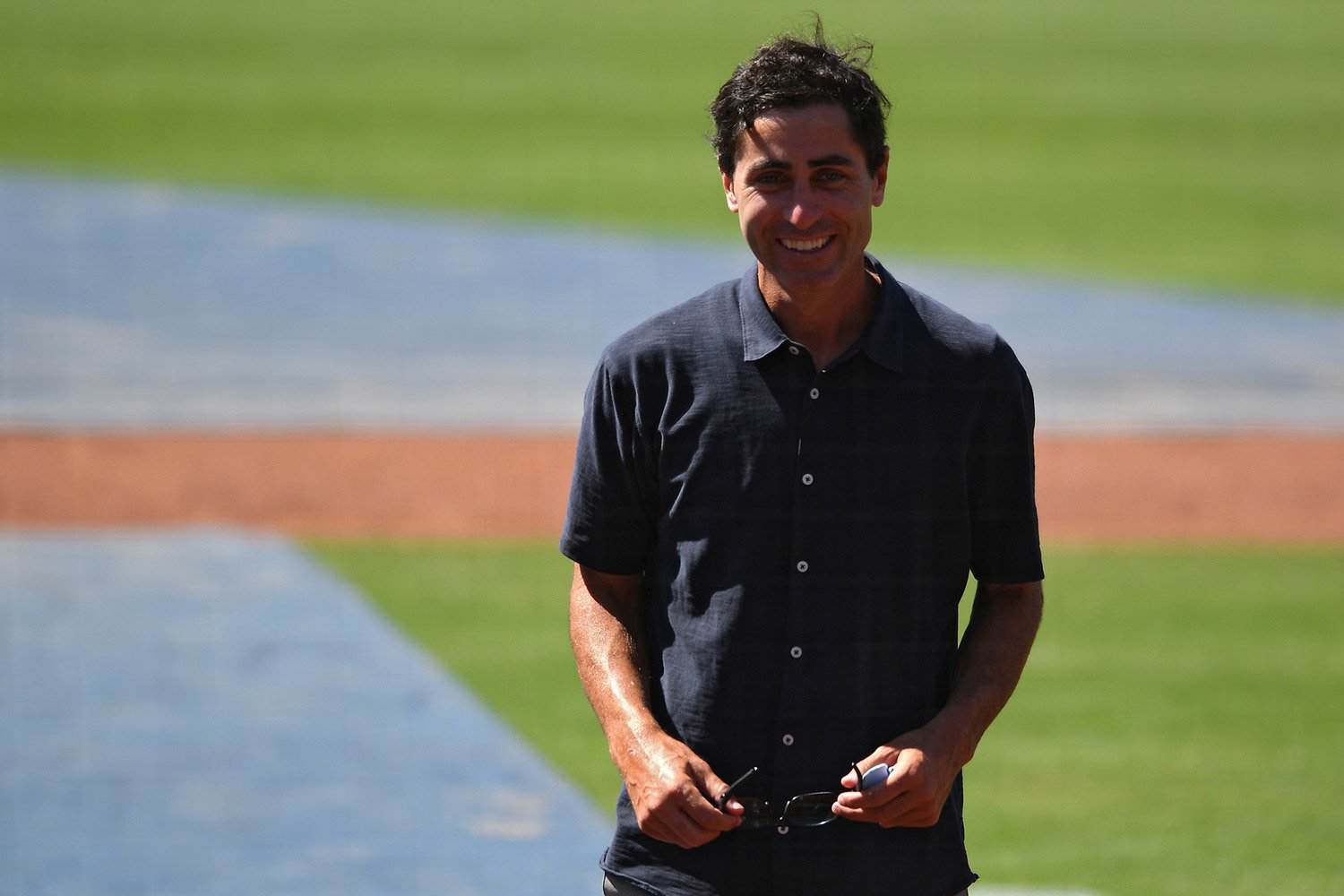 Since being promoted to President of Baseball Operations in 2021, AJ Preller has shelled out some hefty contracts. The San Diego Padres have a 2025 payroll of almost $210 million, making them the ninth most expensive roster in Major League Baseball. The team is spending more than $104 million on five players this season. Those players are Manny Machado, Fernando Tatis Jr., Xander Bogaerts, Yu Darvish, and Joe Musgrove. Jackson Merrill is also signed long-term with the Padres, but he is omitted here because his contract extension has not yet taken effect. The contracts each player signed are for many years, with pretty sizable AAVs. The significant financial commitment makes playing the long-term extension game very risky, and the numbers suggest that Preller has had both wins and losses. Preller signed Machado to a contract extension before the 2023 season for 11 years and $350 million, keeping Machado in San Diego through 2033. Machado’s deal has an AAV of $31.8 million. Since signing the extension, Machado has been very solid both offensively and defensively. Since 2023, he has appeared in 369 games, hit for an average of .274 with 72 home runs, and 243 RBI, good for an OPS of .806, an OPS+ of 121, and 8.5 WAR. Machado’s defense has saved the Padres 7 runs. Machado’s contract looks great when you compare it to that of Nolan Arenado. The St. Louis Cardinals have Arenado on a contract with an AAV of $32.5 million. In the time since Machado’s extension, Arenado has played in 370 games and compiled 5.9 WAR. He has been significantly less productive than Machado at the plate, posting significantly worse numbers across the board. Arenado’s defense has been the saving grace of his contract, playing third base well enough to save his team 12 runs. When compared to the $20.1 million AAV of Cleveland Guardians third baseman José Ramirez’s contract, Machado’s contract looks less like a deal. However, it should be noted that Ramirez took a very team-friendly deal to remain in Cleveland. Since 2023, Ramirez has outperformed Machado at the plate in almost every area, with Machado only having more RBI, while playing defense good enough to have the same DRS as Machado at 7. In 389 games since 2023, Ramirez has posted an average of .287, hitting 76 home runs, driving in 234 runs, playing to an OPS of .860, an OPS+ of 138, and 14.7 WAR. How Machado ages into his mid-to-late 30s remains to be seen, but as of now, about two and a half years into his extension, his contract appears to be of at least acceptable value. Preller gave a contract of similar value to Fernando Tatis Jr. before the 2021 season. On February 17th, 2021, Tatis Jr. signed a 14-year contract worth $340 million. The contract has an AAV of $24.4 million. Since signing the deal, Tatis Jr. has been one of the best players in all of baseball. He has been a stud, playing to an OPS of 847 and an OPS+ of 132. In 451 games since signing the new contract, he has put up a batting average of .269, mashing 103 home runs, and batting in 261 runs, good for 18.1 WAR. Tatis Jr.’s game is more than just his bat; he has also been very good on defense. He has posted a DRS score of 32 since being extended. The contract Tatis Jr. signed has an AAV slightly less than that of Toronto Blue Jays right fielder George Springer, at $25 million. Since 2021, Tatis Jr. has outperformed Springer in virtually all categories at the plate. Springer has more hits and RBIs, but Tatis Jr. has put up considerably higher marks in WAR, OPS, and OPS+. Springer also signed with Toronto as a free agent, whereas Tatis's extension also covers his lower-paying arbitration seasons. A player with a contract that makes the Tatis Jr. contract look like an overpay is Ronald Acuna Jr. of the Atlanta Braves. Acuna has a contract with an AAV of $12.5 million. Since the 2021 season, Acuna Jr. has posted a batting average of .301 with 93 home runs and 241 runs batted in. He has posted 16.4 WAR, an OPS of .918, and an OPS+ of 149. There have been rumblings recently about Acuna Jr. receiving a restructured deal that would give him an AAV of up to $25 million. Take that into consideration, and the Tatis Jr. deal looks a lot less like an overpay and more like the team is paying a reasonable price for him. The long-term contract game is a dangerous one, and while Preller has looked relatively solid so far, he has been torched by one of his long-term contracts. On December 9, 2022, Preller closed a deal that landed shortstop Xander Bogaerts in San Diego for 11 years and $280 million. In the two and change seasons Bogaerts has spent in a Padres uniform, he has played in 344 games, hitting for an average of .270 with 34 home runs while driving in 131 runs. His production under the contract he signed has been subpar so far, with 6.2 WAR, an OPS of .731, and an OPS+ of 102. Looking at the numbers, Bogaerts’ production doesn’t look horrible at all. Consider that his contract has an AAV of $25.4 million, an average production of roughly three wins per season, and things start to change. An MLB "win" (based on the metric WAR) is usually worth approximately $8-9 million per season. Bogaerts has slightly underperformed in the first 2.5 years of his contract, which does not bode well for a deal that pays the shortstop through the 2033 season. Joe Musgrove and Yu Darvish are on smaller contracts with the team, but have not been healthy enough to play enough games to assess how Preller did on their contracts. Both contracts began before the 2023 season. Darvish has played in 40 games since signing his 6-year $108 million contract, and Musgrove has played in 36 since receiving his 5-year $100 million contract. Darvish has pitched to a 4.09 ERA over 218 innings, while Musgrove has a 3.47 ERA over 197 innings. Logan Webb of the San Francisco Giants and Kodai Senga of the New York Mets are pitchers with similar AAV contracts, and both are outperforming Darvish and Musgrove in ERA and WAR over more innings pitched. Injuries are impossible to predict, so dogging Preller for giving Musgrove and Darvish those contracts is a little difficult to do, especially when both put up very respectable strikeout and walk percentages when pitching. From the look of it right now, Preller’s decision-making on dishing out long-term contracts has been relatively solid, especially on the Machado and Tatis Jr. deals. The Musgrove and Darvish deals appear to be decent values if they can stay healthy. The baseball world may never let Preller live down that Bogaerts contract unless his production drastically improves.
