


Andy Johnson
-
Posts
52 -
Joined
-
Last visited
Content Type
Profiles
San Diego Padres Videos
2026 San Diego Padres Top Prospects Ranking
San Diego Padres Free Agent & Trade Rumors, Notes, & Tidbits
Guides & Resources
2025 San Diego Padres Draft Pick Tracker
News
2026 San Diego Padres Draft Tracker: Picks & Bonuses
Forums
Blogs
Events
Store
Downloads
Gallery
Everything posted by Andy Johnson
-
The San Diego Padres will be in need of a full-time designated hitter in 2026. The lineup has struggled to hit for power for the past two seasons, and something is going to have to change if San Diego wants to truly be in contention in 2026. What better way to add some of that much-needed pop to the lineup than signing a veteran free-agent to focus all their time on hitting? Here are five players who could fill that role in San Diego. 1. Kyle Schwarber Schwarber is clearly the prize of the offseason when it comes to designated hitters, and for good reason. He's been one of the most consistent power hitters in the league for the past five years. Since 2021, he has a 136 OPS+, a .514 SLG, and 219 home runs (averaging 43 bombs per season)! In 2025, he finished with red all over his Baseball Savant page, including a 100th percentile finish in Hard-Hit%. He also cracked the 99th percentile in batting run value, xSLG, and Barrel %, while ranking in the 98th percentile xwOBA, average exit velocity, and bat speed. He also had a great eye, finishing in the 97th percentile in walk rate. Obviously, there are two massive holes in his game that prevent him from being an MVP: he strikes out too much and does not play defense. But, for a lineup like San Diego, which already prominently features contact bats, Schwarber might actually be a breath of fresh air. He's a three-true-outcomes guy, which makes his at-bats as fun as they can be frustrating. After two years of employing contact king Luis Arraez, perhaps it's time San Diego tries going all-in on power. 2. Marcell Ozuna Ozuna from the Braves had a down year in 2025, but there is still plenty of evidence to suggest he is capable of bouncing back. Remember, it was not that long ago that Ozuna was receiving MVP votes and was challenging Shohei Ohtani for the title of best DH in baseball. Ozuna's .400 slugging percentage was significantly lower than his xSLG of .437, and his analytics look solid. He finished in the 83rd percentile in xwOBA, and the 85th percentile in chase rate. Best of all, he was still drawing walks at an elite rate. Ozuna was in the 98th percentile in walk rate, a big reason why is OBP (.355) was over 120 points higher than his AVG (.232). Because of his age (35) and because he had a down year last year, Ozuna will probably be significantly cheaper than Schwarber. There's an inherent risk here, and the Padres don't want to hitch their wagon to another old, declining veteran. However, if Ozuna can get even halfway to where he was in 2024, he would be in contention once again as the second-best DH in the National League. 3. Andrew McCutchen This is where the DH class suddenly becomes very weak. There is a real argument that McCutchen, entering his age-39 season, is the third-best DH available. This is not a drag on McCutchen. He's been fine in his last three years in Pittsburgh, with a combined 104 OPS+ over 1,315 at-bats. The problem is he has no upside and a lot of risk. His age is a risk in and of itself, and he's also had a bad tendency to get hurt throughout his career. Like Schwarber and Ozuna, McCutchen is at least good for one thing: he walks a lot. His 12.2% walk rate placed him the 88th percentile in the league, and his chase rate also stayed very low, at just 20.7%. Still, it feels like whoever signs McCutchen (if it's not Pittsburgh) would be settling. McCutchen is the compensation prize, not the reward. 4. Justin Turner At this point, the veteran infielder is more of a DH than anything else. Once again, Turner would be a bounce-back candidate, and it's hard to predict how much he'll be able to bounce back at 41 years old. After 13 straight seasons with an OPS+ above 100, Turner's OPS+ fell all the way to 75 last year with the Cubs. He was worth -0.1 bWAR, his least valuable season since 2010. Signing Turner to be their DH would feel similar to the Jason Heyward signing last offseason, and we all know how that one turned out for San Diego. He'd bring a great presence to the clubhouse, but he's hardly a lock to upgrade the offense. 5. Starling Marte The former Mets and Pirates star could be in the mix to play outfield as well, but at this point, he is more of a DH at 37 years old. He actually had a fine year in 2025, putting up an OPS+ of 111 and a bWAR of 1.0. However, that came after a very rough 2023-24, when he was worth -0.1 bWAR and had an 89 OPS+ in 180 games. Again, Marte should be considered a last resort for the Padres' need. He'd make sense as a tertiary addition to the lineup, not the primary one. View full article
-
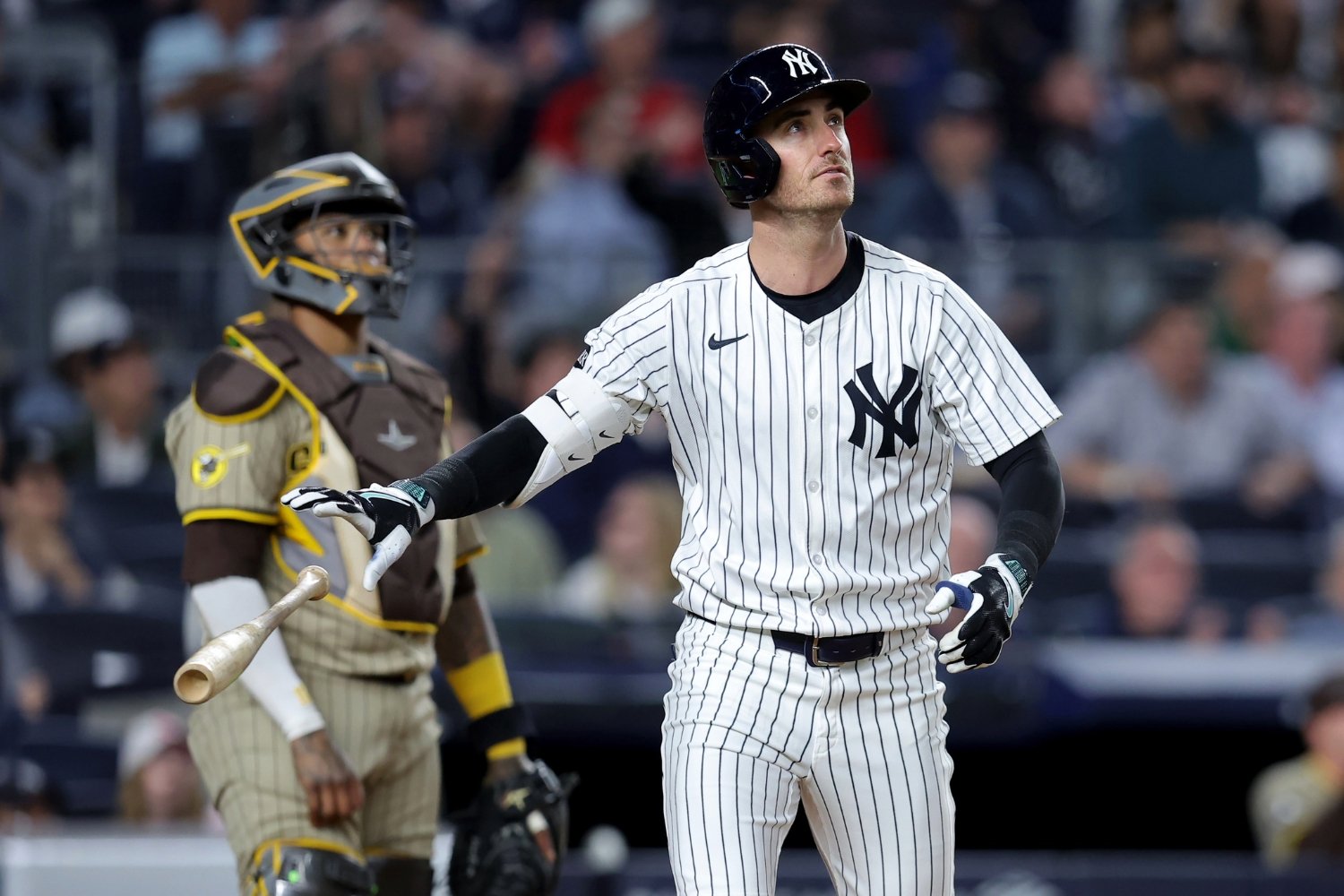 With Luis Arraez set to depart in free agency, the San Diego Padres will need a new first baseman in 2026. The first base market this offseason should be very active, so there will be plenty of opportunities to replace light-hitting Arraez. Here are the five best fits. 1. Cody Bellinger Obviously, Bellinger would cost a lot of money, and it's still not clear exactly how much the Padres are going to be willing to spend this year. However, a player like Bellinger makes too much sense for San Diego. He's a high-risk, high-reward type of player with all kinds of talent—exactly the type of player AJ Preller likes to target. Bellinger is versatile. He played mostly in the outfield for the Yankees last year, but he can play first base at a solid level as well, and in this case, that's where the Padres would need him more. The trouble with Bellinger is that the Padres, essentially, would have to buy high on the 30-year-old, which is probably a mistake given the peaks and valleys of his career. On the other hand, Bellinger has not had a legitimately bad season since leaving the Dodgers after 2022. He's been worth 12 bWAR from 2023-25, with a 125 OPS+ and good defense (12 Defensive Runs Saved this past season). There's a floor worth believing in, especially if his ceiling remains anywhere near his MVP level in 2019. 2. Pete Alonso Alonso might be even more far-fetched of an idea than Bellinger simply because of how much he'd cost, but you can't convince me that Alonso would not be the best option from a pure skill perspective. The Padres need more power in their lineup. They were below average in 2024 and got even worse at hitting for power in 2025. Enter Alonso, who has arguably been the game's most consistent power hitter that doesn't own multiple MVPs. Bringing him in would immediately inject 35+ home runs into the San Diego lineup. For what it's worth, Alonso has actually been very consistent on a year-to-year basis. While he does occasionally enter slumps that lower his numbers, the Polar Bear has never seen his OPS+ dip below 122. That is impressive for a guy who has played seven years in the big leagues. Why would the Padres not want to sign a guy like Alonso, who has been consistent and is elite at the one thing the Padres have been missing in their lineup for the past few years? Likely, they'd be deterred by the length Alonso is looking for. It was reported that Alonso is looking for a long-term deal around seven years in length. That would pay Alonso through his age-37 season. San Diego simply can not afford to get hooked on another long-term contract. It already looks like Xander Bogaerts is a bust, and Manny Machado is going to slow down at some point. The juice may just not be worth the squeeze here. 3. Josh Naylor Naylor is sort of the antithesis to Arraez; where the latter has shortcomings and is more of a one-dimensional player, Naylor is much more of a complete hitter. Naylor, for example, is (much) better at hitting for power. Naylor is better at baserunning and base stealing. He's a better defender, and he has better plate discipline. The only thing that Arraez does better than Naylor is his insane ability to make contact on nearly every ball thrown to him. A good trait, but Naylor is the better overall player, and Naylor absolutely shone in the postseason with the Mariners. Naylor also makes more sense financially than either Alonso or Bellinger. He's likely going to end up with a three-to-five-year deal at around $15 million per season, which is affordable for San Diego. My favorite Josh Naylor stat is that he stole 30 bases in 2025 despite being in the third percentile for sprint speed. Sometimes, Josh Naylor does not make sense. Sometimes, baseball does not make sense. 4. Munetaka Murakami Murakami is listed as a third baseman, but it sounds like his third base defense leaves a lot to be desired. That means he has future first baseman written all over him. Again, this probably depends on where his market lands. How much are the Dodgers willing to pay? How much would a team like Seattle be willing to pay, as they are set to lose both their first baseman and third baseman to free agency? Murakami might be one of the hottest commodities on the market this offseason. Or, he might not. Perhaps the Dodgers decide they are okay with Max Muncy and Freddie Freeman at the infield corners. Perhaps the Mariners pivot to internal options at third base while re-signing Naylor to play first base. Maybe Murakami's poor defense weighs down his market, and suddenly, he is a relatively cheap option for San Diego. Or maybe I'm just hoping for what can never be. Murakami was an excellent player in the NPB, with a .951 OPS across eight seasons there. And he won't even turn 26 until February. Murakami has the potential to be the next great Asian-born player to come to the United States and absolutely tear the league up. However, there is probably also a scenario where the game catches up to him in the States, and he never reaches the same dominant peak that he has reached in Japan. The risk here is high, but the reward could be astronomical. 5. Ryan O'Hearn O'Hearn could definitely be slated for a return to the Padres. After trading for him at the deadline in 2025, O'Hearn did slump a bit, but he finished the season strong. He is coming off a 2.4 bWAR season in '25, and a 2.0 bWAR season '24. The last time his OPS+ was below 100 was in 2022. Simply put, O'Hearn has been a good hitter for a while now. At the same time, he should be considered more of a platoon bat than a full-time starter. O'Hearn struggles against left-handed pitching, so much so that the Orioles did not trust him to start against southpaws. That means having to carry a second first baseman on the roster, which might not be ideal. At the same time, O'Hearn is a good player, and he might fly under the radar this offseason with so many other big names at first base and DH. He's already been in San Diego, and he likely would not cost all that much to bring back. It's certainly more of a Plan B than any of the Plan A's above, but there is sense to keeping tabs on O'Hearn's market this winter.
 -
With Luis Arraez set to depart in free agency, the San Diego Padres will need a new first baseman in 2026. The first base market this offseason should be very active, so there will be plenty of opportunities to replace light-hitting Arraez. Here are the five best fits. 1. Cody Bellinger Obviously, Bellinger would cost a lot of money, and it's still not clear exactly how much the Padres are going to be willing to spend this year. However, a player like Bellinger makes too much sense for San Diego. He's a high-risk, high-reward type of player with all kinds of talent—exactly the type of player AJ Preller likes to target. Bellinger is versatile. He played mostly in the outfield for the Yankees last year, but he can play first base at a solid level as well, and in this case, that's where the Padres would need him more. The trouble with Bellinger is that the Padres, essentially, would have to buy high on the 30-year-old, which is probably a mistake given the peaks and valleys of his career. On the other hand, Bellinger has not had a legitimately bad season since leaving the Dodgers after 2022. He's been worth 12 bWAR from 2023-25, with a 125 OPS+ and good defense (12 Defensive Runs Saved this past season). There's a floor worth believing in, especially if his ceiling remains anywhere near his MVP level in 2019. 2. Pete Alonso Alonso might be even more far-fetched of an idea than Bellinger simply because of how much he'd cost, but you can't convince me that Alonso would not be the best option from a pure skill perspective. The Padres need more power in their lineup. They were below average in 2024 and got even worse at hitting for power in 2025. Enter Alonso, who has arguably been the game's most consistent power hitter that doesn't own multiple MVPs. Bringing him in would immediately inject 35+ home runs into the San Diego lineup. For what it's worth, Alonso has actually been very consistent on a year-to-year basis. While he does occasionally enter slumps that lower his numbers, the Polar Bear has never seen his OPS+ dip below 122. That is impressive for a guy who has played seven years in the big leagues. Why would the Padres not want to sign a guy like Alonso, who has been consistent and is elite at the one thing the Padres have been missing in their lineup for the past few years? Likely, they'd be deterred by the length Alonso is looking for. It was reported that Alonso is looking for a long-term deal around seven years in length. That would pay Alonso through his age-37 season. San Diego simply can not afford to get hooked on another long-term contract. It already looks like Xander Bogaerts is a bust, and Manny Machado is going to slow down at some point. The juice may just not be worth the squeeze here. 3. Josh Naylor Naylor is sort of the antithesis to Arraez; where the latter has shortcomings and is more of a one-dimensional player, Naylor is much more of a complete hitter. Naylor, for example, is (much) better at hitting for power. Naylor is better at baserunning and base stealing. He's a better defender, and he has better plate discipline. The only thing that Arraez does better than Naylor is his insane ability to make contact on nearly every ball thrown to him. A good trait, but Naylor is the better overall player, and Naylor absolutely shone in the postseason with the Mariners. Naylor also makes more sense financially than either Alonso or Bellinger. He's likely going to end up with a three-to-five-year deal at around $15 million per season, which is affordable for San Diego. My favorite Josh Naylor stat is that he stole 30 bases in 2025 despite being in the third percentile for sprint speed. Sometimes, Josh Naylor does not make sense. Sometimes, baseball does not make sense. 4. Munetaka Murakami Murakami is listed as a third baseman, but it sounds like his third base defense leaves a lot to be desired. That means he has future first baseman written all over him. Again, this probably depends on where his market lands. How much are the Dodgers willing to pay? How much would a team like Seattle be willing to pay, as they are set to lose both their first baseman and third baseman to free agency? Murakami might be one of the hottest commodities on the market this offseason. Or, he might not. Perhaps the Dodgers decide they are okay with Max Muncy and Freddie Freeman at the infield corners. Perhaps the Mariners pivot to internal options at third base while re-signing Naylor to play first base. Maybe Murakami's poor defense weighs down his market, and suddenly, he is a relatively cheap option for San Diego. Or maybe I'm just hoping for what can never be. Murakami was an excellent player in the NPB, with a .951 OPS across eight seasons there. And he won't even turn 26 until February. Murakami has the potential to be the next great Asian-born player to come to the United States and absolutely tear the league up. However, there is probably also a scenario where the game catches up to him in the States, and he never reaches the same dominant peak that he has reached in Japan. The risk here is high, but the reward could be astronomical. 5. Ryan O'Hearn O'Hearn could definitely be slated for a return to the Padres. After trading for him at the deadline in 2025, O'Hearn did slump a bit, but he finished the season strong. He is coming off a 2.4 bWAR season in '25, and a 2.0 bWAR season '24. The last time his OPS+ was below 100 was in 2022. Simply put, O'Hearn has been a good hitter for a while now. At the same time, he should be considered more of a platoon bat than a full-time starter. O'Hearn struggles against left-handed pitching, so much so that the Orioles did not trust him to start against southpaws. That means having to carry a second first baseman on the roster, which might not be ideal. At the same time, O'Hearn is a good player, and he might fly under the radar this offseason with so many other big names at first base and DH. He's already been in San Diego, and he likely would not cost all that much to bring back. It's certainly more of a Plan B than any of the Plan A's above, but there is sense to keeping tabs on O'Hearn's market this winter. View full article
-
We know the San Diego Padres had a great bullpen in 2025. Their relief corps featured three All-Stars, and that was before trading for Athletics' closer Mason Miller. Their collective ERA of 3.06 was the best in MLB by a mile. Boston's pen was the next best, at 3.41. How good was each hurler individually? Let's grade them and see how they did. Jason Adam: A+ What Jason Adam has brought to the Padres' bullpen over the past two years cannot be overstated. Since 2022, Adam might be the most dominant non-closer in the league. He was at the peak of his game in 2025, appearing in 65 games and pitching to a 1.93 ERA (a 222 ERA+)! He also won a career-high eight games and was worth 2.4 bWAR. His advanced metrics were also impressive. Adam's pitching run value ranked in the 81st percentile, while his Whiff rate ranked in the 94th percentile. His xBA against was .200, in the 95th percentile. Simply put, he was incredible. San Diego missed him badly down the stretch run. It will be interesting to see how San Diego uses Adam in 2026. With Robert Suarez likely out of the building next year, Adam will be a candidate for the closer role, especially if the team plans to convert Miller into a starter. However, Adam has proven his ability as an elite set-up man, so perhaps San Diego will follow the old, "if it ain't broke, don't fix it," mantra and keep him in the eighth inning role. Adrian Morejon: A+ It has been fun to finally watch Morejon break out. At 26, Morejon was named to his first All-Star game. The lefty was incredible all season. He appeared in 75 games and put up a win-loss record that looked like an elite starter (13-6). Despite the six losses awarded to Morejon, he earns an A+ grade. He finished the year with an ERA+ of 206, a WHIP of 0.896, and 2.4 bWAR. Morejon made his mark this year by limiting hard contact. Batters hit for an average exit velocity of 85.9 MPH against him, which put him in the 98th percentile for average exit velocity allowed. Batters only barreled him up 4% of the time, putting him in the 97th percentile for barrel-rate allowed. And their hard-hit rate against Morejon was just 30.7%, placing Morejon in the 99th percentile. It's hard to draw up a better season. Robert Suarez: A It feels weird saying Suarez was the third-best reliever on the team in 2025, but that's how good Adam and Morejon were. That should not take away from Suarez, who himself had another fantastic season and was named to his second All-Star game. Suarez led the NL with 40 saves, finishing with a 2.88 FIP and 144 ERA+. His fastball continued to be his bread and butter in 2025, ranking in the 97th percentile for both fastball run value and fastball velocity. Mason Miller: A Miller really would have been the best Padres reliever if he had been there all season. In just 22 games with San Diego, he was worth 1.4 bWAR. He only threw 23 1/3 innings. Over the course of a full season (roughly 70 innings for a reliever), he would have been pacing for 6.0 bWAR, which may have been among the best relief seasons of all time. Perhaps that's what the team can expect from him in 2026 and beyond. Even just focusing on this year, though, Miller was still electric. His ERA+ as a Padre was 562, with his FIP at a team-low 1.12 and his WHIP at a team-low 0.729. The 27-year-old ranked in the 100th percentile in five categories on Baseball Savant. That included his Breaking Run Value, his Fastball Velocity, his xBA against, his WHIFF%, and his K%. He was averaging nearly two punch-outs per inning with the Padres (he struck out 45 in 23.1 innings). Miller's secret sauce is his ability to throw one of the hardest fastballs in the league (averaging 101.2 MPH) while also throwing one of the best breaking balls in the league. Put together, he's almost unhittable. He'll likely either join the rotation next spring or take over as San Diego's closer. David Morgan: A- Do dominant relievers grow on trees in San Diego? Morgan, at 25, came to San Diego at the end of May and was one of their top relief arms the rest of the way. He appeared in 41 games, allowing 14 runs in 47 innings. His final stat line included an ERA+ of 161, a FIP at 3.71, and 1.2 bWAR. The underlying metrics indicate there may be some regression for Morgan in 2026, as he only ranked in the top 20% in one metric, his Fastball Velocity. Still, he has room to grow and benefits from being part of an already stacked bullpen, so he won't have to pitch in too many high-leverage situations until he is ready (which he already might be). Wandy Peralta: B+ Losing Peralta to free agency this season will be an underrated loss. It's guys like Peralta that most teams are looking for: middle-relievers capable of pitching well most of the time, and stepping up in high-leverage situations if needed. Peralta appeared in 71 games and had a 137 ERA+ with a 3.62 FIP. While his numbers may not have been elite, he was a workhorse innings eater and finished with a 6-1 record, meaning he hardly blew any leads. He limited hard contact and was among the best in the league at inducing ground balls. He finished the year with a 59.6% ground ball rate, ranking in the 97th percentile. Jeremiah Estrada: B+ Estrada followed up his breakout 2024 campaign with another good season in 2025. While he might not have been as dominant, San Diego didn't need him to be, with the stacked group of guys already noted. What the Padres did need from him was innings, which he gave them in spades. He led the team with 77 appearances and completed 73 innings, finishing with a 124 ERA+ and a 1.164 WHIP. Estrada's advanced metrics were even better than the stats. His xERA of 2.78 was significantly lower than his actual ERA of 3.45. He ranked in the 98th percentile in K%, the 96th percentile in Whiff%, and the 93rd percentile in Chase%. If this is what a "ho-hum" season from Estrada looks like, it's tantalizing to imagine what is to come. Yuki Matsui: B For the second-straight year, Matsui did exactly what the Padres needed him to be, which was a solid left-handed reliever. While he was not their top lefty in the pen, Matsui contributed 63 innings with a 108 ERA+. Despite not throwing the ball very hard, Matsui made batters miss with his breaking ball, which ranked in the 73rd percentile for breaking run value. Alek Jacob: D Jacob was the only Padres' reliever with more than 20 relief appearances to finish with an ERA+ below 108 (his ERA+ landed at just 84). In 33.1 innings, he was worth -0.2 bWAR. He does have solid underlying metrics in a limited sample size, with elite extension ranking in the 97th percentile. He also limited hard hits and barrel rate, indicating he will probably get another shot with San Diego next year, though he'll have to scratch and claw to earn anything besides mop-up duty among this loaded group. View full article
-
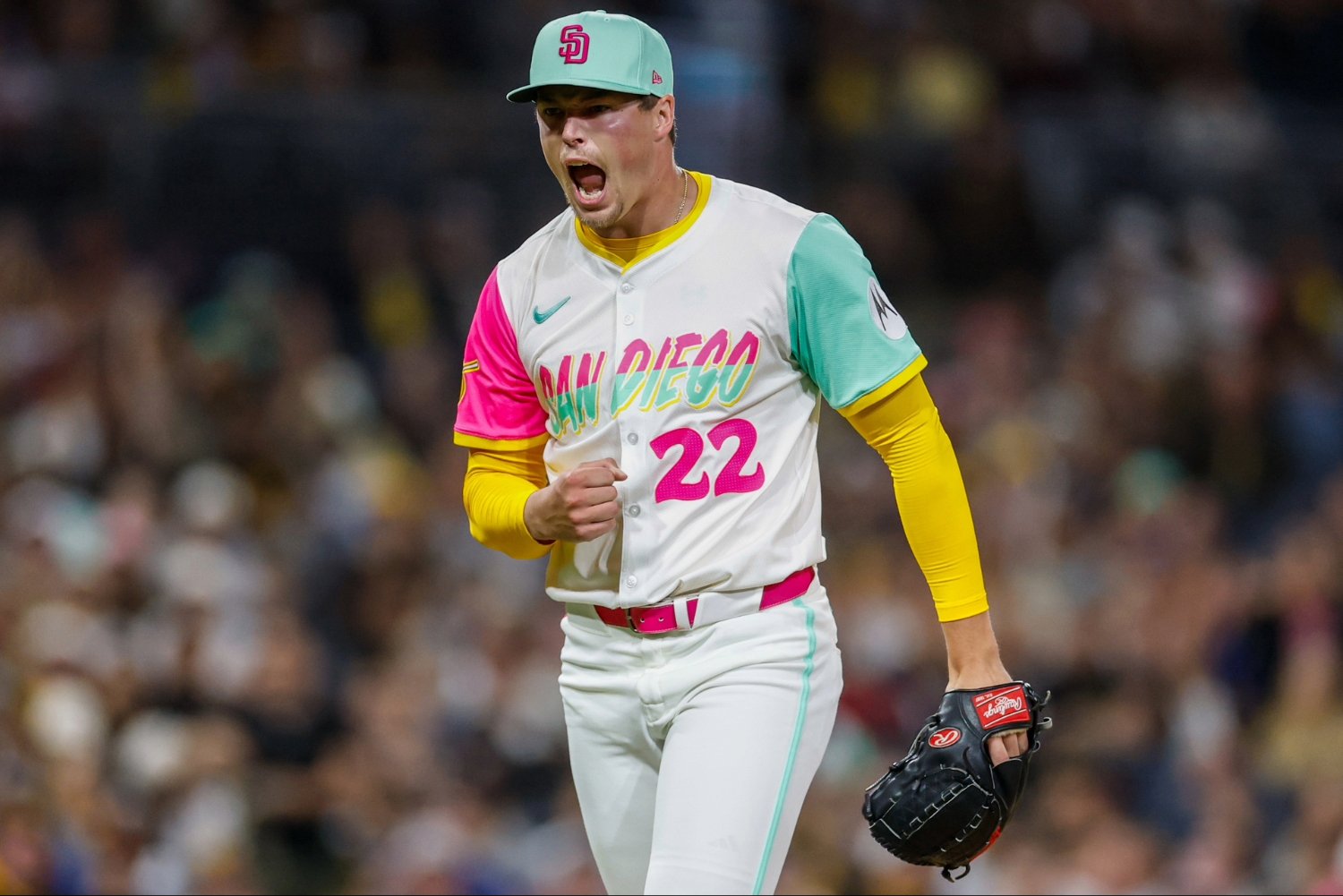 We know the San Diego Padres had a great bullpen in 2025. Their relief corps featured three All-Stars, and that was before trading for Athletics' closer Mason Miller. Their collective ERA of 3.06 was the best in MLB by a mile. Boston's pen was the next best, at 3.41. How good was each hurler individually? Let's grade them and see how they did. Jason Adam: A+ What Jason Adam has brought to the Padres' bullpen over the past two years cannot be overstated. Since 2022, Adam might be the most dominant non-closer in the league. He was at the peak of his game in 2025, appearing in 65 games and pitching to a 1.93 ERA (a 222 ERA+)! He also won a career-high eight games and was worth 2.4 bWAR. His advanced metrics were also impressive. Adam's pitching run value ranked in the 81st percentile, while his Whiff rate ranked in the 94th percentile. His xBA against was .200, in the 95th percentile. Simply put, he was incredible. San Diego missed him badly down the stretch run. It will be interesting to see how San Diego uses Adam in 2026. With Robert Suarez likely out of the building next year, Adam will be a candidate for the closer role, especially if the team plans to convert Miller into a starter. However, Adam has proven his ability as an elite set-up man, so perhaps San Diego will follow the old, "if it ain't broke, don't fix it," mantra and keep him in the eighth inning role. Adrian Morejon: A+ It has been fun to finally watch Morejon break out. At 26, Morejon was named to his first All-Star game. The lefty was incredible all season. He appeared in 75 games and put up a win-loss record that looked like an elite starter (13-6). Despite the six losses awarded to Morejon, he earns an A+ grade. He finished the year with an ERA+ of 206, a WHIP of 0.896, and 2.4 bWAR. Morejon made his mark this year by limiting hard contact. Batters hit for an average exit velocity of 85.9 MPH against him, which put him in the 98th percentile for average exit velocity allowed. Batters only barreled him up 4% of the time, putting him in the 97th percentile for barrel-rate allowed. And their hard-hit rate against Morejon was just 30.7%, placing Morejon in the 99th percentile. It's hard to draw up a better season. Robert Suarez: A It feels weird saying Suarez was the third-best reliever on the team in 2025, but that's how good Adam and Morejon were. That should not take away from Suarez, who himself had another fantastic season and was named to his second All-Star game. Suarez led the NL with 40 saves, finishing with a 2.88 FIP and 144 ERA+. His fastball continued to be his bread and butter in 2025, ranking in the 97th percentile for both fastball run value and fastball velocity. Mason Miller: A Miller really would have been the best Padres reliever if he had been there all season. In just 22 games with San Diego, he was worth 1.4 bWAR. He only threw 23 1/3 innings. Over the course of a full season (roughly 70 innings for a reliever), he would have been pacing for 6.0 bWAR, which may have been among the best relief seasons of all time. Perhaps that's what the team can expect from him in 2026 and beyond. Even just focusing on this year, though, Miller was still electric. His ERA+ as a Padre was 562, with his FIP at a team-low 1.12 and his WHIP at a team-low 0.729. The 27-year-old ranked in the 100th percentile in five categories on Baseball Savant. That included his Breaking Run Value, his Fastball Velocity, his xBA against, his WHIFF%, and his K%. He was averaging nearly two punch-outs per inning with the Padres (he struck out 45 in 23.1 innings). Miller's secret sauce is his ability to throw one of the hardest fastballs in the league (averaging 101.2 MPH) while also throwing one of the best breaking balls in the league. Put together, he's almost unhittable. He'll likely either join the rotation next spring or take over as San Diego's closer. David Morgan: A- Do dominant relievers grow on trees in San Diego? Morgan, at 25, came to San Diego at the end of May and was one of their top relief arms the rest of the way. He appeared in 41 games, allowing 14 runs in 47 innings. His final stat line included an ERA+ of 161, a FIP at 3.71, and 1.2 bWAR. The underlying metrics indicate there may be some regression for Morgan in 2026, as he only ranked in the top 20% in one metric, his Fastball Velocity. Still, he has room to grow and benefits from being part of an already stacked bullpen, so he won't have to pitch in too many high-leverage situations until he is ready (which he already might be). Wandy Peralta: B+ Losing Peralta to free agency this season will be an underrated loss. It's guys like Peralta that most teams are looking for: middle-relievers capable of pitching well most of the time, and stepping up in high-leverage situations if needed. Peralta appeared in 71 games and had a 137 ERA+ with a 3.62 FIP. While his numbers may not have been elite, he was a workhorse innings eater and finished with a 6-1 record, meaning he hardly blew any leads. He limited hard contact and was among the best in the league at inducing ground balls. He finished the year with a 59.6% ground ball rate, ranking in the 97th percentile. Jeremiah Estrada: B+ Estrada followed up his breakout 2024 campaign with another good season in 2025. While he might not have been as dominant, San Diego didn't need him to be, with the stacked group of guys already noted. What the Padres did need from him was innings, which he gave them in spades. He led the team with 77 appearances and completed 73 innings, finishing with a 124 ERA+ and a 1.164 WHIP. Estrada's advanced metrics were even better than the stats. His xERA of 2.78 was significantly lower than his actual ERA of 3.45. He ranked in the 98th percentile in K%, the 96th percentile in Whiff%, and the 93rd percentile in Chase%. If this is what a "ho-hum" season from Estrada looks like, it's tantalizing to imagine what is to come. Yuki Matsui: B For the second-straight year, Matsui did exactly what the Padres needed him to be, which was a solid left-handed reliever. While he was not their top lefty in the pen, Matsui contributed 63 innings with a 108 ERA+. Despite not throwing the ball very hard, Matsui made batters miss with his breaking ball, which ranked in the 73rd percentile for breaking run value. Alek Jacob: D Jacob was the only Padres' reliever with more than 20 relief appearances to finish with an ERA+ below 108 (his ERA+ landed at just 84). In 33.1 innings, he was worth -0.2 bWAR. He does have solid underlying metrics in a limited sample size, with elite extension ranking in the 97th percentile. He also limited hard hits and barrel rate, indicating he will probably get another shot with San Diego next year, though he'll have to scratch and claw to earn anything besides mop-up duty among this loaded group.
 -
Major League Baseball is implementing the challenge system in 2026. Many fans are happy, believing their team will no longer be screwed by bad umpires making horrible calls. It’s true that there have been bad umpires in the MLB, notably Angel Hernandez, who was known for having one of the largest strike zones. It’s true that a computer, or robo-ump, would probably do a better job calling an objective strike zone. However, the challenge system is a bad idea. Here’s why. First, the challenge system will muddy the waters further between what the strike zone actually is. There really should not be a universal strike zone. That’s because it depends on the height of the batter. Aaron Judge (6-foot, 7-inches) and Jose Altuve (5-foot, 6-inches) should not have the same strike zone. A strike at the upper end of the zone to Judge would be a ball to Altuve. A strike at the lower end of the zone to Altuve would be a ball to Judge. The robo-umps do account for the height difference, but it’s judged by a computer. The top of the zone is 53.3% of a player’s height, and the bottom is 27% of a player's height. That doesn’t just mean the zone would be different for Judge and Altuve. It means that Judge’s strike zone is significantly larger than Altuve’s. Judge stands 13 inches above Altuve, nearly 20% taller. That means, effectively, Judge’s strike zone would be 20% larger than Aluve’s. Does this really make sense? Even if the computer’s strike zone is perfect, it’s a bad idea. Catcher framing is a significant part of the sport. Catchers spend years trying to perfect the art of framing pitches in the zone to help their starters get more called strikes. Implementing the ABS system makes catcher framing a lost art and removes a significant part of what catchers do from their skill set. While the ABS system currently only allows teams to challenge calls, it has begun the more concerning slippery slope to full robotic umpires. In 2026, the batter or pitcher must challenge the umpire’s call if they believe it to be incorrect. If it is incorrect, the call is overturned, and the team keeps their challenge. If the call stands, the team loses their challenge, and if they lose two challenges, they can no longer challenge any more pitches in the game. That makes some sense, though it could lead teams to save their challenges for late-inning, crucial moments. This allows for human umpires to remain a part of the game, even if their most crucial calls can now be overturned. In this way, you could say it’s no different from the challenge system on scoring plays or steals, which allows teams to challenge if a runner is safe when the umpire calls him out. However, this is a slippery slope the league is engaging in. Already, in Triple-A, the full ABS system was used three days a week last week. How much longer until the full ABS system is also implemented in the MLB, and the need for human umpires all but vanishes? The MLB says it prefers the challenge system, but if that’s the case, why test the full ABS implementation in the minor leagues? It feels like it is only a matter of time before every pitch is being called by robo-umps. It will be a sad day for the game of baseball when it comes to fruition. Umpires have always been a part of a sport. It keeps a human element of the game intact and adds strategy when planning for a game, as certain umpires have individually unique strike zones. In the same way that every stadium is slightly different, every umpire is slightly different in the way he calls balls and strikes. That’s not a bad thing. Baseball is not the NFL, where every field is exactly the same, every play reviewed by a committee in New York. There’s something unique about the way every baseball game is a little different. Robo-umps would take away that individual, human element of the game, and make it boring. Plus, there would be nobody for fans to yell at and blame when their team is losing. There’s nothing that unites a fanbase better than an umpire who they believe is hurting their team. It’s a common fan experience to collectively yell at the home plate umpire after a player strikes out looking. Who are they going to yell at now? The computer? I say keep the game pure, and don’t mess around with robo-umps View full article
-
Here's Why I Am Opposed To The Automatic Ball-Strike Challenge System
Andy Johnson posted an article in Padres
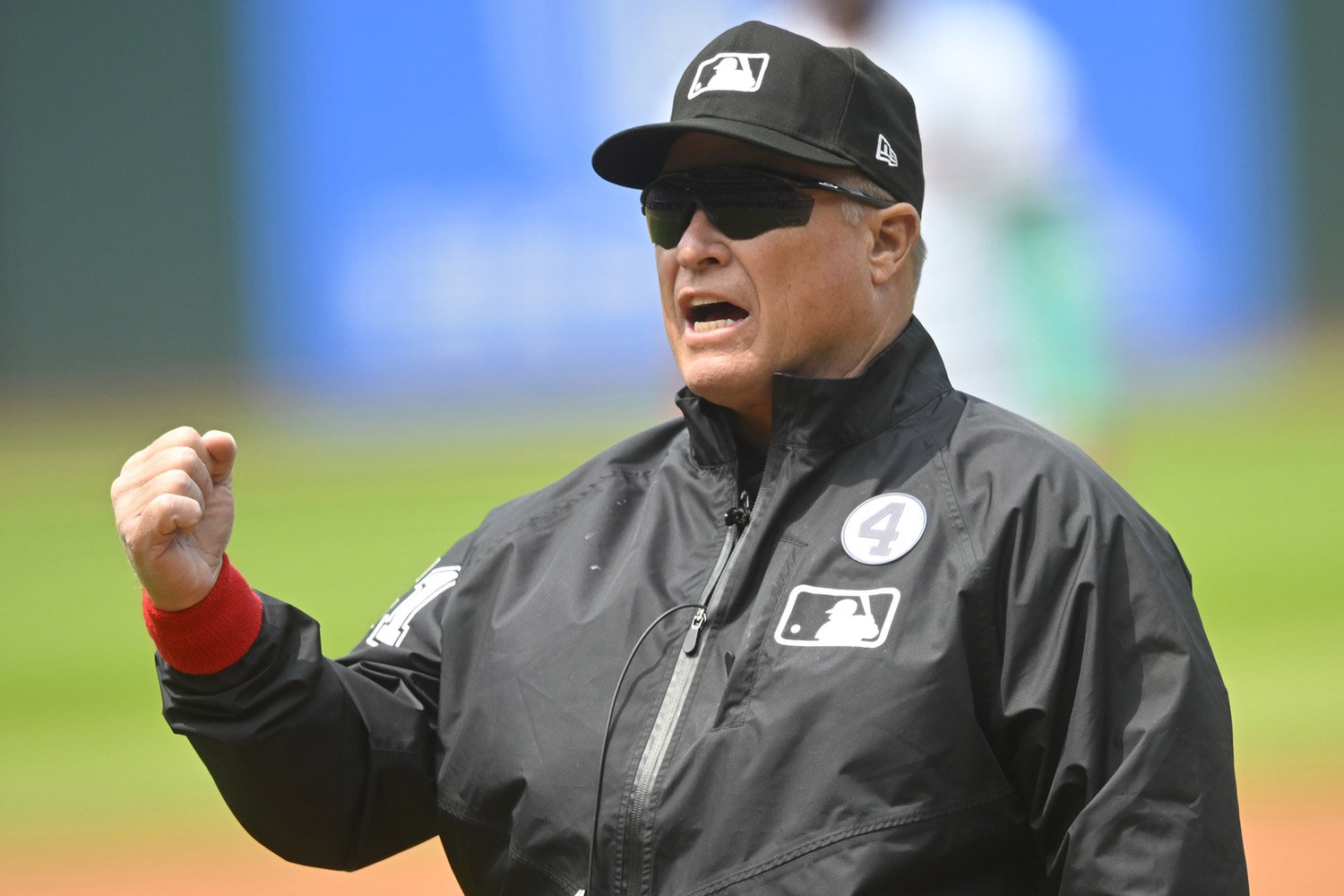 Major League Baseball is implementing the challenge system in 2026. Many fans are happy, believing their team will no longer be screwed by bad umpires making horrible calls. It’s true that there have been bad umpires in the MLB, notably Angel Hernandez, who was known for having one of the largest strike zones. It’s true that a computer, or robo-ump, would probably do a better job calling an objective strike zone. However, the challenge system is a bad idea. Here’s why. First, the challenge system will muddy the waters further between what the strike zone actually is. There really should not be a universal strike zone. That’s because it depends on the height of the batter. Aaron Judge (6-foot, 7-inches) and Jose Altuve (5-foot, 6-inches) should not have the same strike zone. A strike at the upper end of the zone to Judge would be a ball to Altuve. A strike at the lower end of the zone to Altuve would be a ball to Judge. The robo-umps do account for the height difference, but it’s judged by a computer. The top of the zone is 53.3% of a player’s height, and the bottom is 27% of a player's height. That doesn’t just mean the zone would be different for Judge and Altuve. It means that Judge’s strike zone is significantly larger than Altuve’s. Judge stands 13 inches above Altuve, nearly 20% taller. That means, effectively, Judge’s strike zone would be 20% larger than Aluve’s. Does this really make sense? Even if the computer’s strike zone is perfect, it’s a bad idea. Catcher framing is a significant part of the sport. Catchers spend years trying to perfect the art of framing pitches in the zone to help their starters get more called strikes. Implementing the ABS system makes catcher framing a lost art and removes a significant part of what catchers do from their skill set. While the ABS system currently only allows teams to challenge calls, it has begun the more concerning slippery slope to full robotic umpires. In 2026, the batter or pitcher must challenge the umpire’s call if they believe it to be incorrect. If it is incorrect, the call is overturned, and the team keeps their challenge. If the call stands, the team loses their challenge, and if they lose two challenges, they can no longer challenge any more pitches in the game. That makes some sense, though it could lead teams to save their challenges for late-inning, crucial moments. This allows for human umpires to remain a part of the game, even if their most crucial calls can now be overturned. In this way, you could say it’s no different from the challenge system on scoring plays or steals, which allows teams to challenge if a runner is safe when the umpire calls him out. However, this is a slippery slope the league is engaging in. Already, in Triple-A, the full ABS system was used three days a week last week. How much longer until the full ABS system is also implemented in the MLB, and the need for human umpires all but vanishes? The MLB says it prefers the challenge system, but if that’s the case, why test the full ABS implementation in the minor leagues? It feels like it is only a matter of time before every pitch is being called by robo-umps. It will be a sad day for the game of baseball when it comes to fruition. Umpires have always been a part of a sport. It keeps a human element of the game intact and adds strategy when planning for a game, as certain umpires have individually unique strike zones. In the same way that every stadium is slightly different, every umpire is slightly different in the way he calls balls and strikes. That’s not a bad thing. Baseball is not the NFL, where every field is exactly the same, every play reviewed by a committee in New York. There’s something unique about the way every baseball game is a little different. Robo-umps would take away that individual, human element of the game, and make it boring. Plus, there would be nobody for fans to yell at and blame when their team is losing. There’s nothing that unites a fanbase better than an umpire who they believe is hurting their team. It’s a common fan experience to collectively yell at the home plate umpire after a player strikes out looking. Who are they going to yell at now? The computer? I say keep the game pure, and don’t mess around with robo-umps
 -
The San Diego Padres may not have had a record-setting season on the field, but their fans had another season for the record books. Petco Park sold 72 out of its 81 home games, a new record in 2025. In total, San Diego brought in 3,437,201 fans in 2025, breaking their record previously set in 2024. The Padres claim it's the best home-field advantage in baseball, and it's almost true. San Diego won 52 games at home, going 52-29 at Petco Park. Only Toronto (54) and Philadelphia (55) won more at home. The Dodgers and Brewers matched the Padres with a 52-29 home record. What does playing at home do for San Diego? Why does it provide such an advantage? Part of it, surely, is the fanbase. Having such a devoted group of faithfuls is part of what makes the Padres such a special team. San Diego lost its football team, and doesn't have a basketball team or a top-tier University in the area. The Padres are the only major sports team in the city, and it's clear the city will always support them. Fans clearly love coming out to Petco, and not just for the baseball. In March, Sports Illustrated ranked Petco as the fifth-best ballpark in all of baseball, and there are some fans who probably rank it even higher than that. Its proximity to the beach, the waterfront, and downtown makes it one of the most enjoyable atmospheres in the game. Still, at the end of the day, the fans are there to support the baseball team, and they deserve a team that will win, both in the regular season and in the playoffs. They deserve a team that is capable of posting a winning record on the road, something the Padres have only done four times since 2008 (in 2010, 2020, 2022, and 2024). The point is, as fun as San Diego has been in the past seven years with Fernando Tatis Jr. and Manny Machado leading the way, these fans deserve more. They deserve a championship. The Padres need to deliver soon, or else eventually, the fans could turn on them. It's incredible what the Padres have been able to do in the past half-decade or so, bringing in record numbers of fans, but it was not that long ago when San Diego was barely bringing in over 2 million fans per season. Between 2009 and 2014, San Diego never reached more than 2.19 million fans over the year. The lesson: keep winning, or the fans could stop supporting the team altogether. It's happened before. The good news for the Padres is that the core is in place. Tatis, Machado, Jackson Merrill, & Jake Cronenworth are a solid core group to build a lineup from, and the bullpen is full of controllable pieces, led by recently-acquired flamethrower Mason Miller. The bad news is that the team has been coming up short, again and again. In 2022, 2024, and 2025, the team has suffered heartbreaking playoff losses. How can they avoid another heartbreak in 2026? How many more heartbreaking playoff losses can this fanbase take before they give up? It's clear the fanbase spirit is not broken yet. The city was faithful as ever in 2025, even after their 2024 postseason letdown. Still, the organization should not take their support for granted. It is time to deliver the fanbase what they are dreaming of: A World Series championship. The Padres need to keep their foot and the gas and attack this offseason like they've never attacked one before. Bring in the supporting cast to uplift their superstars. Add to their depth, to make sure their back-third of the lineup is not a complete black hole every night, like it sometimes felt in 2025. San Diego is capable of it, and the fans are ready to see it. They broke records in 2025; an even better team in 2026 could further up the ante. View full article
-
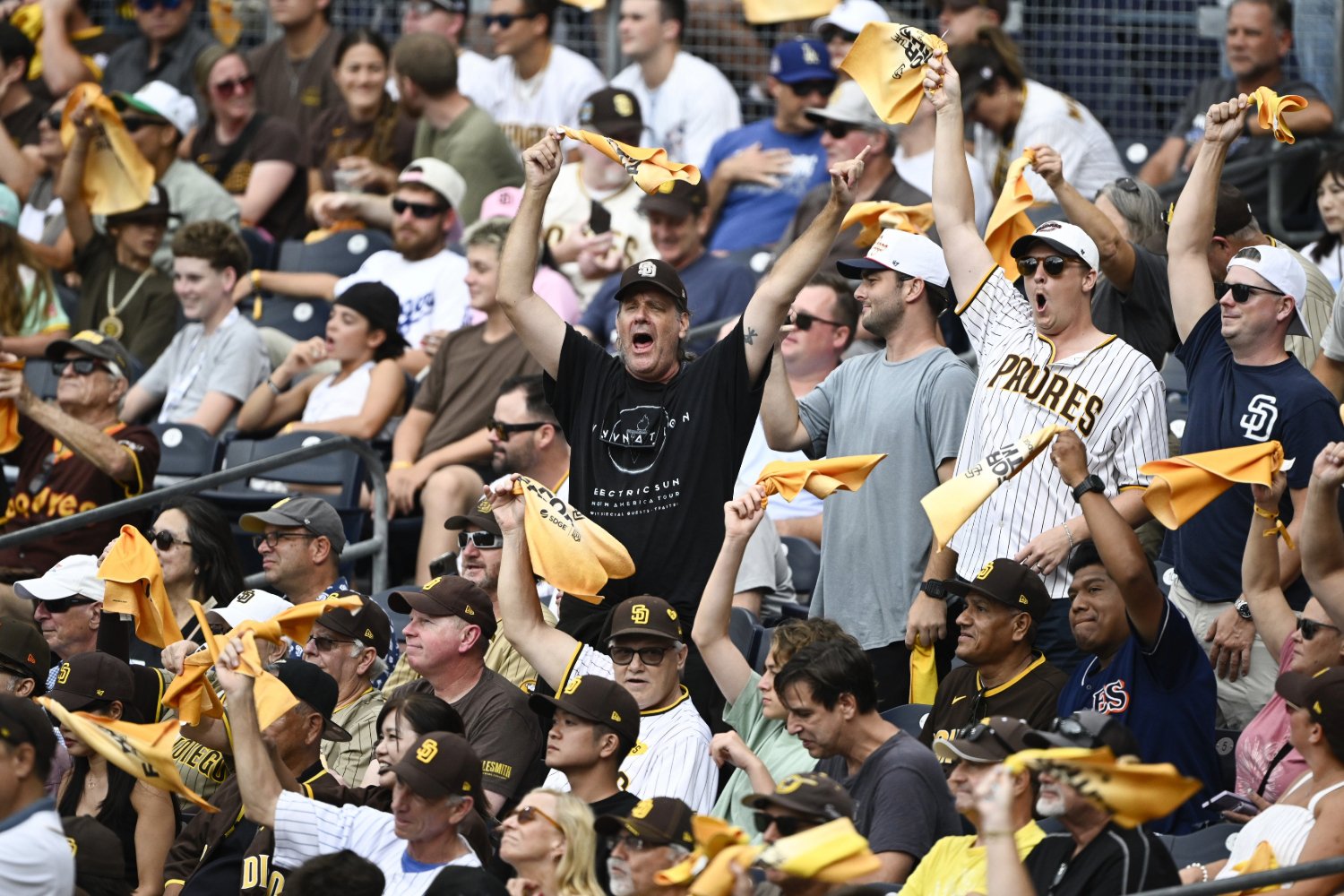 The San Diego Padres may not have had a record-setting season on the field, but their fans had another season for the record books. Petco Park sold 72 out of its 81 home games, a new record in 2025. In total, San Diego brought in 3,437,201 fans in 2025, breaking their record previously set in 2024. The Padres claim it's the best home-field advantage in baseball, and it's almost true. San Diego won 52 games at home, going 52-29 at Petco Park. Only Toronto (54) and Philadelphia (55) won more at home. The Dodgers and Brewers matched the Padres with a 52-29 home record. What does playing at home do for San Diego? Why does it provide such an advantage? Part of it, surely, is the fanbase. Having such a devoted group of faithfuls is part of what makes the Padres such a special team. San Diego lost its football team, and doesn't have a basketball team or a top-tier University in the area. The Padres are the only major sports team in the city, and it's clear the city will always support them. Fans clearly love coming out to Petco, and not just for the baseball. In March, Sports Illustrated ranked Petco as the fifth-best ballpark in all of baseball, and there are some fans who probably rank it even higher than that. Its proximity to the beach, the waterfront, and downtown makes it one of the most enjoyable atmospheres in the game. Still, at the end of the day, the fans are there to support the baseball team, and they deserve a team that will win, both in the regular season and in the playoffs. They deserve a team that is capable of posting a winning record on the road, something the Padres have only done four times since 2008 (in 2010, 2020, 2022, and 2024). The point is, as fun as San Diego has been in the past seven years with Fernando Tatis Jr. and Manny Machado leading the way, these fans deserve more. They deserve a championship. The Padres need to deliver soon, or else eventually, the fans could turn on them. It's incredible what the Padres have been able to do in the past half-decade or so, bringing in record numbers of fans, but it was not that long ago when San Diego was barely bringing in over 2 million fans per season. Between 2009 and 2014, San Diego never reached more than 2.19 million fans over the year. The lesson: keep winning, or the fans could stop supporting the team altogether. It's happened before. The good news for the Padres is that the core is in place. Tatis, Machado, Jackson Merrill, & Jake Cronenworth are a solid core group to build a lineup from, and the bullpen is full of controllable pieces, led by recently-acquired flamethrower Mason Miller. The bad news is that the team has been coming up short, again and again. In 2022, 2024, and 2025, the team has suffered heartbreaking playoff losses. How can they avoid another heartbreak in 2026? How many more heartbreaking playoff losses can this fanbase take before they give up? It's clear the fanbase spirit is not broken yet. The city was faithful as ever in 2025, even after their 2024 postseason letdown. Still, the organization should not take their support for granted. It is time to deliver the fanbase what they are dreaming of: A World Series championship. The Padres need to keep their foot and the gas and attack this offseason like they've never attacked one before. Bring in the supporting cast to uplift their superstars. Add to their depth, to make sure their back-third of the lineup is not a complete black hole every night, like it sometimes felt in 2025. San Diego is capable of it, and the fans are ready to see it. They broke records in 2025; an even better team in 2026 could further up the ante.
 -
After Mike Shildt's surprise retirement, the San Diego Padres are once again on the hunt for a new manager. There are already potential names being thrown around, but there is one in particular that the Padres should stay away from. San Diego Union-Tribune Reporter Armando Duenas listed the following candidates: Ruben Niebla, Scott Servais, Benji Gil, Bruce Bochy, Mark Loretta, Ryan Flaherty, and Ron Washington. Out of that group, one in particular stands out as a particular intriguing name: Scott Servais. The Padres' current assistant coach and former manager of the Seattle Mariners, would be an obvious choice to be the next Padres' manager, right? He's already in the building and on the staff. He's worked with the players in the organization, and he's a natural leader. He led the Mariners for eight and two-thirds seasons, from 2016 until his dismissal in August of 2024, and was generally quite successful in Seattle. Servais led Seattle to five winning seasons and posted a winning record overall in his time there. Among the other four seasons, he was 64-64 at the time he was let go in 2024. One of his losing years was 2020, the COVID-shortened season in which the team went 27-33 in 60 games. Another of his losing years, 2019, came off the heels of an off-season in which the Mariners front office traded away Robinson Cano, Edwin Diaz, James Paxton, Jean Segura, and Mike Zunino, while letting slugger Nelson Cruz and outfielder Denard Span walk in free agency. Losing seven of the team's best players from the previous season was a death sentence to the 2019 Mariners, who won just 68 games in a rebuild year. Can you blame that on Servais? His only other losing season was in 2017, his second season with the team, during which he won 78 games. At first glance, Servais looks like a great choice. Winning record in Seattle, five winning seasons, and he even led the Mariners to the postseason for the first time since 2001, when he guided the team into the Wild Card, and then to the ALDS, in 2022. However, his big-picture results, combined with the Mariners' 2025 results, tell another story. Servais only made the postseason once, despite having some very good Mariners teams under his control. He had All-Star talent all around the field, with Cano, Cruz, and Segura joined by homegrown All-Stars Zunino, Kyle Seager, and Mitch Haniger on offense in his early years as manager. After a couple of years of rebuilding, his offense soon featured more homegrown stars, such as Julio Rodriguez, Cal Raleigh and J.P. Crawford, in addition to bats like Teoscar Hernandez, Eugenio Suarez, Ty France, and Jesse Winker. His pitching staffs were equally full of talent. When he arrived, Seattle already had a rotation with Felix Hernandez, and budding youngsters James Paxton and Taijuan Walker. By the time he was fired, the Mariners had arguably the best rotation in the league, featuring Luis Castillo, Logan Gilbert, George Kirby, Bryce Miller, and Bryan Woo. And yet, he only made the playoffs once. In 2016, the Mariners ranked eighth in team OPS, third in home runs, and sixth in runs scored. They also ranked eighth in team ERA, and allowed the tenth-fewest earned runs in baseball. With a top-ten offense and top-ten rotation, they missed the playoffs. In 2018, the Mariners looked on pace to break their postseason drought, but fell apart in July. On July 1, the Mariners had an eight-game lead over the Athletics for the No. 5 seed, but by the end of the season, they trailed Oakland by eight games. In 2023, the Mariners missed the postseason despite having an elite rotation. They allowed the third-fewest runs in all of baseball, and scored the 12th most runs. Yet they missed the playoffs by one game. Again, in 2024, Servais was fired with a 64-64 record. That team had the best ERA in the league and finished 12th in runs scored, but again, missed the playoffs by a game. The point is, while the overall record looks nice, and his proximity to San Diego makes him an easy candidate, the Padres should stay away from Servais. He consistently underperformed with talented rosters. He probably should have made the postseason at least three times, and there's an argument he should have gotten them there as many as five times. Servais could probably pilot the Padres to another 90-win season next year, which would be a lock for yet another Wild Card. But if San Diego is serious about winning the division and winning a World Series, hiring a manager with a history of underperforming will not be the smart move. Just look at the 2025 Mariners. In their first season without Servais, the team (with essentially the same roster as 2024), won the AL West for the first time since 2001, and is now playing in the ALCS. It seems pretty clear that Servais wasn't getting the most out of his players. If San Diego does not want to be held back, they should not hire Scott Servais to be their next manager. View full article
-
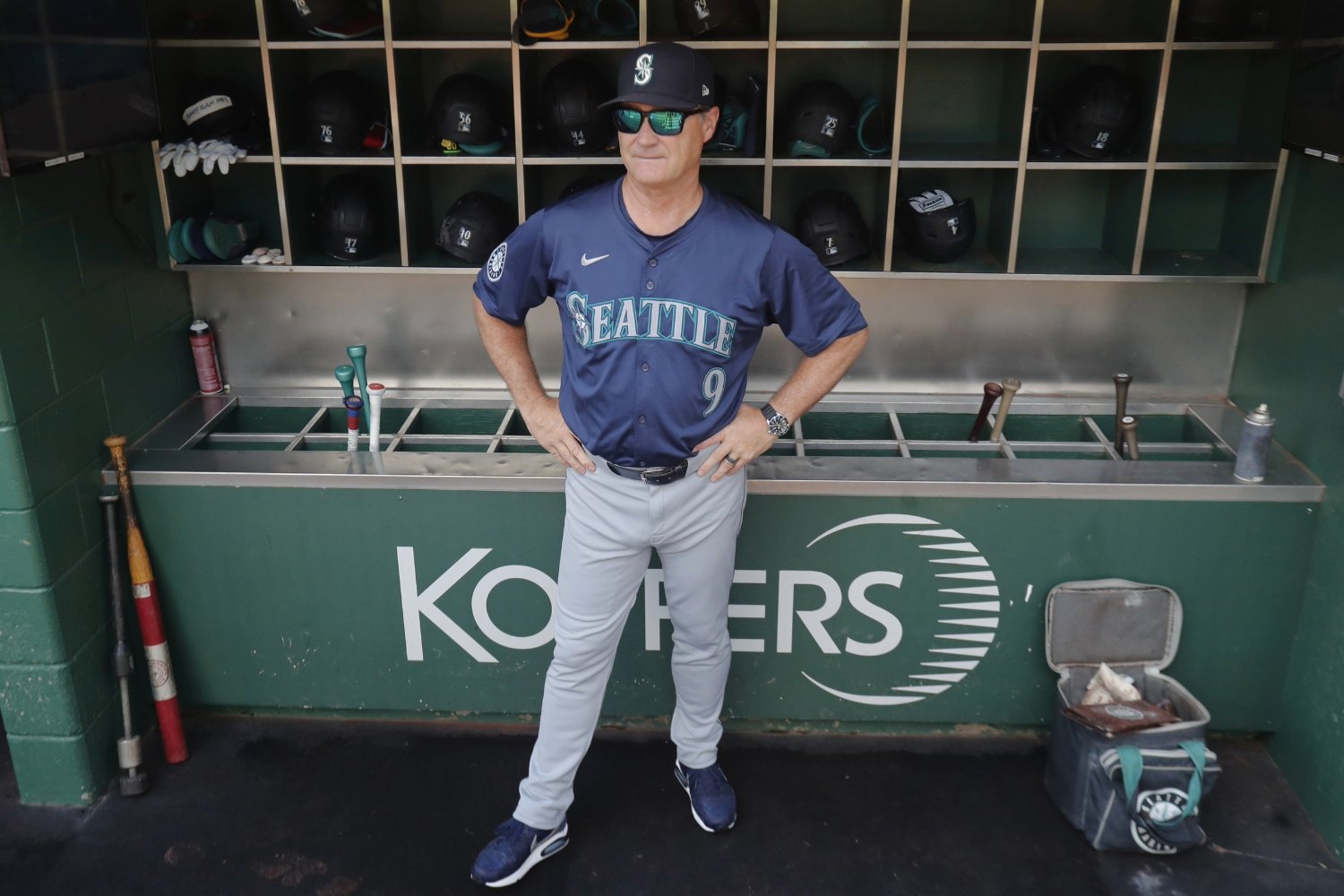 After Mike Shildt's surprise retirement, the San Diego Padres are once again on the hunt for a new manager. There are already potential names being thrown around, but there is one in particular that the Padres should stay away from. San Diego Union-Tribune Reporter Armando Duenas listed the following candidates: Ruben Niebla, Scott Servais, Benji Gil, Bruce Bochy, Mark Loretta, Ryan Flaherty, and Ron Washington. Out of that group, one in particular stands out as a particular intriguing name: Scott Servais. The Padres' current assistant coach and former manager of the Seattle Mariners, would be an obvious choice to be the next Padres' manager, right? He's already in the building and on the staff. He's worked with the players in the organization, and he's a natural leader. He led the Mariners for eight and two-thirds seasons, from 2016 until his dismissal in August of 2024, and was generally quite successful in Seattle. Servais led Seattle to five winning seasons and posted a winning record overall in his time there. Among the other four seasons, he was 64-64 at the time he was let go in 2024. One of his losing years was 2020, the COVID-shortened season in which the team went 27-33 in 60 games. Another of his losing years, 2019, came off the heels of an off-season in which the Mariners front office traded away Robinson Cano, Edwin Diaz, James Paxton, Jean Segura, and Mike Zunino, while letting slugger Nelson Cruz and outfielder Denard Span walk in free agency. Losing seven of the team's best players from the previous season was a death sentence to the 2019 Mariners, who won just 68 games in a rebuild year. Can you blame that on Servais? His only other losing season was in 2017, his second season with the team, during which he won 78 games. At first glance, Servais looks like a great choice. Winning record in Seattle, five winning seasons, and he even led the Mariners to the postseason for the first time since 2001, when he guided the team into the Wild Card, and then to the ALDS, in 2022. However, his big-picture results, combined with the Mariners' 2025 results, tell another story. Servais only made the postseason once, despite having some very good Mariners teams under his control. He had All-Star talent all around the field, with Cano, Cruz, and Segura joined by homegrown All-Stars Zunino, Kyle Seager, and Mitch Haniger on offense in his early years as manager. After a couple of years of rebuilding, his offense soon featured more homegrown stars, such as Julio Rodriguez, Cal Raleigh and J.P. Crawford, in addition to bats like Teoscar Hernandez, Eugenio Suarez, Ty France, and Jesse Winker. His pitching staffs were equally full of talent. When he arrived, Seattle already had a rotation with Felix Hernandez, and budding youngsters James Paxton and Taijuan Walker. By the time he was fired, the Mariners had arguably the best rotation in the league, featuring Luis Castillo, Logan Gilbert, George Kirby, Bryce Miller, and Bryan Woo. And yet, he only made the playoffs once. In 2016, the Mariners ranked eighth in team OPS, third in home runs, and sixth in runs scored. They also ranked eighth in team ERA, and allowed the tenth-fewest earned runs in baseball. With a top-ten offense and top-ten rotation, they missed the playoffs. In 2018, the Mariners looked on pace to break their postseason drought, but fell apart in July. On July 1, the Mariners had an eight-game lead over the Athletics for the No. 5 seed, but by the end of the season, they trailed Oakland by eight games. In 2023, the Mariners missed the postseason despite having an elite rotation. They allowed the third-fewest runs in all of baseball, and scored the 12th most runs. Yet they missed the playoffs by one game. Again, in 2024, Servais was fired with a 64-64 record. That team had the best ERA in the league and finished 12th in runs scored, but again, missed the playoffs by a game. The point is, while the overall record looks nice, and his proximity to San Diego makes him an easy candidate, the Padres should stay away from Servais. He consistently underperformed with talented rosters. He probably should have made the postseason at least three times, and there's an argument he should have gotten them there as many as five times. Servais could probably pilot the Padres to another 90-win season next year, which would be a lock for yet another Wild Card. But if San Diego is serious about winning the division and winning a World Series, hiring a manager with a history of underperforming will not be the smart move. Just look at the 2025 Mariners. In their first season without Servais, the team (with essentially the same roster as 2024), won the AL West for the first time since 2001, and is now playing in the ALCS. It seems pretty clear that Servais wasn't getting the most out of his players. If San Diego does not want to be held back, they should not hire Scott Servais to be their next manager.
 -
The San Diego Padres’ catcher carousel in 2025 ended up looking like a patchwork solution: a veteran stopgap in Martín Maldonado, an energetic trade-deadline pickup in Freddy Fermin, a backup with pop in Elias Díaz, and the organization’s former top high-rated prospect, Luis Campusano. Maldonado and Diaz began the season alternating games, replacing last year’s starter Kyle Higashioka, with Campusano playing sparingly and Fermin being added at the deadline. Freddy Fermin: Grade: B− After being acquired at the deadline from Kansas City, Fermin delivered the type of steady, below-the-radar offense the Padres were hoping for, hitting .251 with an OPS of .636. He did not hit for much power and did not walk enough to lift his OBP above .300, but he did add a contact bat to the lineup. He also brought energy and versatility to the position and was a clear upgrade over Maldonado. Those qualities were worth the small cost of two minor-league pitchers in the trade. Offensively, he didn’t change the club’s trajectory, but he stabilized the catching duties and gave San Diego a better mix of catchers down the stretch. Elias Díaz: Grade: D Díaz arrived with a reputation as a serviceable veteran who can flash power and handle a pitching staff. In 2025, he produced some of that pop, smashing nine home runs and 29 RBIs. However, his average and on-base numbers dipped into replacement-level territory (around .200 with an OPS near .607). Defensively, he remained sturdy enough to be trusted for starts, but the bat simply wasn’t consistent enough. San Diego thought they were getting the 2023 All-Star version of Diaz, but they instead got a declining version of him who could not even beat out the veteran Maldonado for the starting job. Martín Maldonado: Grade: F Maldonado was brought in to be a solid defensive backup catcher. He’s spent his entire career being a below-average bit with some of the best defense at the position, particularly at framing and working with pitching staffs. He opened the year on the big-league roster and delivered the occasional RBI and veteran moment, including a few homers, but his overall offensive slash line was tepid. He was ultimately designated for assignment and released in August as the Padres reshuffled around the deadline. It truthfully made no sense why Maldonado stuck around on the roster as long as he did. Luis Campusano: Grade: C− Campusano’s intrigue and potential have almost been completely worn out by San Diego. After years of being regarded as the club’s catcher of the future, he was relegated to third-string and mostly played in the minor leagues. He was hitless in an early stint (0-for-18) and spent time between Triple-A and the big club, where he showed more life in the minors than in the majors. Defensively, he’s still a work in progress, and the bat just has not developed the way anyone hoped it would. Campusano is quickly running out of opportunities, and it is hard to imagine the Padres would trust him to open the season on the big league roster in 2026. Overall grade for the group: D San Diego’s strategy at the position made no sense from the beginning. The team went cheap, attempting to squeeze value out of Diaz’s power and Maldonado’s defense. Neither Diaz nor Maldonado performed, and the Padres spent four months without a true starting catcher. Fermin was a solid trade deadline addition, but even he could not save San Diego’s catchers from a poor grade in 2025. What’s Next: With Freddy Fermin under contract through 2029, the Padres will likely go into 2026 with him as their starter. However, San Diego would be wise to target a high-upside backup and not be afraid to spend money to bring someone in. Campusano might never be ready, even to be the backup, and Ethan Salas is not ready yet. Long term, the plan is still for Salas to eventually take over as the starter, and when that does happen, possibly in 2027 or 2028, Fermin will be one of the top backup catchers in the league. Until Salas arrives, Fermin could use a solid backup to push him and protect him in case of injury. View full article
-
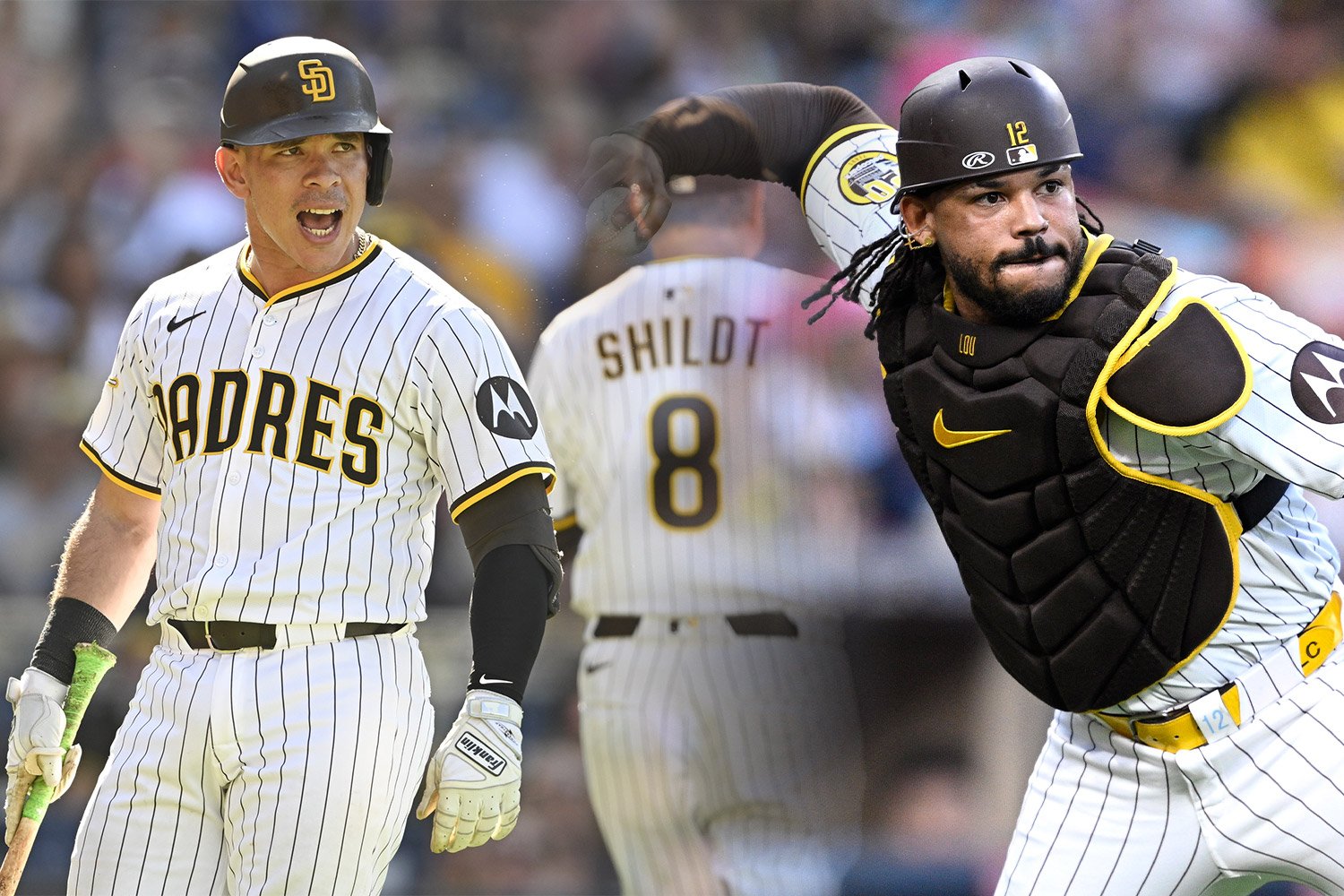 The San Diego Padres’ catcher carousel in 2025 ended up looking like a patchwork solution: a veteran stopgap in Martín Maldonado, an energetic trade-deadline pickup in Freddy Fermin, a backup with pop in Elias Díaz, and the organization’s former top high-rated prospect, Luis Campusano. Maldonado and Diaz began the season alternating games, replacing last year’s starter Kyle Higashioka, with Campusano playing sparingly and Fermin being added at the deadline. Freddy Fermin: Grade: B− After being acquired at the deadline from Kansas City, Fermin delivered the type of steady, below-the-radar offense the Padres were hoping for, hitting .251 with an OPS of .636. He did not hit for much power and did not walk enough to lift his OBP above .300, but he did add a contact bat to the lineup. He also brought energy and versatility to the position and was a clear upgrade over Maldonado. Those qualities were worth the small cost of two minor-league pitchers in the trade. Offensively, he didn’t change the club’s trajectory, but he stabilized the catching duties and gave San Diego a better mix of catchers down the stretch. Elias Díaz: Grade: D Díaz arrived with a reputation as a serviceable veteran who can flash power and handle a pitching staff. In 2025, he produced some of that pop, smashing nine home runs and 29 RBIs. However, his average and on-base numbers dipped into replacement-level territory (around .200 with an OPS near .607). Defensively, he remained sturdy enough to be trusted for starts, but the bat simply wasn’t consistent enough. San Diego thought they were getting the 2023 All-Star version of Diaz, but they instead got a declining version of him who could not even beat out the veteran Maldonado for the starting job. Martín Maldonado: Grade: F Maldonado was brought in to be a solid defensive backup catcher. He’s spent his entire career being a below-average bit with some of the best defense at the position, particularly at framing and working with pitching staffs. He opened the year on the big-league roster and delivered the occasional RBI and veteran moment, including a few homers, but his overall offensive slash line was tepid. He was ultimately designated for assignment and released in August as the Padres reshuffled around the deadline. It truthfully made no sense why Maldonado stuck around on the roster as long as he did. Luis Campusano: Grade: C− Campusano’s intrigue and potential have almost been completely worn out by San Diego. After years of being regarded as the club’s catcher of the future, he was relegated to third-string and mostly played in the minor leagues. He was hitless in an early stint (0-for-18) and spent time between Triple-A and the big club, where he showed more life in the minors than in the majors. Defensively, he’s still a work in progress, and the bat just has not developed the way anyone hoped it would. Campusano is quickly running out of opportunities, and it is hard to imagine the Padres would trust him to open the season on the big league roster in 2026. Overall grade for the group: D San Diego’s strategy at the position made no sense from the beginning. The team went cheap, attempting to squeeze value out of Diaz’s power and Maldonado’s defense. Neither Diaz nor Maldonado performed, and the Padres spent four months without a true starting catcher. Fermin was a solid trade deadline addition, but even he could not save San Diego’s catchers from a poor grade in 2025. What’s Next: With Freddy Fermin under contract through 2029, the Padres will likely go into 2026 with him as their starter. However, San Diego would be wise to target a high-upside backup and not be afraid to spend money to bring someone in. Campusano might never be ready, even to be the backup, and Ethan Salas is not ready yet. Long term, the plan is still for Salas to eventually take over as the starter, and when that does happen, possibly in 2027 or 2028, Fermin will be one of the top backup catchers in the league. Until Salas arrives, Fermin could use a solid backup to push him and protect him in case of injury.
 -
Manny Machado: A- Machado had a good season in 2025. If I were grading just based on the first half of the season, he would receive an A grade. However, his numbers did dip in the second half of the season. Machado finished with 4.1 bWAR and led the team with 159 games played. He was also the best power hitter on the team, leading the club with 33 doubles and 27 home runs. He posted a solid OPS+ of 118 and made his first All-Star game since 2022. At this point, Machado probably is not getting much better over his career. In the past three years, his OPS+ has been 113, 120, and 118. This is who he is. He’s a solid hitter who plays solid defense. Not a superstar, but as a team leader, he’s earned a good grade for the 2025 season. Luis Arraez: C Arraez had a down year by his standards in 2025. He posted 8.7 bWAR between 2022 and 2023, but managed just 1.3 bWAR in 2025. He led the national league in hits, with 181, but aside from his unique ability to make contact with every ball thrown his way, he did not excel in other areas. He posted a career-low .292 batting average, a career-low .327 OBP, and a career-low .392 slugging percentage. That led to his OPS+ dipping to 99, the lowest of his career. His defense at first base left plenty to be desired as well. Overall, not a great season for Arraez, who has probably played his way out of a big contract in 2026. Xander Bogaerts: C+ The Padres' shortstop was better in 2025 than he was in 2024, but still was not the superstar the Padres were expecting him to be when he first joined the team. He slashed .263/.328/.391, good for an OPS+ of 99. It’s the second straight year for Bogaerts posting an OPS+ below 100, which is definitely not what San Diego envisions when they signed him. He did manage 2.0 bWAR, which was mostly due to his above-average defense at shortstop. It appears that sliding Bogaerts back to shortstop was the right call for the Padres. Jake Cronenworth: B- Cronenworth had a solid year for the Padres, bouncing back after down seasons in 2023 and 2024. He put up an OPS+ of 108, his best mark since 2022 when he was an All-Star. Cronenworth is probably never going to replicate the 4.8 bWAR he produced in 2021 during his breakout year. Still, he is definitely capable of being a 3-WAR player, and he was playing at that pace for most of the season. He was worth 2.4 bWAR in 135 games. Cronenworth’s power numbers did take a hit, as he posted a career-low .377 slugging percentage. However, the underlying numbers appear fine, with his barrel rate of 6.2% just slightly below his career average of 6.6%. His hard-hit rate actually improved to 39%, his best since 2020 when he posted a 42.7% hard-hit rate as a rookie. Jose Iglesias: F Iglesias was simply bad in 2025, and it’s baffling the Padres kept him around for as long as they did. He was worth -0.7 bWAR, but despite that, San Diego gave him 112 games and 343 plate appearances. He posted a career-low 66 OPS+, and the underlying numbers were awful across the board. His average exit velocity of 84 MPH ranked in the 1st percentile among the MLB, and his 2% barrel rate ranked in the 4th percentile. His defense was no longer what it once was. Ryan O'Hearn: B The Padres' big acquisition at the trade deadline was All-Star first baseman and DH Ryan O’Hearn. O’Hearn was solid at the plate for the Padres, although his numbers did take a dip from his time in Baltimore. He was rocking a 136 OPS+ with the Orioles, but in San Diego, that fell to 105. Still, he did what he was asked to do, being an above-average bat in a Padres lineup that needed upgrades. Mason McCoy: F McCoy was called up to play a utility role and fill in when Xander Bogaerts went down with an injury. McCoy struggled in his 18 games with the big league club. He hit .136 and finished with an OPS+ of .29. While it’s unfair to judge McCoy for his struggles, it’s at least worth pointing out. The Padres need better depth pieces in 2026. Will Wagner: F Wagner, if it’s possible, was even less productive than McCoy in his 15-game stretch with the Padres. In 17 plate appearances, he managed just two singles and two walks. He finished the year with an OPS+ of 6. View full article
-
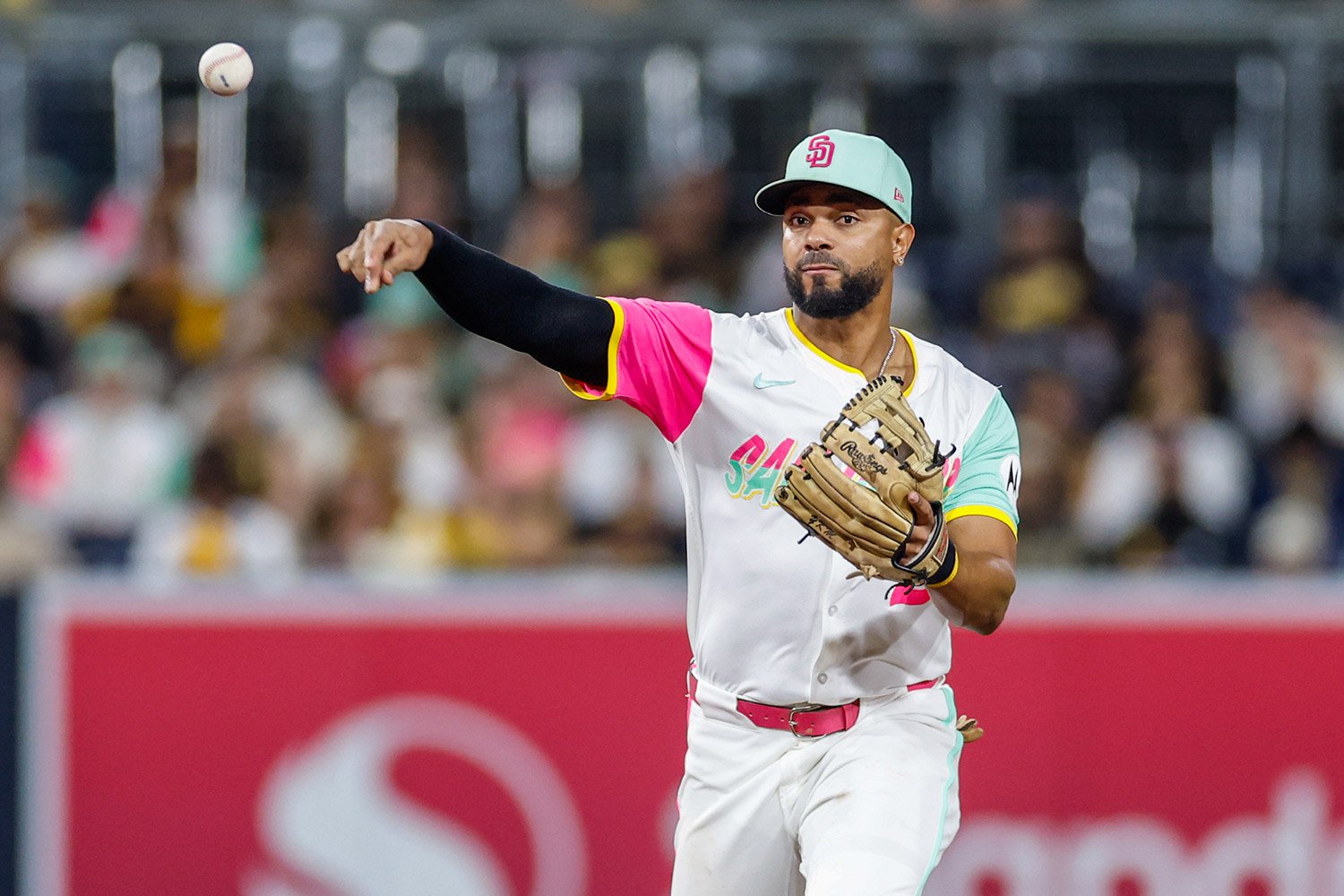 Manny Machado: A- Machado had a good season in 2025. If I were grading just based on the first half of the season, he would receive an A grade. However, his numbers did dip in the second half of the season. Machado finished with 4.1 bWAR and led the team with 159 games played. He was also the best power hitter on the team, leading the club with 33 doubles and 27 home runs. He posted a solid OPS+ of 118 and made his first All-Star game since 2022. At this point, Machado probably is not getting much better over his career. In the past three years, his OPS+ has been 113, 120, and 118. This is who he is. He’s a solid hitter who plays solid defense. Not a superstar, but as a team leader, he’s earned a good grade for the 2025 season. Luis Arraez: C Arraez had a down year by his standards in 2025. He posted 8.7 bWAR between 2022 and 2023, but managed just 1.3 bWAR in 2025. He led the national league in hits, with 181, but aside from his unique ability to make contact with every ball thrown his way, he did not excel in other areas. He posted a career-low .292 batting average, a career-low .327 OBP, and a career-low .392 slugging percentage. That led to his OPS+ dipping to 99, the lowest of his career. His defense at first base left plenty to be desired as well. Overall, not a great season for Arraez, who has probably played his way out of a big contract in 2026. Xander Bogaerts: C+ The Padres' shortstop was better in 2025 than he was in 2024, but still was not the superstar the Padres were expecting him to be when he first joined the team. He slashed .263/.328/.391, good for an OPS+ of 99. It’s the second straight year for Bogaerts posting an OPS+ below 100, which is definitely not what San Diego envisions when they signed him. He did manage 2.0 bWAR, which was mostly due to his above-average defense at shortstop. It appears that sliding Bogaerts back to shortstop was the right call for the Padres. Jake Cronenworth: B- Cronenworth had a solid year for the Padres, bouncing back after down seasons in 2023 and 2024. He put up an OPS+ of 108, his best mark since 2022 when he was an All-Star. Cronenworth is probably never going to replicate the 4.8 bWAR he produced in 2021 during his breakout year. Still, he is definitely capable of being a 3-WAR player, and he was playing at that pace for most of the season. He was worth 2.4 bWAR in 135 games. Cronenworth’s power numbers did take a hit, as he posted a career-low .377 slugging percentage. However, the underlying numbers appear fine, with his barrel rate of 6.2% just slightly below his career average of 6.6%. His hard-hit rate actually improved to 39%, his best since 2020 when he posted a 42.7% hard-hit rate as a rookie. Jose Iglesias: F Iglesias was simply bad in 2025, and it’s baffling the Padres kept him around for as long as they did. He was worth -0.7 bWAR, but despite that, San Diego gave him 112 games and 343 plate appearances. He posted a career-low 66 OPS+, and the underlying numbers were awful across the board. His average exit velocity of 84 MPH ranked in the 1st percentile among the MLB, and his 2% barrel rate ranked in the 4th percentile. His defense was no longer what it once was. Ryan O'Hearn: B The Padres' big acquisition at the trade deadline was All-Star first baseman and DH Ryan O’Hearn. O’Hearn was solid at the plate for the Padres, although his numbers did take a dip from his time in Baltimore. He was rocking a 136 OPS+ with the Orioles, but in San Diego, that fell to 105. Still, he did what he was asked to do, being an above-average bat in a Padres lineup that needed upgrades. Mason McCoy: F McCoy was called up to play a utility role and fill in when Xander Bogaerts went down with an injury. McCoy struggled in his 18 games with the big league club. He hit .136 and finished with an OPS+ of .29. While it’s unfair to judge McCoy for his struggles, it’s at least worth pointing out. The Padres need better depth pieces in 2026. Will Wagner: F Wagner, if it’s possible, was even less productive than McCoy in his 15-game stretch with the Padres. In 17 plate appearances, he managed just two singles and two walks. He finished the year with an OPS+ of 6.
 -
As it became clear the Padres would be headed to Wrigley Field to take on the Chicago Cubs in the NL Wild Card series, it always felt like an uphill battle awaited San Diego. The Cubs have been one of the best home teams in baseball all season, and the Padres' offense has been wildly inconsistent since the first pitch of Opening Day. Still, if San Diego's bats got hot at the right time, they could take down the Cubs, especially with how dominant the Padres' arms had been. Instead, San Diego's offense died on the north side of Chicago, leading to one of the most embarrassing Wild Card series losses since the playoffs expanded. The Padres scored a total of five runs in three games against the Cubs. They mustered just one run in Game 1, three in Game 2, and one in the pivotal Game 3. Because of their inability to score, the team is heading home to San Diego without a chance to host a home playoff game. Why couldn't they score? Were the Chicago Cubs and their ninth-ranked pitching staff (by ERA) that good? Or were the Padres' bats that bad? Let's break it down by the numbers. In 105 plate appearances, the Padres reached base 25 times, averaging less than one baserunner per inning. The issue is that the majority of those 25 baserunners didn't make it past first base. San Diego managed 11 singles, five walks, and two hit batters. Their extra-base hits were not timely enough. San Diego hit five doubles and two home runs, but that was only enough for five runs scored in total. Their team OPS was .548, their team batting average was .189, and their team BABIP was .216. To their credit, the Padres were at least making contact. They only struck out 20 times, compared to Chicago, which struck out 35 times. San Diego's offense struck out less than any other team in the Wild Card round that played three games (the Dodgers struck out 15 times, but only played two games). Looking deeper, there were definitely a few missed opportunities that may have come down to bad luck, and an extremely talented shortstop on the other side of the field. In Game 3, Manny Machado's first-inning lineout was the hardest hit ball of the game, and had an expected batting average of .790, according to Baseball Savant. It was one of six times that the Padres hit a ball with an xBA above .500 and got out. In the top of the fourth, Luis Arraez lined out to Dansby Swanson on a ball with an XBA of .680. If Arraez had hustled to first base, he likely would have beaten Swanson's throw and scored on Jackson Merrill's double later in the inning. Swanson also robbed the Padres of a pair of singles in the sixth inning, making great plays against Arraez and Xander Bogaerts. They hit hard groundballs with an xBA of .550 and .520, respectively. There was another crucial at-bat in the seventh inning, which saw Nico Hoerner rob Jose Iglesias of a single that could have scored Xander Bogaerts. Igelsias' lineout had an xBA of .560. The Cubs, on the other hand, reached base every time they hit a ball with an xBA over .400 in Game 3. It feels like a mixture of bad luck and incredible defense from the Cubs that sunk the Padres' offense in the final contest of the series. But what about their Game 1 loss? Incredibly, the same thing. In that first game, the Padres hit eight balls with an xBA of .490 or higher. Five were outs. The Cubs hit just two balls with an xBA of .490 or higher, and both were hits (one of which was a home run). Once again, a few of the Padres' robbed hits came in big spots, and once again, Dansby Swanson was the man to blame. In the second inning, with a runner on third and nobody out, Swanson robbed on a groundout hit 101.2 MPH and with a .490 xBA. If that ball gets through the infield, the Padres would have scored their second run of the day and had a runner on with nobody out. Instead, the Cubs retired the next two batters, and the Padres left the second inning with a 1-0 lead. Swanson robbed O'Hearn again in a crucial at-bat in the fourth inning. With runners on the corners and one out, O'Hearn popped up into the left-center field gap, a ball with an .840 xBA. Not on Swanson's watch. He made the catch, and the Cubs again got out of a jam unscathed. Swanson single-handedly saved multiple runs for the Cubs in both of those games, and was the biggest reason why San Diego's BABIP was so low in the series. While the offense certainly needed to do more, they deserve at least a little credit. They put the ball in play and got runners on the basepaths. They just continued to fall victim to a talented shortstop who was a magnet to the ball whenever it was hit his way. View full article
-
How Dansby Swanson Single-Handedly Stopped the Padres' Offense in NLWC
Andy Johnson posted an article in Padres
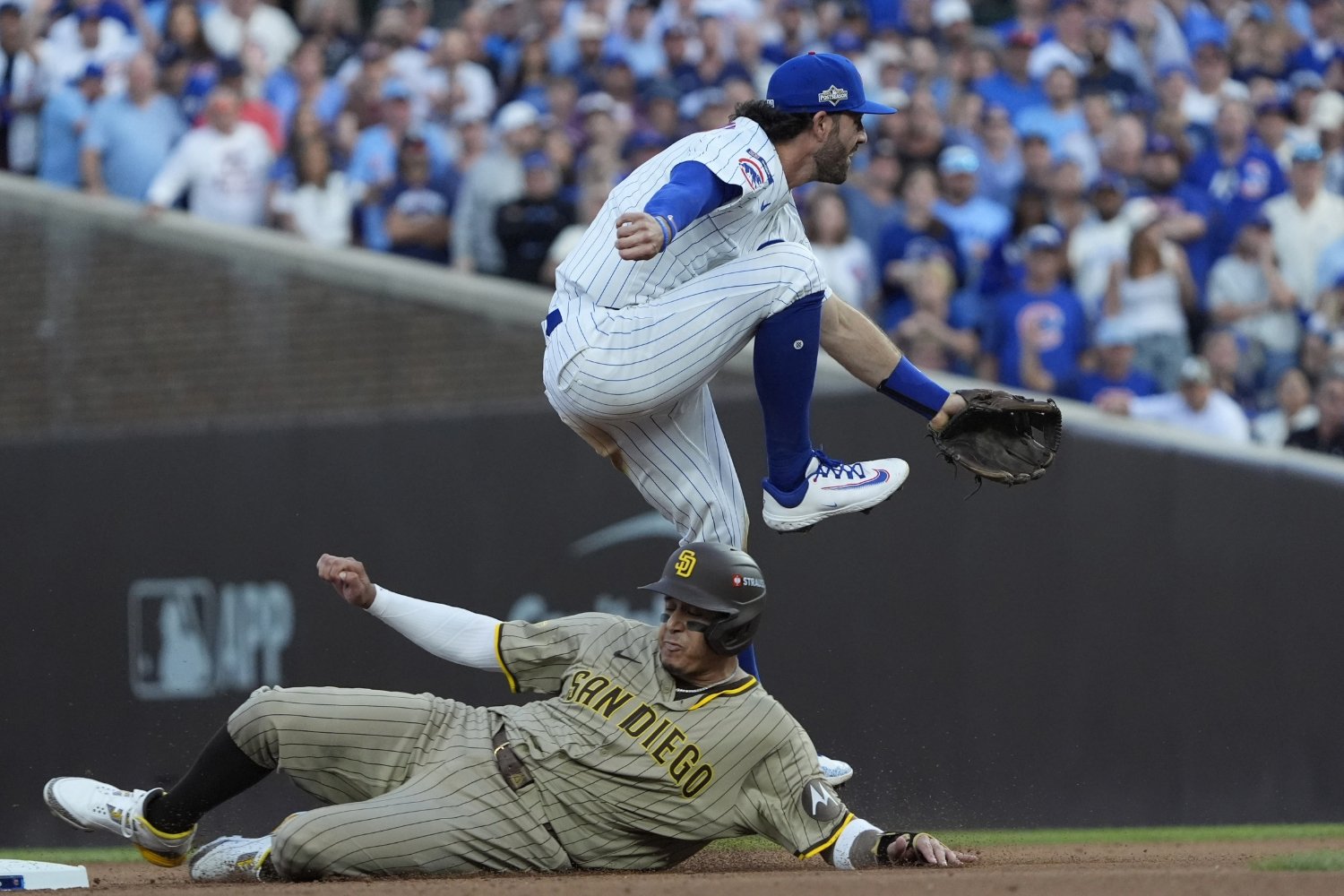 As it became clear the Padres would be headed to Wrigley Field to take on the Chicago Cubs in the NL Wild Card series, it always felt like an uphill battle awaited San Diego. The Cubs have been one of the best home teams in baseball all season, and the Padres' offense has been wildly inconsistent since the first pitch of Opening Day. Still, if San Diego's bats got hot at the right time, they could take down the Cubs, especially with how dominant the Padres' arms had been. Instead, San Diego's offense died on the north side of Chicago, leading to one of the most embarrassing Wild Card series losses since the playoffs expanded. The Padres scored a total of five runs in three games against the Cubs. They mustered just one run in Game 1, three in Game 2, and one in the pivotal Game 3. Because of their inability to score, the team is heading home to San Diego without a chance to host a home playoff game. Why couldn't they score? Were the Chicago Cubs and their ninth-ranked pitching staff (by ERA) that good? Or were the Padres' bats that bad? Let's break it down by the numbers. In 105 plate appearances, the Padres reached base 25 times, averaging less than one baserunner per inning. The issue is that the majority of those 25 baserunners didn't make it past first base. San Diego managed 11 singles, five walks, and two hit batters. Their extra-base hits were not timely enough. San Diego hit five doubles and two home runs, but that was only enough for five runs scored in total. Their team OPS was .548, their team batting average was .189, and their team BABIP was .216. To their credit, the Padres were at least making contact. They only struck out 20 times, compared to Chicago, which struck out 35 times. San Diego's offense struck out less than any other team in the Wild Card round that played three games (the Dodgers struck out 15 times, but only played two games). Looking deeper, there were definitely a few missed opportunities that may have come down to bad luck, and an extremely talented shortstop on the other side of the field. In Game 3, Manny Machado's first-inning lineout was the hardest hit ball of the game, and had an expected batting average of .790, according to Baseball Savant. It was one of six times that the Padres hit a ball with an xBA above .500 and got out. In the top of the fourth, Luis Arraez lined out to Dansby Swanson on a ball with an XBA of .680. If Arraez had hustled to first base, he likely would have beaten Swanson's throw and scored on Jackson Merrill's double later in the inning. Swanson also robbed the Padres of a pair of singles in the sixth inning, making great plays against Arraez and Xander Bogaerts. They hit hard groundballs with an xBA of .550 and .520, respectively. There was another crucial at-bat in the seventh inning, which saw Nico Hoerner rob Jose Iglesias of a single that could have scored Xander Bogaerts. Igelsias' lineout had an xBA of .560. The Cubs, on the other hand, reached base every time they hit a ball with an xBA over .400 in Game 3. It feels like a mixture of bad luck and incredible defense from the Cubs that sunk the Padres' offense in the final contest of the series. But what about their Game 1 loss? Incredibly, the same thing. In that first game, the Padres hit eight balls with an xBA of .490 or higher. Five were outs. The Cubs hit just two balls with an xBA of .490 or higher, and both were hits (one of which was a home run). Once again, a few of the Padres' robbed hits came in big spots, and once again, Dansby Swanson was the man to blame. In the second inning, with a runner on third and nobody out, Swanson robbed on a groundout hit 101.2 MPH and with a .490 xBA. If that ball gets through the infield, the Padres would have scored their second run of the day and had a runner on with nobody out. Instead, the Cubs retired the next two batters, and the Padres left the second inning with a 1-0 lead. Swanson robbed O'Hearn again in a crucial at-bat in the fourth inning. With runners on the corners and one out, O'Hearn popped up into the left-center field gap, a ball with an .840 xBA. Not on Swanson's watch. He made the catch, and the Cubs again got out of a jam unscathed. Swanson single-handedly saved multiple runs for the Cubs in both of those games, and was the biggest reason why San Diego's BABIP was so low in the series. While the offense certainly needed to do more, they deserve at least a little credit. They put the ball in play and got runners on the basepaths. They just continued to fall victim to a talented shortstop who was a magnet to the ball whenever it was hit his way.
 -
When the Padres traded to acquire Mason Miller at the deadline, I was skeptical. Did this team really need another reliever, already boasting a record three All-Star relievers in 2025? Was it really worth sending the Athletics the third-ranked overall prospect in baseball? As it turns out, yes. Miller has proved that this postseason. He had a signature moment with San Diego this afternoon, leading the charge with five straight strikeouts as the Padres' bullpen carried San Diego to victory. It was during this game that it really dawned on me. The Padres' 2025 playoff hopes always rested on the success of their bullpen. There was never a universe where San Diego's middling offense was going to carry this team on a deep postseason run. It was always going to come down to winning close, low-scoring games, and that meant San Diego would need a dominating bullpen. With that in mind, the Mason Miller trade makes more sense now than it did even in July. The Padres needed every out they could get from their relievers. Of course, it wasn't all the relievers. Let's look at the three big moments that helped the Padres win this game. #1: Manny Machado's two-run home run in the top of the fifth. WPA: .196 With one swing of the bat, Machado raised the Padres' chances of victory by almost 20%. It was the 12th home run of the All-Star third baseman's postseason career, and the 28th and 29th RBIs. Machado and the Padres' offense needed it badly. You could tell from the reactions of his teammates in the dugout after the bomb. There was a sense of relief, as if a weight had been lifted off the team. Asking the bullpen to protect a 1-0 lead for more than five innings is a tall order, but giving the pen a 3-0 lead felt a lot more comfortable. #2: Mason Miller's five strikeouts in a row. WPA: .094 Going into the bottom of the seventh inning, the Cubs, down 3-0, still had a respectable 12% chance to win the game, according to FanGraphs. By the time the seventh inning was over, that number had fallen to 6.7%. That's because Miller sat down three Cubs in order, striking out Seiya Suzuki, Carson Kelly, and Pete Crow-Armstrong. Not only did he punch out three Cubs in a row, but he also took out the heart of their lineup. Then, he did it again in the eighth inning, striking out the first two Cubs to come to the plate, Dansby Swanson and Moisés Ballesteros. That lowered Chicago's chances of victory from 8.1% to 4.2%. Miller, in five at-bats, raised San Diego's chances of victory by 10%. #3: Adrian Morejon saves the fourth inning. WPA: .056 With two runners on base and two outs, the Padres went to Morejon in the bottom of the fourth inning, despite Dylan Cease's scoreless outing to that point. Morejon was tasked with protecting a one-run lead, and had the at-bat gone differently, we might be talking about an eliminated Padres' team right now. Instead, Morejon did what he needed to do, getting a groundout off the bat of the Cubs' young superstar outfielder, Pete Crow-Armstrong. That single out raised the Padres' chances of victory by 5.6% and prevented Chicago from scoring when they were threatening the most to do so. Padres Bullpen Usage SAT SUN MON TUE WED TOT Estrada 19 0 0 10 0 29 Morgan 0 21 0 0 0 21 Miller 17 0 0 13 27 57 Hart 0 0 0 0 0 0 Suárez 9 0 0 0 18 27 Morejón 8 0 0 9 33 50 Peralta 0 0 0 6 0 6 Rodríguez 0 21 0 0 0 21 Matsui 37 0 0 0 0 37 Vasquez 0 19 0 0 0 19 View full article
-
Padres' Bullpen Stars As San Diego Forces Game Three In Wrigley
Andy Johnson posted an article in Padres
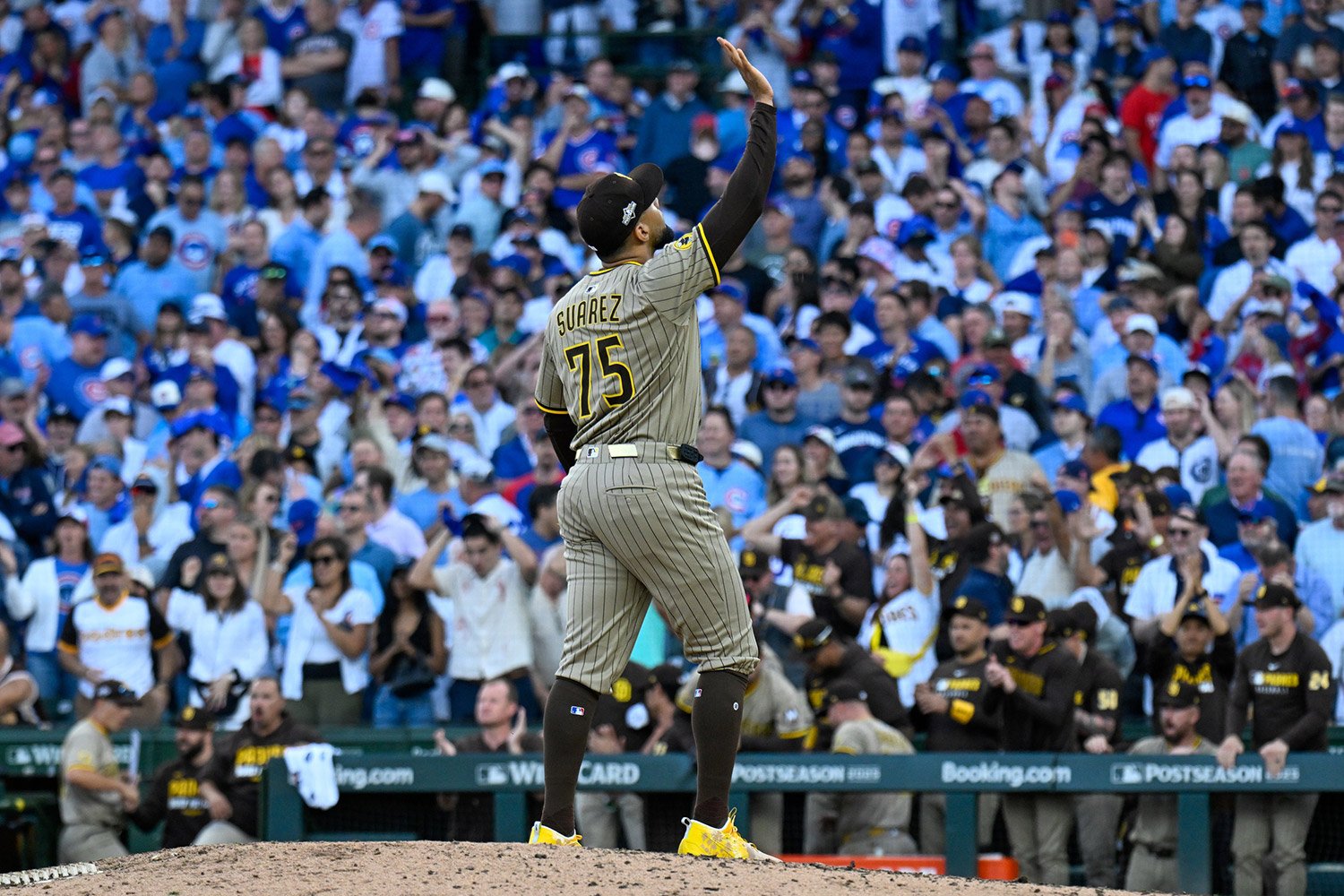 When the Padres traded to acquire Mason Miller at the deadline, I was skeptical. Did this team really need another reliever, already boasting a record three All-Star relievers in 2025? Was it really worth sending the Athletics the third-ranked overall prospect in baseball? As it turns out, yes. Miller has proved that this postseason. He had a signature moment with San Diego this afternoon, leading the charge with five straight strikeouts as the Padres' bullpen carried San Diego to victory. It was during this game that it really dawned on me. The Padres' 2025 playoff hopes always rested on the success of their bullpen. There was never a universe where San Diego's middling offense was going to carry this team on a deep postseason run. It was always going to come down to winning close, low-scoring games, and that meant San Diego would need a dominating bullpen. With that in mind, the Mason Miller trade makes more sense now than it did even in July. The Padres needed every out they could get from their relievers. Of course, it wasn't all the relievers. Let's look at the three big moments that helped the Padres win this game. #1: Manny Machado's two-run home run in the top of the fifth. WPA: .196 With one swing of the bat, Machado raised the Padres' chances of victory by almost 20%. It was the 12th home run of the All-Star third baseman's postseason career, and the 28th and 29th RBIs. Machado and the Padres' offense needed it badly. You could tell from the reactions of his teammates in the dugout after the bomb. There was a sense of relief, as if a weight had been lifted off the team. Asking the bullpen to protect a 1-0 lead for more than five innings is a tall order, but giving the pen a 3-0 lead felt a lot more comfortable. #2: Mason Miller's five strikeouts in a row. WPA: .094 Going into the bottom of the seventh inning, the Cubs, down 3-0, still had a respectable 12% chance to win the game, according to FanGraphs. By the time the seventh inning was over, that number had fallen to 6.7%. That's because Miller sat down three Cubs in order, striking out Seiya Suzuki, Carson Kelly, and Pete Crow-Armstrong. Not only did he punch out three Cubs in a row, but he also took out the heart of their lineup. Then, he did it again in the eighth inning, striking out the first two Cubs to come to the plate, Dansby Swanson and Moisés Ballesteros. That lowered Chicago's chances of victory from 8.1% to 4.2%. Miller, in five at-bats, raised San Diego's chances of victory by 10%. #3: Adrian Morejon saves the fourth inning. WPA: .056 With two runners on base and two outs, the Padres went to Morejon in the bottom of the fourth inning, despite Dylan Cease's scoreless outing to that point. Morejon was tasked with protecting a one-run lead, and had the at-bat gone differently, we might be talking about an eliminated Padres' team right now. Instead, Morejon did what he needed to do, getting a groundout off the bat of the Cubs' young superstar outfielder, Pete Crow-Armstrong. That single out raised the Padres' chances of victory by 5.6% and prevented Chicago from scoring when they were threatening the most to do so. Padres Bullpen Usage SAT SUN MON TUE WED TOT Estrada 19 0 0 10 0 29 Morgan 0 21 0 0 0 21 Miller 17 0 0 13 27 57 Hart 0 0 0 0 0 0 Suárez 9 0 0 0 18 27 Morejón 8 0 0 9 33 50 Peralta 0 0 0 6 0 6 Rodríguez 0 21 0 0 0 21 Matsui 37 0 0 0 0 37 Vasquez 0 19 0 0 0 19
 -
The Padres have had a problem all season. After hitting 190 home runs in 2024, tied for the tenth most in baseball, they have hit just 142 long balls in 2025, the second-fewest in the league. What is going on in San Diego? Why can’t the Padres hit home runs? Let’s check out the home run totals among the Padres' regulars between 2024 and 2025 to see how many fewer home runs they’ve hit this season. Manny Machado: 2024: 29 2025: 26 Fernando Tatis Jr.: 2024: 21 2025: 23 Jake Cronenworth: 2024: 17 2025: 11 Jackson Merrill: 2024: 24 2025: 15 Luis Arraez: 2024: 4 2025: 7 Xander Bogaerts 2024: 11 2025: 10 Total: 2024: 106 2025: 92 In total, the Padres’ six consistent members of the lineup between 2024 and 2025 have actually stayed fairly consistent in their power numbers. These six have hit 14 fewer total home runs between 2024 and 2025. Nine of those can be attributed to Merrill, who missed a large chunk of the season with multiple injuries. Cronenworth has also missed time due to injury. Had Cronenworth and Merrill stayed healthy all year, the difference among these six players would likely be negligible. That leaves the rest of the team. The Padres got 84 home runs from their role players in 2024. In 2025, that number has been cut nearly in half, with only 51 home runs coming from role players. Does the issue come down to team building? Let’s examine who left the team, who they were replaced by, and how AJ Preller’s offseason moves axed a significant amount of power from the team in 2025. In 2024, the Padres got significant production out of Jurickson Profar, who hit 24 home runs as San Diego’s primary left fielder. The replacement for Profar in 2025 was Gavin Sheets, who has 19 bombs this season as a left fielder and designated hitter. Profar’s 24 long balls were a career high in 2024, and similarly, Sheets has hit a career high in home runs this year. San Diego probably should have pursued a better power-hitting outfielder in the offseason. Sheets has been solid this year, with a 108 OPS+ and 0.7 bWAR, but his production has not matched Profar's. Looking back, it’s interesting that San Diego did not pivot to a better option in left field when they did not re-sign Profar. It could be because Profar signed with Atlanta so late in the offseason, on January 23; perhaps it was already too late for San Diego to pivot to a better slugger at that point. Another position that San Diego lost home runs from in 2025 was the catching position. In 2024, the duo of Kyle Higashioka and Luis Campusano combined for 25 home runs. Again, both players hit career-highs last season. San Diego moved off the 35-year-old Higashioka, which was probably a mistake considering the struggles of their catching tandem in 2025. This season, San Diego’s trio of catchers has combined for 14 home runs. Elias Diaz, Martin Maldonado, and Freddy Fermin have not performed the way the Padres would have hoped. Did it make sense for San Diego to let Higashioka walk? Sure, nobody is going to berate the Padres for not re-signing a 35-year-old catcher after his career year. But, replacing him with Diaz and Maldonado, both coming off down years offensively, was the real mistake. Similarly, the Padres lost on their gamble to replace utility infielder Ha-Seong Kim with veteran Jose Iglesias. Not only did Kim hit 11 home runs in 2024, but he also reached base at a .330 clip and was worth 2.6 bWAR. The mistake was not necessarily letting Kim walk in free agency. This year, Kim fell apart in Tampa Bay, and while he’s put together a solid 19 games in Atlanta, he's been far from reliable. The mistake was replacing Kim with Iglesias, who had a magical 2024 season when he made an MLB comeback and played a key role in the Mets’ run towards the NLCS. Betting on Iglesias to replicate that was a mistake. The infielder had the worst year of his career in San Diego, and hit just two home runs in 109 games after hitting four last year in 85 games. Ultimately, it appears that the Padres' big mistake was simply letting go of good power hitters and failing to replace them with players of similar talent. While it does make the fan experience a bit less exciting, it has not hurt the Padres too much. They won 93 games last year and will probably finish with around 90 wins this year. They will wind up with the same end result, an NL Wild Card spot. However, they will likely be missing the crucial home-field advantage in the NL Wild Card series. Perhaps with a few more home runs, San Diego could have won a few more games and been able to win the NL West, or repeat as the NL No. 4 seed to host the Wild Card series like they did last year when they defeated Atlanta. If AJ Preller’s failure to add better sluggers in the offseason is going to come back to haunt him, it will likely happen in Chicago. Surely, the Padres will not make the mistake again in the upcoming offseason and will make a marked effort to infuse the lineup with more power. View full article
-
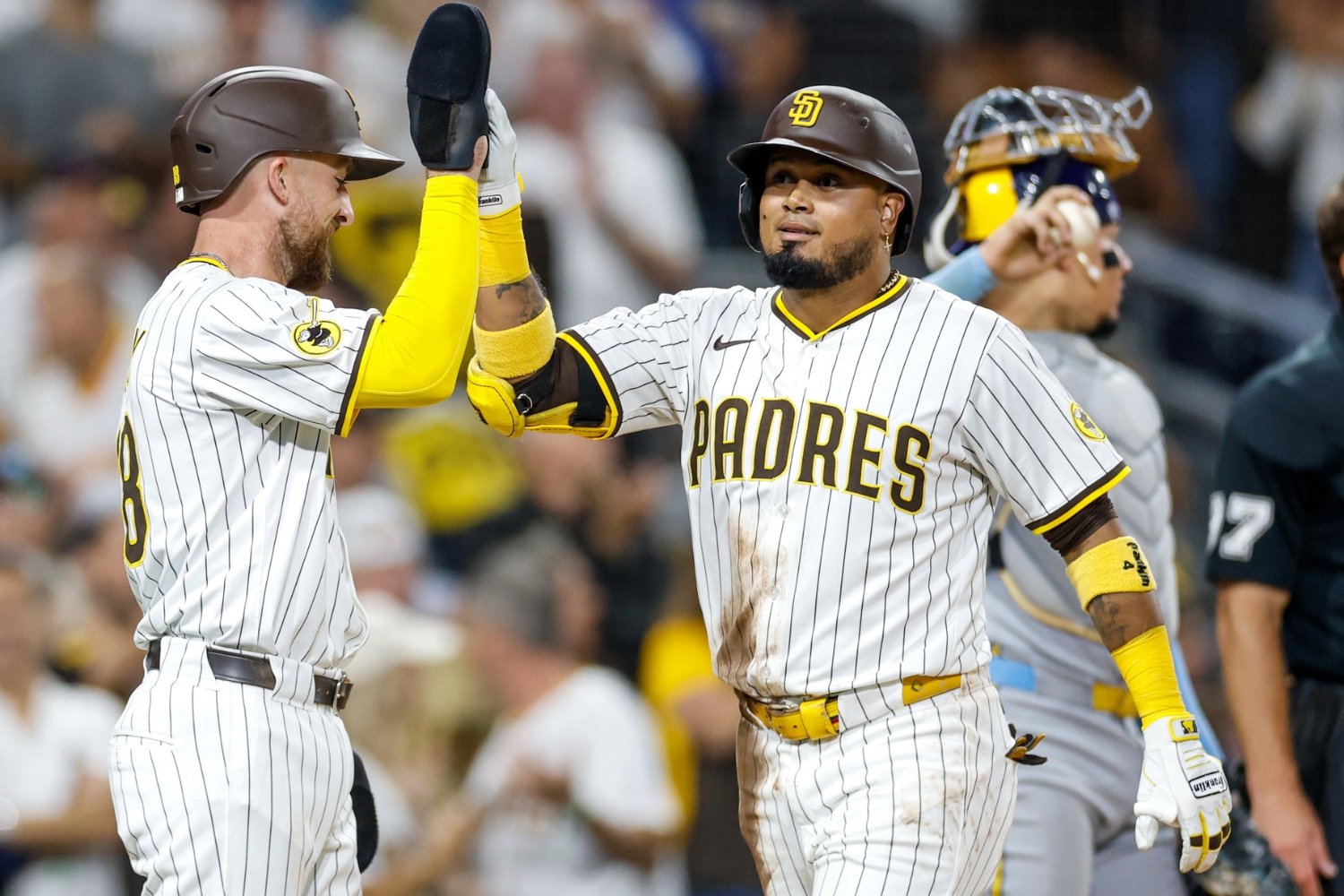 The Padres have had a problem all season. After hitting 190 home runs in 2024, tied for the tenth most in baseball, they have hit just 142 long balls in 2025, the second-fewest in the league. What is going on in San Diego? Why can’t the Padres hit home runs? Let’s check out the home run totals among the Padres' regulars between 2024 and 2025 to see how many fewer home runs they’ve hit this season. Manny Machado: 2024: 29 2025: 26 Fernando Tatis Jr.: 2024: 21 2025: 23 Jake Cronenworth: 2024: 17 2025: 11 Jackson Merrill: 2024: 24 2025: 15 Luis Arraez: 2024: 4 2025: 7 Xander Bogaerts 2024: 11 2025: 10 Total: 2024: 106 2025: 92 In total, the Padres’ six consistent members of the lineup between 2024 and 2025 have actually stayed fairly consistent in their power numbers. These six have hit 14 fewer total home runs between 2024 and 2025. Nine of those can be attributed to Merrill, who missed a large chunk of the season with multiple injuries. Cronenworth has also missed time due to injury. Had Cronenworth and Merrill stayed healthy all year, the difference among these six players would likely be negligible. That leaves the rest of the team. The Padres got 84 home runs from their role players in 2024. In 2025, that number has been cut nearly in half, with only 51 home runs coming from role players. Does the issue come down to team building? Let’s examine who left the team, who they were replaced by, and how AJ Preller’s offseason moves axed a significant amount of power from the team in 2025. In 2024, the Padres got significant production out of Jurickson Profar, who hit 24 home runs as San Diego’s primary left fielder. The replacement for Profar in 2025 was Gavin Sheets, who has 19 bombs this season as a left fielder and designated hitter. Profar’s 24 long balls were a career high in 2024, and similarly, Sheets has hit a career high in home runs this year. San Diego probably should have pursued a better power-hitting outfielder in the offseason. Sheets has been solid this year, with a 108 OPS+ and 0.7 bWAR, but his production has not matched Profar's. Looking back, it’s interesting that San Diego did not pivot to a better option in left field when they did not re-sign Profar. It could be because Profar signed with Atlanta so late in the offseason, on January 23; perhaps it was already too late for San Diego to pivot to a better slugger at that point. Another position that San Diego lost home runs from in 2025 was the catching position. In 2024, the duo of Kyle Higashioka and Luis Campusano combined for 25 home runs. Again, both players hit career-highs last season. San Diego moved off the 35-year-old Higashioka, which was probably a mistake considering the struggles of their catching tandem in 2025. This season, San Diego’s trio of catchers has combined for 14 home runs. Elias Diaz, Martin Maldonado, and Freddy Fermin have not performed the way the Padres would have hoped. Did it make sense for San Diego to let Higashioka walk? Sure, nobody is going to berate the Padres for not re-signing a 35-year-old catcher after his career year. But, replacing him with Diaz and Maldonado, both coming off down years offensively, was the real mistake. Similarly, the Padres lost on their gamble to replace utility infielder Ha-Seong Kim with veteran Jose Iglesias. Not only did Kim hit 11 home runs in 2024, but he also reached base at a .330 clip and was worth 2.6 bWAR. The mistake was not necessarily letting Kim walk in free agency. This year, Kim fell apart in Tampa Bay, and while he’s put together a solid 19 games in Atlanta, he's been far from reliable. The mistake was replacing Kim with Iglesias, who had a magical 2024 season when he made an MLB comeback and played a key role in the Mets’ run towards the NLCS. Betting on Iglesias to replicate that was a mistake. The infielder had the worst year of his career in San Diego, and hit just two home runs in 109 games after hitting four last year in 85 games. Ultimately, it appears that the Padres' big mistake was simply letting go of good power hitters and failing to replace them with players of similar talent. While it does make the fan experience a bit less exciting, it has not hurt the Padres too much. They won 93 games last year and will probably finish with around 90 wins this year. They will wind up with the same end result, an NL Wild Card spot. However, they will likely be missing the crucial home-field advantage in the NL Wild Card series. Perhaps with a few more home runs, San Diego could have won a few more games and been able to win the NL West, or repeat as the NL No. 4 seed to host the Wild Card series like they did last year when they defeated Atlanta. If AJ Preller’s failure to add better sluggers in the offseason is going to come back to haunt him, it will likely happen in Chicago. Surely, the Padres will not make the mistake again in the upcoming offseason and will make a marked effort to infuse the lineup with more power.
 -
If you take a look at Bryce Johnson’s game logs with the Padres in 2025, you might think he is the greatest bench piece of all time. Johnson has been a revelation off the pine for the Padres. Here’s where his numbers lie after his first career home run, which came during a pinch-hit appearance against the Rockies: In games Johnson enters as a pinch-hitter: 2-for-5, HR, BB, 2 RBI (1.600 OPS) In games Johnson enters as a pinch runner: 2-for-4, 3 R, SB (1.000 OPS) In games Johnson enters as a defensive substitute: 7-for-9, 2 2B, 2 BB, SB, 2 RBI (1.818 OPS) Overall, in games when Johnson comes off the bench, he is 11-for-18 with a home run, two doubles, three walks, two steals, three runs scored and four runs batted in. He has a 1.556 OPS in 21 plate appearances in games when he comes off the bench. He’s also never committed an error or been caught stealing. Essentially, Johnson has been nearly flawless when coming off the bench. Compare that to the fourteen games he’s started. In 49 plate appearances, he is slashing .283/.286/.326. Off the bench, Johnson has been Barry Bonds. As a starter, he’s Victor Robles. What’s the story here? Is Bryce Johnson really breaking out, or are his numbers a mirage, propped up by a lucky string of hits late in games that he entered off the bench? Let’s take a deep dive, looking at his Baseball Savant page. One thing Johnson is doing exceptionally well this season is hitting the ball in the sweet spot of the bat. He’s hit the ball in the launch angle sweet spot 42.7% of the time, which is among the best in baseball. It’s a big reason why his expected batting average is .302. Still not as good as his actual batting average of .371, but a .302 expected average is impressive. Unfortunately, that’s where the positive metrics end for Johnson. His average exit velocity is low, at 86.7 MPH. It’s only a slight improvement over his career average exit velocity, which is exactly 86 MPH. That's not a large enough improvement to explain his WOBA jumping from .243 to .390, and indicating that regression will likely come soon. His barrel rate is also low, at just 6.4%. Again, better than his career 3.5% barrel rate, but not by enough to indicate Johnson has figured things out at the MLB level. A similar story can be told when looking at Johnson’s hard-hit rate. In 2025, he has a 31.9% hard-hit rate. That’s a big improvement from his 24.1% hard-hit rate in 2023 and 2024, but it still ranks among the bottom fifth of the league. Johnson’s 68.7 MPH bat speed is not very impressive either, sitting around the tenth percentile when compared to the rest of the MLB. His 20.5% squared-up rate is also around the tenth percentile. Johnson is also whiffing too much, striking out at a 25% clip. And while he’s never had a great eye, he has a career-low 4.4% walk rate in 2025. As such, you shouldn't be surprised to learn that his quality of contact numbers are also troubling. The outfielder is making weak contact 14.9% of the time, compared to the MLB average of 4%. He’s also rarely, if ever, making solid contact. It’s clear Johnson’s numbers are probably better than where they should be based on the advanced metrics, but why is that? What is Johnson doing that is allowing him to get so many hits, particularly off the bench as a substitute? One thing he’s doing is crushing sinkers. Against the sinker, Johnson has a .667 batting average and a .664 WOBA. He has a 54.5% hard-hit rate against the sinker, meaning he’s making hard contact more than half the time a sinker is thrown to him. It’s great to see Johnson have so much success against that pitch type, but there is an easy fix for opposing pitchers. All they need to do is throw more fastballs. Against four-seam fastballs, Johnson is hitting .167, with a .150 wOBA. He’s whiffing 40.5% of the time against fastballs and striking out 38.5% of the time. Last year, 40.7% of pitches thrown to Johnson were fastballs. In 2023, 44.9% were fastballs. This year, he’s seeing a career-low 31.4% of pitches as fastballs. On the other hand, he’s seeing a career-high amount (14.4%) sinkers. Why isn’t Johnson getting fastballs as often? It’s probably because so many of his plate appearances are coming at the end of games against relievers on mop-up duty. The Padres have not utilized him much in high-leverage at-bats, and there’s probably a good reason for that. While it’s cool what Johnson has done with his opportunity, the final verdict is clear: These numbers are not sustainable. Johnson can still be a weapon off the bench with his good baserunning and defense, but don’t expect to see him as an everyday starter anytime soon. View full article
-
Are Bryce Johnson's Heroic Efforts Off the Bench All Smoke and Mirrors?
Andy Johnson posted an article in Padres
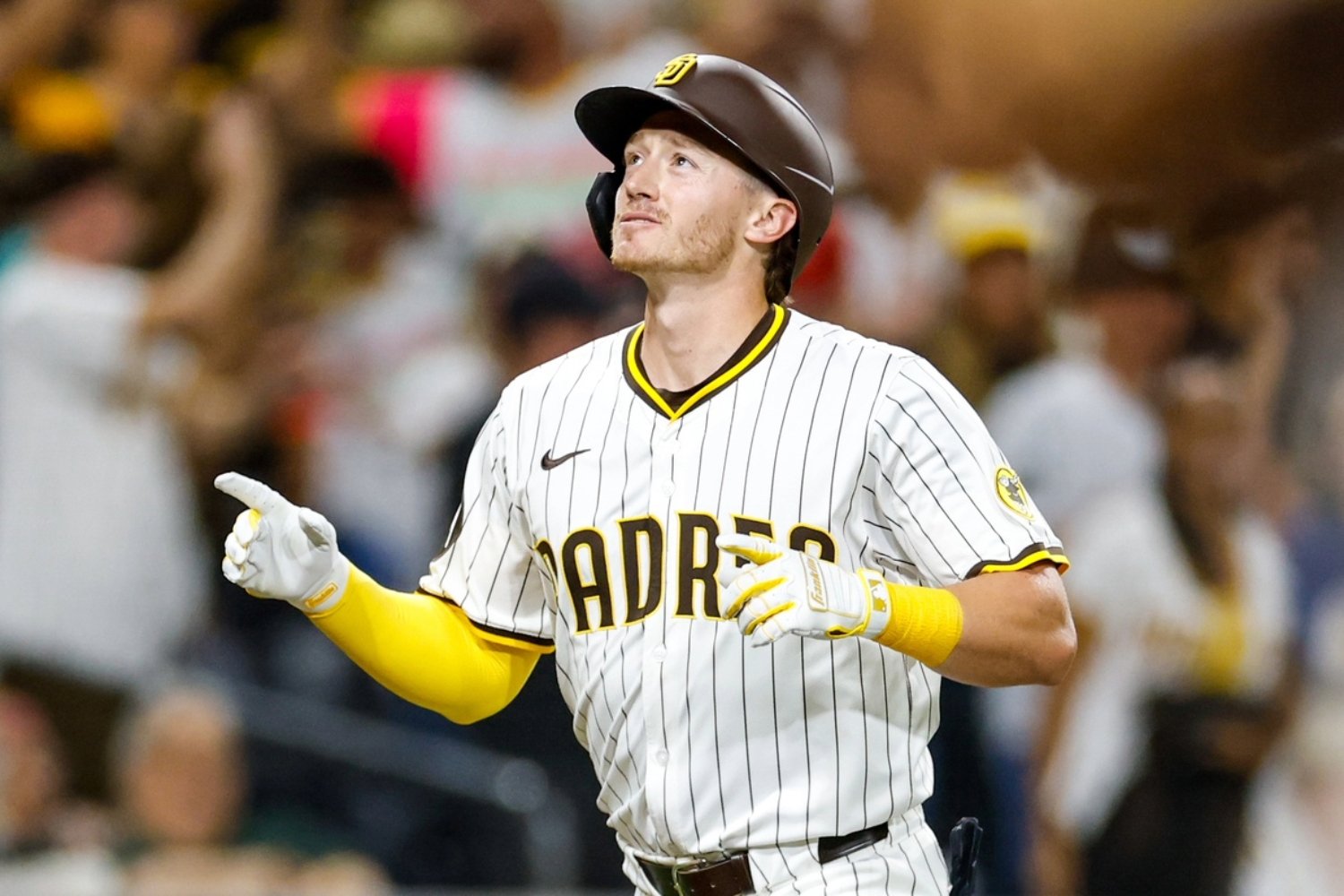 If you take a look at Bryce Johnson’s game logs with the Padres in 2025, you might think he is the greatest bench piece of all time. Johnson has been a revelation off the pine for the Padres. Here’s where his numbers lie after his first career home run, which came during a pinch-hit appearance against the Rockies: In games Johnson enters as a pinch-hitter: 2-for-5, HR, BB, 2 RBI (1.600 OPS) In games Johnson enters as a pinch runner: 2-for-4, 3 R, SB (1.000 OPS) In games Johnson enters as a defensive substitute: 7-for-9, 2 2B, 2 BB, SB, 2 RBI (1.818 OPS) Overall, in games when Johnson comes off the bench, he is 11-for-18 with a home run, two doubles, three walks, two steals, three runs scored and four runs batted in. He has a 1.556 OPS in 21 plate appearances in games when he comes off the bench. He’s also never committed an error or been caught stealing. Essentially, Johnson has been nearly flawless when coming off the bench. Compare that to the fourteen games he’s started. In 49 plate appearances, he is slashing .283/.286/.326. Off the bench, Johnson has been Barry Bonds. As a starter, he’s Victor Robles. What’s the story here? Is Bryce Johnson really breaking out, or are his numbers a mirage, propped up by a lucky string of hits late in games that he entered off the bench? Let’s take a deep dive, looking at his Baseball Savant page. One thing Johnson is doing exceptionally well this season is hitting the ball in the sweet spot of the bat. He’s hit the ball in the launch angle sweet spot 42.7% of the time, which is among the best in baseball. It’s a big reason why his expected batting average is .302. Still not as good as his actual batting average of .371, but a .302 expected average is impressive. Unfortunately, that’s where the positive metrics end for Johnson. His average exit velocity is low, at 86.7 MPH. It’s only a slight improvement over his career average exit velocity, which is exactly 86 MPH. That's not a large enough improvement to explain his WOBA jumping from .243 to .390, and indicating that regression will likely come soon. His barrel rate is also low, at just 6.4%. Again, better than his career 3.5% barrel rate, but not by enough to indicate Johnson has figured things out at the MLB level. A similar story can be told when looking at Johnson’s hard-hit rate. In 2025, he has a 31.9% hard-hit rate. That’s a big improvement from his 24.1% hard-hit rate in 2023 and 2024, but it still ranks among the bottom fifth of the league. Johnson’s 68.7 MPH bat speed is not very impressive either, sitting around the tenth percentile when compared to the rest of the MLB. His 20.5% squared-up rate is also around the tenth percentile. Johnson is also whiffing too much, striking out at a 25% clip. And while he’s never had a great eye, he has a career-low 4.4% walk rate in 2025. As such, you shouldn't be surprised to learn that his quality of contact numbers are also troubling. The outfielder is making weak contact 14.9% of the time, compared to the MLB average of 4%. He’s also rarely, if ever, making solid contact. It’s clear Johnson’s numbers are probably better than where they should be based on the advanced metrics, but why is that? What is Johnson doing that is allowing him to get so many hits, particularly off the bench as a substitute? One thing he’s doing is crushing sinkers. Against the sinker, Johnson has a .667 batting average and a .664 WOBA. He has a 54.5% hard-hit rate against the sinker, meaning he’s making hard contact more than half the time a sinker is thrown to him. It’s great to see Johnson have so much success against that pitch type, but there is an easy fix for opposing pitchers. All they need to do is throw more fastballs. Against four-seam fastballs, Johnson is hitting .167, with a .150 wOBA. He’s whiffing 40.5% of the time against fastballs and striking out 38.5% of the time. Last year, 40.7% of pitches thrown to Johnson were fastballs. In 2023, 44.9% were fastballs. This year, he’s seeing a career-low 31.4% of pitches as fastballs. On the other hand, he’s seeing a career-high amount (14.4%) sinkers. Why isn’t Johnson getting fastballs as often? It’s probably because so many of his plate appearances are coming at the end of games against relievers on mop-up duty. The Padres have not utilized him much in high-leverage at-bats, and there’s probably a good reason for that. While it’s cool what Johnson has done with his opportunity, the final verdict is clear: These numbers are not sustainable. Johnson can still be a weapon off the bench with his good baserunning and defense, but don’t expect to see him as an everyday starter anytime soon.
 -
The Padres officially have a problem on their hands. They don't have three clear pitchers to start in the quickly approaching Wild Card series they will most likely be playing in, against the Cubs. Obviously, Nick Pivetta should start game one. He has been the team's ace all season. But who should start game two? There's no right answer, it seems. Let's break down the options. First, there's Dylan Cease, who is the most likely candidate. Cease has experience in big games. He's made three playoff starts, one with the White Sox and two with the Cubs. However, he's struggled in the playoffs, with a 12.91 ERA and a 0-1 record in 7 2/3 innings pitched over four appearances. Cease also has experience as an elite pitcher. He's finished in the top four in Cy Young Award voting twice. However, this year, he's not been at the top of his game. Cease has been inconsistent all season, with a 3.56 FIP and 94 ERA+. Cease had been solid since his blowup outing on April 8th, when he allowed nine runs against the Athletics. Since then, he has had a 3.64 FIP and 4.24 ERA. Not bad, but not ace-level, and certainly not trustworthy enough to throw Cease in a must-win playoff game, right? Then there's Michael King. King was supposed to be the team's ace this season, and he started the season off looking like it. In his first ten starts of the season, King didn't allow more than three earned runs in any start. He had a 3.27 FIP and 2.59 ERA on May 18th, when he landed on the injured list. In his three starts since then, King has not looked like himself. He returned on August 9th for one start, allowed two runs in two innings, and promptly landed back on the injured list. He came off the IL in early September, but in his last two starts, he's allowed 10 runs in eight innings. Like Cease, it's hard to see how San Diego can trust King to win a must-win game for them in the postseason. King has not looked like himself since his injury, and while his talent is undeniable, there is a risk associated with relying on King in the playoffs. What about Yu Darvish? Darvish also spent significant time on the injured list this year. In his 13 starts since then, the veteran has been shaky. He has a solid WHIP, at 1.139, but his FIP sits at 4.83 and his ERA+ at 77. However, Darvish has the most playoff experience of anyone in San Diego's rotation. He's made 13 postseason starts for four teams, with mixed results. He's 5-7 with 1.019 WHIP and a 5.62 FIP in the playoffs. With Cease inconsistent and King and Darvish not looking like themselves after injuries, a spot might be open for Randy Vasquez. Vasquez, in his second season in San Diego, has shown improvement since 2024. In 24 starts, he's thrown 123.1 innings, and while his 5-6 record does not look great, his 116 ERA+ does. Vasquez has been mostly solid for the Padres, aside from two bad outings on April 21st and August 2nd. Has the 26-year-old earned the spot to pitch in the postseason? This leaves the Padres with four pitchers battling for two spots in their Wild Card rotation. If they advance, they’ll likely need a fourth starter in the divisional round. Ultimately, it feels like the team should reward Vasquez for his consistency by naming him the starter for game two. Vasquez has been more reliable this season than Cease, Darvish, and King. While it would have sounded crazy at the beginning of the season to suggest it, Vasquez gives the Padres the best chance at winning. The case of who should start a potential game three is more complicated. Cease, King, and Darvish all have valid reasons to take on the challenge. Cease has been healthy all season, and while he’s been inconsistent, he still possesses tremendous talent. He’s also still a strikeout wizard, which could help him earn key outs against the Cubs. Darvish has struggled this season, but he has playoff experience, and that matters. The veteran was lights out in his two starts for the Padres last postseason, and he’s had success on the biggest stages before. King probably has more talent than Cease and Darvish, but the injury concern is real. Unless King can finish the season with two strong starts and build momentum going into the postseason, he might be the best fit for the bullpen as a high-leverage relief arm in the playoffs. If it comes down to a game three, Mike Shildt will have a difficult decision to make. View full article
-
Which Padres Pitchers Have Earned A Postseason Rotation Spot?
Andy Johnson posted an article in Padres
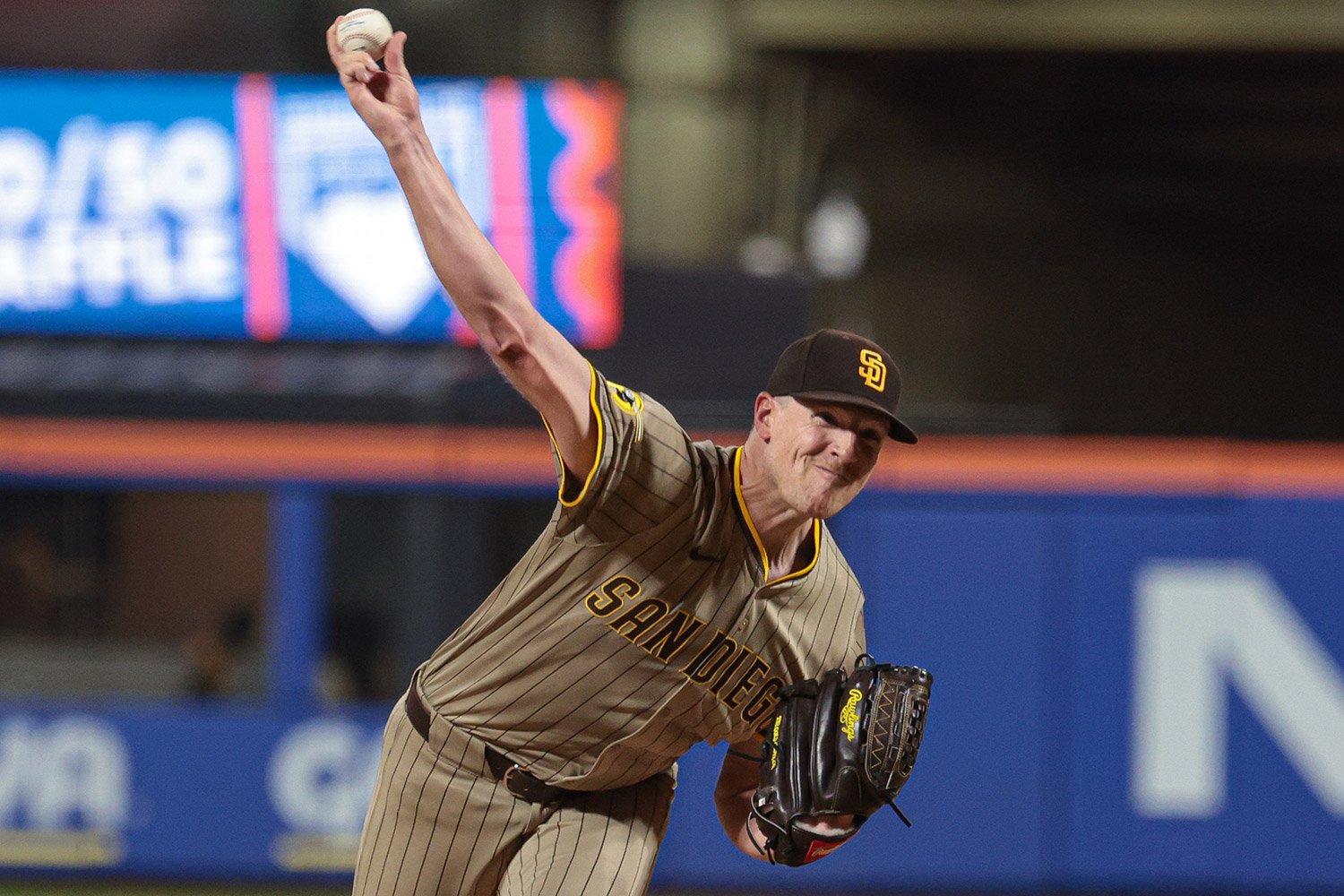 The Padres officially have a problem on their hands. They don't have three clear pitchers to start in the quickly approaching Wild Card series they will most likely be playing in, against the Cubs. Obviously, Nick Pivetta should start game one. He has been the team's ace all season. But who should start game two? There's no right answer, it seems. Let's break down the options. First, there's Dylan Cease, who is the most likely candidate. Cease has experience in big games. He's made three playoff starts, one with the White Sox and two with the Cubs. However, he's struggled in the playoffs, with a 12.91 ERA and a 0-1 record in 7 2/3 innings pitched over four appearances. Cease also has experience as an elite pitcher. He's finished in the top four in Cy Young Award voting twice. However, this year, he's not been at the top of his game. Cease has been inconsistent all season, with a 3.56 FIP and 94 ERA+. Cease had been solid since his blowup outing on April 8th, when he allowed nine runs against the Athletics. Since then, he has had a 3.64 FIP and 4.24 ERA. Not bad, but not ace-level, and certainly not trustworthy enough to throw Cease in a must-win playoff game, right? Then there's Michael King. King was supposed to be the team's ace this season, and he started the season off looking like it. In his first ten starts of the season, King didn't allow more than three earned runs in any start. He had a 3.27 FIP and 2.59 ERA on May 18th, when he landed on the injured list. In his three starts since then, King has not looked like himself. He returned on August 9th for one start, allowed two runs in two innings, and promptly landed back on the injured list. He came off the IL in early September, but in his last two starts, he's allowed 10 runs in eight innings. Like Cease, it's hard to see how San Diego can trust King to win a must-win game for them in the postseason. King has not looked like himself since his injury, and while his talent is undeniable, there is a risk associated with relying on King in the playoffs. What about Yu Darvish? Darvish also spent significant time on the injured list this year. In his 13 starts since then, the veteran has been shaky. He has a solid WHIP, at 1.139, but his FIP sits at 4.83 and his ERA+ at 77. However, Darvish has the most playoff experience of anyone in San Diego's rotation. He's made 13 postseason starts for four teams, with mixed results. He's 5-7 with 1.019 WHIP and a 5.62 FIP in the playoffs. With Cease inconsistent and King and Darvish not looking like themselves after injuries, a spot might be open for Randy Vasquez. Vasquez, in his second season in San Diego, has shown improvement since 2024. In 24 starts, he's thrown 123.1 innings, and while his 5-6 record does not look great, his 116 ERA+ does. Vasquez has been mostly solid for the Padres, aside from two bad outings on April 21st and August 2nd. Has the 26-year-old earned the spot to pitch in the postseason? This leaves the Padres with four pitchers battling for two spots in their Wild Card rotation. If they advance, they’ll likely need a fourth starter in the divisional round. Ultimately, it feels like the team should reward Vasquez for his consistency by naming him the starter for game two. Vasquez has been more reliable this season than Cease, Darvish, and King. While it would have sounded crazy at the beginning of the season to suggest it, Vasquez gives the Padres the best chance at winning. The case of who should start a potential game three is more complicated. Cease, King, and Darvish all have valid reasons to take on the challenge. Cease has been healthy all season, and while he’s been inconsistent, he still possesses tremendous talent. He’s also still a strikeout wizard, which could help him earn key outs against the Cubs. Darvish has struggled this season, but he has playoff experience, and that matters. The veteran was lights out in his two starts for the Padres last postseason, and he’s had success on the biggest stages before. King probably has more talent than Cease and Darvish, but the injury concern is real. Unless King can finish the season with two strong starts and build momentum going into the postseason, he might be the best fit for the bullpen as a high-leverage relief arm in the playoffs. If it comes down to a game three, Mike Shildt will have a difficult decision to make.
