


Sam Caulder
-
Posts
31 -
Joined
-
Last visited
Sam Caulder's Achievements



-
The jump from Triple-A to the major leagues is a tough adjustment for any young player, and the San Diego Padres’ top prospect, catcher Ethan Salas, is finding that out the hard way. Now before we get too far, it’s worth noting that we’re dealing with a very small sample here. Salas has only logged 17 major league plate appearances since being called up earlier this month, so there’s obviously not enough data to draw any meaningful conclusions about his future. But there hasn’t been a whole lot of success in those 17 trips to the plate. Salas has gone 1-for-17 in that span with no walks and seven strikeouts. His lone hit was a triple, and it would’ve been a home run at a handful of ballparks. But while you should definitely take any data in this small of a sample with a grain of salt, it’s not pretty. Just three of the 10 balls he’s put in play have been hard-hit. He’s also chasing out of the zone a lot more than he did in the minors, while making far less contact when he does so. After striking out in just 14.3% of his minor-league plate appearances this season, that number is up to 41.2% in his first cup of coffee in the majors. Although this is far from the start any of us were hoping for, it’s important to remember who we’re talking about here. Salas turned 20 in June. For probably 99.9% of professional baseball players, they’re not even sniffing the major leagues at that age. Let alone a catcher, where you have to be able to call the game and be in control of the diamond at a very high level. Catchers often take a while to work their way through the minor leagues because of everything they have to learn and manage at the position. Salas, meanwhile, has already worked his way through the minors and is now getting his first taste of major league baseball at just 20 years old. That’s not normal. It’s also worth remembering that we’ve already seen Salas have success against high-level pitching as recently as a few weeks ago. After being promoted to Triple-A El Paso, Salas posted a .949 OPS over 24 games. He also had 11 extra-base hits and walked more times than he struck out, showing a very well-rounded approach at the plate. That’s pretty much everything the Padres could have asked for from him at the highest level of minor-league baseball, and he can’t even buy himself a beer for nine more months. Again, that’s not normal. There’s a reason Salas has been regarded as one of the top prospects in baseball for so long. The Padres have watched him handle every challenge they’ve thrown his way at an extremely young age, and he has continued to move through the organization at a remarkable pace. Major-league pitchers are going to expose weaknesses that minor-league pitchers might not. They’re going to attack the strike zone differently, execute pitches more consistently, and force young hitters to make adjustments. Salas is getting his first look at that right now, and it hasn’t gone particularly well. But there’s a big difference between struggling in your first 17 plate appearances and struggling over an entire season. There’s an even bigger difference between struggling at 20 years old and struggling as an established major-league player. That’s why I don’t think there’s any reason to overreact to what we’ve seen from Salas so far. Obviously, the strikeout and chase numbers are worth monitoring as Salas gets more opportunities. If those issues continue over a much larger sample, then it will be fair to start looking more closely at what’s going wrong. But we’re nowhere near that point yet. San Diego doesn’t need him to take over the starting catcher duties for a playoff hopeful team right now. They don’t even need him to be the backup. This is about getting him a taste of what major league pitching looks like before he’s eventually thrust into a much more impactful role. View full article
-
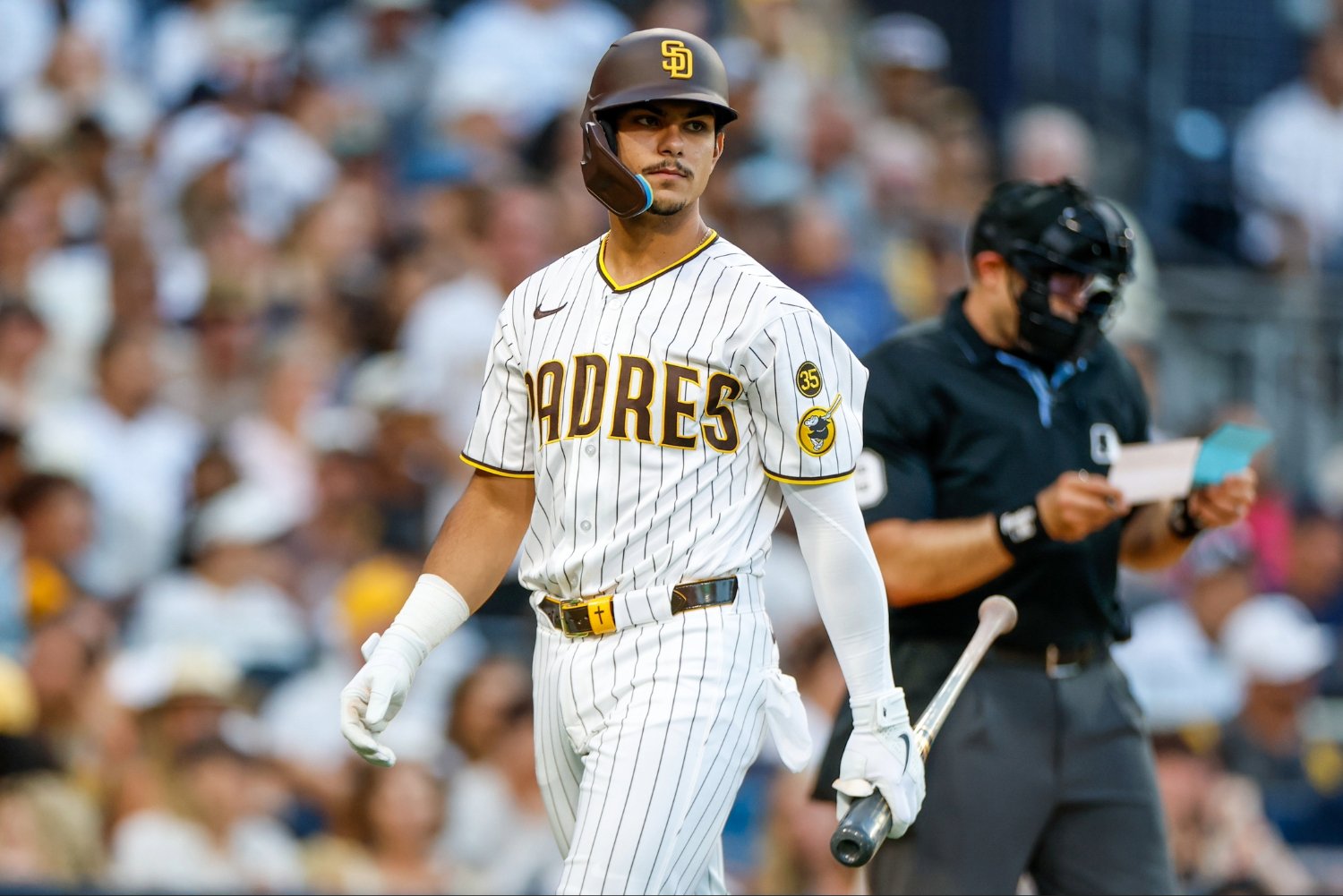 The jump from Triple-A to the major leagues is a tough adjustment for any young player, and the San Diego Padres’ top prospect, catcher Ethan Salas, is finding that out the hard way. Now before we get too far, it’s worth noting that we’re dealing with a very small sample here. Salas has only logged 17 major league plate appearances since being called up earlier this month, so there’s obviously not enough data to draw any meaningful conclusions about his future. But there hasn’t been a whole lot of success in those 17 trips to the plate. Salas has gone 1-for-17 in that span with no walks and seven strikeouts. His lone hit was a triple, and it would’ve been a home run at a handful of ballparks. But while you should definitely take any data in this small of a sample with a grain of salt, it’s not pretty. Just three of the 10 balls he’s put in play have been hard-hit. He’s also chasing out of the zone a lot more than he did in the minors, while making far less contact when he does so. After striking out in just 14.3% of his minor-league plate appearances this season, that number is up to 41.2% in his first cup of coffee in the majors. Although this is far from the start any of us were hoping for, it’s important to remember who we’re talking about here. Salas turned 20 in June. For probably 99.9% of professional baseball players, they’re not even sniffing the major leagues at that age. Let alone a catcher, where you have to be able to call the game and be in control of the diamond at a very high level. Catchers often take a while to work their way through the minor leagues because of everything they have to learn and manage at the position. Salas, meanwhile, has already worked his way through the minors and is now getting his first taste of major league baseball at just 20 years old. That’s not normal. It’s also worth remembering that we’ve already seen Salas have success against high-level pitching as recently as a few weeks ago. After being promoted to Triple-A El Paso, Salas posted a .949 OPS over 24 games. He also had 11 extra-base hits and walked more times than he struck out, showing a very well-rounded approach at the plate. That’s pretty much everything the Padres could have asked for from him at the highest level of minor-league baseball, and he can’t even buy himself a beer for nine more months. Again, that’s not normal. There’s a reason Salas has been regarded as one of the top prospects in baseball for so long. The Padres have watched him handle every challenge they’ve thrown his way at an extremely young age, and he has continued to move through the organization at a remarkable pace. Major-league pitchers are going to expose weaknesses that minor-league pitchers might not. They’re going to attack the strike zone differently, execute pitches more consistently, and force young hitters to make adjustments. Salas is getting his first look at that right now, and it hasn’t gone particularly well. But there’s a big difference between struggling in your first 17 plate appearances and struggling over an entire season. There’s an even bigger difference between struggling at 20 years old and struggling as an established major-league player. That’s why I don’t think there’s any reason to overreact to what we’ve seen from Salas so far. Obviously, the strikeout and chase numbers are worth monitoring as Salas gets more opportunities. If those issues continue over a much larger sample, then it will be fair to start looking more closely at what’s going wrong. But we’re nowhere near that point yet. San Diego doesn’t need him to take over the starting catcher duties for a playoff hopeful team right now. They don’t even need him to be the backup. This is about getting him a taste of what major league pitching looks like before he’s eventually thrust into a much more impactful role.
 -
The Padres are currently clinging to the final NL Wild Card spot, but getting into October is only half the battle. If the playoff picture holds, San Diego could face an absolutely brutal road to the World Series. View full video
-
The Padres are currently clinging to the final NL Wild Card spot, but getting into October is only half the battle. If the playoff picture holds, San Diego could face an absolutely brutal road to the World Series.
-
With just two weeks remaining in the MLB regular season, the race for the playoffs is starting to get very interesting. As things stand right now, the San Diego Padres are in possession of the final National League Wild Card spot. There’s still plenty of baseball left to be played, and a lot can change between now and the end of the regular season, but let’s be optimistic for a second and assume the Padres are able to punch their ticket to October. Unfortunately for San Diego, that would only be the beginning. As the projected No. 6 seed in the National League, the Padres would have a brutal road ahead of them if they want to make it all the way to the World Series. There are a handful of teams they could potentially face, but if everything breaks the wrong way, the Friars could have one of the toughest playoff paths imaginable. Wild Card Round: @ Atlanta Braves The Padres’ path would likely begin against the winner of the NL East, which at the moment is looking like it will be the Atlanta Braves. On paper, that might not be the worst possible matchup for San Diego. The Braves obviously have plenty of talent, but I actually like the way the Padres match up with them. If San Diego can find a way to steal a game against Chris Sale and put themselves in position to win the series, I think they have a legitimate chance to get through Atlanta. Of course, that’s where things would get considerably more difficult. Division Series: vs. Los Angeles Dodgers The nightmare truly starts in the NLDS. After potentially taking down the Braves, the Padres would likely have either the Milwaukee Brewers or Los Angeles Dodgers waiting for them. And if there’s one thing we know about October baseball, it’s that pitching tends to become even more important when the games matter most. Unfortunately for San Diego, both of those teams have plenty of it. Let’s start with the Dodgers, because they currently sit as the No. 2 seed in the National League. If the Padres enter the postseason as the No. 6 seed, that would put Los Angeles directly in their path in the NLDS. In case you weren’t aware, the Dodgers are pretty good. Their lineup is led by the unicorn himself, Shohei Ohtani, but he certainly isn’t the only problem San Diego would have to deal with. Kyle Tucker has started to heat up, while future Hall of Famers Freddie Freeman and Mookie Betts give Los Angeles two more terrifying bats to worry about. And somehow, the pitching staff might be even scarier. After acquiring Tarik Skubal at the trade deadline, the Dodgers’ rotation became absolutely ridiculous. Yoshinobu Yamamoto, Blake Snell, Tyler Glasnow, and Skubal give Los Angeles four true frontline starters to throw at opposing lineups in a playoff series. The Padres obviously know the Dodgers better than almost anyone, and San Diego has proven it can compete with Los Angeles. But if they have to face their division rivals in the NLDS, they’ll have very little margin for error. And if they somehow manage to pull it off? Well, things wouldn’t exactly get easier. National League Championship Series: vs. Milwaukee Brewers If the Padres are able to knock off Los Angeles and prevent the Dodgers from winning a third consecutive World Series, they would likely have the Milwaukee Brewers waiting for them in the NLCS. That might be an even worse matchup. Milwaukee feels like a team that was built specifically for October baseball. Jacob Misiorowski has emerged as, arguably, the most dominant pitcher in the sport, but he’s hardly the only arm the Brewers can throw at a team. Logan Henderson has broken out as a rookie, and he looks like a future star (if he's not there already), and Kyle Harrison has taken a huge step forward this year. That's not a fun trio of pitchers to face, but a big part of the reason Milwaukee has had so much success this year is because of their rotation. The offense is more than capable of holding up its end of the bargain, too. The Brewers have scored the second-most runs in baseball over the course of the season, with Jackson Chourio, Brice Turang and William Contreras leading a lineup that has consistently found ways to score. They’re also playing some ridiculous baseball right now. Milwaukee has scored at least eight runs in six of its first 10 games in September, and the Brewers currently own the best run differential in baseball. The best team in the league by run differential is also playing some of its best baseball of the season at exactly the time you’d want to be peaking. That’s a scary combination. World Series: Likely An AL East Contender Of course, if the Padres somehow survive Atlanta, Los Angeles and Milwaukee, they would still have one more series standing between them and a championship. They’d have to take on the best the American League has to offer. Maybe that’s the Rays. Maybe it’s the Yankees. Maybe another team emerges over the final couple weeks and runs the table. At that point, though, I don’t think it matters nearly as much. If the Padres can somehow make it through the Braves, Dodgers and Brewers, they’ll have already proven they can beat anyone. They would have survived the three toughest possible opponents in the National League, and confidence would probably be through the roof. The problem is getting there in the first place. The Padres already have the odds stacked against them just to reach the postseason, and their projected path to the World Series certainly won’t do them any favors. If everything goes according to the current projections, San Diego could have to beat the Senior Circuit's three division winners just to earn a trip to the Fall Classic. Unfortunately, there isn’t much the Padres can do about it. They still have to take care of business over these final two weeks just to get into the postseason. If they do, they’ll have to embrace the challenge and hope their best baseball is still ahead of them. Because if this nightmare path becomes reality, there won’t be any easy series waiting for them. View full article
-
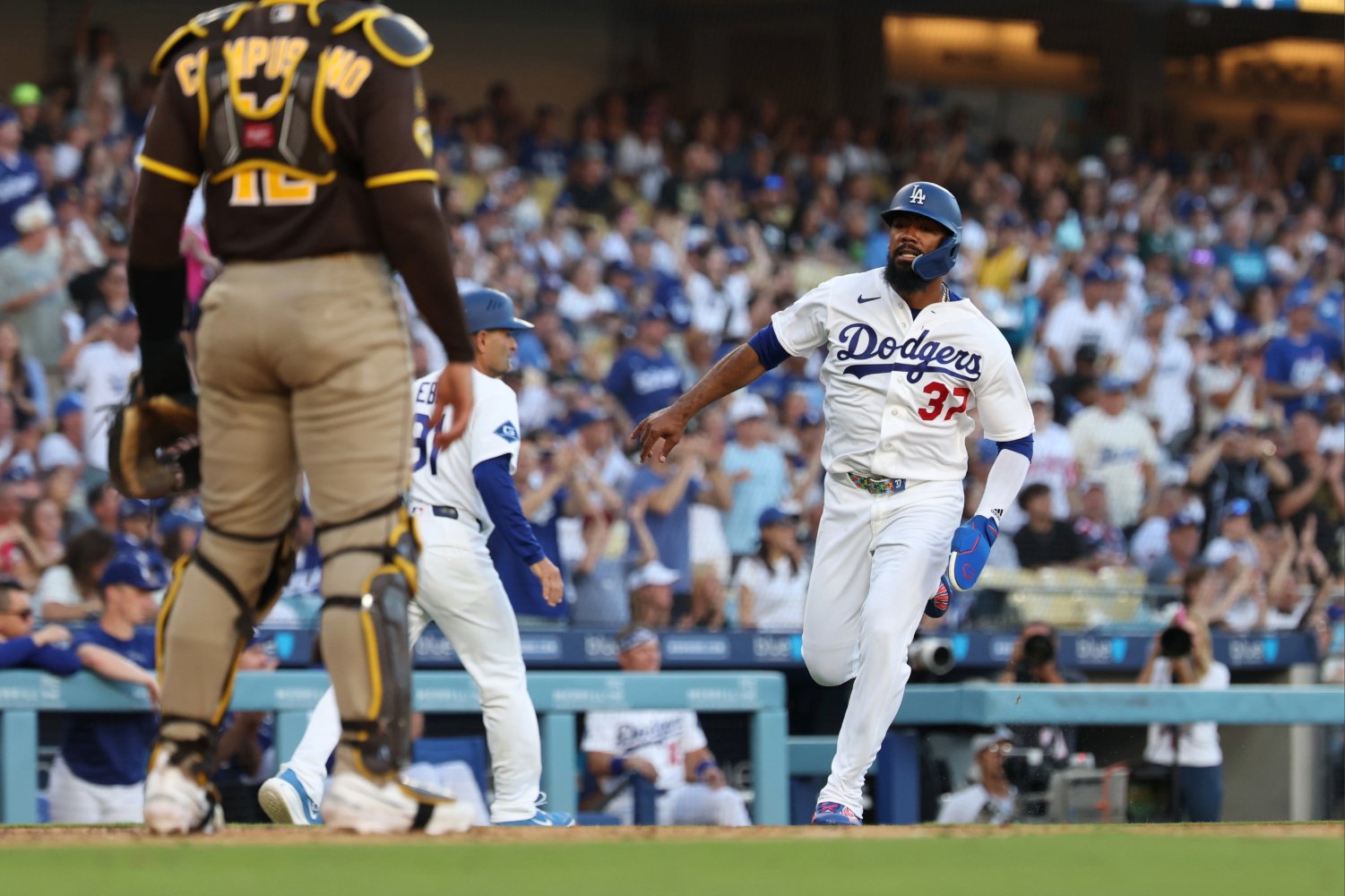 With just two weeks remaining in the MLB regular season, the race for the playoffs is starting to get very interesting. As things stand right now, the San Diego Padres are in possession of the final National League Wild Card spot. There’s still plenty of baseball left to be played, and a lot can change between now and the end of the regular season, but let’s be optimistic for a second and assume the Padres are able to punch their ticket to October. Unfortunately for San Diego, that would only be the beginning. As the projected No. 6 seed in the National League, the Padres would have a brutal road ahead of them if they want to make it all the way to the World Series. There are a handful of teams they could potentially face, but if everything breaks the wrong way, the Friars could have one of the toughest playoff paths imaginable. Wild Card Round: @ Atlanta Braves The Padres’ path would likely begin against the winner of the NL East, which at the moment is looking like it will be the Atlanta Braves. On paper, that might not be the worst possible matchup for San Diego. The Braves obviously have plenty of talent, but I actually like the way the Padres match up with them. If San Diego can find a way to steal a game against Chris Sale and put themselves in position to win the series, I think they have a legitimate chance to get through Atlanta. Of course, that’s where things would get considerably more difficult. Division Series: vs. Los Angeles Dodgers The nightmare truly starts in the NLDS. After potentially taking down the Braves, the Padres would likely have either the Milwaukee Brewers or Los Angeles Dodgers waiting for them. And if there’s one thing we know about October baseball, it’s that pitching tends to become even more important when the games matter most. Unfortunately for San Diego, both of those teams have plenty of it. Let’s start with the Dodgers, because they currently sit as the No. 2 seed in the National League. If the Padres enter the postseason as the No. 6 seed, that would put Los Angeles directly in their path in the NLDS. In case you weren’t aware, the Dodgers are pretty good. Their lineup is led by the unicorn himself, Shohei Ohtani, but he certainly isn’t the only problem San Diego would have to deal with. Kyle Tucker has started to heat up, while future Hall of Famers Freddie Freeman and Mookie Betts give Los Angeles two more terrifying bats to worry about. And somehow, the pitching staff might be even scarier. After acquiring Tarik Skubal at the trade deadline, the Dodgers’ rotation became absolutely ridiculous. Yoshinobu Yamamoto, Blake Snell, Tyler Glasnow, and Skubal give Los Angeles four true frontline starters to throw at opposing lineups in a playoff series. The Padres obviously know the Dodgers better than almost anyone, and San Diego has proven it can compete with Los Angeles. But if they have to face their division rivals in the NLDS, they’ll have very little margin for error. And if they somehow manage to pull it off? Well, things wouldn’t exactly get easier. National League Championship Series: vs. Milwaukee Brewers If the Padres are able to knock off Los Angeles and prevent the Dodgers from winning a third consecutive World Series, they would likely have the Milwaukee Brewers waiting for them in the NLCS. That might be an even worse matchup. Milwaukee feels like a team that was built specifically for October baseball. Jacob Misiorowski has emerged as, arguably, the most dominant pitcher in the sport, but he’s hardly the only arm the Brewers can throw at a team. Logan Henderson has broken out as a rookie, and he looks like a future star (if he's not there already), and Kyle Harrison has taken a huge step forward this year. That's not a fun trio of pitchers to face, but a big part of the reason Milwaukee has had so much success this year is because of their rotation. The offense is more than capable of holding up its end of the bargain, too. The Brewers have scored the second-most runs in baseball over the course of the season, with Jackson Chourio, Brice Turang and William Contreras leading a lineup that has consistently found ways to score. They’re also playing some ridiculous baseball right now. Milwaukee has scored at least eight runs in six of its first 10 games in September, and the Brewers currently own the best run differential in baseball. The best team in the league by run differential is also playing some of its best baseball of the season at exactly the time you’d want to be peaking. That’s a scary combination. World Series: Likely An AL East Contender Of course, if the Padres somehow survive Atlanta, Los Angeles and Milwaukee, they would still have one more series standing between them and a championship. They’d have to take on the best the American League has to offer. Maybe that’s the Rays. Maybe it’s the Yankees. Maybe another team emerges over the final couple weeks and runs the table. At that point, though, I don’t think it matters nearly as much. If the Padres can somehow make it through the Braves, Dodgers and Brewers, they’ll have already proven they can beat anyone. They would have survived the three toughest possible opponents in the National League, and confidence would probably be through the roof. The problem is getting there in the first place. The Padres already have the odds stacked against them just to reach the postseason, and their projected path to the World Series certainly won’t do them any favors. If everything goes according to the current projections, San Diego could have to beat the Senior Circuit's three division winners just to earn a trip to the Fall Classic. Unfortunately, there isn’t much the Padres can do about it. They still have to take care of business over these final two weeks just to get into the postseason. If they do, they’ll have to embrace the challenge and hope their best baseball is still ahead of them. Because if this nightmare path becomes reality, there won’t be any easy series waiting for them.
 -
For a lot of teams around the league, it’s officially crunch time. For the San Diego Padres, that might be putting it lightly. The Friars currently hold the lead for the final National League Wild Card spot, but the Diamondbacks are right on their heels. With the margin for error shrinking by the day, the Padres can’t afford to give away too many games over the final few weeks of the regular season. And unfortunately for them, their remaining schedule provides plenty of opportunities to do just that. So, which games remaining on the Padres’ schedule are absolute must-wins? Must-Win Padres Games That Will Determine Their Postseason Fate Well, it just so happens that San Diego’s final series of the regular season will come at Petco Park against the Diamondbacks. That series isn’t guaranteed to decide who gets the final Wild Card spot, but the odds are pretty good that it will. With two weeks still separating us from that series, neither team has announced its rotation plans, so it’s impossible to know exactly who will be taking the mound. But it really doesn’t get much more must-win than this. If the Padres and Diamondbacks are still battling for that final postseason spot when they meet on the final weekend of the regular season, San Diego will have home-field advantage and three games to potentially settle the matter. There’s a very real chance that everything the Padres do between now and then will simply be setting the stage for that series. Of course, before they get to Arizona, they’ll have to travel to Los Angeles to take on the Dodgers. And I’m not going to sit here and say the Padres need to sweep the Dodgers if they want to make the postseason. That would be silly, and considering San Diego is just 3-7 against Los Angeles in 10 games this season, it would probably be a little unrealistic, too. But if the Padres can take two out of three, I think that has to be considered a major win at this point in the season. For starters, Shohei Ohtani recently landed on the 15-day injured list, meaning the Padres could potentially avoid facing one of the most dangerous bats in baseball during that series. That doesn’t suddenly make the Dodgers an easy opponent, but it certainly helps San Diego’s chances. More importantly, winning two of three in Los Angeles would give the Padres some much-needed momentum heading directly into that final series against Arizona. And before they get to either of those teams, San Diego has a stretch of games that lines up pretty well in its favor. The Padres will travel to San Francisco this weekend for a three-game series against the Giants, and they have Robbie Ray, Michael King and Nick Pivetta lined up to pitch. Knock on wood, but there’s a legitimate opportunity for San Diego to sweep this series. The Giants have had their moments this season, but if the Padres are serious about holding onto their Wild Card spot, this is exactly the type of series they need to win. Taking two of three would be perfectly acceptable, but there’s no reason San Diego shouldn’t be aiming for all three. After that, the Padres will head to Colorado for a four-game series against the Rockies early next week. Yes, the Rockies are a better team at Coors Field. Yes, playing in Denver always comes with some added variables. But let’s be honest here: they’re still the Rockies. Colorado has been the worst team in baseball once again this season, and a team fighting for its postseason life shouldn’t be afraid of a four-game series against them. Taking three out of four would be a great result. A sweep would be even better. And then, right before the Padres head to Los Angeles, they’ll return home to host the Marlins for three games. Miami was, at one point, entrenched in the Wild Card race themselves. That’s no longer the case, though, as they’ve gone just 3-7 over their last 10 games and now sit six and a half games out of the playoff picture. That doesn’t mean San Diego can afford to overlook them, but this is another series where the Padres should be looking to take care of business. The Giants, Rockies and Marlins aren’t necessarily must-win series individually. The Padres could drop a couple of games in those matchups and still make the postseason. But if the Friars want to make the final week of the regular season a little less stressful, going 7-3 or even 8-2 across those 10 games would go a long way. That would give them some breathing room before traveling to Los Angeles, and potentially allow them to enter that final series against Arizona with a little more room for error. Because once the Padres get to that point, there probably won’t be much margin left. View full article
-
 For a lot of teams around the league, it’s officially crunch time. For the San Diego Padres, that might be putting it lightly. The Friars currently hold the lead for the final National League Wild Card spot, but the Diamondbacks are right on their heels. With the margin for error shrinking by the day, the Padres can’t afford to give away too many games over the final few weeks of the regular season. And unfortunately for them, their remaining schedule provides plenty of opportunities to do just that. So, which games remaining on the Padres’ schedule are absolute must-wins? Must-Win Padres Games That Will Determine Their Postseason Fate Well, it just so happens that San Diego’s final series of the regular season will come at Petco Park against the Diamondbacks. That series isn’t guaranteed to decide who gets the final Wild Card spot, but the odds are pretty good that it will. With two weeks still separating us from that series, neither team has announced its rotation plans, so it’s impossible to know exactly who will be taking the mound. But it really doesn’t get much more must-win than this. If the Padres and Diamondbacks are still battling for that final postseason spot when they meet on the final weekend of the regular season, San Diego will have home-field advantage and three games to potentially settle the matter. There’s a very real chance that everything the Padres do between now and then will simply be setting the stage for that series. Of course, before they get to Arizona, they’ll have to travel to Los Angeles to take on the Dodgers. And I’m not going to sit here and say the Padres need to sweep the Dodgers if they want to make the postseason. That would be silly, and considering San Diego is just 3-7 against Los Angeles in 10 games this season, it would probably be a little unrealistic, too. But if the Padres can take two out of three, I think that has to be considered a major win at this point in the season. For starters, Shohei Ohtani recently landed on the 15-day injured list, meaning the Padres could potentially avoid facing one of the most dangerous bats in baseball during that series. That doesn’t suddenly make the Dodgers an easy opponent, but it certainly helps San Diego’s chances. More importantly, winning two of three in Los Angeles would give the Padres some much-needed momentum heading directly into that final series against Arizona. And before they get to either of those teams, San Diego has a stretch of games that lines up pretty well in its favor. The Padres will travel to San Francisco this weekend for a three-game series against the Giants, and they have Robbie Ray, Michael King and Nick Pivetta lined up to pitch. Knock on wood, but there’s a legitimate opportunity for San Diego to sweep this series. The Giants have had their moments this season, but if the Padres are serious about holding onto their Wild Card spot, this is exactly the type of series they need to win. Taking two of three would be perfectly acceptable, but there’s no reason San Diego shouldn’t be aiming for all three. After that, the Padres will head to Colorado for a four-game series against the Rockies early next week. Yes, the Rockies are a better team at Coors Field. Yes, playing in Denver always comes with some added variables. But let’s be honest here: they’re still the Rockies. Colorado has been the worst team in baseball once again this season, and a team fighting for its postseason life shouldn’t be afraid of a four-game series against them. Taking three out of four would be a great result. A sweep would be even better. And then, right before the Padres head to Los Angeles, they’ll return home to host the Marlins for three games. Miami was, at one point, entrenched in the Wild Card race themselves. That’s no longer the case, though, as they’ve gone just 3-7 over their last 10 games and now sit six and a half games out of the playoff picture. That doesn’t mean San Diego can afford to overlook them, but this is another series where the Padres should be looking to take care of business. The Giants, Rockies and Marlins aren’t necessarily must-win series individually. The Padres could drop a couple of games in those matchups and still make the postseason. But if the Friars want to make the final week of the regular season a little less stressful, going 7-3 or even 8-2 across those 10 games would go a long way. That would give them some breathing room before traveling to Los Angeles, and potentially allow them to enter that final series against Arizona with a little more room for error. Because once the Padres get to that point, there probably won’t be much margin left.
 -
Jackson Merrill looked like one of baseball's future superstars after his breakout 2024 campaign at just 21 years old. But since that point, there has been a lot more up-and-down in his game. After posting an .826 OPS in 2024, that number dropped to .774 during an injury-riddled 2025 campaign. And this season, it has dropped again, with Merrill sitting at just a .701 OPS. His recent stretch certainly isn't helping anything. His season as a whole has been all over the place. He really struggled over the first few months, looking nothing like the player who burst onto the scene as one of the best young hitters in baseball two years ago. But then, he got hot in July and August and started to look more like himself again. Now, he's back in a slump. Since August 13, Merrill is hitting just .179 over 88 plate appearances, with a .611 OPS. His strikeout rate has also jumped well above normal to 26.1%. Obviously, this is someone the Padres really need producing, especially at this point in the year. They're making a push for the Wild Card, and Merrill is supposed to be one of the players capable of carrying this offense. That production simply hasn't been there lately. So how does he snap out of it? As ridiculous as it may sound, I think Merrill's best course of action might be to keep on doing what he's doing. Because despite what the surface-level numbers would tell you, there’s a lot that he's doing well right now. The quality of contact Merrill has generated during this rough stretch has actually been awesome. His average exit velocity over those 88 plate appearances sits at 94.2 MPH. Now, it's not like average exit velocity alone tells you everything. You can hit a 100+ MPH pop-up, after all, and that isn't exactly helping anyone. But Merrill isn't just hitting the ball hard; he's finding barrels. His barrel rate during this stretch is up over 14%. Barrels are essentially the ideal combination of exit velocity and launch angle, and they're the easiest way for hitters to consistently produce extra-base contact. A 14% barrel rate is crazy. Merrill's season-long barrel rate of 12% is already extremely impressive, but when a hitter is barreling the ball at an even higher rate than that, he should be producing at a much higher level than a .611 OPS. And the expected numbers would certainly agree. Merrill's expected batting average during this rough stretch sits at .262, which is 83 points higher than his actual .179 mark. His expected slugging percentage is even more eye-opening at .507, 161 points higher than what he's actually produced. Put those numbers together, and the underlying data suggests Merrill is hitting the ball more like an .850 OPS player. Instead, he's producing an OPS that is just barely above .600. That's a pretty massive difference. He’s hitting the ball well, the results just haven't followed. Now, for what it's worth, there has been one notable change in Merrill's batted-ball profile during this stretch. His fly-ball rate has climbed all the way up to 51%. Over the course of his career, that number has been closer to 41%, so that's a pretty sizable jump. And an increase in fly balls doesn't always work for every hitter. Sometimes, a player starts trying to elevate the ball more often and simply turns hard line drives into fly-ball outs. On the surface, you could argue that this has been part of the problem for Merrill, considering the actual production simply hasn't been there. But again, it comes back to the quality of contact. If Merrill was hitting more fly balls while his exit velocity and barrel rate were declining, that would be a much bigger concern. But that's not what is happening. He's hitting the ball harder than ever during this recent stretch and producing barrels at an extremely high rate. At some point, you would expect that to turn into more results. Baseball has a funny way of evening things out over time. It's extremely unfortunate that Merrill is going through this slump now, as the Padres make their push for a Wild Card spot. This is when they need their best players to be at their best, and the recent production from one of their most important hitters simply hasn't been good enough. But the encouraging part is that there doesn't appear to be much reason for Merrill to completely overhaul his approach. If anything, he might just need to keep doing what he's doing. View full article
-
Jackson Merrill Is Slumping Again, But His Numbers Are Lying to Padres
Sam Caulder posted an article in Padres
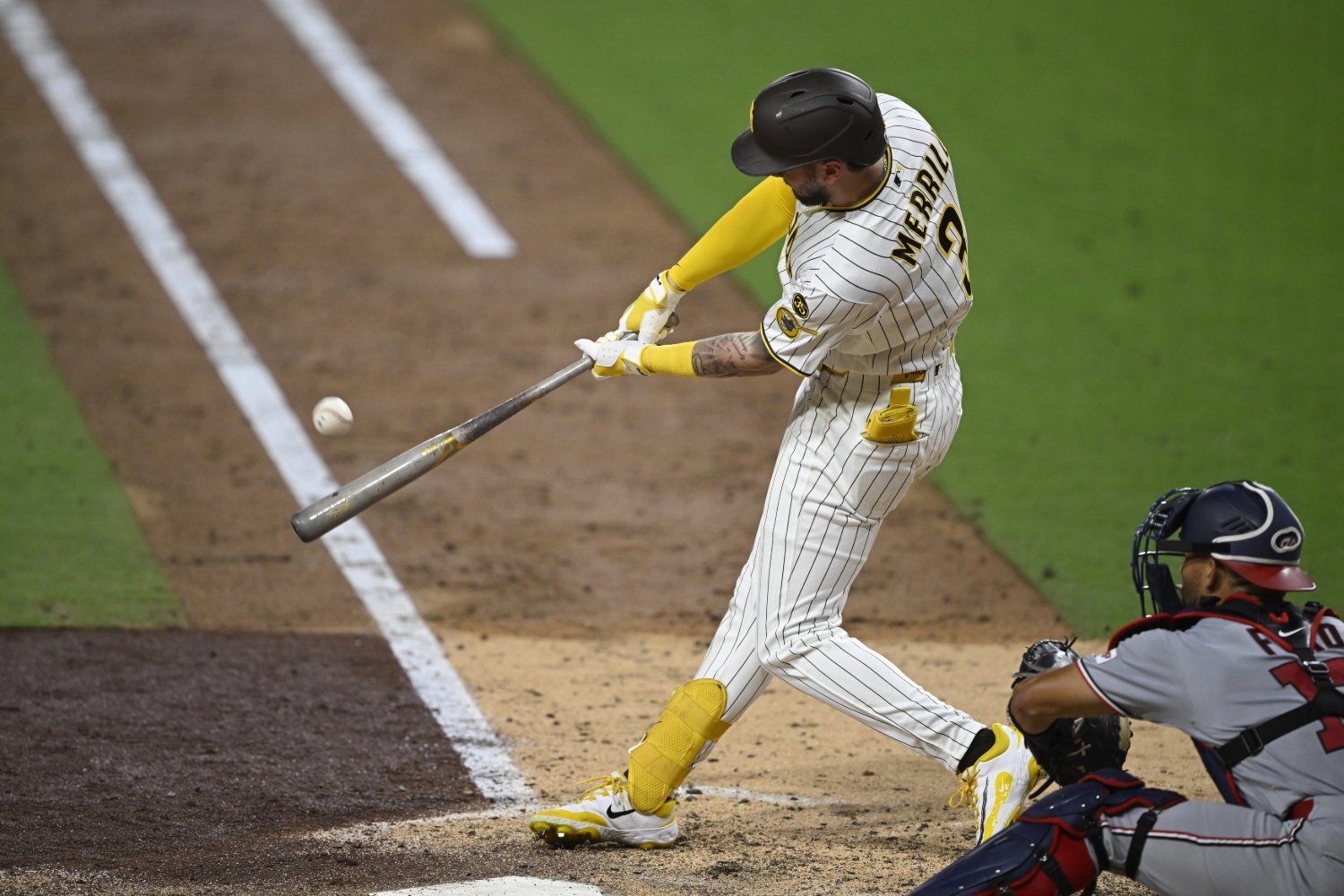 Jackson Merrill looked like one of baseball's future superstars after his breakout 2024 campaign at just 21 years old. But since that point, there has been a lot more up-and-down in his game. After posting an .826 OPS in 2024, that number dropped to .774 during an injury-riddled 2025 campaign. And this season, it has dropped again, with Merrill sitting at just a .701 OPS. His recent stretch certainly isn't helping anything. His season as a whole has been all over the place. He really struggled over the first few months, looking nothing like the player who burst onto the scene as one of the best young hitters in baseball two years ago. But then, he got hot in July and August and started to look more like himself again. Now, he's back in a slump. Since August 13, Merrill is hitting just .179 over 88 plate appearances, with a .611 OPS. His strikeout rate has also jumped well above normal to 26.1%. Obviously, this is someone the Padres really need producing, especially at this point in the year. They're making a push for the Wild Card, and Merrill is supposed to be one of the players capable of carrying this offense. That production simply hasn't been there lately. So how does he snap out of it? As ridiculous as it may sound, I think Merrill's best course of action might be to keep on doing what he's doing. Because despite what the surface-level numbers would tell you, there’s a lot that he's doing well right now. The quality of contact Merrill has generated during this rough stretch has actually been awesome. His average exit velocity over those 88 plate appearances sits at 94.2 MPH. Now, it's not like average exit velocity alone tells you everything. You can hit a 100+ MPH pop-up, after all, and that isn't exactly helping anyone. But Merrill isn't just hitting the ball hard; he's finding barrels. His barrel rate during this stretch is up over 14%. Barrels are essentially the ideal combination of exit velocity and launch angle, and they're the easiest way for hitters to consistently produce extra-base contact. A 14% barrel rate is crazy. Merrill's season-long barrel rate of 12% is already extremely impressive, but when a hitter is barreling the ball at an even higher rate than that, he should be producing at a much higher level than a .611 OPS. And the expected numbers would certainly agree. Merrill's expected batting average during this rough stretch sits at .262, which is 83 points higher than his actual .179 mark. His expected slugging percentage is even more eye-opening at .507, 161 points higher than what he's actually produced. Put those numbers together, and the underlying data suggests Merrill is hitting the ball more like an .850 OPS player. Instead, he's producing an OPS that is just barely above .600. That's a pretty massive difference. He’s hitting the ball well, the results just haven't followed. Now, for what it's worth, there has been one notable change in Merrill's batted-ball profile during this stretch. His fly-ball rate has climbed all the way up to 51%. Over the course of his career, that number has been closer to 41%, so that's a pretty sizable jump. And an increase in fly balls doesn't always work for every hitter. Sometimes, a player starts trying to elevate the ball more often and simply turns hard line drives into fly-ball outs. On the surface, you could argue that this has been part of the problem for Merrill, considering the actual production simply hasn't been there. But again, it comes back to the quality of contact. If Merrill was hitting more fly balls while his exit velocity and barrel rate were declining, that would be a much bigger concern. But that's not what is happening. He's hitting the ball harder than ever during this recent stretch and producing barrels at an extremely high rate. At some point, you would expect that to turn into more results. Baseball has a funny way of evening things out over time. It's extremely unfortunate that Merrill is going through this slump now, as the Padres make their push for a Wild Card spot. This is when they need their best players to be at their best, and the recent production from one of their most important hitters simply hasn't been good enough. But the encouraging part is that there doesn't appear to be much reason for Merrill to completely overhaul his approach. If anything, he might just need to keep doing what he's doing.
 -
Jackson Merrill is slumping at the worst possible time for the Padres' Wild Card push. But a closer look at how he's actually hitting the ball paints a much more encouraging picture. View full video
-
Jackson Merrill is slumping at the worst possible time for the Padres' Wild Card push. But a closer look at how he's actually hitting the ball paints a much more encouraging picture.
-
August was a strong and much-needed month of baseball for the San Diego Padres. After going 17-11, the Friars the final stretch of the regular season firmly in the mix for a National League Wild Card spot. The Padres made that possible by deciding to buy at the trade deadline when plenty of people expected them to sell. San Diego added Casey Mize and Robbie Ray, held onto its key bullpen arms, and now enters September with a legitimate chance to make some noise. A major reason for that success was the pitching staff. The Padres allowed just 3.5 runs per game throughout August, getting plenty of impressive performances from both their rotation and bullpen. Ranking Padres' Best Pitchers In August Honorable Mention: Michael King, Starting Pitcher Michael King absolutely deserves to be on this list. Unfortunately for him, the Padres' bullpen decided to go completely nuclear in August. King finished the month with a 2.21 ERA across 36 2/3 innings, striking out 32 hitters while walking just 13. It was another impressive stretch for the right-hander, who has established himself as one of the most important pitchers on San Diego's roster. For a Padres team hoping to make some noise in October, King pitching like an ace is going to be essential. The bullpen might have stolen the show in August, but the work King did to help stabilize the rotation certainly should not go unnoticed. #3: Kyle Hart, Relief Pitcher Kyle Hart might not get the same recognition as some of the bigger names in the Padres' bullpen, but there is no denying how excellent he was in August. The left-hander finished the month with a microscopic 1.06 ERA across 16 2/3 innings, adding 19 strikeouts against just six walks. Hart's strikeout rate jumped all the way to 28.4% during the month, and his underlying numbers backed up the dominant performance. With a 1.89 FIP, this was not simply a case of everything bouncing his way. If he can match this output over the final few weeks of the regular season and even carry it into October, he'll be a revelation that further strengthens the Padres' grip on the "best bullpen in baseball" title. #2: Yuki Matsui, Relief Pitcher If you thought Hart had a good month, just wait until you see what Yuki Matsui did. The veteran left-hander finished August with a 0.77 ERA over 11 2/3 innings, striking out 13 hitters while allowing seven walks. Most impressively, however, Matsui stranded every single baserunner he allowed throughout the entire month. That has been a theme for Matsui all season. He has stranded more than 90% of opposing baserunners, and that ability to pitch himself out of trouble has made him an extremely valuable piece of the Padres' bullpen. It's not necessarily the most repeatable or reliable skill year-over-year, but for now, Matsui's ability to escape jams has become a key part of the relief corps' elite status. #1: Adrián Morejón, Relief Pitcher Adrián Morejón is just so good, man. The left-hander was nearly unhittable throughout August, striking out 26 hitters over just 16 2/3 innings. That works out to a ridiculous 40.6% strikeout rate, as Morejón simply overwhelmed opposing hitters all month long. He also allowed just one earned run during that span, which came on a solo home run. Aside from that one mistake, he was not responsible for another run throughout the entire month. At this point, it is no longer ridiculous to say that Morejón is one of the best relievers in baseball. He has been one of the biggest reasons why the Padres' bullpen has remained such a dominant strength, and with him and Mason Miller shutting games down late, any San Diego lead entering the eighth inning feels pretty safe. That is going to be a massive advantage for the Padres as they attempt to finish the regular season strong. If the bullpen continues to perform anywhere close to the level it did in August, San Diego has the type of late-game pitching that can make life extremely difficult for opponents in October. View full article
-
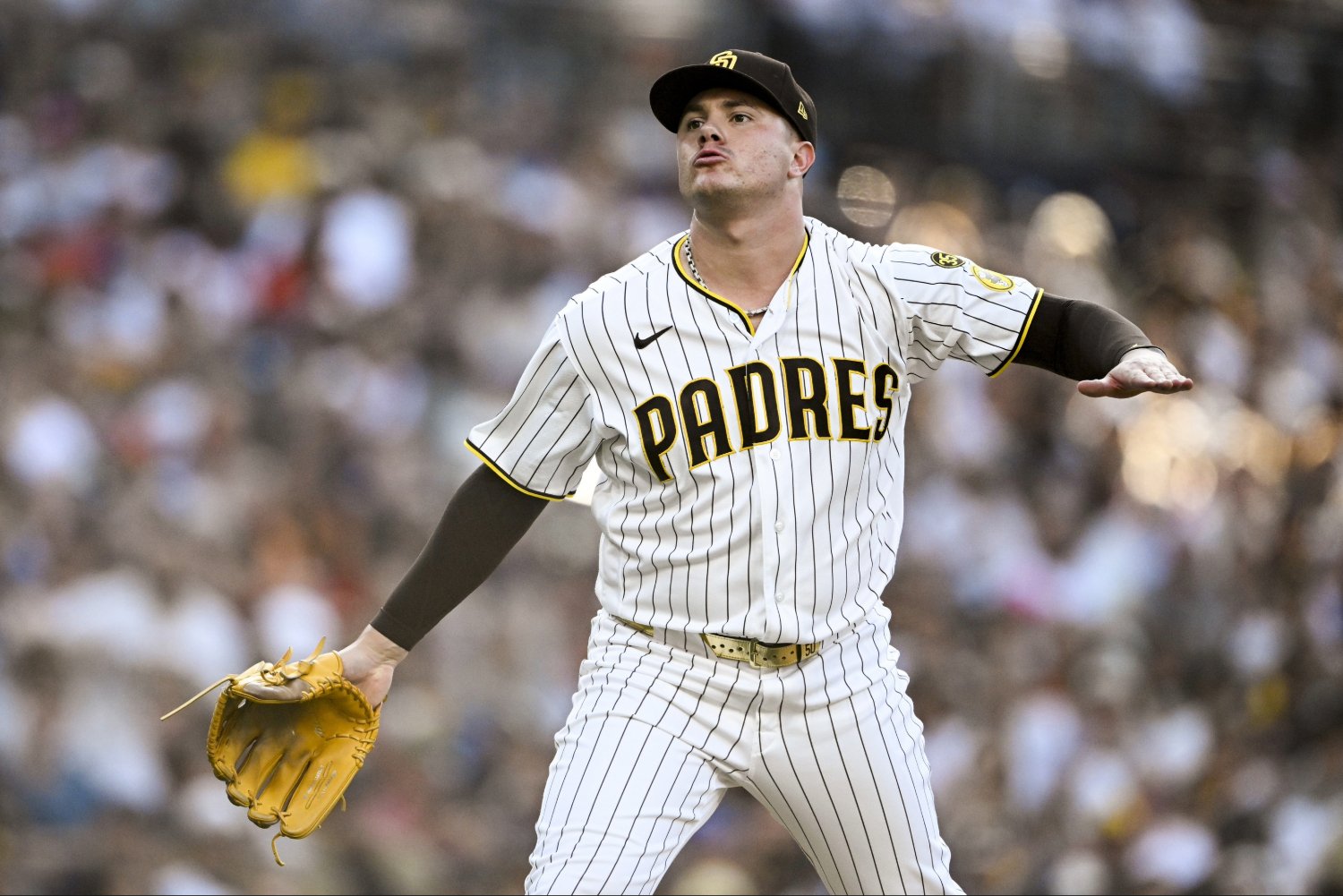 August was a strong and much-needed month of baseball for the San Diego Padres. After going 17-11, the Friars the final stretch of the regular season firmly in the mix for a National League Wild Card spot. The Padres made that possible by deciding to buy at the trade deadline when plenty of people expected them to sell. San Diego added Casey Mize and Robbie Ray, held onto its key bullpen arms, and now enters September with a legitimate chance to make some noise. A major reason for that success was the pitching staff. The Padres allowed just 3.5 runs per game throughout August, getting plenty of impressive performances from both their rotation and bullpen. Ranking Padres' Best Pitchers In August Honorable Mention: Michael King, Starting Pitcher Michael King absolutely deserves to be on this list. Unfortunately for him, the Padres' bullpen decided to go completely nuclear in August. King finished the month with a 2.21 ERA across 36 2/3 innings, striking out 32 hitters while walking just 13. It was another impressive stretch for the right-hander, who has established himself as one of the most important pitchers on San Diego's roster. For a Padres team hoping to make some noise in October, King pitching like an ace is going to be essential. The bullpen might have stolen the show in August, but the work King did to help stabilize the rotation certainly should not go unnoticed. #3: Kyle Hart, Relief Pitcher Kyle Hart might not get the same recognition as some of the bigger names in the Padres' bullpen, but there is no denying how excellent he was in August. The left-hander finished the month with a microscopic 1.06 ERA across 16 2/3 innings, adding 19 strikeouts against just six walks. Hart's strikeout rate jumped all the way to 28.4% during the month, and his underlying numbers backed up the dominant performance. With a 1.89 FIP, this was not simply a case of everything bouncing his way. If he can match this output over the final few weeks of the regular season and even carry it into October, he'll be a revelation that further strengthens the Padres' grip on the "best bullpen in baseball" title. #2: Yuki Matsui, Relief Pitcher If you thought Hart had a good month, just wait until you see what Yuki Matsui did. The veteran left-hander finished August with a 0.77 ERA over 11 2/3 innings, striking out 13 hitters while allowing seven walks. Most impressively, however, Matsui stranded every single baserunner he allowed throughout the entire month. That has been a theme for Matsui all season. He has stranded more than 90% of opposing baserunners, and that ability to pitch himself out of trouble has made him an extremely valuable piece of the Padres' bullpen. It's not necessarily the most repeatable or reliable skill year-over-year, but for now, Matsui's ability to escape jams has become a key part of the relief corps' elite status. #1: Adrián Morejón, Relief Pitcher Adrián Morejón is just so good, man. The left-hander was nearly unhittable throughout August, striking out 26 hitters over just 16 2/3 innings. That works out to a ridiculous 40.6% strikeout rate, as Morejón simply overwhelmed opposing hitters all month long. He also allowed just one earned run during that span, which came on a solo home run. Aside from that one mistake, he was not responsible for another run throughout the entire month. At this point, it is no longer ridiculous to say that Morejón is one of the best relievers in baseball. He has been one of the biggest reasons why the Padres' bullpen has remained such a dominant strength, and with him and Mason Miller shutting games down late, any San Diego lead entering the eighth inning feels pretty safe. That is going to be a massive advantage for the Padres as they attempt to finish the regular season strong. If the bullpen continues to perform anywhere close to the level it did in August, San Diego has the type of late-game pitching that can make life extremely difficult for opponents in October.
 -
Robbie Ray has pitched well during his first month with the Padres. But his continued struggles with walks could become a much bigger problem if San Diego reaches October. View full video

